
Zoonotic Sarcocystis Found in 3.3% of Polish Wild Boar Hunted for Food
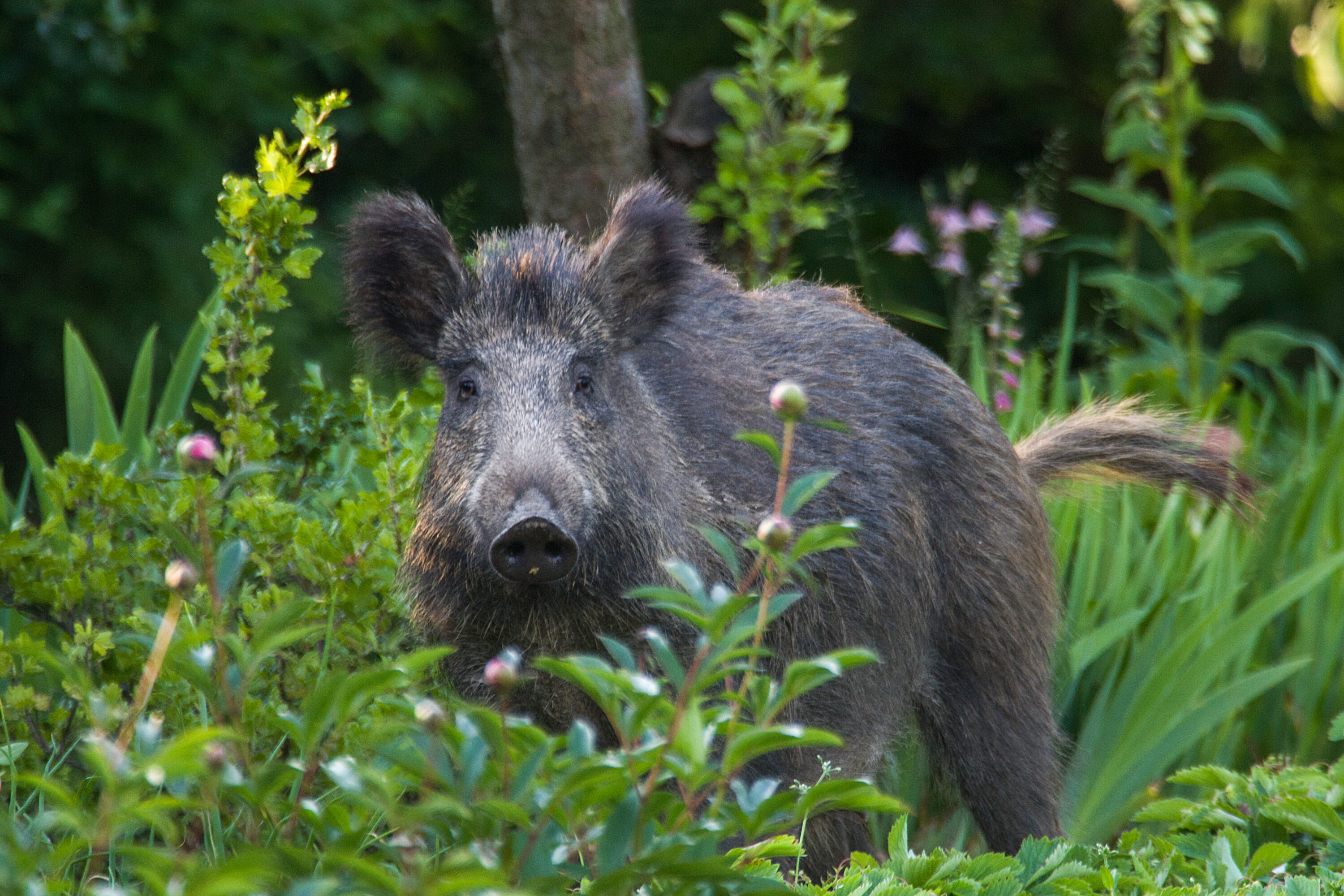
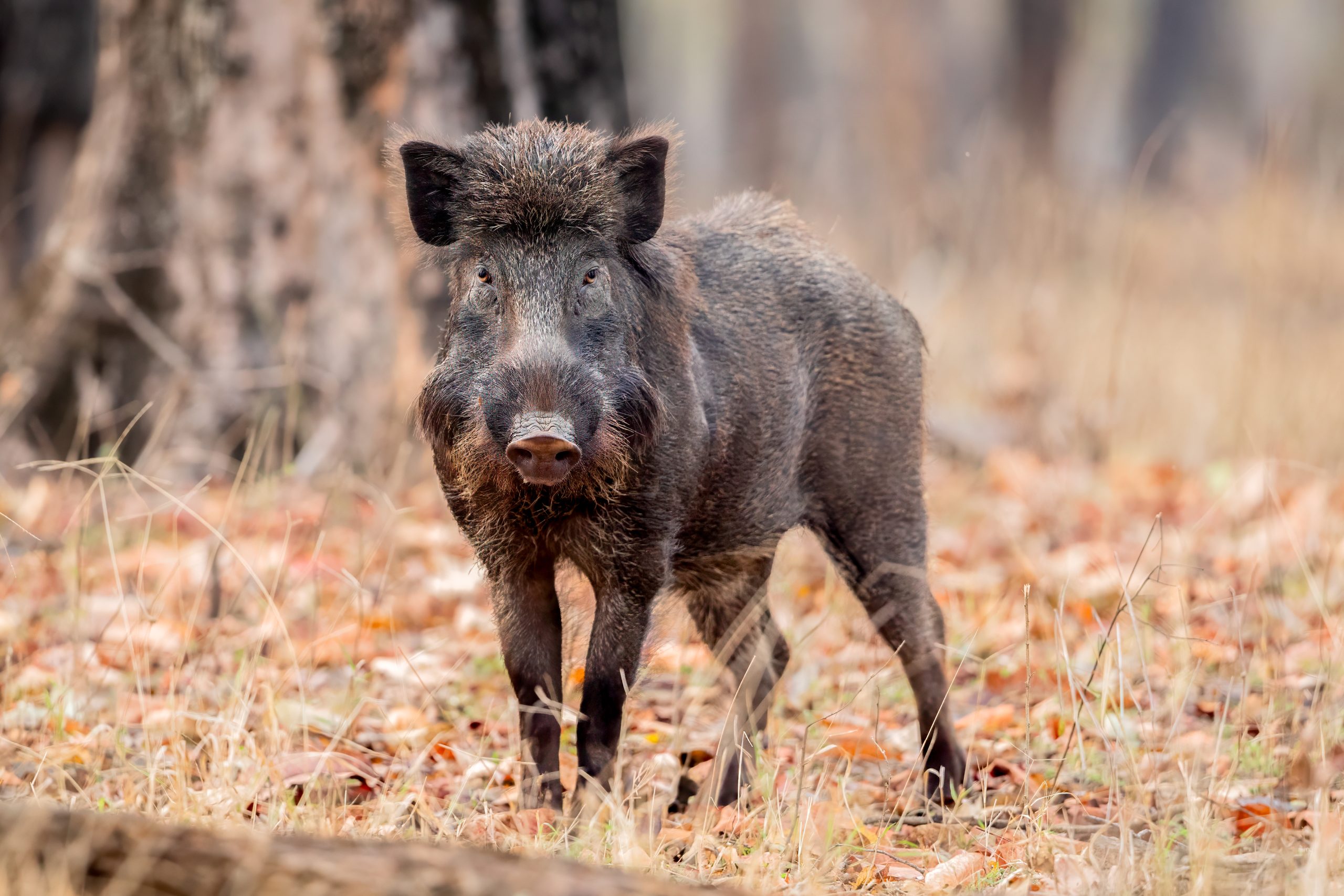
The zoonotic protozoan parasite Sarcocystis suihominis was detected in 3.3% of 241 wild boar (Sus scrofa) hunted for human consumption across Poland, while DNA from Sarcocystis miescheriana was found in 90%. Sarcocystis are single-celled parasites that form tissue cysts in intermediate hosts. The animals came from all 16 Polish provinces and were sampled during the 2022–2023 and 2023–2024 hunting seasons.
Wild boar are intermediate hosts
Wild boar are intermediate hosts in the two parasites’ life cycles. Canids can serve as definitive hosts for S. miescheriana, whereas humans can become definitive hosts for S. suihominis after eating raw or undercooked infected meat. Human intestinal sarcocystosis is usually asymptomatic or mild, but can cause gastrointestinal symptoms.
DNA testing found two known species — and one unusual cyst
The researchers screened diaphragm tissue with a multiplex PCR, a DNA test that can search for both target species in the same analysis, using the mitochondrial cox1 gene as a species marker. S. miescheriana DNA was detected in 216 of 241 boar, including eight animals that were also positive for S. suihominis. From three coinfected boar, the team isolated 37 individual sarcocysts. Two were confirmed as S. suihominis, while 12 of 13 additional cysts selected for molecular characterisation were identified as S. miescheriana.
The remaining characterised cyst was genetically unusual. Its 1,053-base-pair cox1 sequence showed less than 89.1% similarity to known Sarcocystis species, while a 923-base-pair 18S rDNA sequence — a second genetic marker used for species relationships — showed 95.6% similarity. Taken together, the two markers were sufficiently different from known species for the authors to describe the cyst as a putative new Sarcocystis species rather than a formally established species.
A foodborne risk cannot be excluded
This is the first study to identify these Sarcocystis parasites in wild boar intended for human consumption in Poland. Routine meat inspection, including testing aimed at Trichinella, does not usually detect sarcocysts. The authors therefore conclude that a foodborne risk from S. suihominis cannot be excluded for people who eat raw or insufficiently cooked wild boar meat.
Disease, parasites & microbiology
Related news
Maps Show Where Wild Boar Could Thrive and Spread on Jeju Island
Researchers mapped potentially suitable wild-boar habitat across roughly 36% of Jeju Island and identified eight possible corridors linking…
Read story →
Roe Deer and Wild Boar Remained Key Wolf Prey as Diet Shifted Across North-western Italy
From 2021 to 2025, wolves in north-western Italy continued to feed mainly on wild prey. In the Po…
Read story →
Copper levels in wild boar differed across Slovak districts
An analysis of kidney, liver and muscle from 147 wild boar in four districts found that iron and…
Read story →SPECIES IN THIS STORY
Species in this story
Independent research and conservation news archive
Did you find this information useful?
Wildlife Vagabond is independently built and maintained. Voluntary support helps cover source verification, hosting and continued work on research and conservation news.
Support Wildlife VagabondThe news archive will remain freely available.