
Puff Adder Venom Caused Severe Anaemia and Organ Damage in Zebrafish
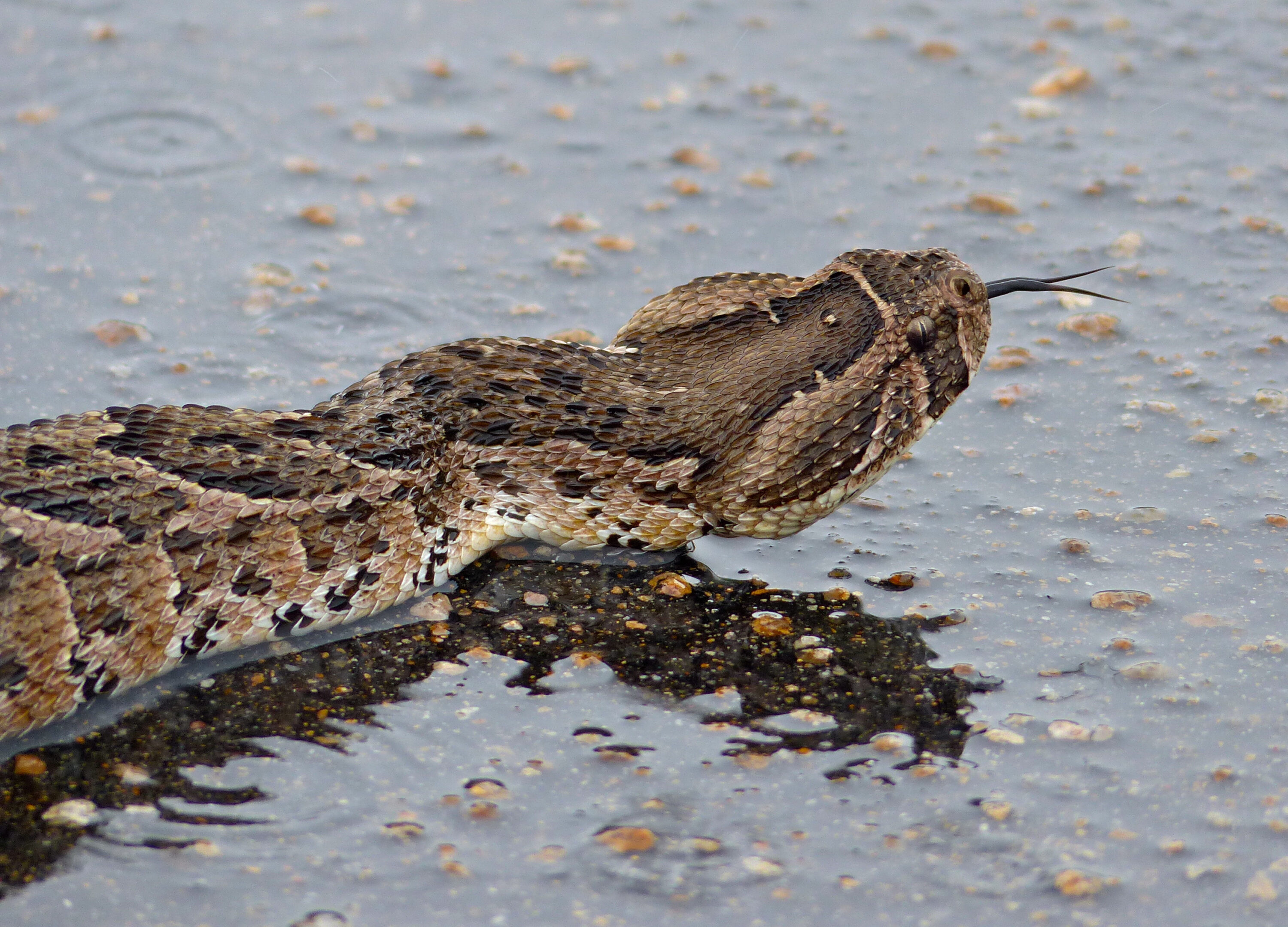
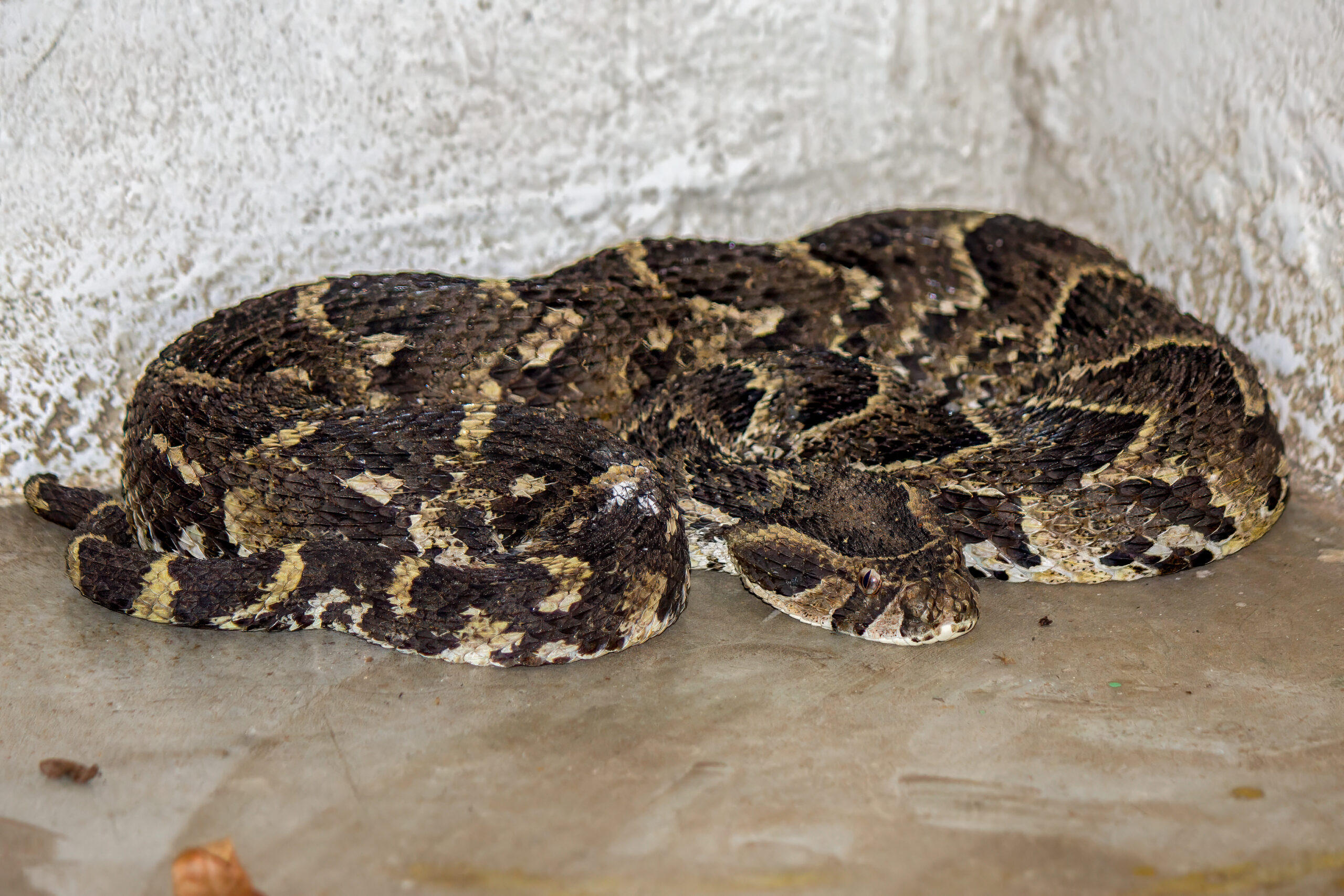
Puff adder (Bitis arietans) venom caused severe haemolytic anaemia and tissue damage in several organs in adult zebrafish (Danio rerio). The study followed the first hours after experimental envenomation to connect changes in blood cells, plasma proteins and tissue injury within the same animal model.
Zebrafish are useful for studying whole-body toxic responses because many basic vertebrate blood, immune and organ pathways are conserved. This was nevertheless an animal-model study, not a study of human snakebite, so individual effects cannot be assumed to occur with the same severity in people.
Red blood cells were rapidly destroyed
By six hours after venom exposure, the fish had developed severe acute haemolytic anaemia. In haemolytic anaemia, red blood cells are destroyed faster than they can be replaced, reducing the blood’s ability to carry oxygen.
The fish also showed a rapid compensatory response. Immature blood-cell precursors increased, indicating increased blood formation, while white blood cells rose — particularly myelomonocytic cells involved in innate immune and inflammatory responses. The venom was therefore triggering both blood-cell loss and a rapid attempt to replace and respond to that damage.
Plasma proteins revealed several injury pathways at once
Proteomic analysis found broad changes in proteins involved in haemostasis and coagulation, which control bleeding and clot formation. Complement proteins involved in innate immunity were also affected, as were proteins linked to neutrophil degranulation, where immune cells release stored inflammatory molecules. Proteins that regulate oxidative stress changed as well.
Together, these results show that the venom response was not confined to one toxic pathway. Haemolysis occurred alongside changes in clotting, inflammation, innate immunity and cellular protection against oxidative damage.
The damage extended to several organs
Microscopic examination found lesions in the kidneys, heart, liver and gills. These tissue changes, together with the blood and protein responses, support the authors’ conclusion that puff-adder venom caused systemic injury in the zebrafish rather than only local damage at the injection site.
The altered plasma-protein profile may also contain useful markers of tissue injury, but the study did not validate any of them as diagnostic or prognostic biomarkers in human snakebite.
The main contribution is therefore mechanistic: the zebrafish model linked red-cell destruction, compensatory blood formation, immune and coagulation responses, oxidative stress and multi-organ injury during the same early phase of puff-adder envenomation.
Physiology
Related news
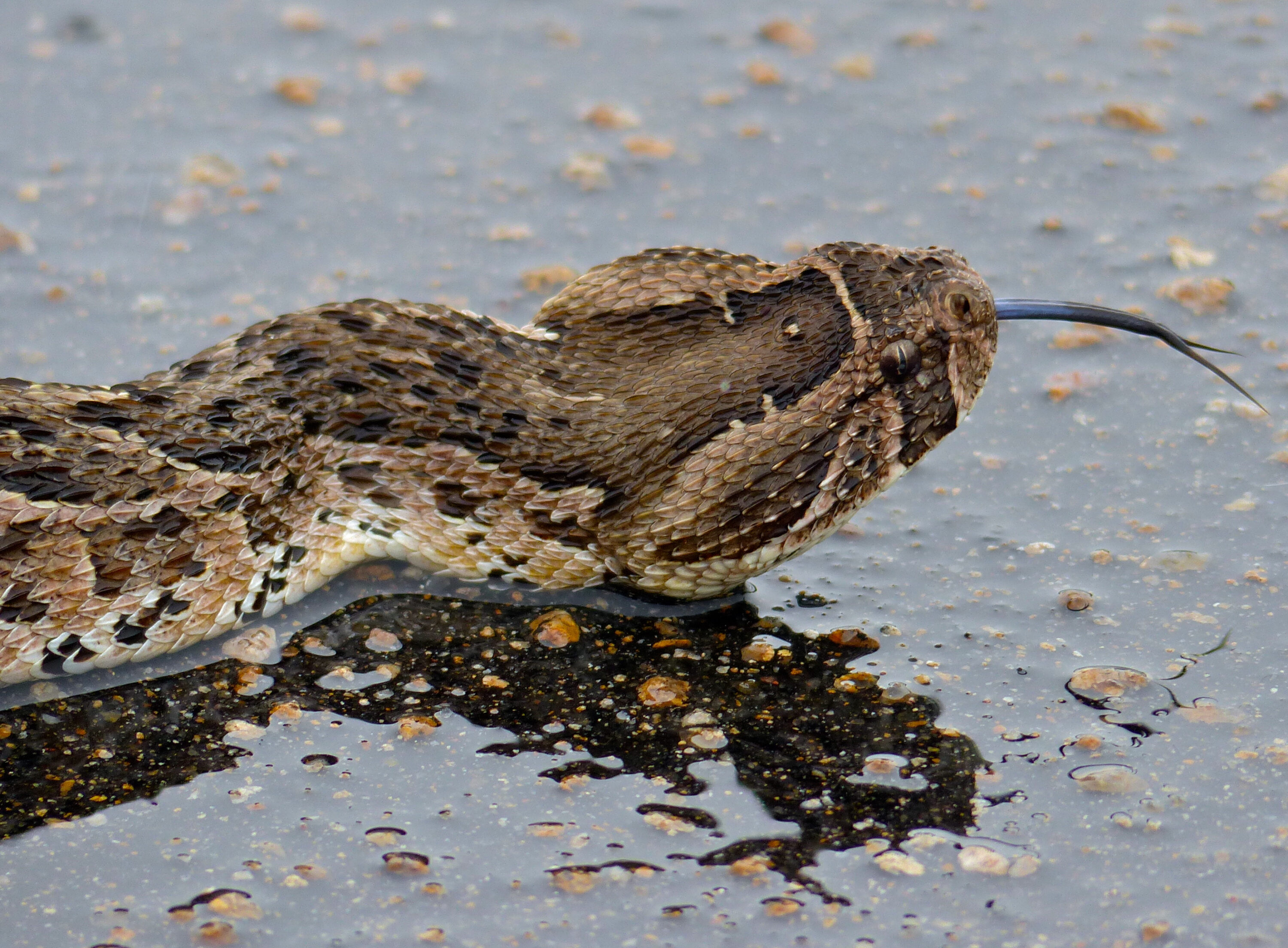
Barietin From Puff Adder Venom Raised Heart Rate by About 30% in Rats
Purified barietin from puff adder venom increased heart rate by about 30% in rats while changing blood pressure…
Read story →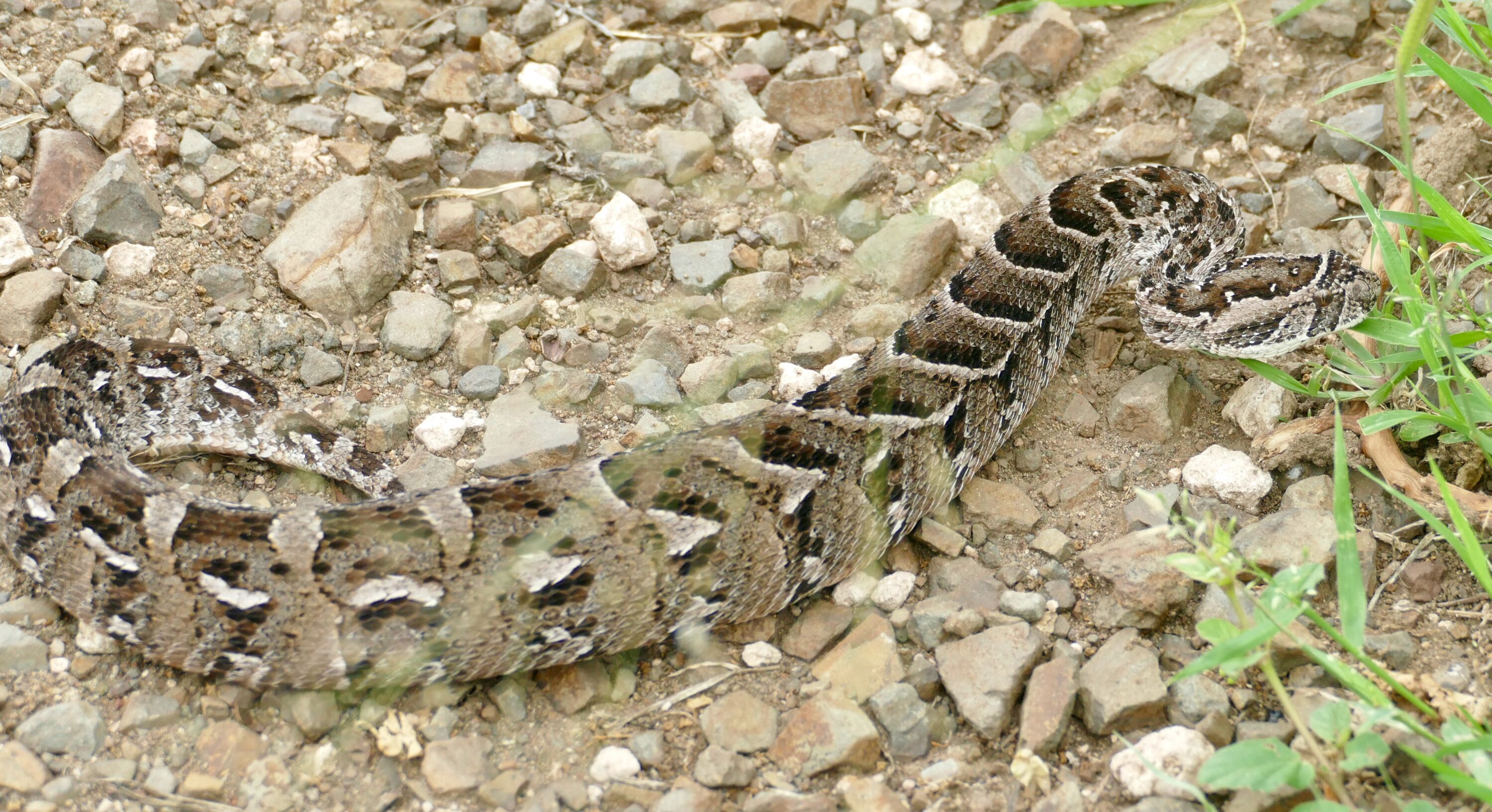
Injuries Were More Extensive After Zebra Spitting Cobra Bites Than Puff Adder Bites in Namibia
Among 20 hospitalized snakebite patients in Namibia, tissue necrosis occurred in 11 of 12 zebra spitting cobra cases…
Read story →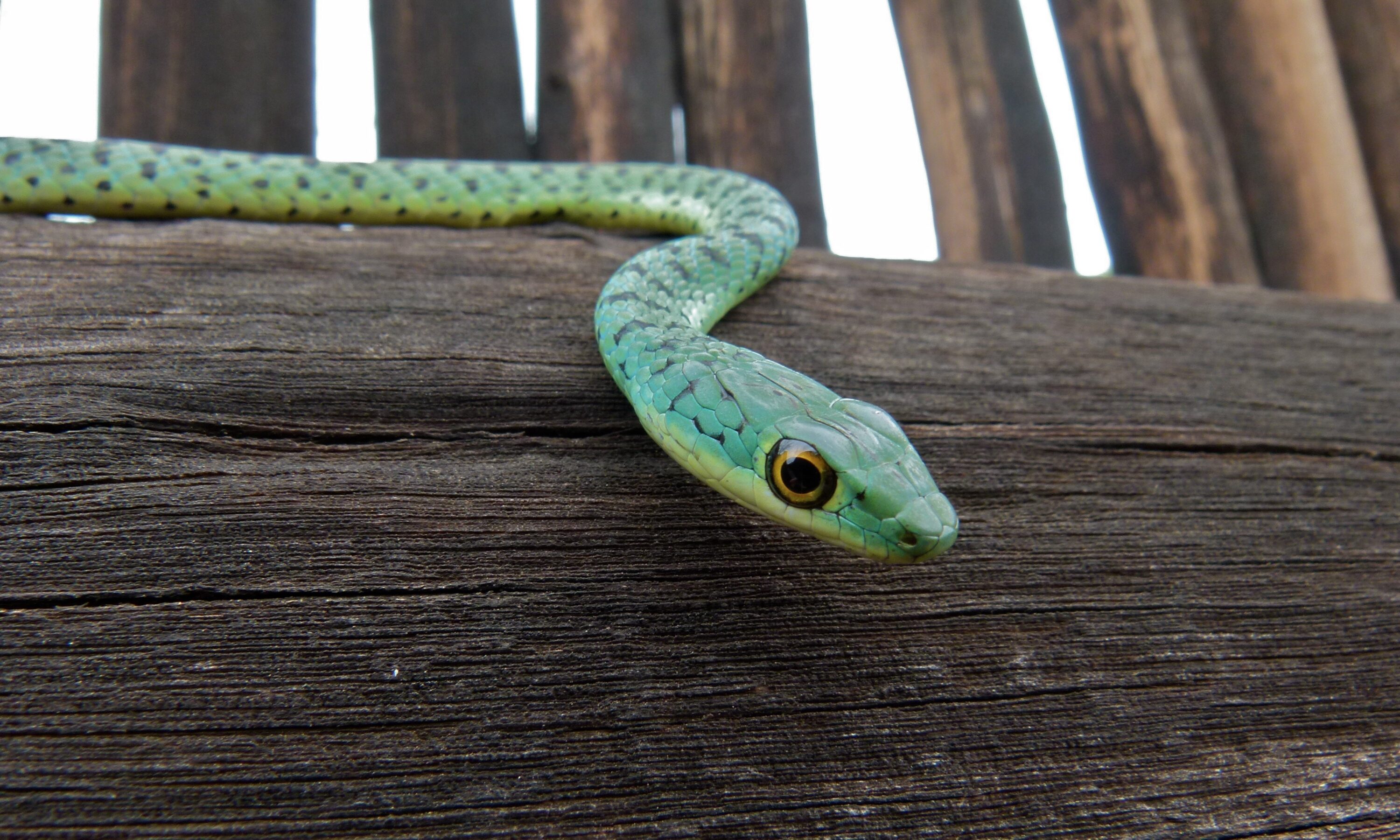
Patchier, More Diverse Landscapes Were Linked to More Reported Snake–Human Encounters in Eswatini
Using 2,216 public snake-rescue records from Eswatini, the study found that reported encounter likelihood increased with patch density…
Read story →SPECIES IN THIS STORY
Species in this story
Independent research and conservation news archive
Did you find this information useful?
Wildlife Vagabond is independently built and maintained. Voluntary support helps cover source verification, hosting and continued work on research and conservation news.
Support Wildlife VagabondThe news archive will remain freely available.