
Qinghai Surveys Recorded About 1,580 Rhesus Macaques, 43.8% More Than in 1986
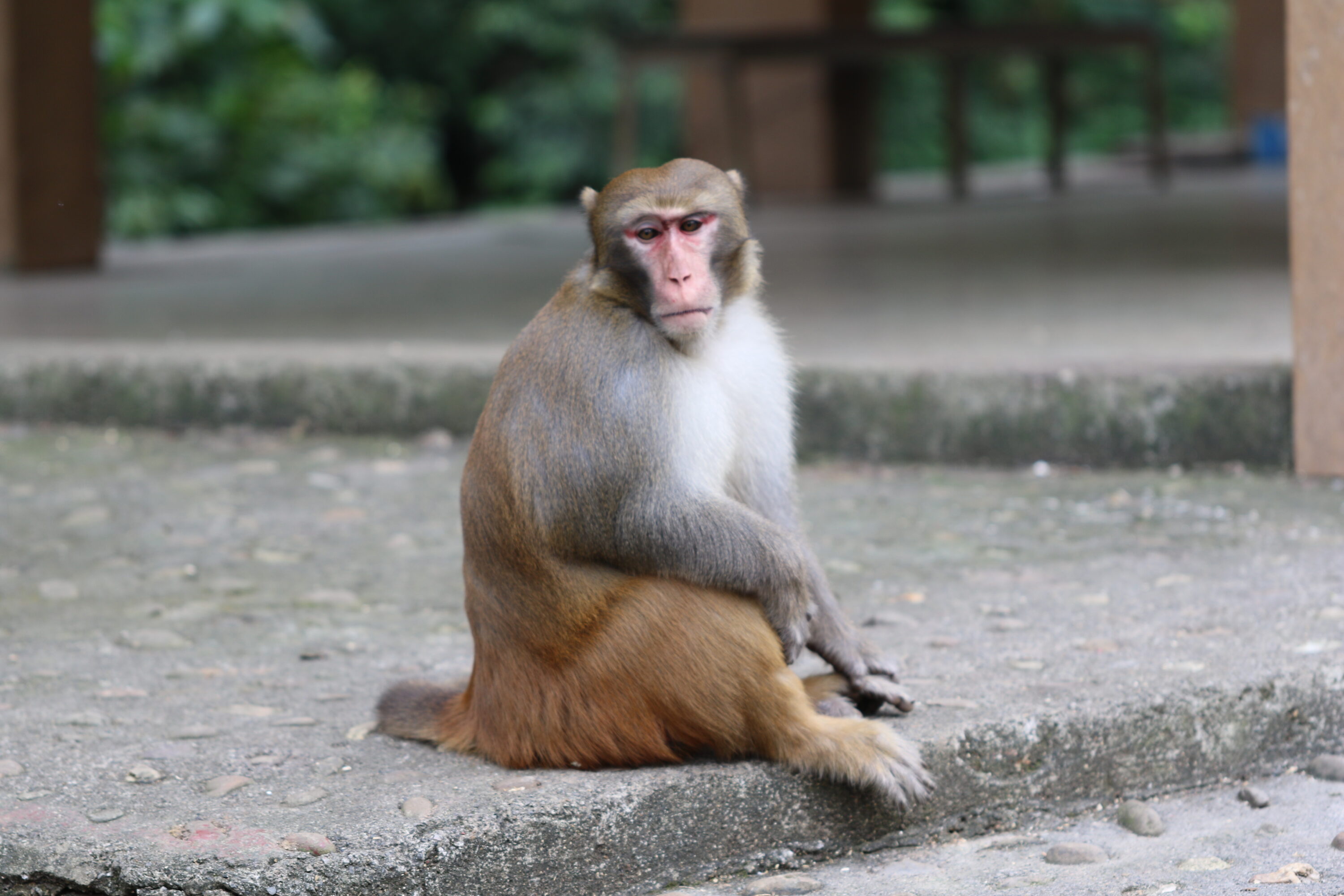
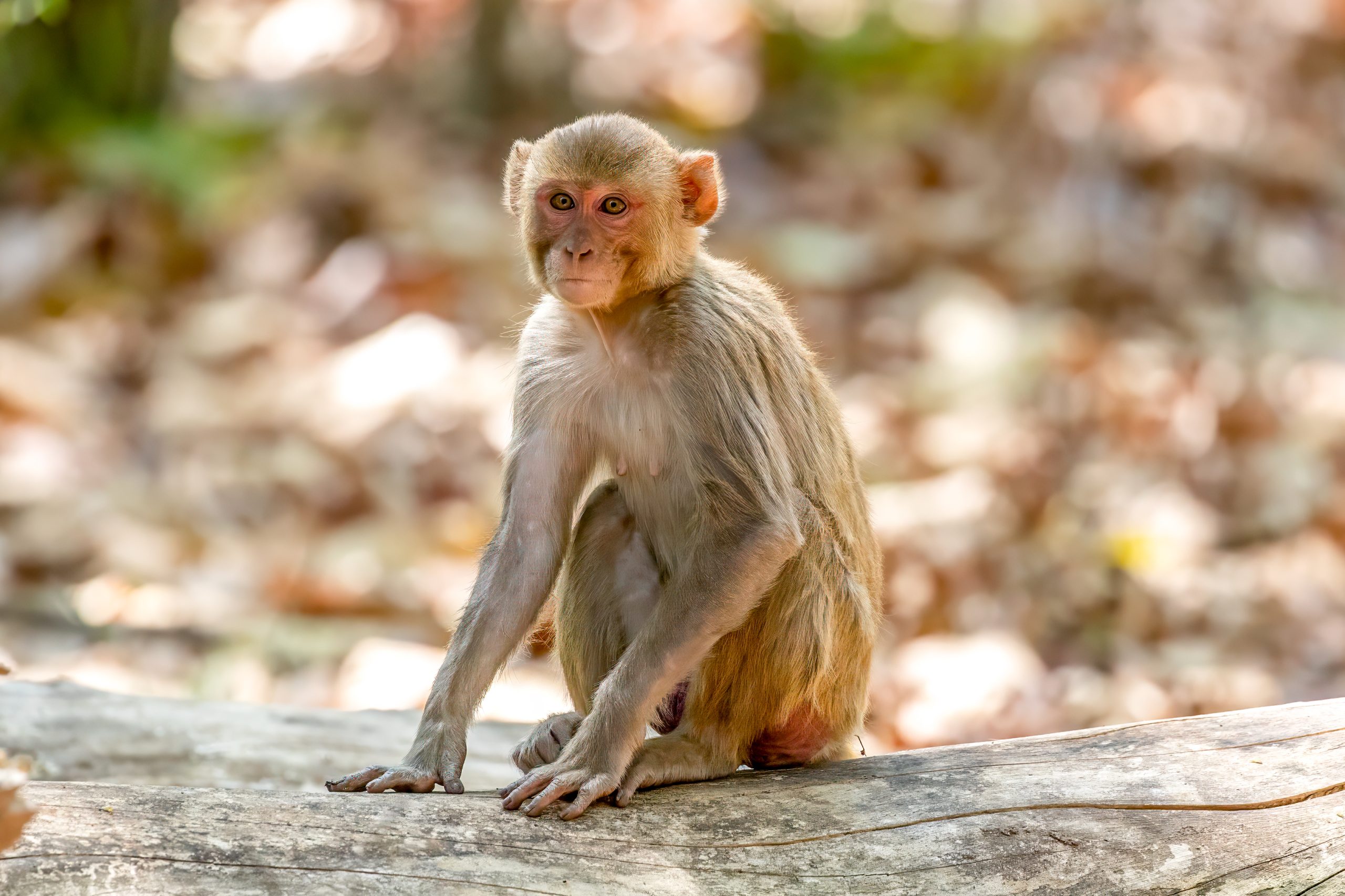
Repeated winter surveys in historical rhesus macaque (Macaca mulatta) areas of Qinghai, China, recorded 24 groups containing about 1,580 animals in 2021–2022. The authors report 43.8% more individuals than in the provincial survey from about 40 years earlier. The study also used mitochondrial DNA and camera traps to update the macaques’ subspecies affiliation, distribution and habitat use.
A transect is a predefined line or route used to survey an area systematically, with observations, signs or sampling points recorded along it.
Mitochondrial DNA supported two subspecies
Researchers analysed one muscle sample from Baizha in Yushu and six faecal samples from Makehe in Guoluo using mitochondrial 16S rRNA and cytochrome-b sequences. The Yushu sample grouped with the Tibetan rhesus macaque Macaca mulatta vestita, while all six Guoluo samples grouped with M. m. lasiotus.
Because both markers are mitochondrial, they primarily trace maternal ancestry rather than ancestry inherited through both parents in nuclear DNA. The authors use the results to support M. m. vestita in Yushu and M. m. lasiotus in Guoluo.
Camera traps mapped suitable habitat
Camera monitoring from January 2021 to May 2023 produced 91 macaque occurrence sites and 838 independent events. Habitat models estimated about 137–385 km² of suitable habitat in Baizha and 207–750 km² in Makehe. Elevation was the strongest environmental variable in both areas, and the broader pattern associated macaques with lower elevations, sloping terrain, sites closer to rivers, sunny forest and farmland.
These are modelled habitat associations based on camera detections, not direct measurements of food availability or habitat quality.
Transects and cameras gave complementary population measures
The roughly 1,580 animals were recorded during repeated winter transects in historical macaque areas of Yushu and Guoluo. The camera data also produced separate modelled estimates of 73–205 macaques in Baizha and 413–1,497 in Makehe.
The two approaches measure population status differently and cover different spatial units, so the modelled ranges should not simply be added to the transect total. Together the results provide an updated baseline for the distribution and abundance of wild rhesus macaques in the southern forest areas of Yushu and Guoluo.
Population & status
Related news
Female Rhesus Macaques That Watched Unfamiliar Female Faces Longer Were More Likely to Have Offspring the Following Year
At a semi-free-ranging population in Puerto Rico, females that spent longer looking at an unfamiliar female’s neutral face…
Read story →
Human Activity and Large Wildlife Overlapped Most in Chitwan’s Buffer Zone
Camera traps across Chitwan National Park and surrounding forests showed the greatest overlap of human activity with large…
Read story →
Aging rhesus macaques show broader protein changes in blood than in brain fluid
A study of 66 rhesus macaques found age-related differences in many more measured proteins in plasma than in…
Read story →SPECIES IN THIS STORY
Species in this story
Independent research and conservation news archive
Did you find this information useful?
Wildlife Vagabond is independently built and maintained. Voluntary support helps cover source verification, hosting and continued work on research and conservation news.
Support Wildlife VagabondThe news archive will remain freely available.