
GPS Data Show Strong Wind-Turbine Avoidance in Red Kites
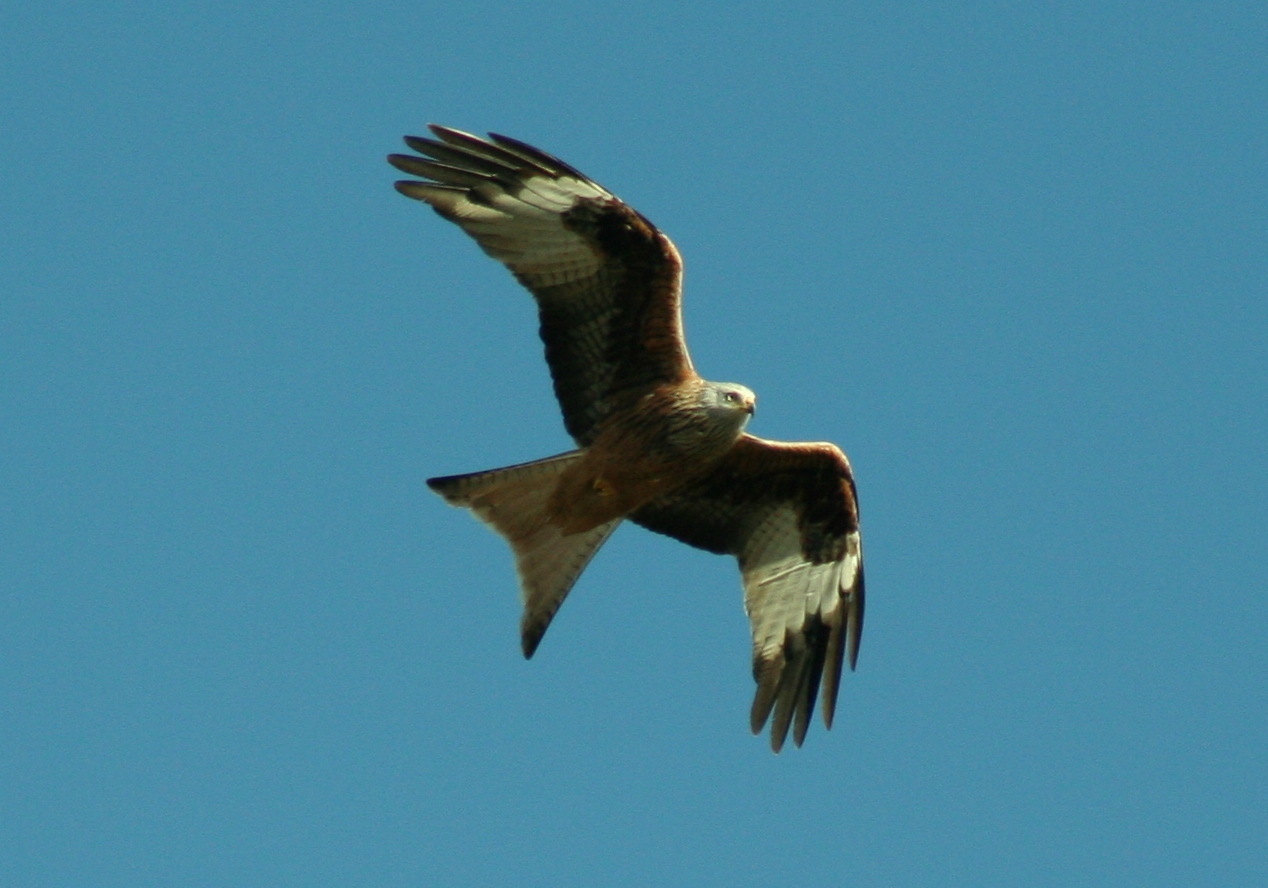
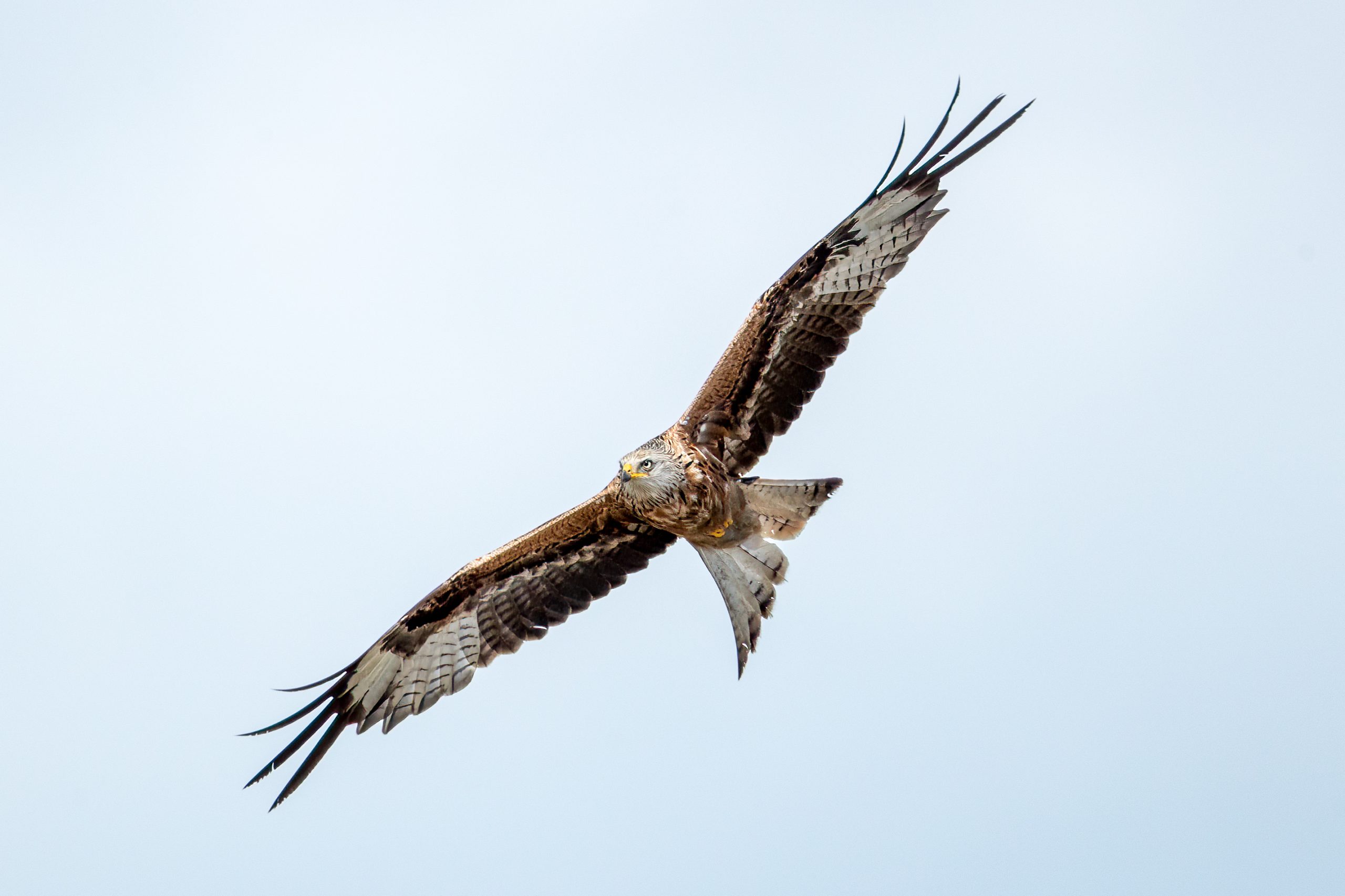
High-resolution tracking of red kites (Milvus milvus) around wind turbines suggests that the birds avoid turbine structures very strongly, but also that this behaviour changes with weather and previous experience. The study provides rare empirical estimates of avoidance at two stages. Meso-avoidance describes a bird changing its route early enough to steer around the turbine as a whole. Micro-avoidance describes the later course adjustment made by a bird that still approaches the turbine but avoids entering the volume swept by the rotor blades.
The researchers drew on GPS data from 2,943 tagged red kites in Austria and Germany. A high-frequency subset of 353 birds produced more than five million locations within one kilometre of wind turbines and 81,310 identifiable flight events. These movement data were matched with turbine operation and weather information. Because the rotor-risk zone is only a few metres deep, ordinary GPS error can make a bird appear just inside or outside that boundary. The researchers therefore simulated this location error and used the result to correct the micro-avoidance estimate.
Estimated overall avoidance was around 98%
After correcting for GPS uncertainty, the researchers estimated micro-avoidance at about 80% and meso-avoidance at roughly 90%. Treating the two stages as sequential and independent gives an overall avoidance probability of around 98%: if about 90% of approaches are already diverted around the turbine, then about 80% of the remaining approaches are diverted before entering the rotor-swept volume. The 98% figure therefore describes combined avoidance of the rotor area; it is not a directly observed collision rate or proof that the remaining 2% would collide with a blade.
Avoidance varied with weather and turbine experience
The avoidance was not fixed. Greater cloud cover was associated with stronger avoidance at both scales, while higher wind speed was linked specifically to stronger micro-avoidance close to the rotor area. The authors interpret these patterns as more cautious flight when visibility or precise manoeuvring becomes harder. The micro-avoidance wind data covered only moderate winds up to about 8 m/s (roughly 29 km/h), so the wind result should not be extended to stronger conditions. Birds with more previous exposure to turbines showed lower meso-avoidance. By contrast, turbine-specific features such as tower height and rotor diameter had no significant effect. The researchers cannot yet tell whether the experience effect reflects habituation that could increase risk or improved spatial familiarity that allows experienced birds to navigate closer to turbines safely.
The authors stress that the approximately 98% value is a telemetry-based estimate of avoidance of the rotor-swept volume. Their GPS data cannot resolve instantaneous reactions to individual moving blades, so very fine-scale last-second avoidance remains outside the study. They also caution against treating avoidance as a fixed species-wide constant because it varied with weather and previous turbine exposure.
The researchers conclude that collision-risk assessments can be improved by incorporating this context dependence. Their results support high avoidance values for red kites while showing that environmental conditions and turbine experience can change how closely birds approach turbines.
Behaviour
Related news
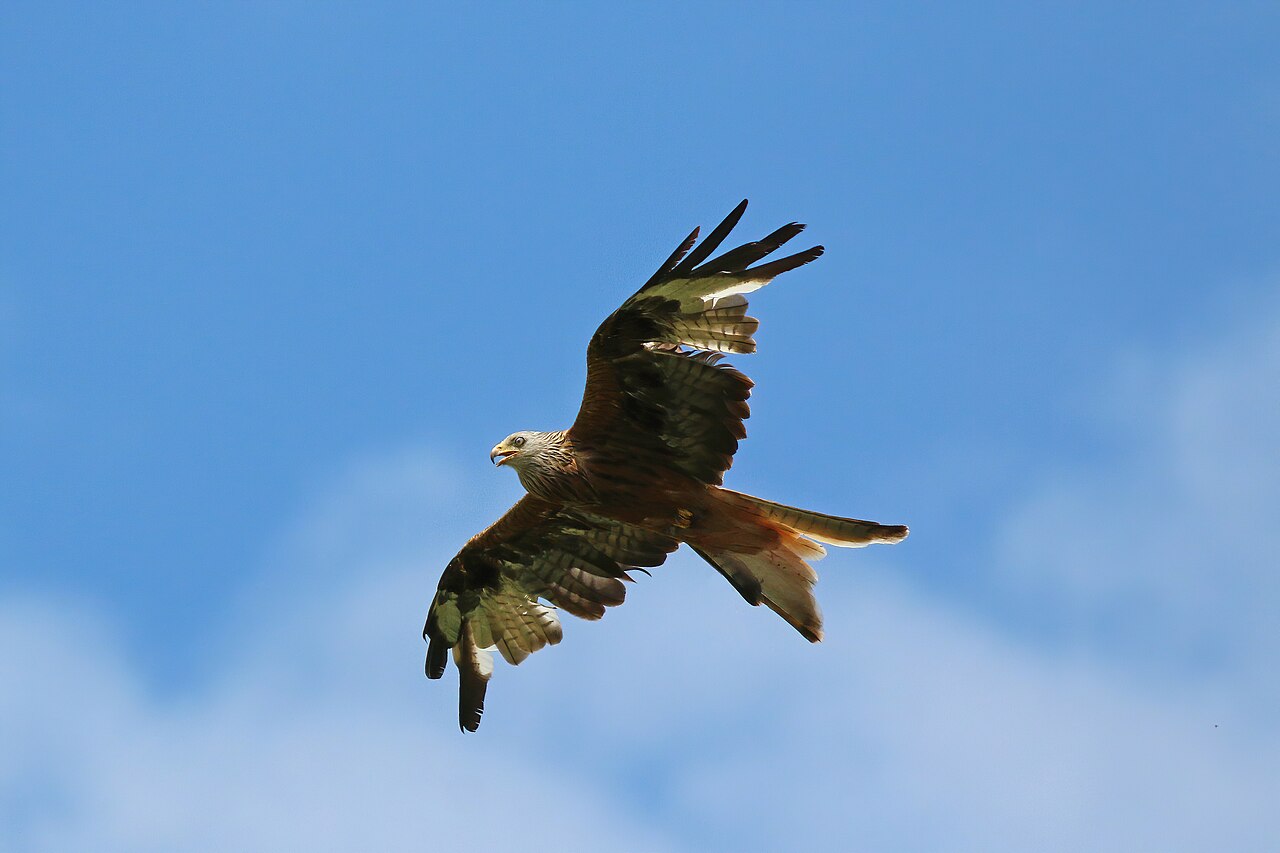
Red Kites Return to Jaén as Dangerous Power Poles Are Made Safer
Red kites are breeding again in Jaén, southern Spain, following a reintroduction programme. Twenty-one released birds used the…
Read story →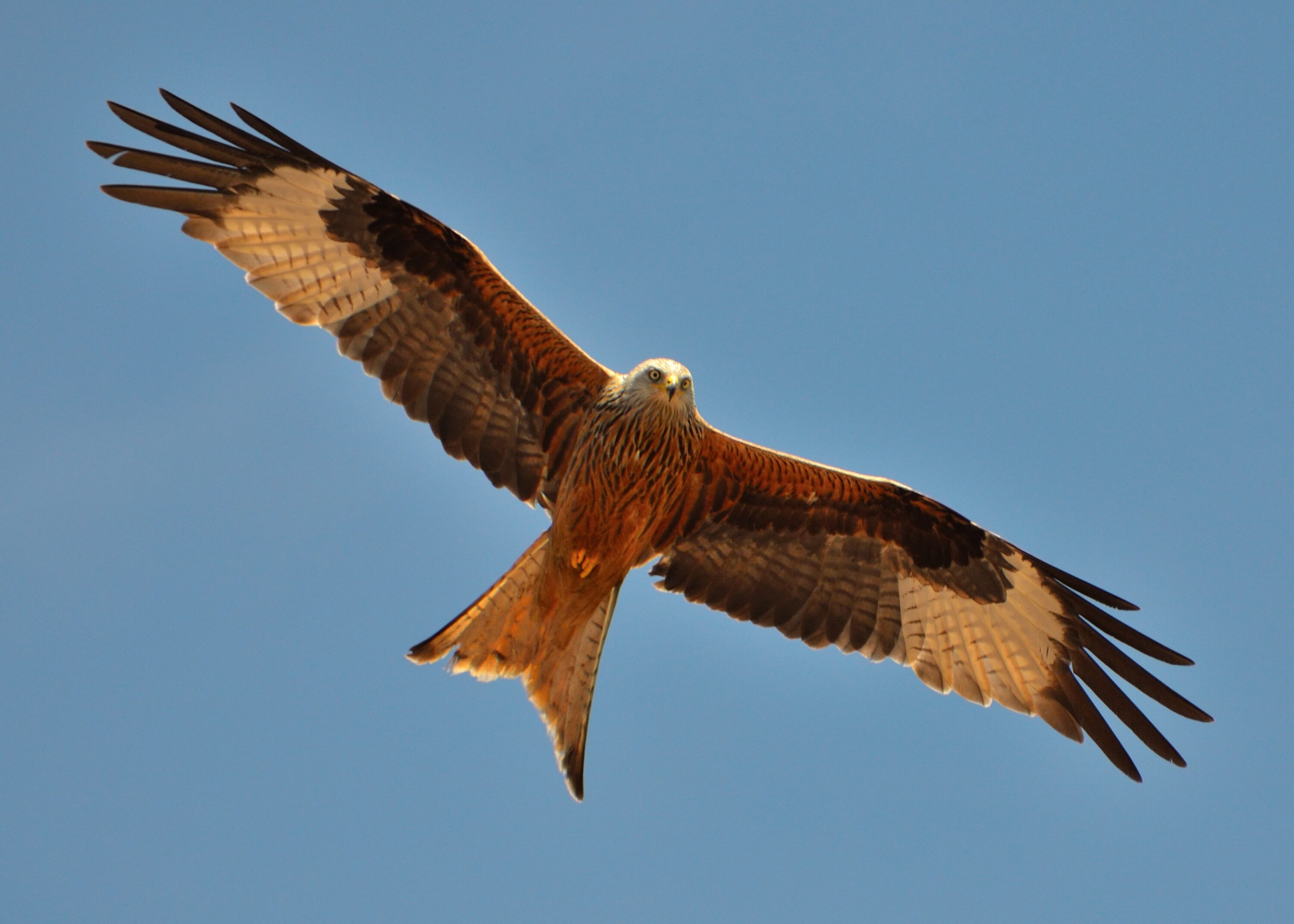
Thirteen Young Red Kites Were Released in Aspromonte in the Fourth Reintroduction Year
Thirteen young red kites from wild donor populations in Switzerland and Corsica, plus one captive-bred bird, were released…
Read story →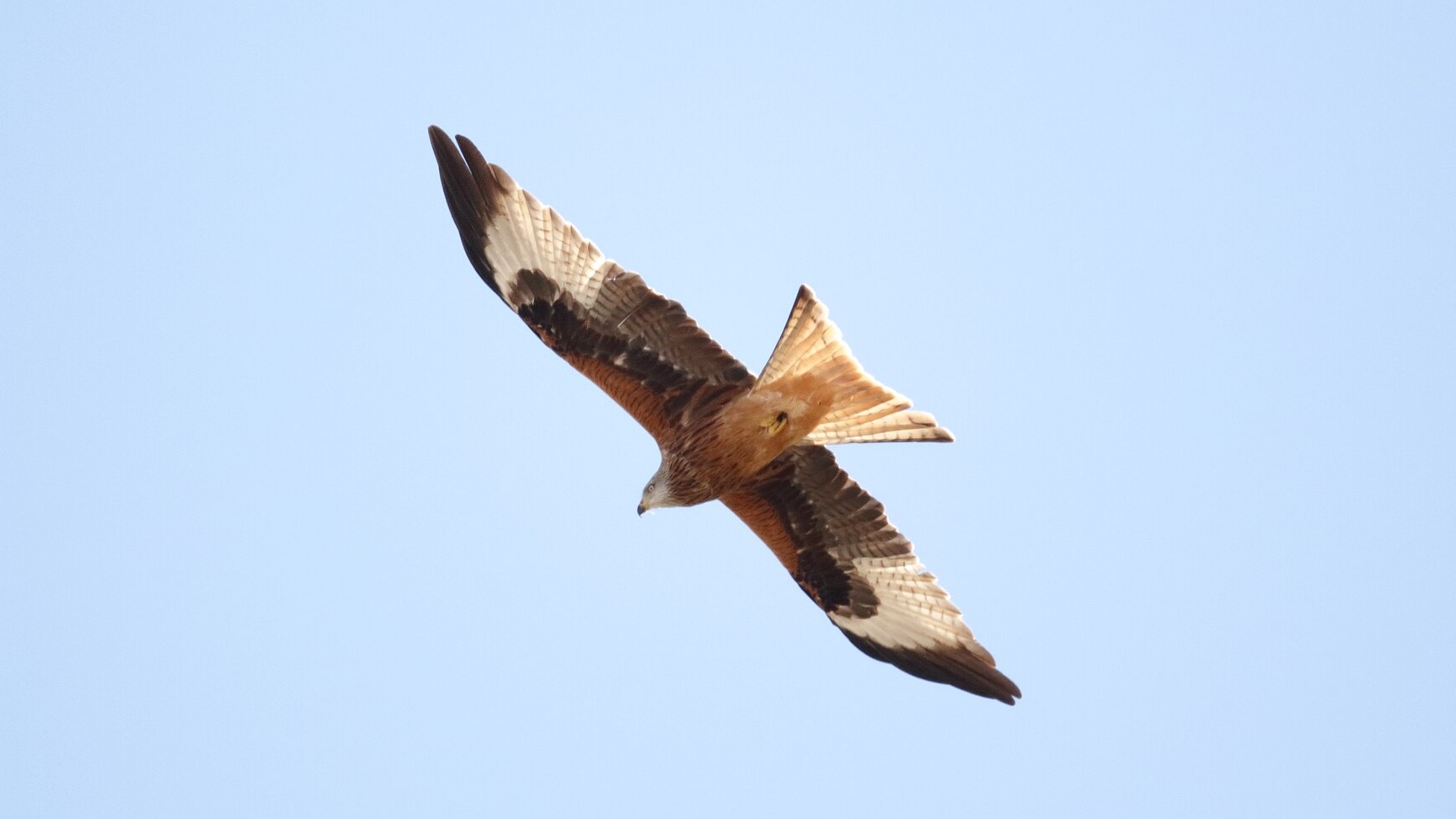
DDE Was Detected in All 60 Spanish Birds; Red Kites Had the Highest Medians for Most Pollutants
Liver analyses of 20 white storks, 20 red kites and 20 griffon vultures from Extremadura detected an average…
Read story →SPECIES IN THIS STORY
Species in this story
Independent research and conservation news archive
Did you find this information useful?
Wildlife Vagabond is independently built and maintained. Voluntary support helps cover source verification, hosting and continued work on research and conservation news.
Support Wildlife VagabondThe news archive will remain freely available.