
Common Redshank Food Intake Rate Fell as Nephtys Worms Became More Abundant
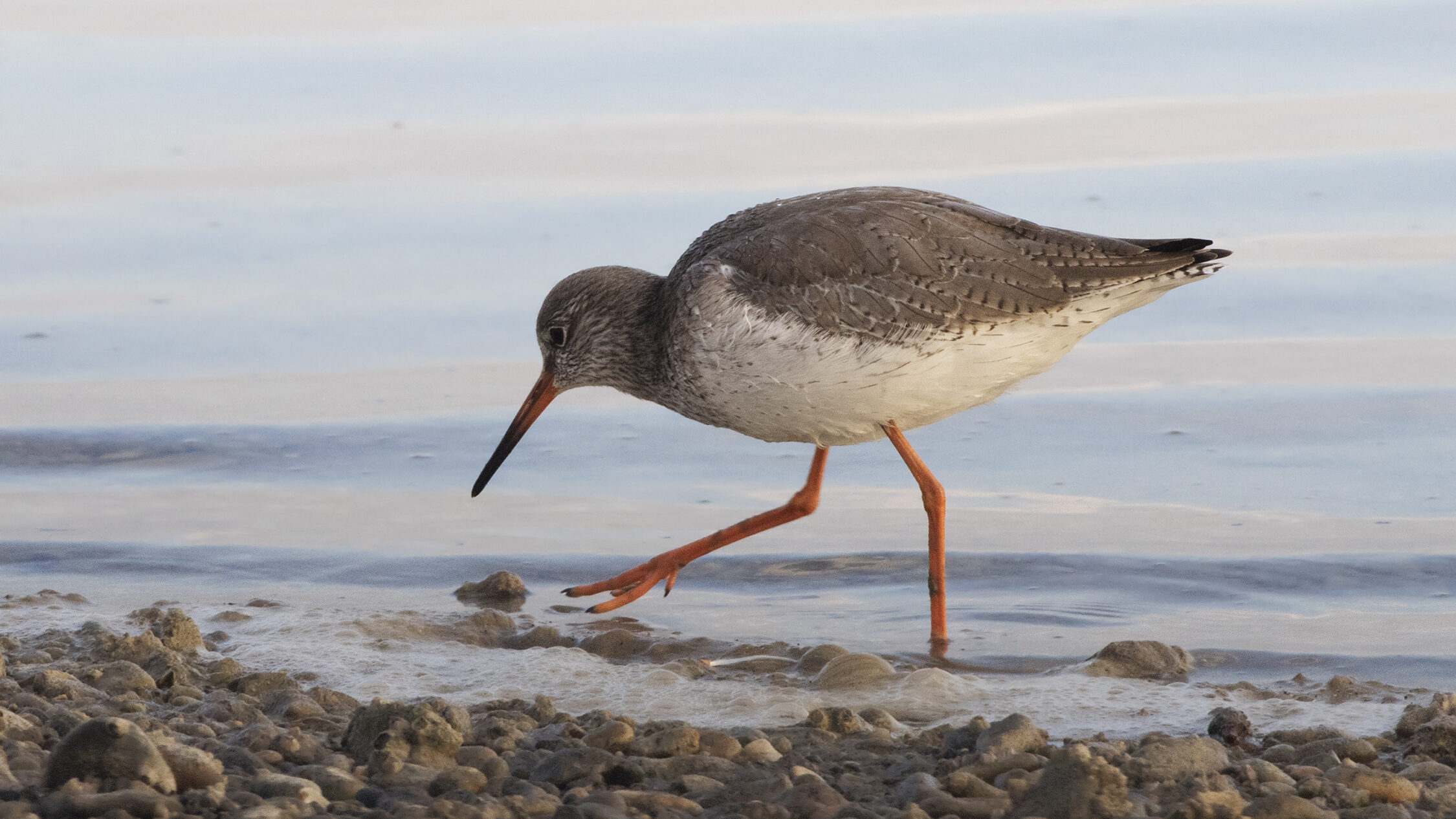
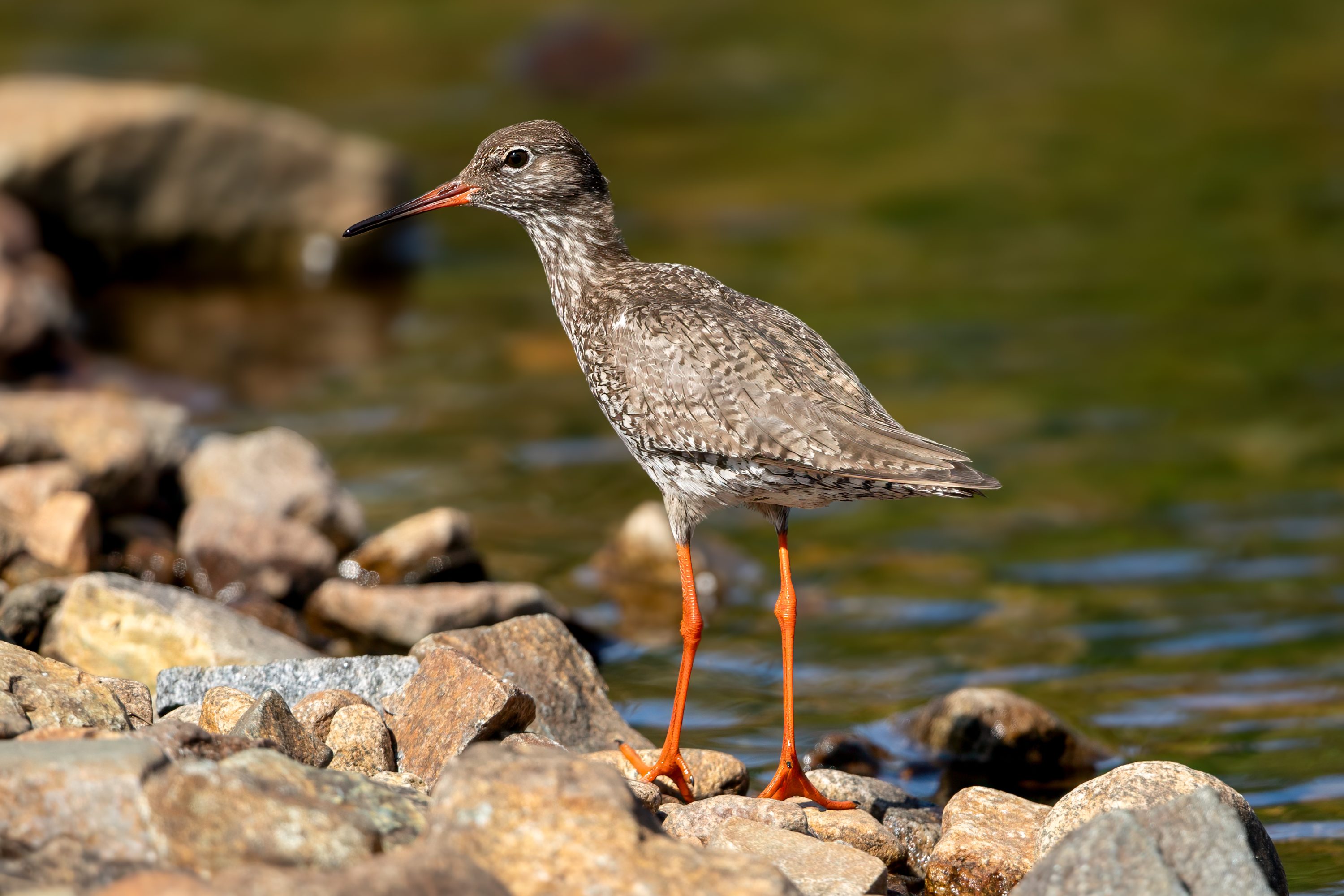
Common redshank (Tringa totanus) food intake rate fell as the polychaete worm Nephtys hombergii became more abundant, according to a 2026 re-analysis of classic field observations from 16 estuarine mudflats in southern England and South Wales. The data were collected during the winters of 1969–70, 1970–71 and 1971–72 and originally formed the basis of a 1977 model asking whether redshanks selected prey sizes that maximised how much food they obtained per unit of foraging time.
The new analysis accounted for season, tidal stage, ambient temperature and the birds’ social behaviour. Several relationships changed, and one central assumption of the original model was not supported: the two worms Hediste diversicolor and Nephtys hombergii could not be treated as a single combined food supply. The authors also note that Hediste is a well-established redshank prey, whereas there is little direct evidence that redshanks regularly eat Nephtys.
The two worms had opposite relationships with food intake
With Hediste, intake rate increased as worm density increased. With Nephtys, the relationship ran in the opposite direction: intake rate decreased as more Nephtys were present. Nephtys is itself a predator of Hediste, so the abundance of one worm may influence how available the other is to feeding redshanks.
A deeper-burrow explanation remains untested
The authors hypothesise that Hediste may avoid predatory Nephtys by moving deeper into their burrows. Below about 5 cm they would be beyond the reach of a redshank’s roughly 4 cm bill. This mechanism was not tested directly, and the researchers also could not rule out unknown sediment differences that might both favour Nephtys and make Hediste less accessible. The re-analysis therefore changes the biological interpretation of a classic foraging dataset without showing exactly which mechanism caused the pattern.
Ecology
Related news
Bangladesh-Wintering Redshanks Used a Narrower Himalayan Corridor Than Singapore Birds
Nine Common Redshanks tracked from southern Bangladesh used a much narrower trans-Himalayan migration corridor than previously tracked Singapore-wintering…
Read story →
Latitude Shaped Redshank Arrival While Breeding Outcome Shaped Departure Across Europe
GPS tracking of 85 adult common redshanks across European breeding landscapes found spring arrival about two days later…
Read story →
Coastal Stopover Dependence Best Predicted Which Shorebirds Declined in Bangladesh Counts
Fourteen years of counts on Sonadia Island found downward trends in 12 of 20 migratory shorebirds. Seven of…
Read story →SPECIES IN THIS STORY
Species in this story
Independent research and conservation news archive
Did you find this information useful?
Wildlife Vagabond is independently built and maintained. Voluntary support helps cover source verification, hosting and continued work on research and conservation news.
Support Wildlife VagabondThe news archive will remain freely available.