
Reintroduced Gaur Explored for 90–200 Days Before Settling in Sanjay Tiger Reserve
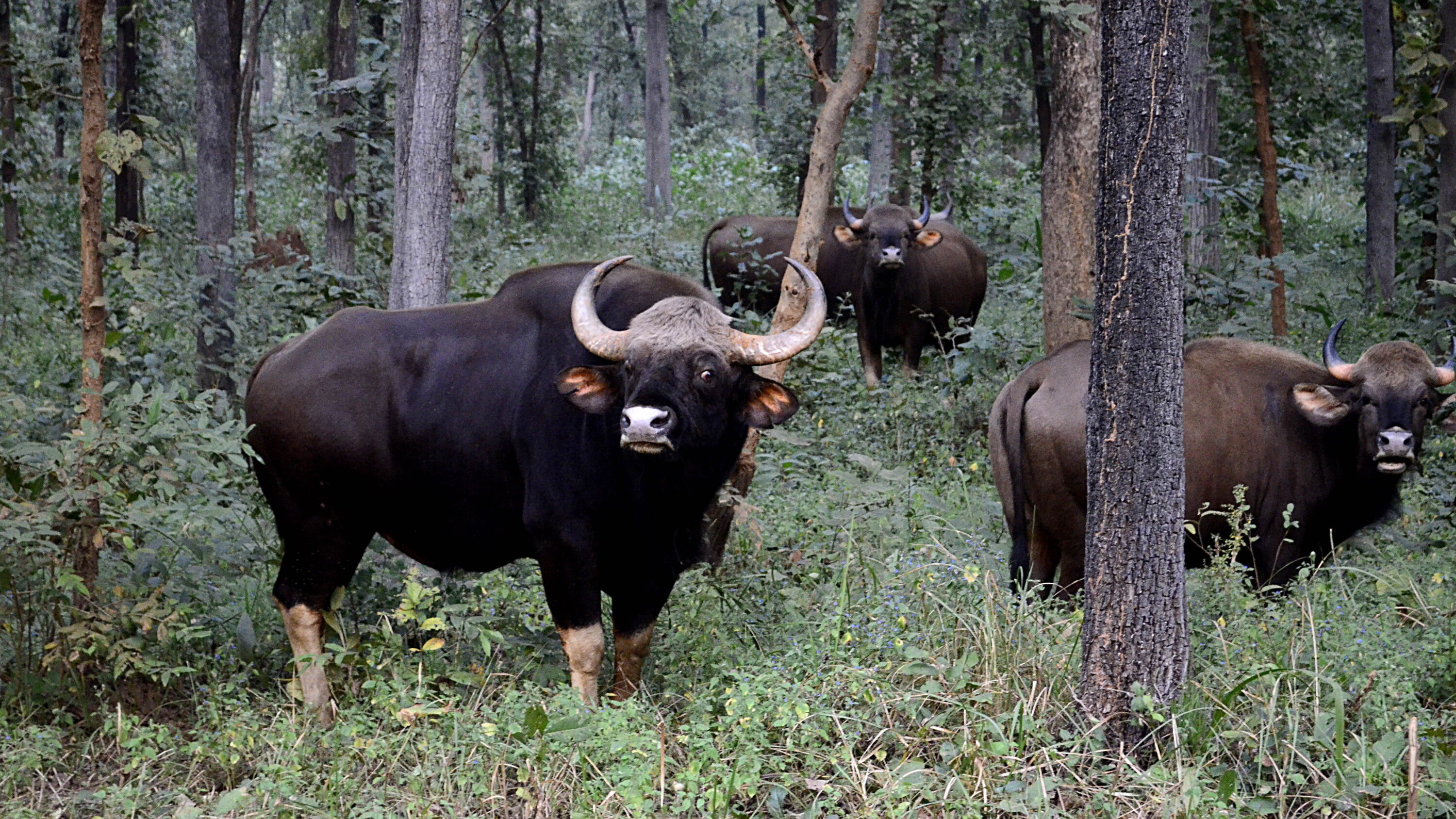
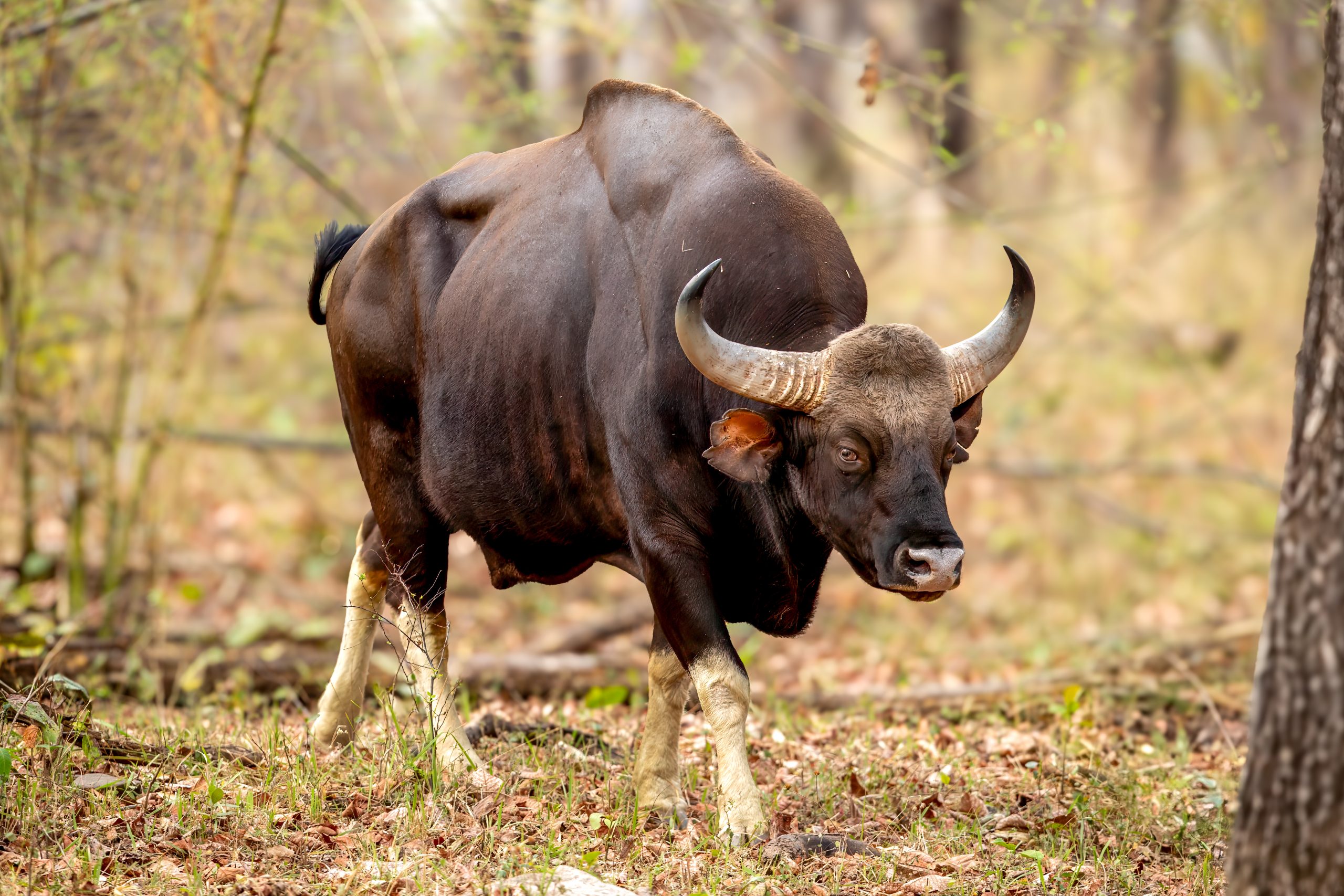
Reintroduced gaur (Bos gaurus gaurus) in Sanjay Tiger Reserve in central India spent between 90 and 200 days exploring the landscape before their space use stabilised. A preprint posted on 17 March 2026 analysed telemetry data from seven animals to separate this exploratory period from the later post-settlement phase.
The monitored gaur used large and highly variable areas during exploration, ranging from 33 to 440 km². All seven subsequently showed more stable space use and strong site fidelity. They were part of a reintroduction in which 50 gaur — 38 females and 12 males — were moved from Kanha (34 animals) and Satpura (16) tiger reserves in three batches during June 2023 and April 2024. Before release into open forest, the animals spent an average of 35 days (range 23–52) in a 30-hectare soft-release enclosure, allowing them to acclimatise locally before full release. Fourteen animals received telemetry collars, but the analysis used the seven — five females and two males — with at least one year of post-release data.
Habitat selection changed after settlement
Habitat selection also changed between the two phases. While exploring, the gaur used the landscape broadly but selected forested areas and higher elevations and strongly avoided human settlements and agricultural land. After settlement, selection became more concentrated on dense and moderately dense forest, rugged terrain and areas closer to rivers, while avoidance of human-modified areas remained consistent.
The authors interpret the prolonged exploratory phase as adaptive landscape learning rather than a sign that the animals had failed to settle. Using the study’s home-range estimates, five of the seven animals had smaller ranges after settlement, while two had larger ones; the changes did not follow a consistent direction. Settlement was therefore expressed most consistently as stabilised space use and strong site fidelity rather than as a uniform contraction of home-range size. The authors argue that combining early exploration with later space use can inflate estimates of spatial requirements and obscure the habitat preferences that emerge after establishment.
Reintroductions & translocations
Related news
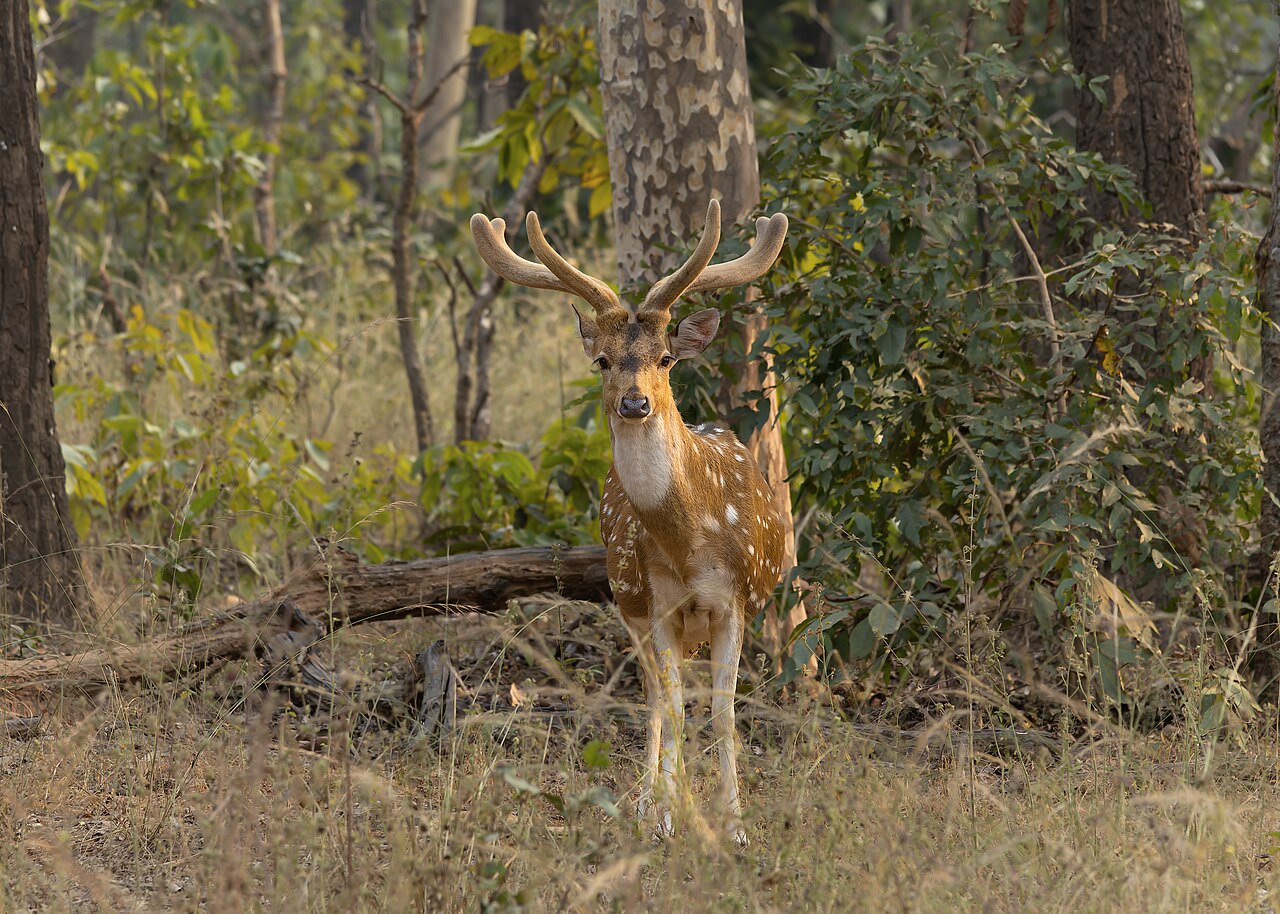
How Deer and Gaur Share Kanha’s Food Supply
In India’s Kanha National Park, Sambar and Gaur ate much the same food in winter but found it…
Read story →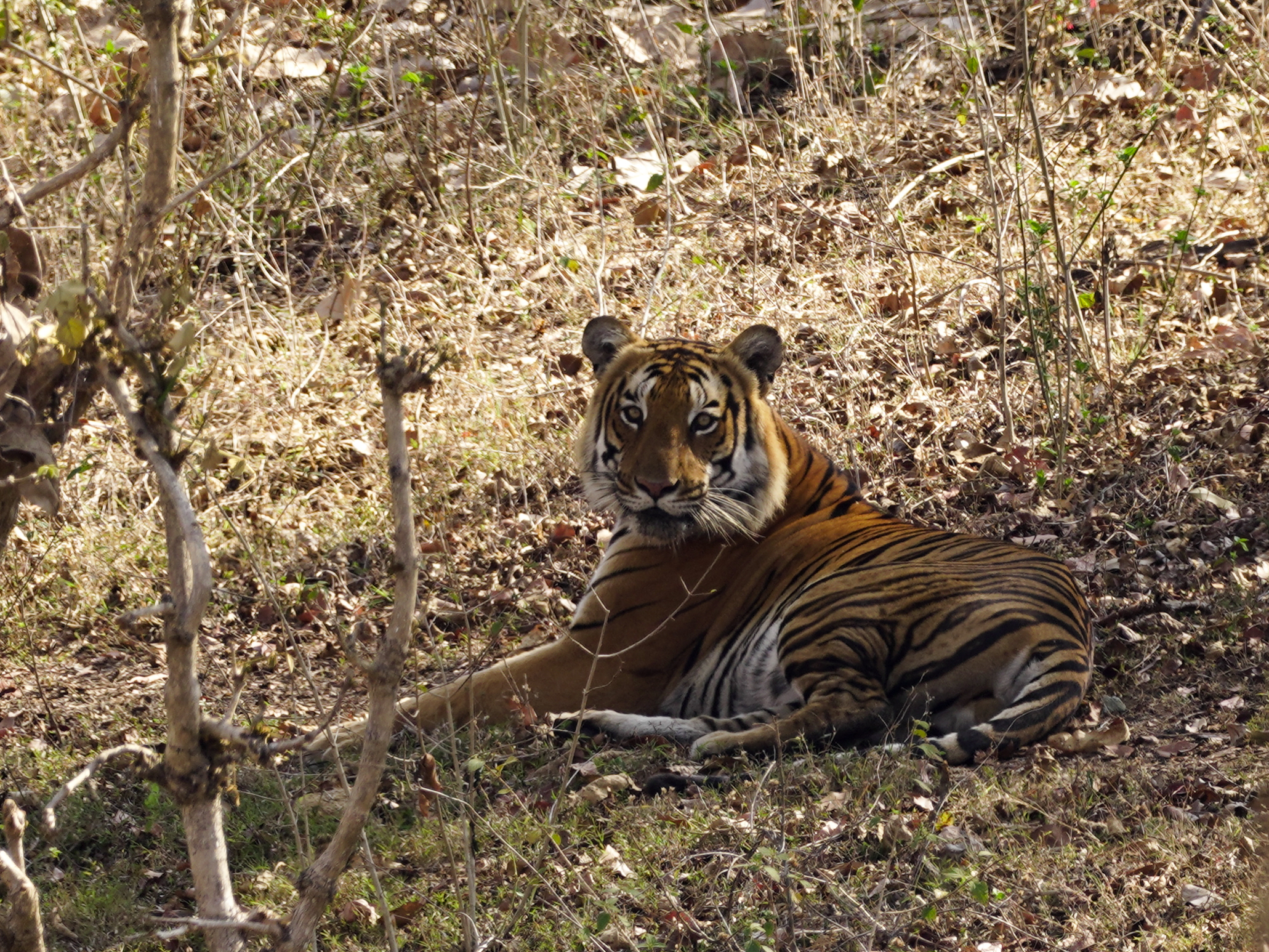
Key Movement Bottlenecks for Five Large Mammals Lay Outside Protected Areas in Tamil Nadu
A 2026 study of tiger, leopard, dhole, Asian elephant and gaur identified modelled movement bottlenecks outside protected areas,…
Read story →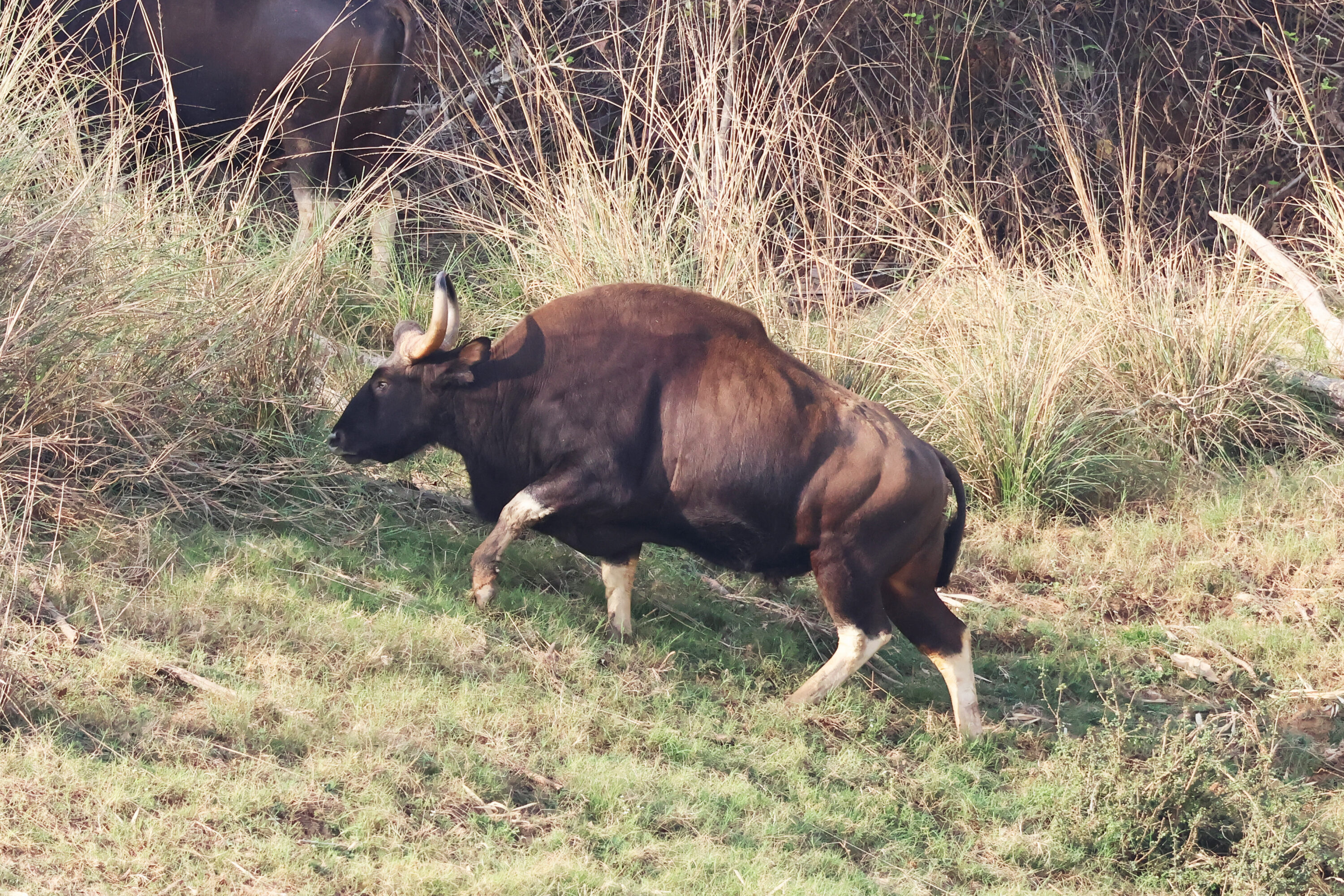
Fear of Harm to People Was Linked to Lower Support for Proposed Gaur Reintroduction
A survey of 109 households in 22 villages around Nagarjunasagar-Srisailam Tiger Reserve found that fear of gaur harming…
Read story →SPECIES IN THIS STORY
Species in this story
Independent research and conservation news archive
Did you find this information useful?
Wildlife Vagabond is independently built and maintained. Voluntary support helps cover source verification, hosting and continued work on research and conservation news.
Support Wildlife VagabondThe news archive will remain freely available.