
Fear of Harm to People Was Linked to Lower Support for Proposed Gaur Reintroduction
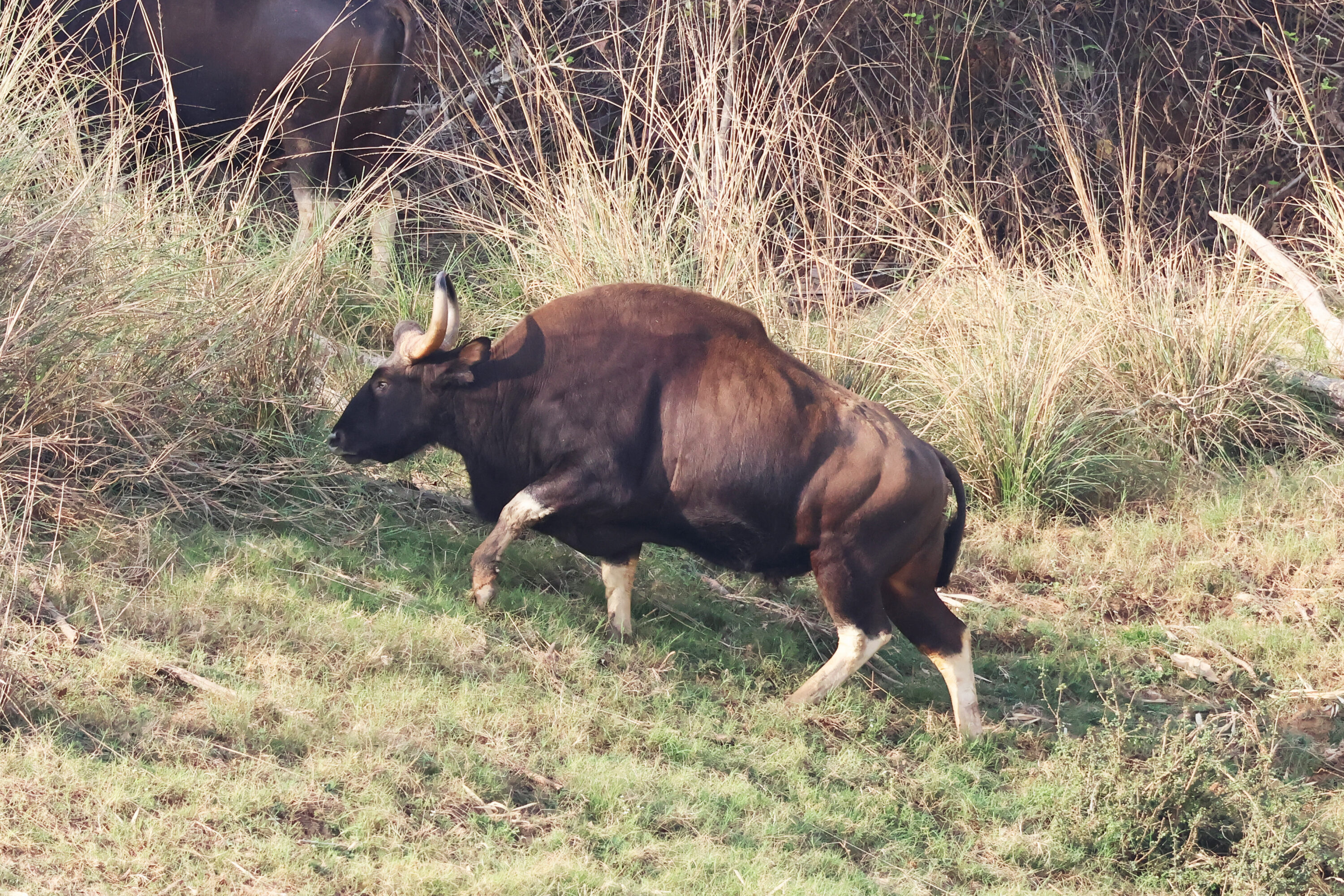
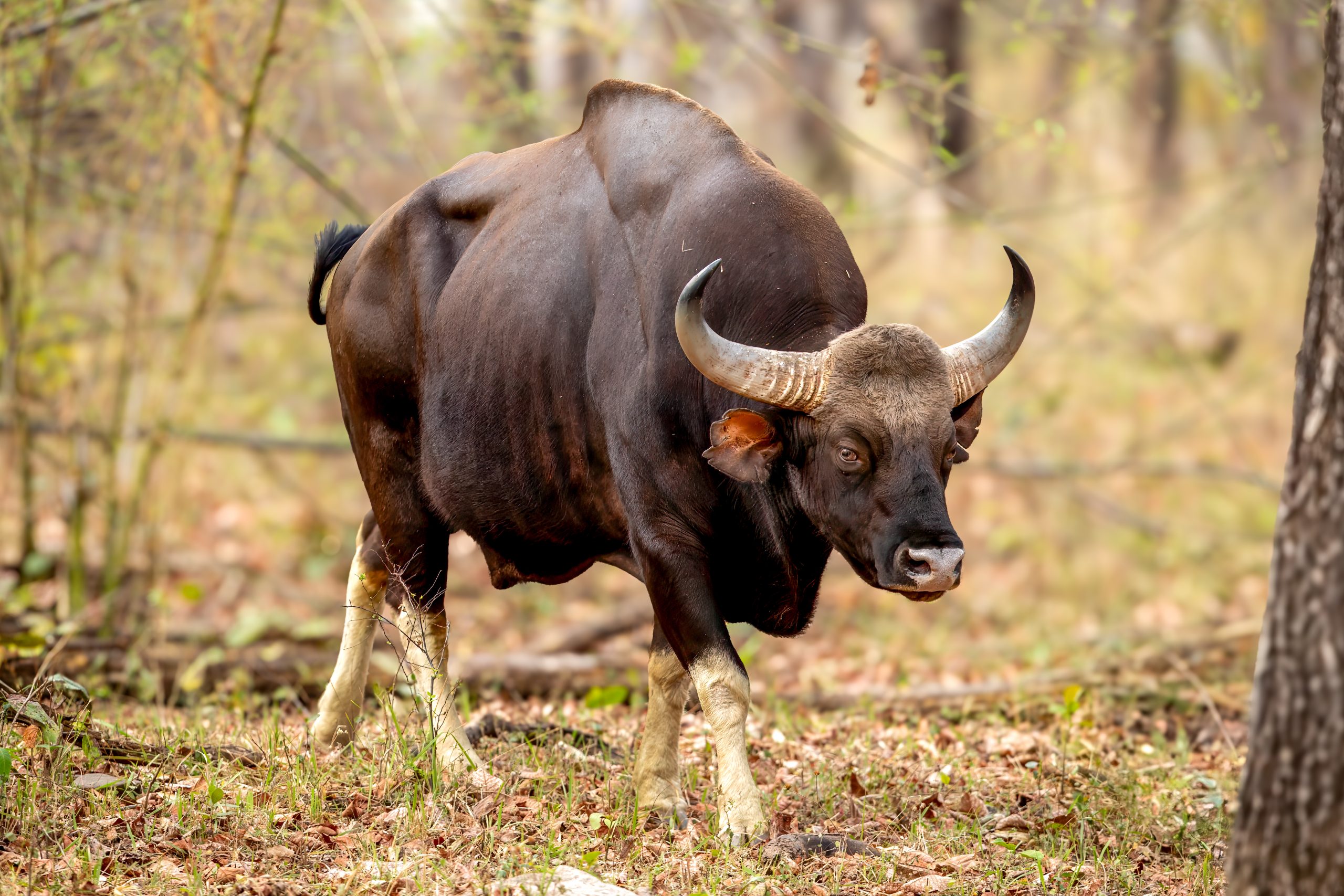
A social-feasibility study in Nagarjunasagar-Srisailam Tiger Reserve (NSTR), Andhra Pradesh, India, found that fear of gaur (Bos gaurus gaurus) harming people was strongly associated with lower support for a planned reintroduction. The study formed part of the Gaur Reintroduction Plan for NSTR and examined whether local attitudes could affect the feasibility of returning the large herbivore to the reserve.
Researchers conducted semi-structured interviews with 109 people, each representing a different household, across 22 villages in the reserve’s core and buffer zones. The survey covered livelihoods, forest-resource use, previous wildlife-related losses, knowledge of gaur, perceived risks and attitudes toward reintroduction.
Many households still depended on forest resources
The respondents came from rural, forest-dependent communities. Around 65% reported using forest resources such as timber, bamboo or non-timber forest products. About 21.7% reported losses linked to wildlife, most commonly involving wild boar, sometimes together with other species.
Awareness of conservation activity was relatively high: 75% knew of conservation actions in the reserve, and 83% believed wildlife populations had increased since their childhood. Direct experience with gaur was very limited, however. Only one respondent reported having seen a gaur during childhood; much of the community’s knowledge therefore came indirectly.
More than half reported no fear of encountering gaur
When asked about encounters with gaur, 52% of respondents reported no fear, while 24.5% expressed concern and the remainder were indifferent or uncertain. Concerns raised around the proposed reintroduction included crop damage, possible harm to people and restrictions on access to forest resources such as firewood and grazing areas.
The study found that attitudes were not shaped by a single factor. Occupation, dependence on forest resources and perceived risks all contributed to patterns in support. The study also found that younger participants and people from larger households tended to take a more positive view of reintroduction.
Fear was more clearly linked to support than reported past losses
The authors used several statistical models to examine which factors were linked to approval. In the analysis focused on knowledge of gaur, greater knowledge was associated with more positive attitudes toward reintroduction.
A separate model examined fear and wildlife-related losses. Fear that gaur could harm people had a strong negative association with approval. By contrast, the model did not support a clear independent association between respondents’ previously reported wildlife losses and approval.
This distinction matters because a simple association between having experienced losses and lower support is not the same as the result of the multivariable fear-and-loss model. In that analysis, perceived future danger was the clearer deterrent.
Social feasibility is part of the reintroduction plan
The authors place the findings in a wider problem for conservation translocations: ecological suitability alone does not determine whether a large-animal reintroduction can succeed. Communities living in and around a release landscape may also face changes in perceived safety, crop risk, access to forest resources and everyday livelihoods.
They therefore recommend targeted awareness work, conflict-mitigation measures and continuing engagement with forest-dependent communities. Their conclusion also emphasises trust, socio-economic stability and tangible community benefits rather than treating public acceptance as something that can be achieved through information alone.
The study does not evaluate whether the proposed gaur reintroduction is ecologically suitable; it addresses the human dimension of the existing reintroduction plan. Within that social assessment, the clearest result was that fear of harm can reduce acceptance even when previous reported wildlife losses do not independently predict approval in the same model.
Reintroductions & translocations
Related news
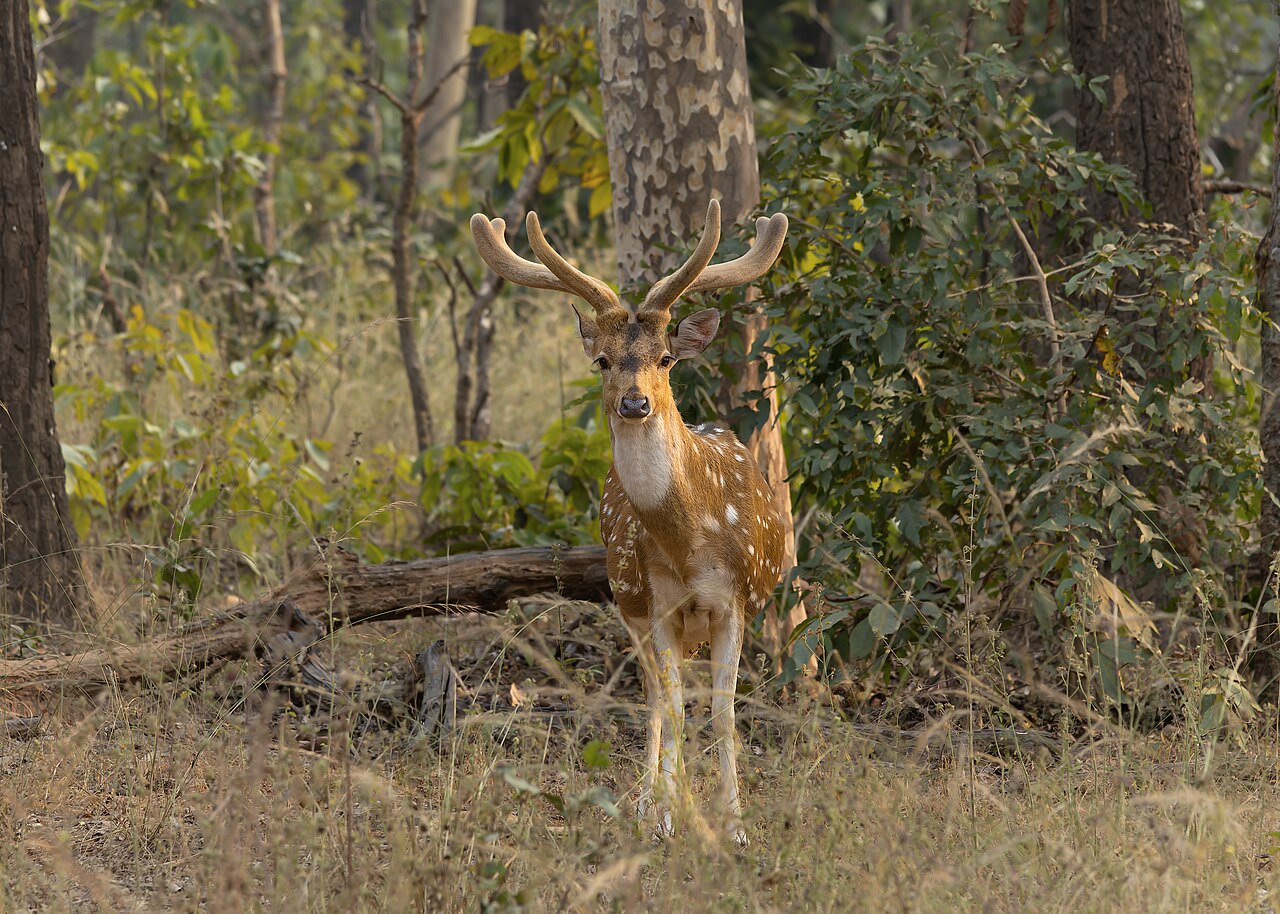
How Deer and Gaur Share Kanha’s Food Supply
In India’s Kanha National Park, Sambar and Gaur ate much the same food in winter but found it…
Read story →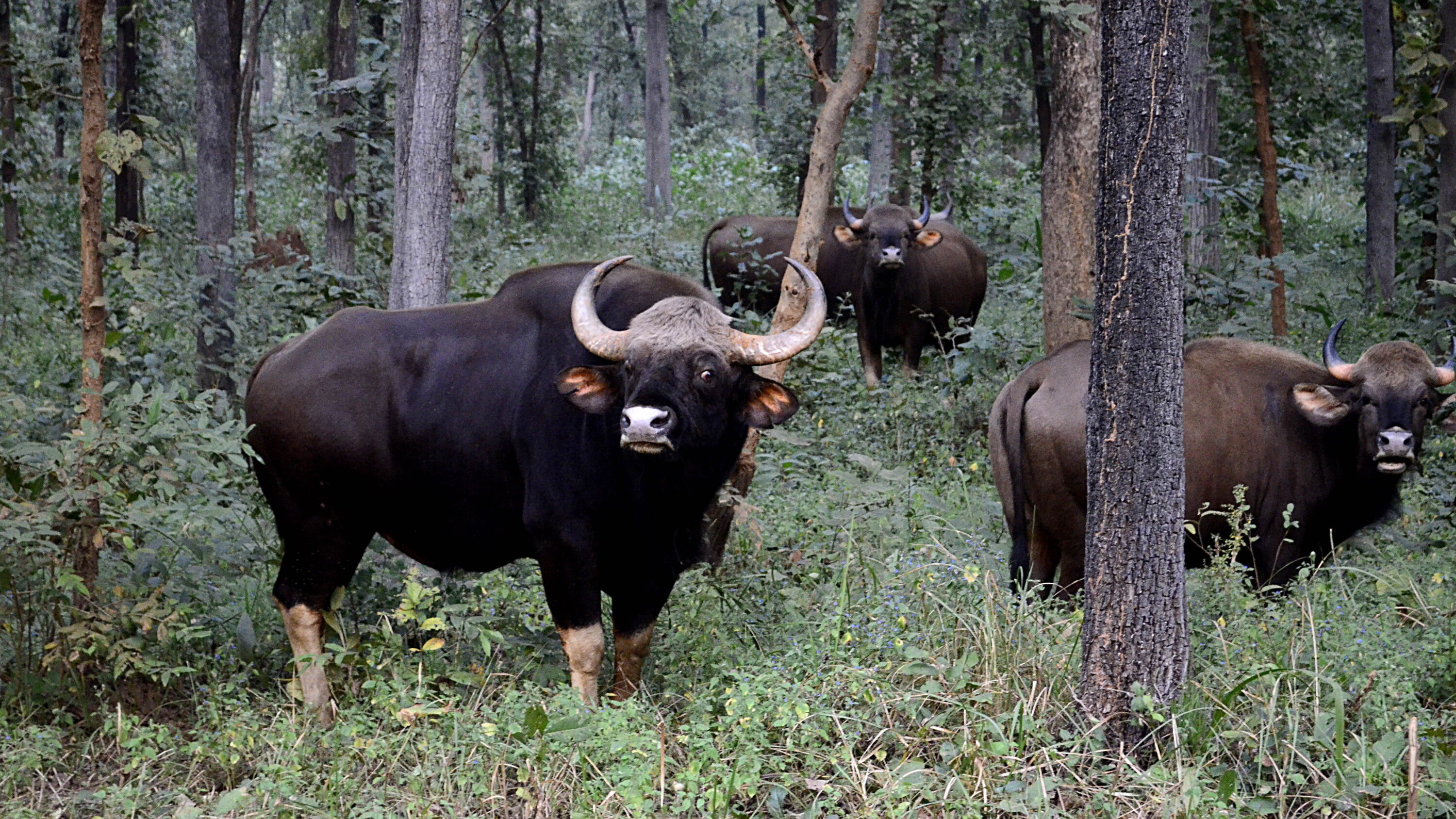
Reintroduced Gaur Explored for 90–200 Days Before Settling in Sanjay Tiger Reserve
Telemetry from seven reintroduced gaur showed prolonged exploration followed by stable space use and strong site fidelity, with…
Read story →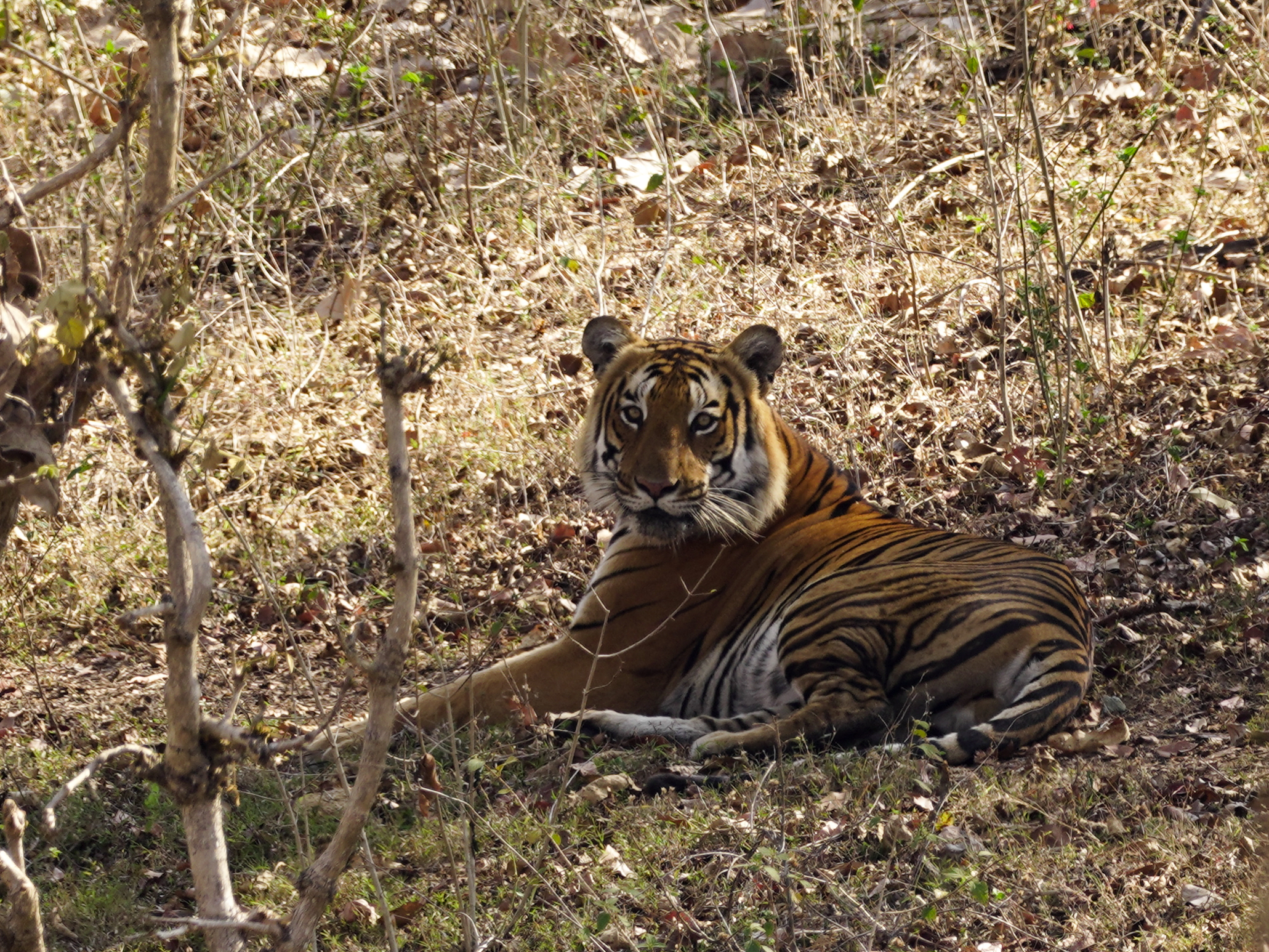
Key Movement Bottlenecks for Five Large Mammals Lay Outside Protected Areas in Tamil Nadu
A 2026 study of tiger, leopard, dhole, Asian elephant and gaur identified modelled movement bottlenecks outside protected areas,…
Read story →SPECIES IN THIS STORY
Species in this story
Independent research and conservation news archive
Did you find this information useful?
Wildlife Vagabond is independently built and maintained. Voluntary support helps cover source verification, hosting and continued work on research and conservation news.
Support Wildlife VagabondThe news archive will remain freely available.