
Reintroduced Indian Grey Hornbills Bred in Gir for a Fourth Consecutive Year
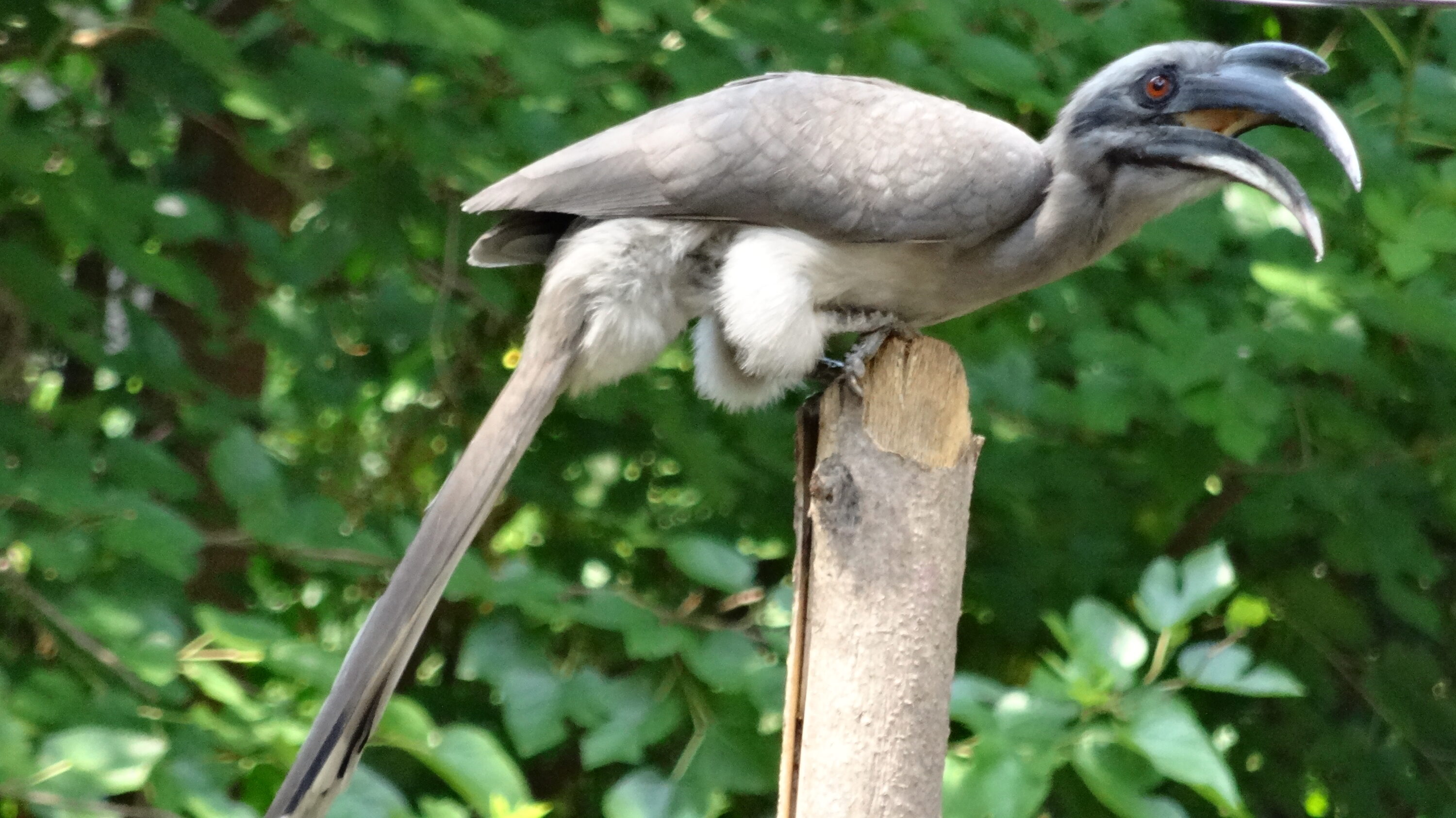
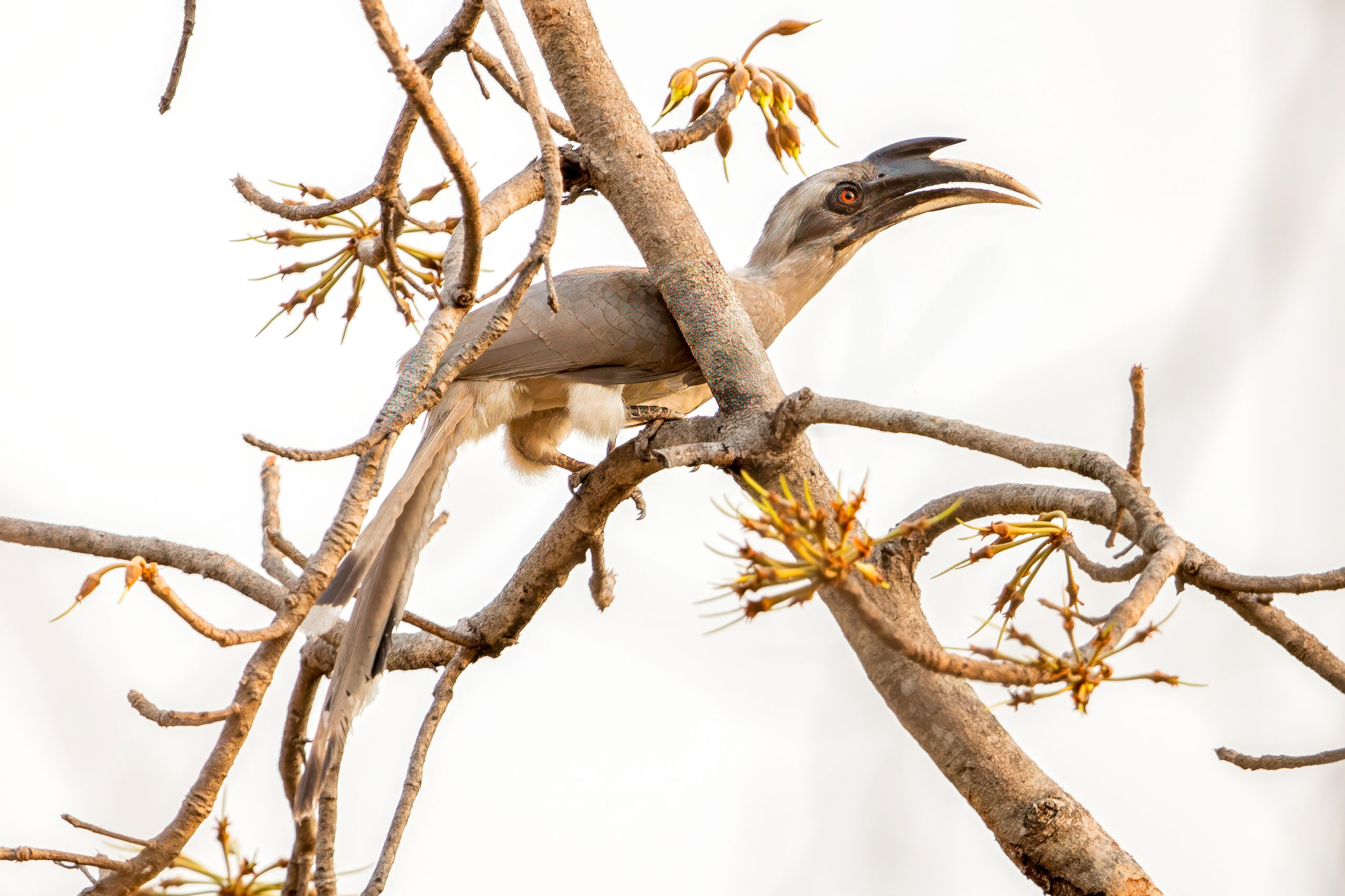
Indian grey hornbills (Ocyceros birostris) reintroduced to the Gir landscape in western India have now bred there for a fourth consecutive year, according to a Gujarat government update reported on 14 July 2026. The species had disappeared from Gir more than six decades ago, after its presence declined during the middle of the twentieth century.
The recovery programme moved 40 hornbills from established populations in Gujarat’s Aravalli forests to Gir. Twenty-eight birds were released in 2021–2022 and another 12 in 2023. Eleven males carried satellite transmitters, while the released birds were also marked so that their movements, habitat use and breeding could be followed after release.
The peer-reviewed study underlying the programme’s earlier results, published in 2025, documented rapid changes after release. The hornbills initially explored large areas, with mean home ranges of about 60.9 km², before settling into mean ranges of about 5.7 km². One pair bred successfully during the first breeding season, followed by three additional nesting pairs during the second.
The July 2026 government update extends that record: Gujarat officials reported that the reintroduced birds had established territories and continued producing offspring, marking four consecutive years of successful breeding in Gir. This four-year statement comes from the 2026 official update, whereas the peer-reviewed 2025 paper documents the earlier phases of the programme. The birds have mainly used dry mixed deciduous and teak forest, while nesting has been associated with large, mature trees that provide suitable cavities.
Indian grey hornbills are important seed dispersers. Restoring a breeding population to Gir therefore returns not only a locally lost bird but also a species that transports seeds of fruiting trees across the landscape.
Reintroductions & translocations
Related news
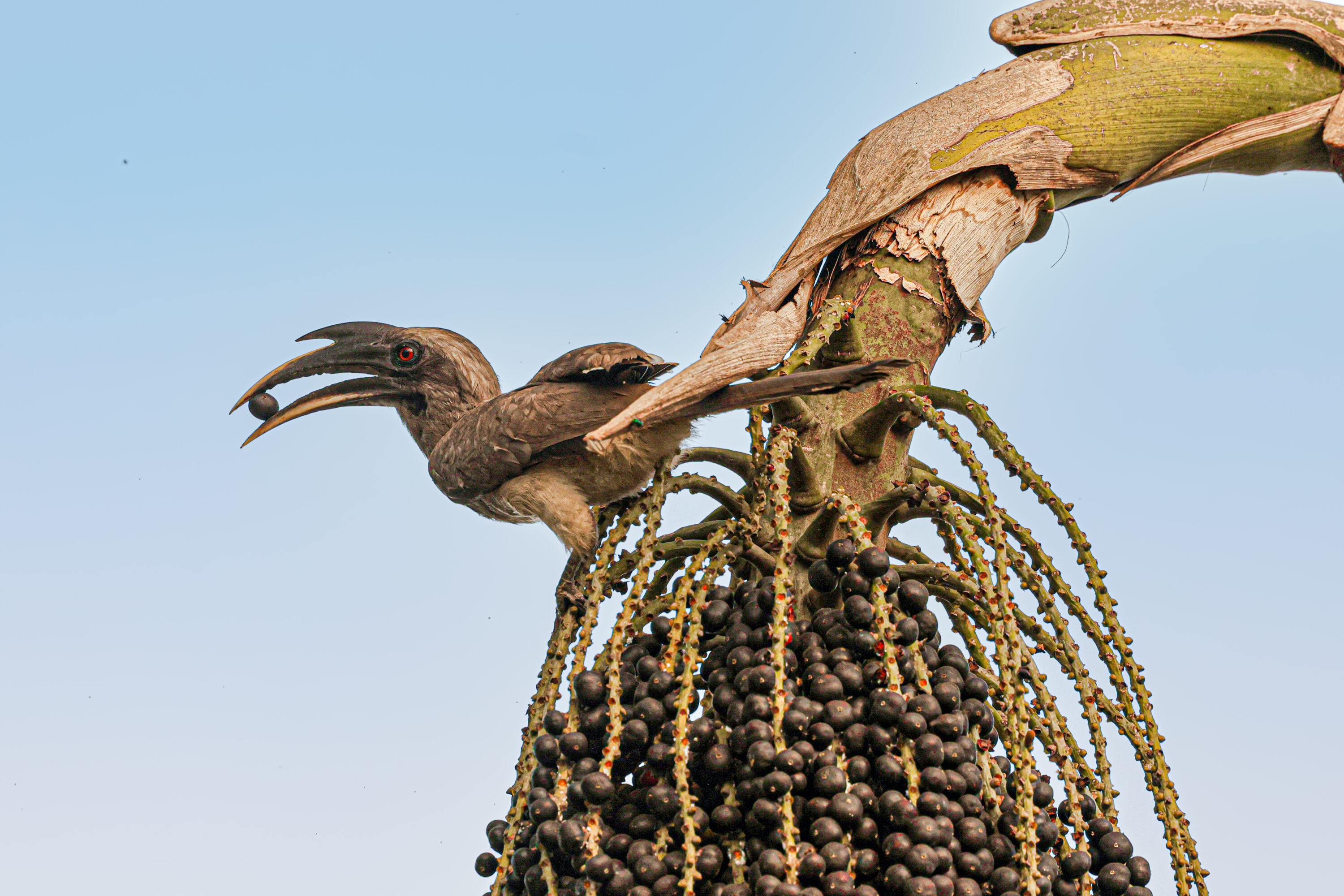
Second Confirmed Indian Grey Hornbill Record Strengthened Evidence of the Species in Bhutan
A published record from Samtse documents Bhutan’s second confirmed Indian grey hornbill observation. Continued sightings suggest that the…
Read story →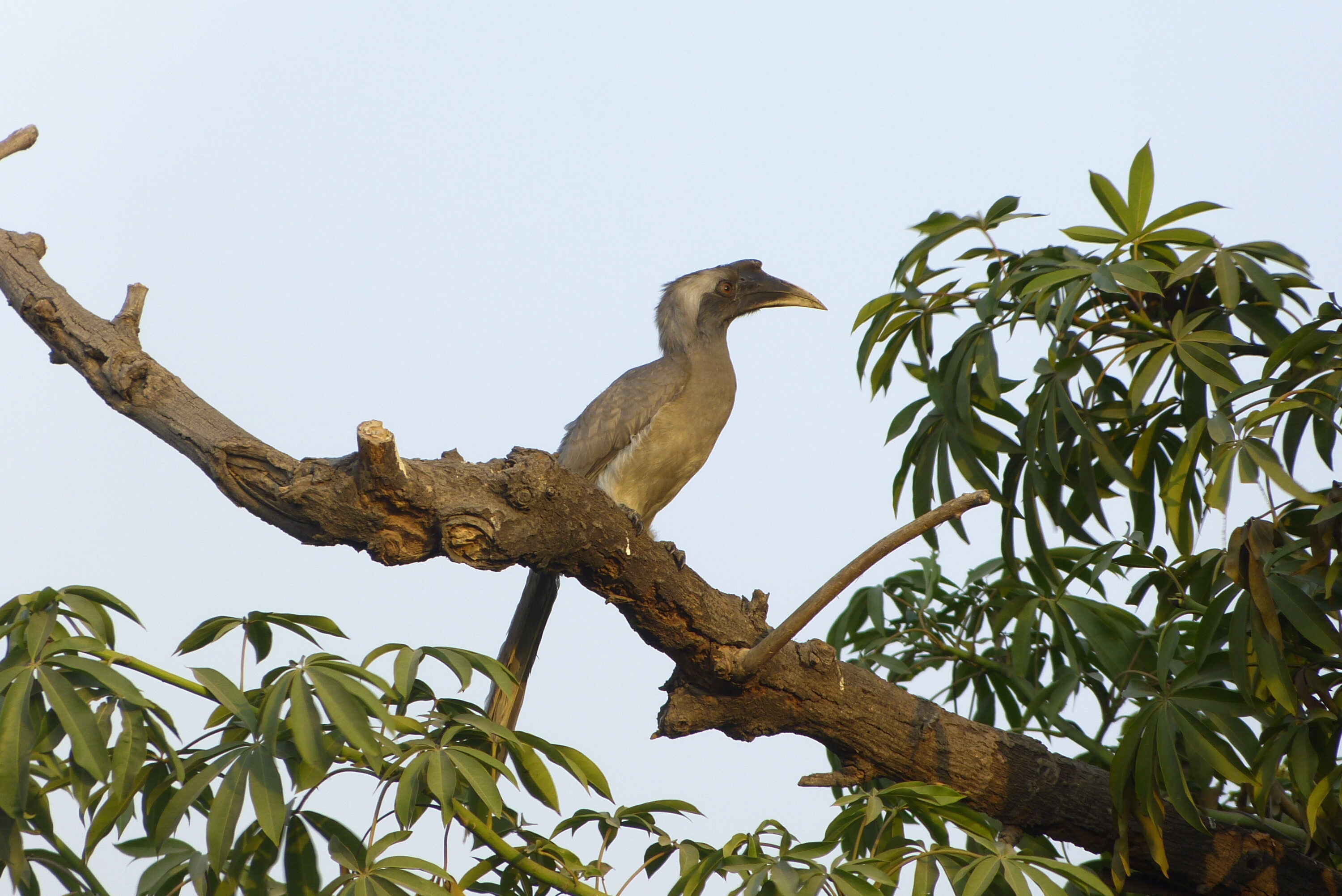
Indian Grey Hornbill Index Was About 2.4 Times Its Earlier Level and Still Rising Recently in India
The 2025 State of India’s Birds update estimated a +141.7% long-term trend for Indian grey hornbill in India,…
Read story →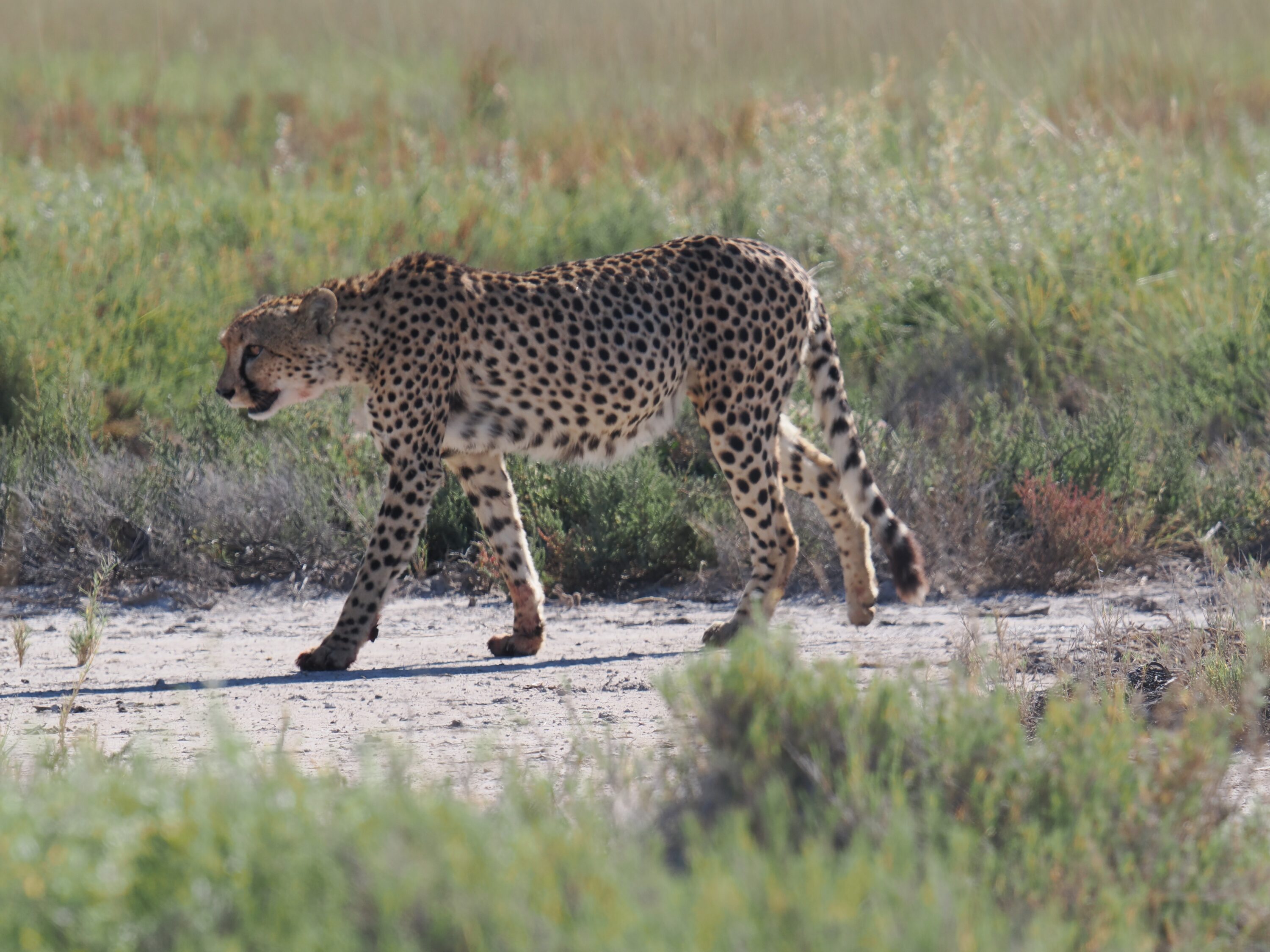
India’s Cheetah Project Sparked Debate Over Deaths, Transparency and Whose Expertise Counted
A review of 28 documents about Project Cheetah in India found sharply different accounts of its conservation goals,…
Read story →SPECIES IN THIS STORY
Species in this story
Independent research and conservation news archive
Did you find this information useful?
Wildlife Vagabond is independently built and maintained. Voluntary support helps cover source verification, hosting and continued work on research and conservation news.
Support Wildlife VagabondThe news archive will remain freely available.