
Adult Rhesus Macaques With More Early-Life Adversity Received More Aggression and Less Grooming
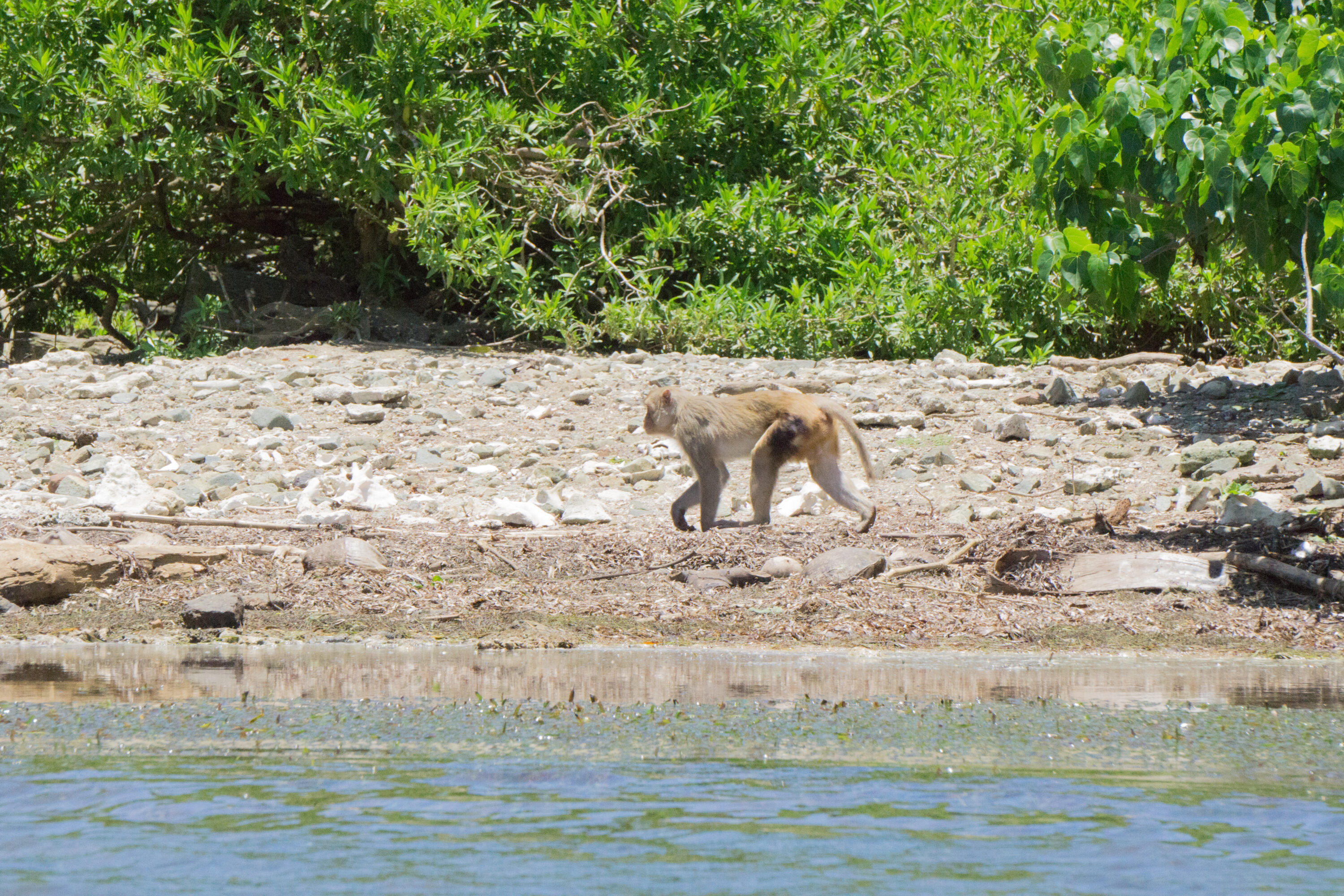
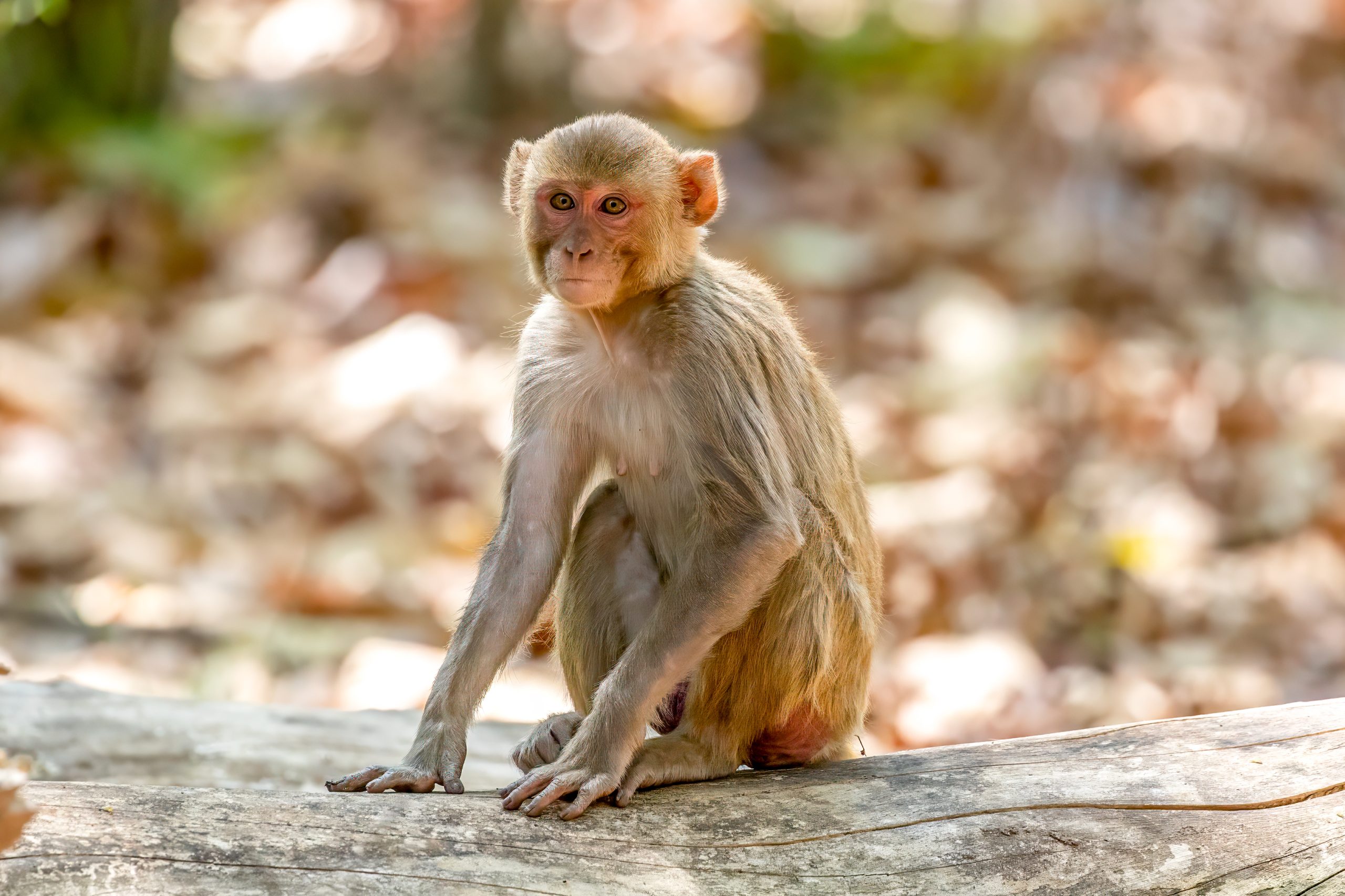
Adult rhesus macaques (Macaca mulatta) on Cayo Santiago, Puerto Rico that had experienced more adversity early in life received more aggression and less grooming from other macaques. They were also more submissive and spent less time being vigilant — scanning and monitoring their surroundings. The study analysed 659 adults — 313 males and 346 females — and was posted as a bioRxiv preprint on 22 July 2026; it has not yet been peer reviewed.
The researchers combined eight early-life conditions into one adversity score: a higher score meant that an individual had experienced more of the measured challenges. These included maternal loss, having a sibling born within 355 days, social-group size at birth, being born to a first-time mother, how many close maternal relatives were present, rainfall and temperature during the first year, and exposure to a major hurricane. They then compared this early-life history with detailed adult behavioural observations collected on Cayo Santiago, Puerto Rico from 2010 to 2022.
They received more aggression but were not more aggressive
One important result was what did not change. Macaques with greater early-life adversity received more aggression, but they were not themselves more aggressive as adults. The study also found no clear overall relationship with time spent grooming others or how often macaques approached or were approached by others. This distinction matters because the pattern was not simply that macaques exposed to more early adversity became more aggressive as adults.
Adult rank changed — and sometimes reversed — the pattern
Adult social rank changed several of the relationships. The link between early adversity and receiving more aggression was strongest among high-ranking macaques. Among lower-ranking animals, greater adversity was associated with less grooming both given and received, whereas high-ranking animals showed no clear decline in grooming received and instead gave more grooming as adversity increased. Rank also reversed the pattern for submissiveness and vigilance: both increased with adversity among high-ranking macaques but decreased among lower-ranking animals.
Sex changed some responses as well. The overall decline in vigilance was steeper in males. Females with more early adversity were approached less often by others, whereas males with more adversity were approached more often.
The authors interpret the results as evidence that naturally occurring early-life conditions can remain associated with social behaviour and vigilance well into adulthood in a free-ranging primate population. Because the study was observational, it cannot show that the early-life adversity itself caused the later behavioural differences. Some patterns resemble responses described in humans and captive animals, but the absence of increased aggressiveness and the strong role of adult rank show a more complex pattern than a single, uniform response.
Behaviour
Related news
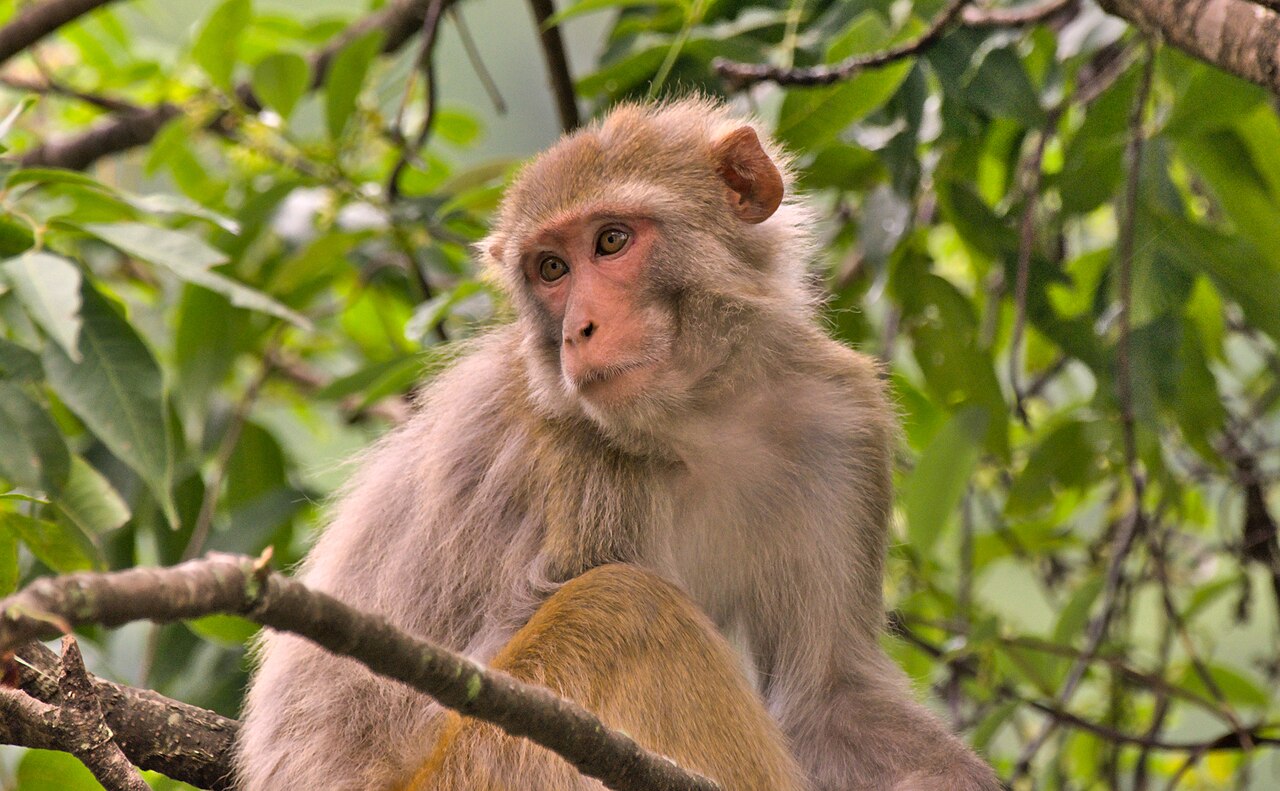
Female Rhesus Macaques That Watched Unfamiliar Female Faces Longer Were More Likely to Have Offspring the Following Year
At a semi-free-ranging population in Puerto Rico, females that spent longer looking at an unfamiliar female’s neutral face…
Read story →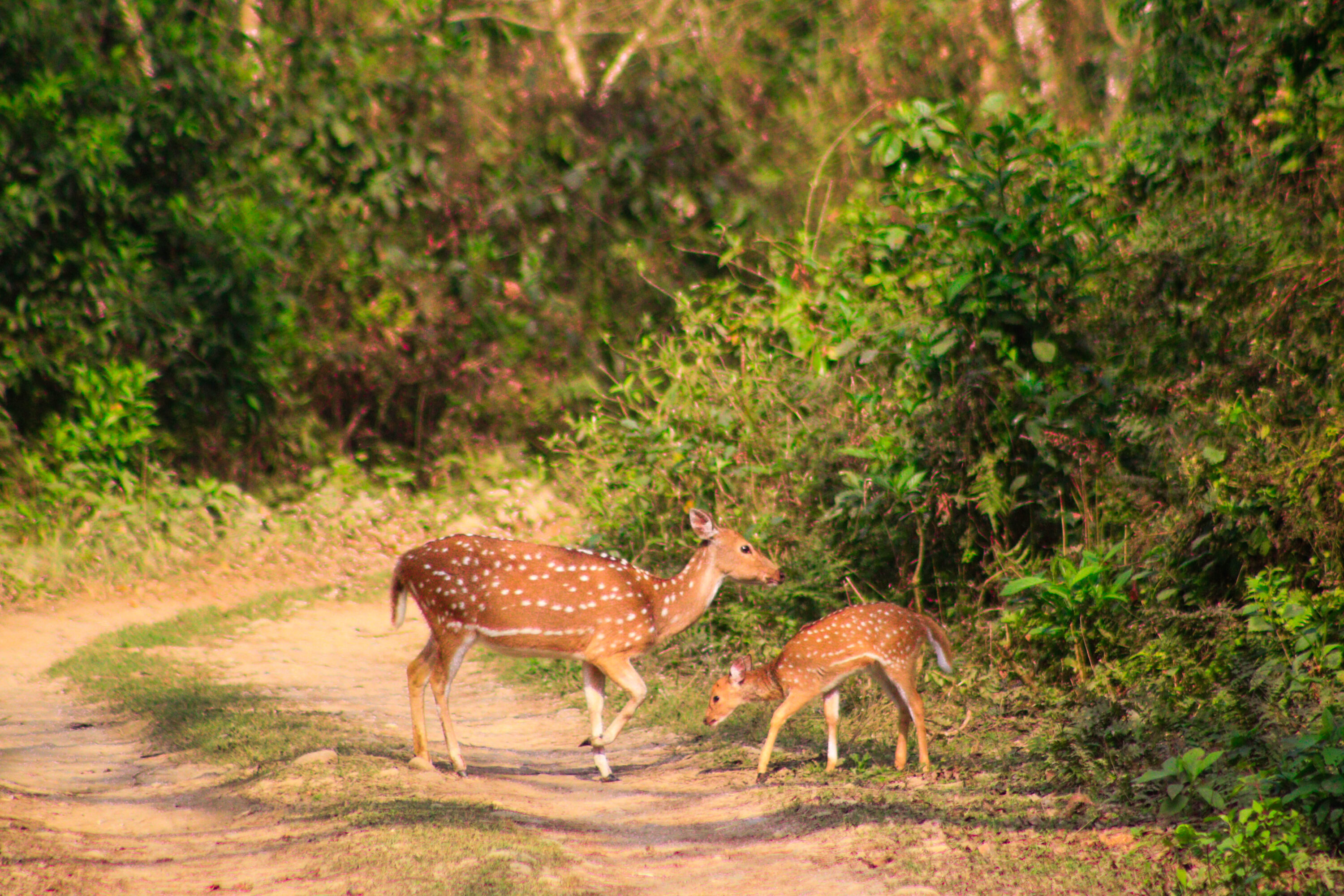
Human Activity and Large Wildlife Overlapped Most in Chitwan’s Buffer Zone
Camera traps across Chitwan National Park and surrounding forests showed the greatest overlap of human activity with large…
Read story →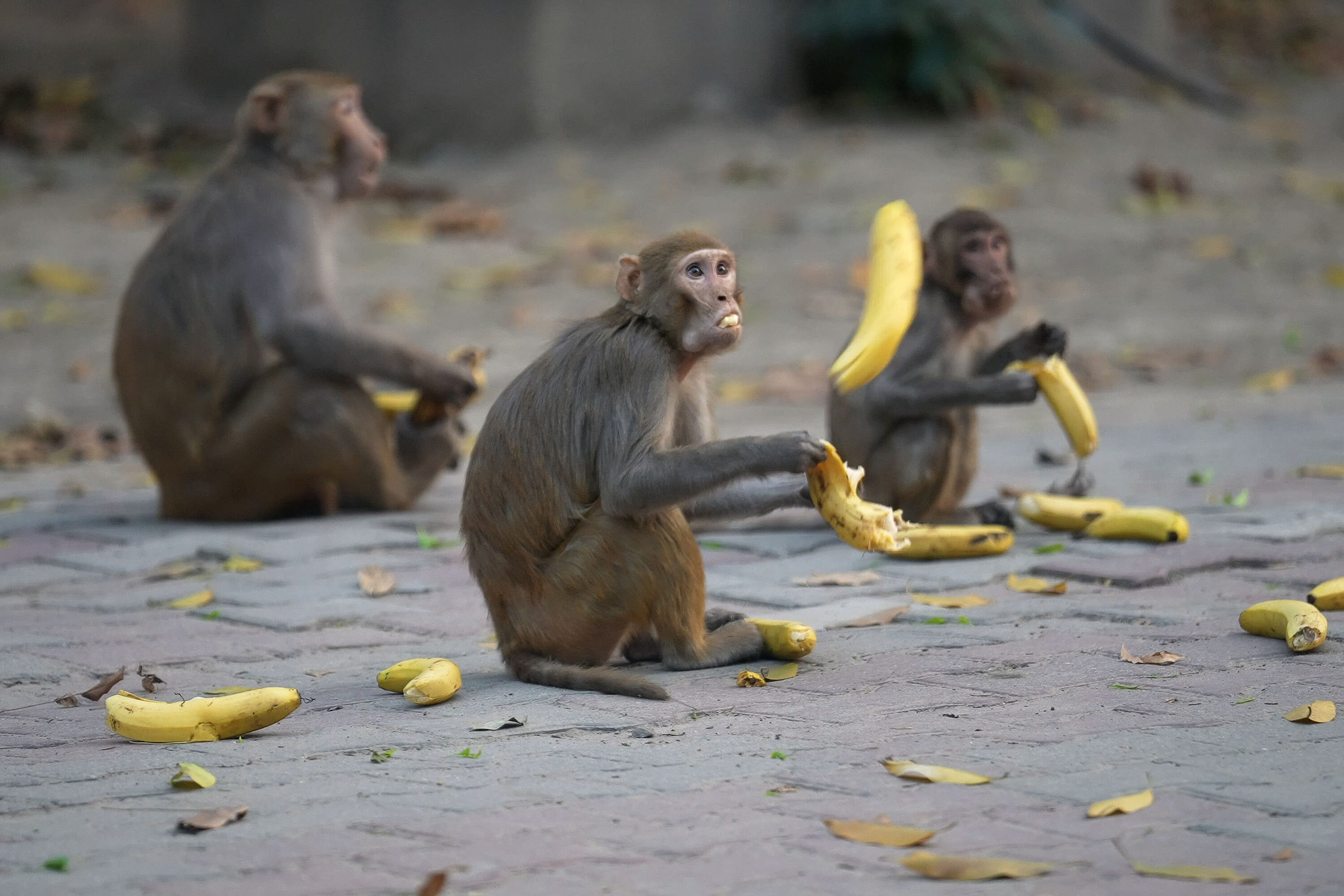
Aging rhesus macaques show broader protein changes in blood than in brain fluid
A study of 66 rhesus macaques found age-related differences in many more measured proteins in plasma than in…
Read story →SPECIES IN THIS STORY
Species in this story
Independent research and conservation news archive
Did you find this information useful?
Wildlife Vagabond is independently built and maintained. Voluntary support helps cover source verification, hosting and continued work on research and conservation news.
Support Wildlife VagabondThe news archive will remain freely available.