
European Roe Deer Used Reforested Eucalyptus Stands Less Than Afforestation Stands in the 2020 Dry Season
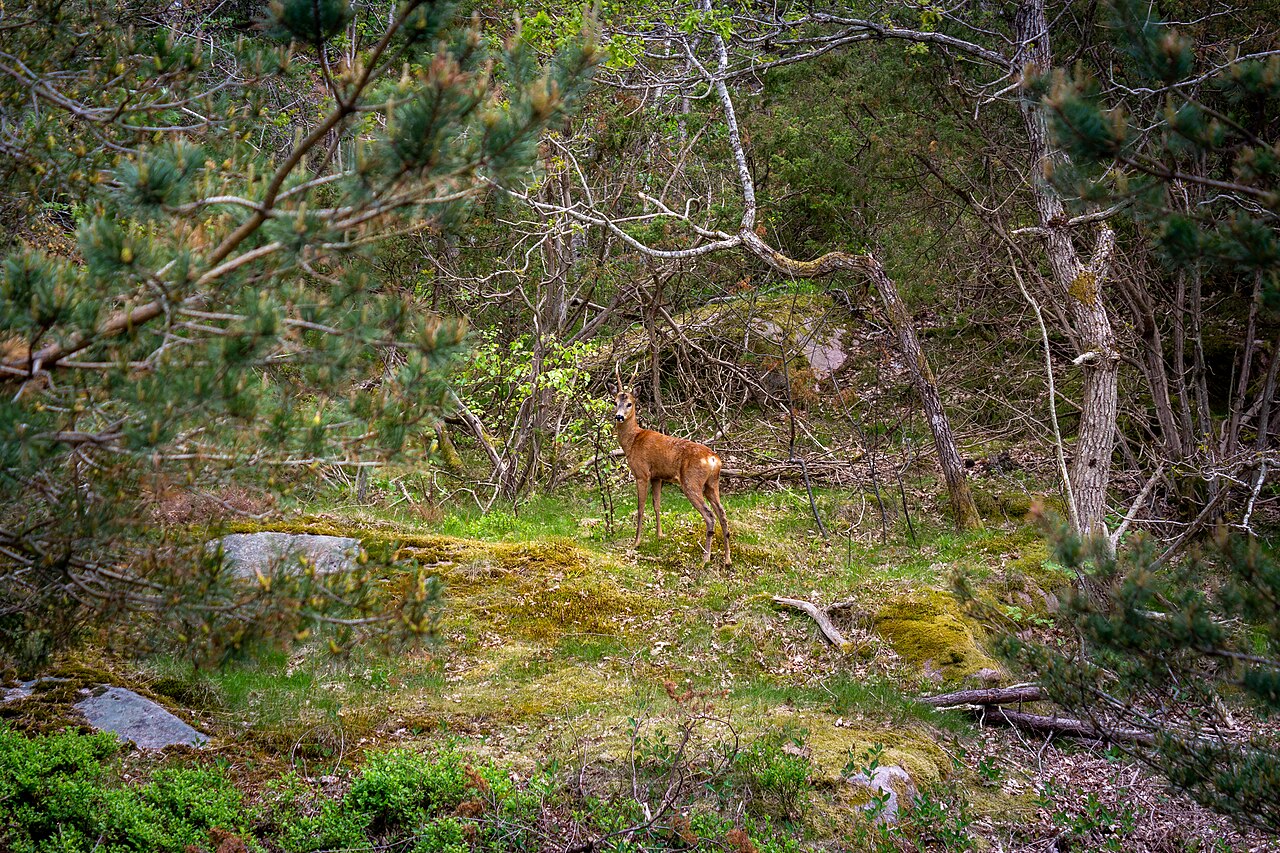
European roe deer (Capreolus capreolus) did not use all stages of commercial eucalyptus plantations in the same way in central Portugal. A study published on 26 May 2026 analysed 375 camera-trap deployments across five plantation landscapes during wet and dry seasons in 2019 and 2020.
The researchers estimated site use: the probability that a camera location was being used by roe deer after accounting for the fact that an animal can use an area without being photographed. This is therefore a measure of space use, not roe deer abundance.
Reforestation showed the clearest short-term reduction in site use
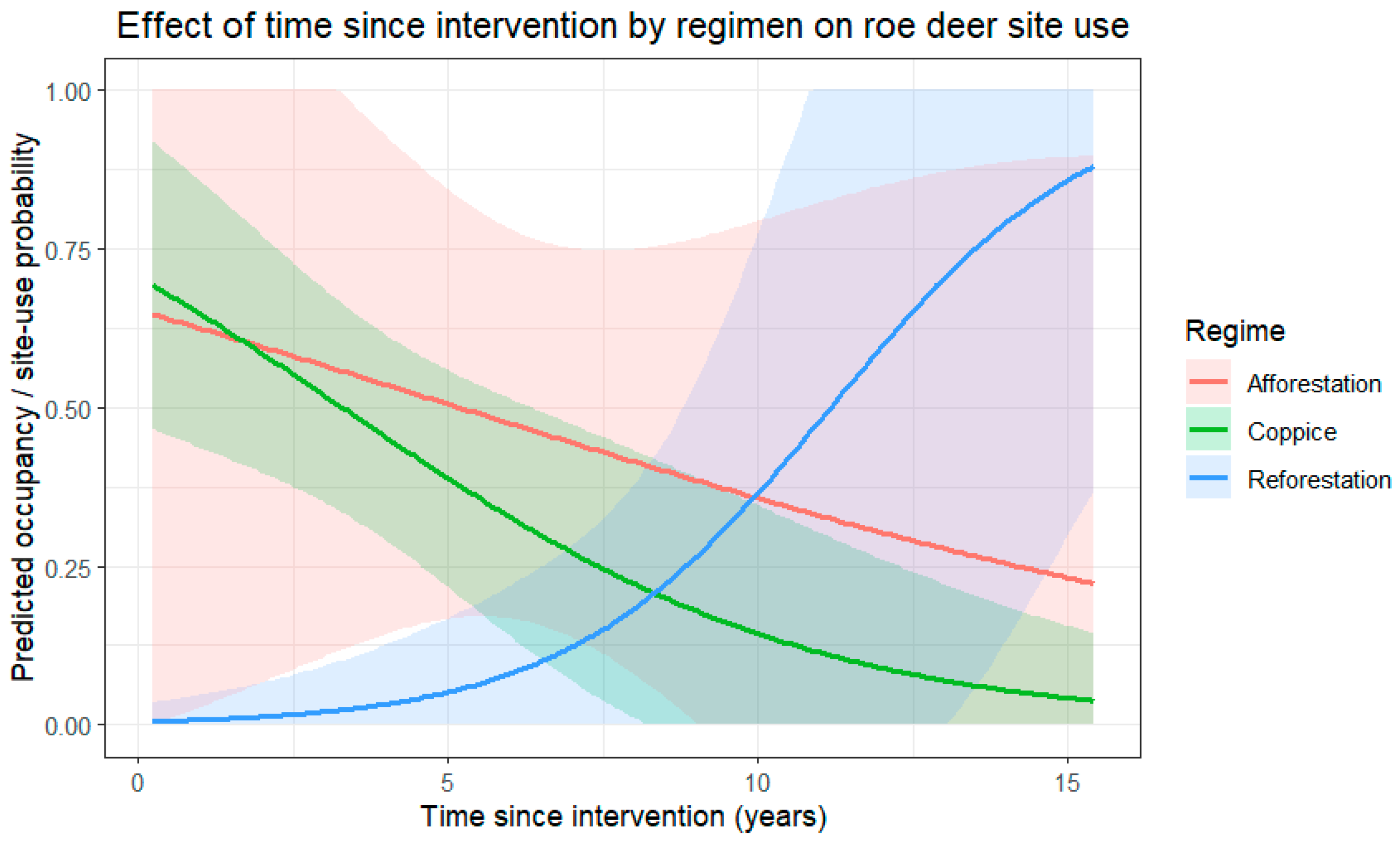
The strongest result came from the 2020 dry season. Roe deer site use was lower in reforestation stands than in afforestation stands, and the way site use changed with time since intervention differed among management regimens.
The regimens represent different levels of disturbance. Afforestation establishes a new eucalyptus stand without first removing a mature eucalyptus stand. Coppice allows eucalyptus to regrow from harvested stumps without complete soil preparation. Reforestation is the strongest reset: it typically involves stump removal, soil preparation, replanting and heavier machinery. The authors therefore interpret the lower use of recently reforested stands as a response to the loss of cover and the acute disturbance created by intensive forestry operations.
Use could recover as vegetation returned
The other monitoring periods did not show one uniform pattern. In the 2020 wet season, roe deer site use increased with time since the most recent forestry intervention. In the 2020 dry season, recovery through time depended on the management regimen and was clearest in reforestation stands. The 2019 dry-season analysis suggested a more complex pattern, but statistical support was weaker, while the 2019 wet-season data mainly helped explain how readily cameras detected the animals.
Biologically, the results suggest that roe deer can begin using plantation stands again as vegetation cover and feeding opportunities recover after disturbance, but the study does not show the same response in every season or management stage. The authors therefore describe the support for recovery with time as moderate rather than universal.
The size of an individual eucalyptus stand was more consistently related to camera detectability than to ecological site use. In other words, larger or smaller plantation stands affected how likely cameras were to record roe deer more consistently than they affected whether roe deer actually used the site.
The authors conclude that eucalyptus plantations should not be treated as one uniform habitat type. Limiting the extent and synchrony of intensive reforestation, while retaining less disturbed parts of the plantation mosaic, could reduce periods in which large adjoining areas offer little cover or refuge. They stress that movement studies, for example with GPS tracking, are still needed to test how roe deer move among these changing plantation stages.
Ecology
Related news
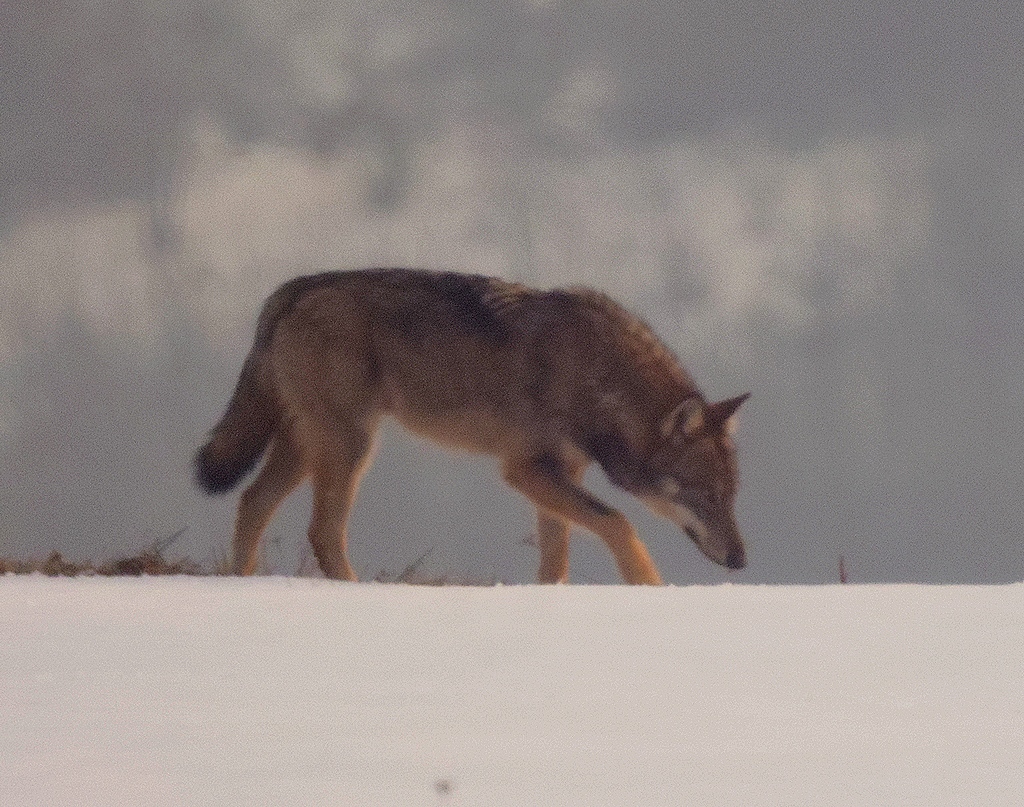
Roe Deer and Wild Boar Remained Key Wolf Prey as Diet Shifted Across North-western Italy
From 2021 to 2025, wolves in north-western Italy continued to feed mainly on wild prey. In the Po…
Read story →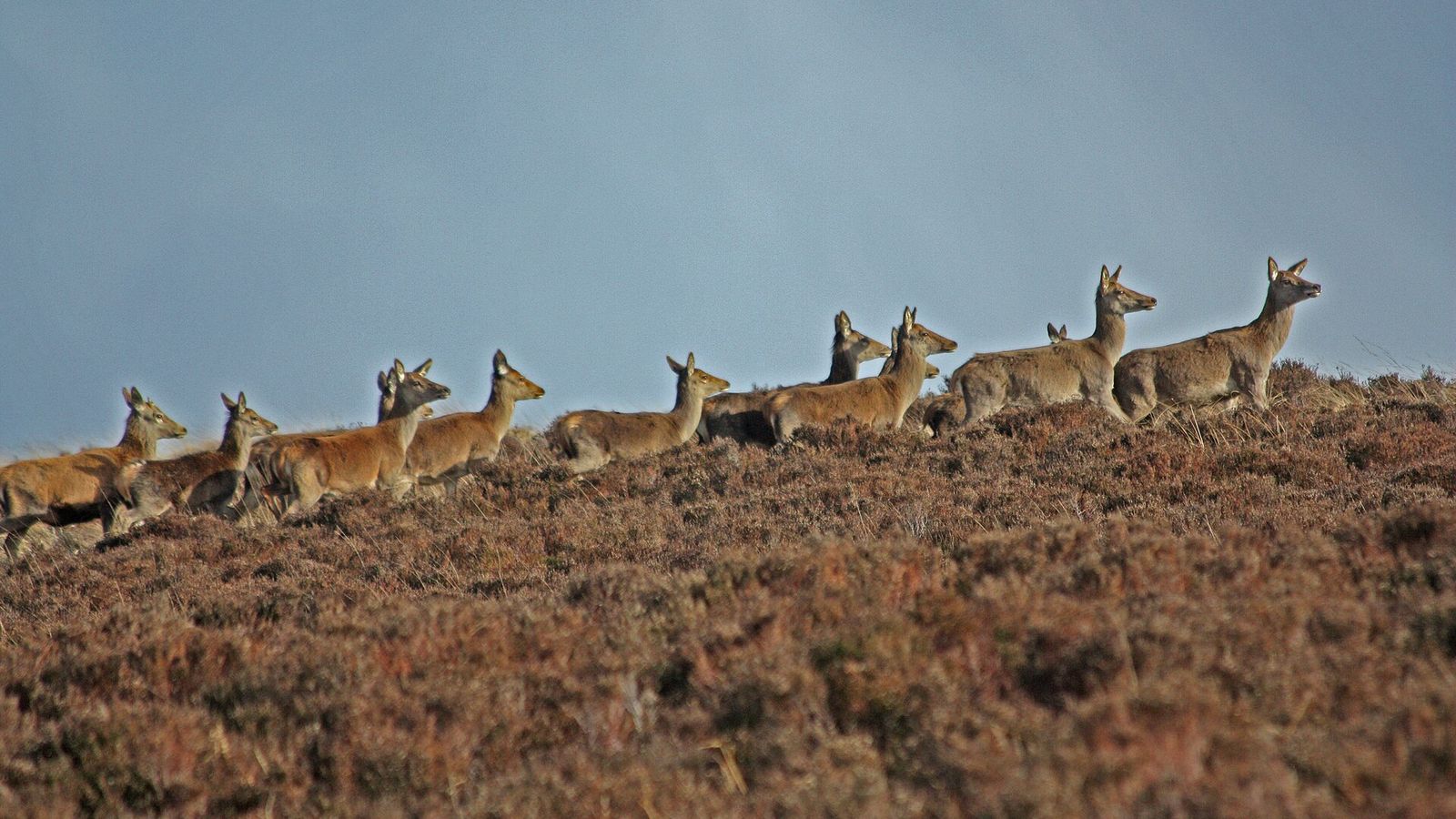
Estimated M. bovis Seroprevalence Was 26.6% in Exmoor Red Deer
A survey of 432 wild deer in the Exmoor area estimated Mycobacterium bovis seroprevalence at 26.6% in red…
Read story →
Roe Deer in Similar Scottish Habitats Had More Similar Diets
DNA metabarcoding from 198 Scottish roe deer found that study site explained about 18% of dietary variation, while…
Read story →SPECIES IN THIS STORY
Species in this story
Independent research and conservation news archive
Did you find this information useful?
Wildlife Vagabond is independently built and maintained. Voluntary support helps cover source verification, hosting and continued work on research and conservation news.
Support Wildlife VagabondThe news archive will remain freely available.