
Scotland Will Develop National Plan for Breeding Greylag Geese
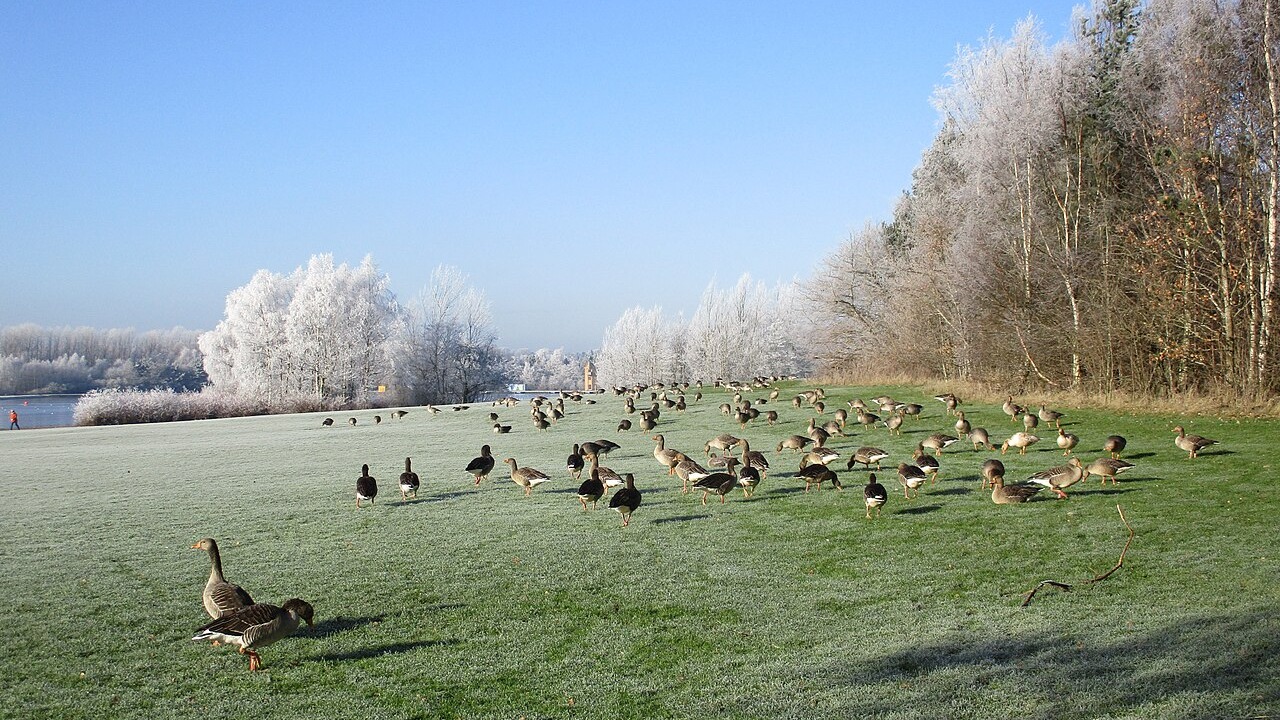
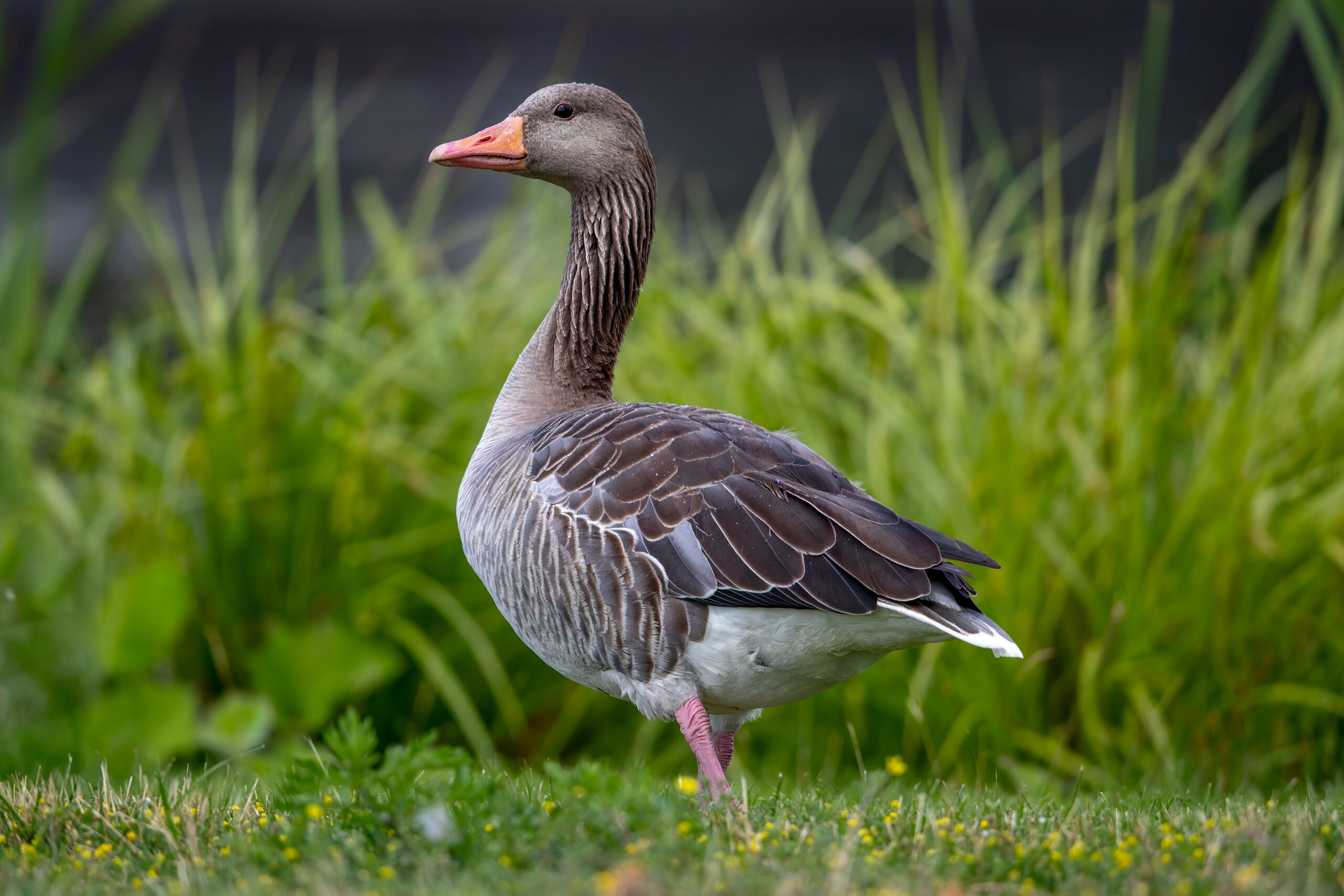
Scotland will develop a national management plan for its breeding greylag geese (Anser anser) and continue exploring adaptive harvest approaches until that plan is in place. The commitment is part of the Scottish Government’s Goose Policy Delivery Plan 2025–2030, published on 24 March 2026.
The delivery plan sets out how Scotland intends to implement recommendations from its review of national goose management policy. The overall framework is designed to balance conservation obligations with farming, crofting, public funding and other practical issues associated with large goose populations.
A national plan for Scottish breeding greylags
One of the plan’s priorities is the development of national and international species management plans. For greylag geese, work will continue to improve confidence in population estimates for the re-classified Icelandic population, and those results will help determine the scope of a future flyway-wide plan.
At the same time, Scotland will begin developing a national plan specifically for its resident breeding greylag geese. The government describes this as short-term work that is expected to be completed in the medium term, with the Scottish Government Rural Payments and Inspections Directorate leading the resident greylag plan together with NatureScot.
Adaptive harvest remains part of the approach
A separate recommendation in the delivery plan focuses directly on management of greylag geese. It states that mechanisms allowing farmers and other land managers to take more responsibility through an adaptive harvest model will continue to be explored until the national management plan has been developed.
Scotland has already used adaptive management pilots for greylag geese. The new delivery plan places that work within a broader five-year policy framework intended to move goose management away from short-term, year-by-year arrangements where possible.
Balancing conservation and agricultural impacts
The Scottish Government describes wild geese as an important part of the country’s natural heritage and notes that many populations have increased strongly since the 1970s. At the same time, high concentrations of some geese can cause serious crop damage, creating long-running conflicts for farmers and crofters in affected areas.
Management
Related news
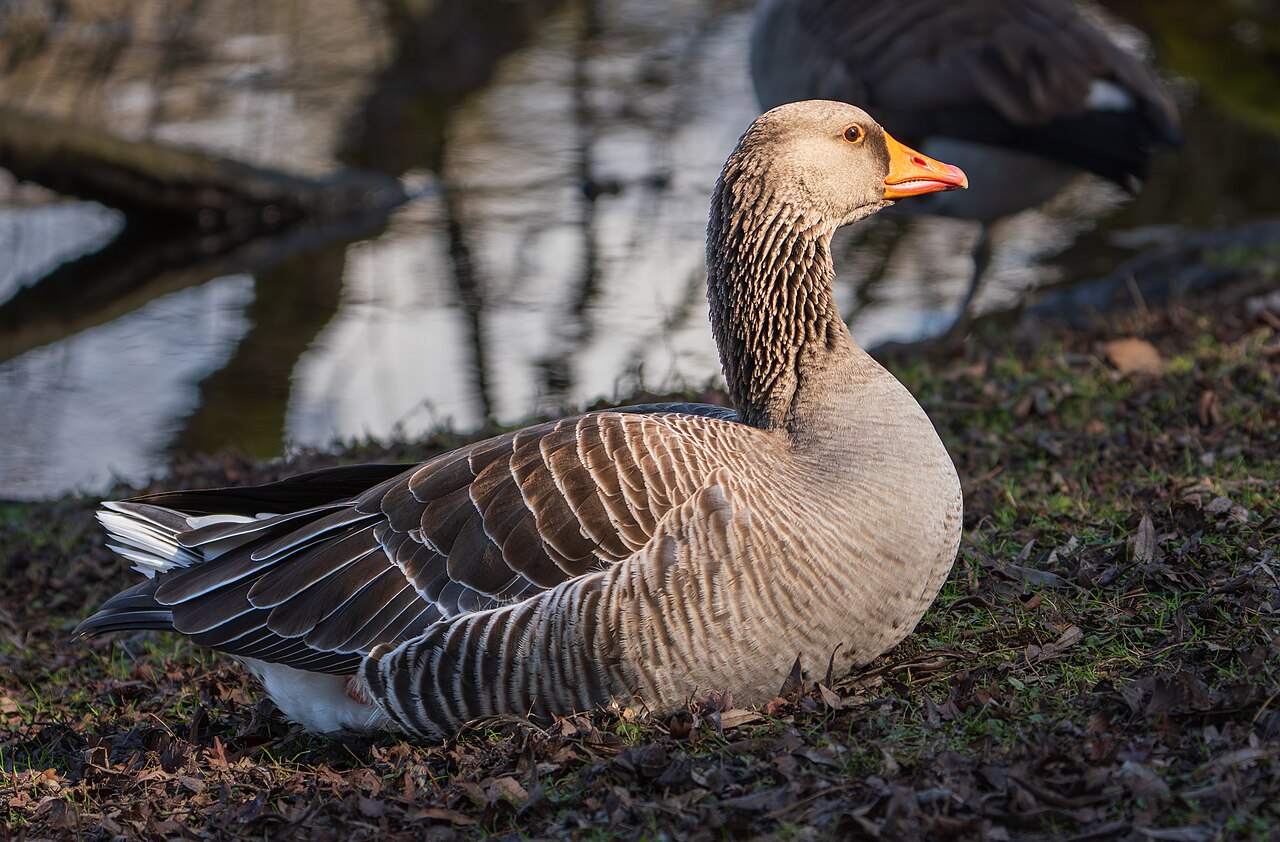
Some Greylag Geese Migrate One Year and Stay the Next
GPS tracking at Lake Neusiedl showed that most of the geese migrated, with winter destinations ranging from Germany…
Read story →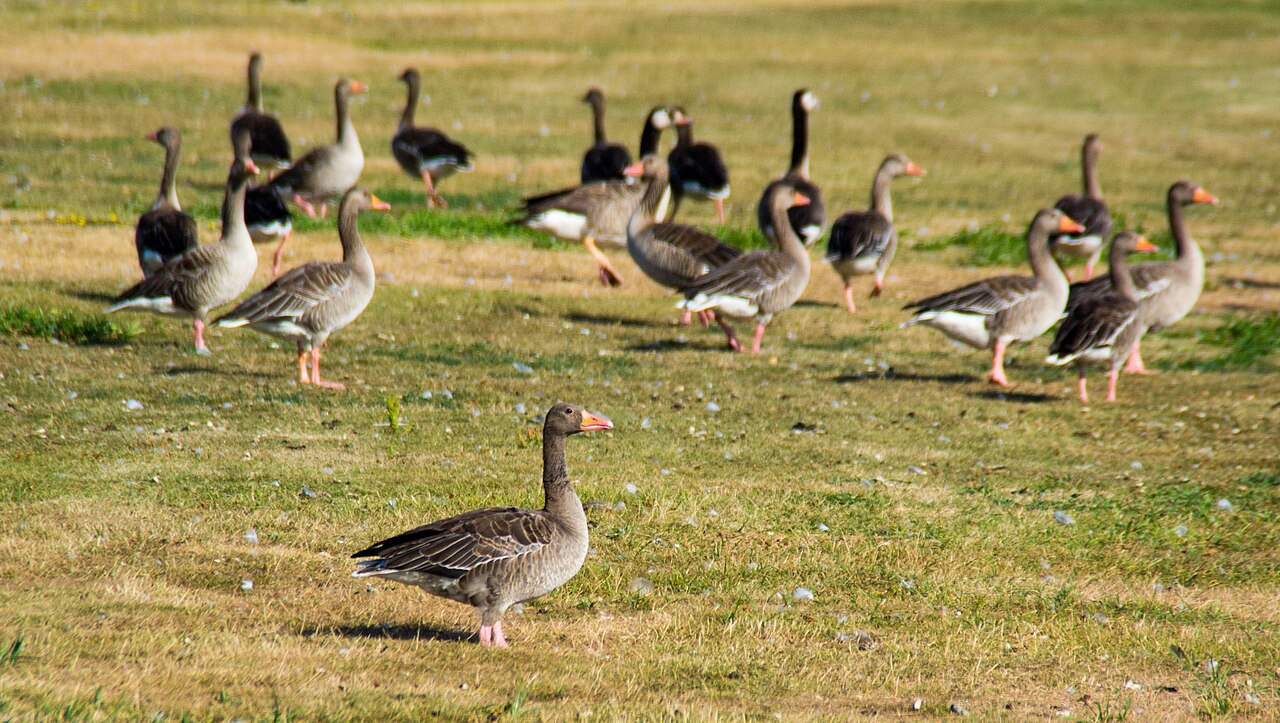
North-west European Greylag Goose Winter Population Estimated at 802,320
The north-west European greylag goose population was estimated at 802,320 wintering birds in January 2025, well above the…
Read story →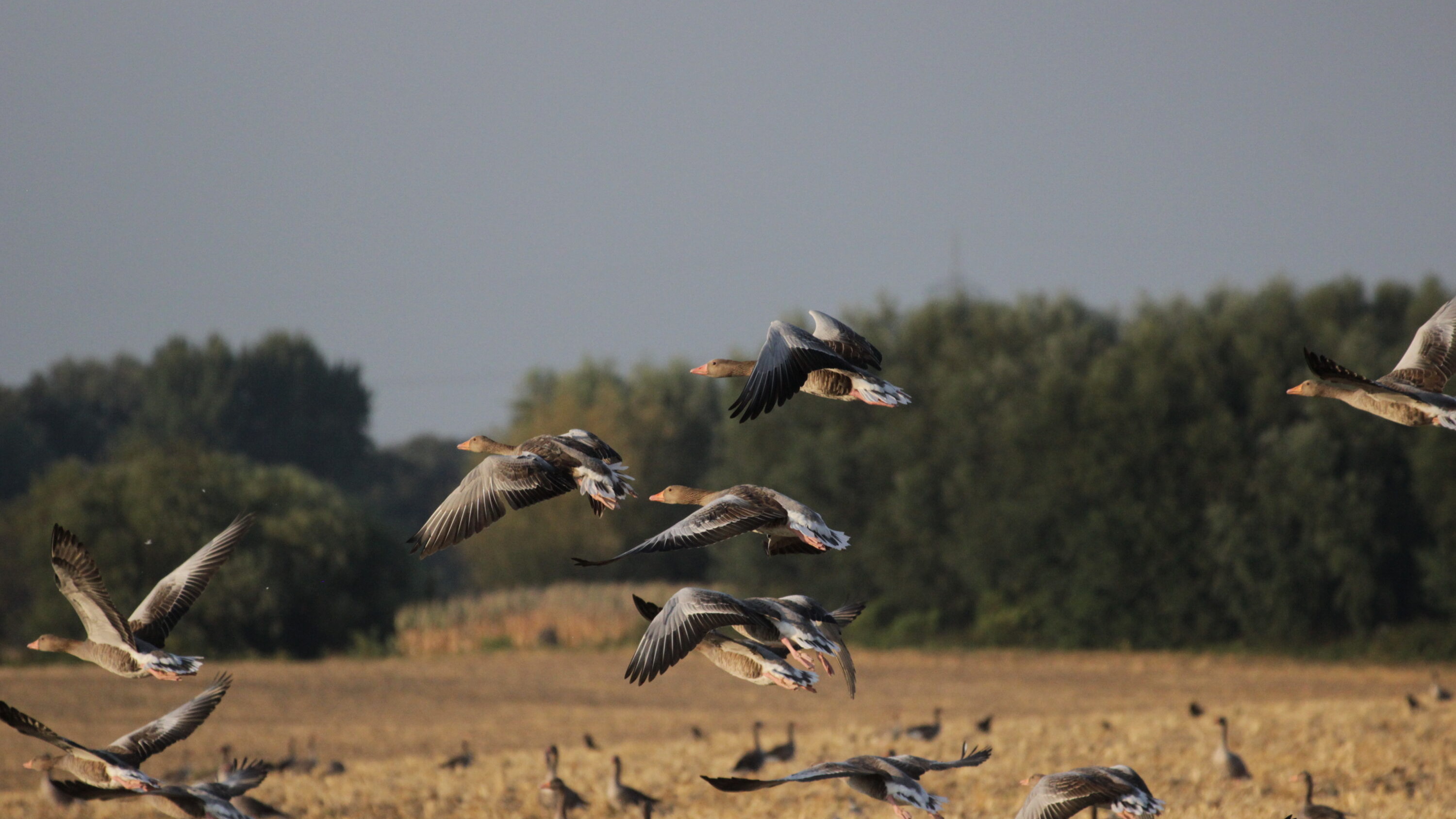
Machine Learning Maps the Overlapping Calls of Greylag Geese
Analysis of 6,651 greylag goose calls found both distinct signals and graded overlap—and showed that machine-learning choices can…
Read story →SPECIES IN THIS STORY
Species in this story
Independent research and conservation news archive
Did you find this information useful?
Wildlife Vagabond is independently built and maintained. Voluntary support helps cover source verification, hosting and continued work on research and conservation news.
Support Wildlife VagabondThe news archive will remain freely available.