
Scotland Recorded Its Lowest Harbour Seal Count in 30 Years as Grey Seal Counts Also Fell
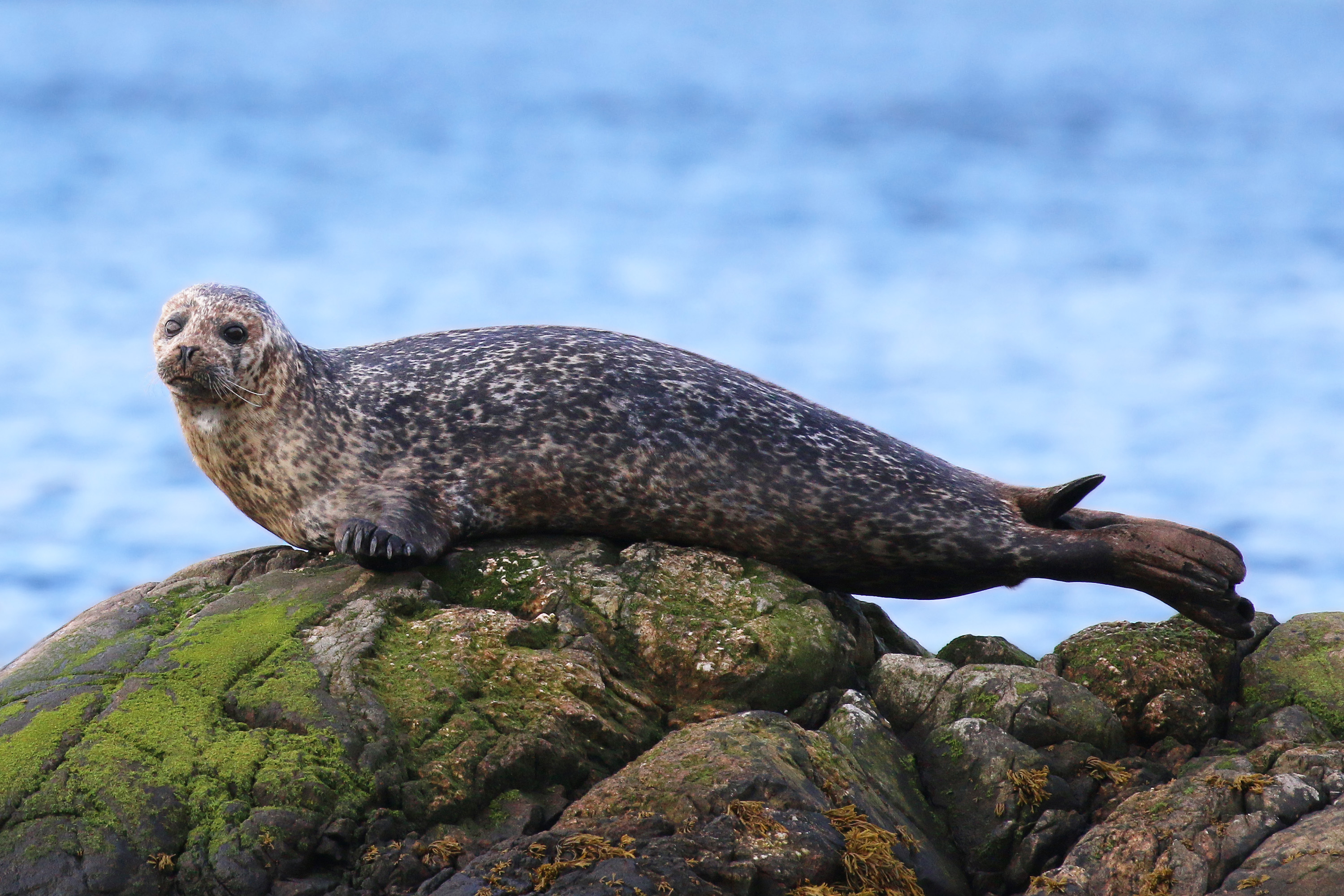
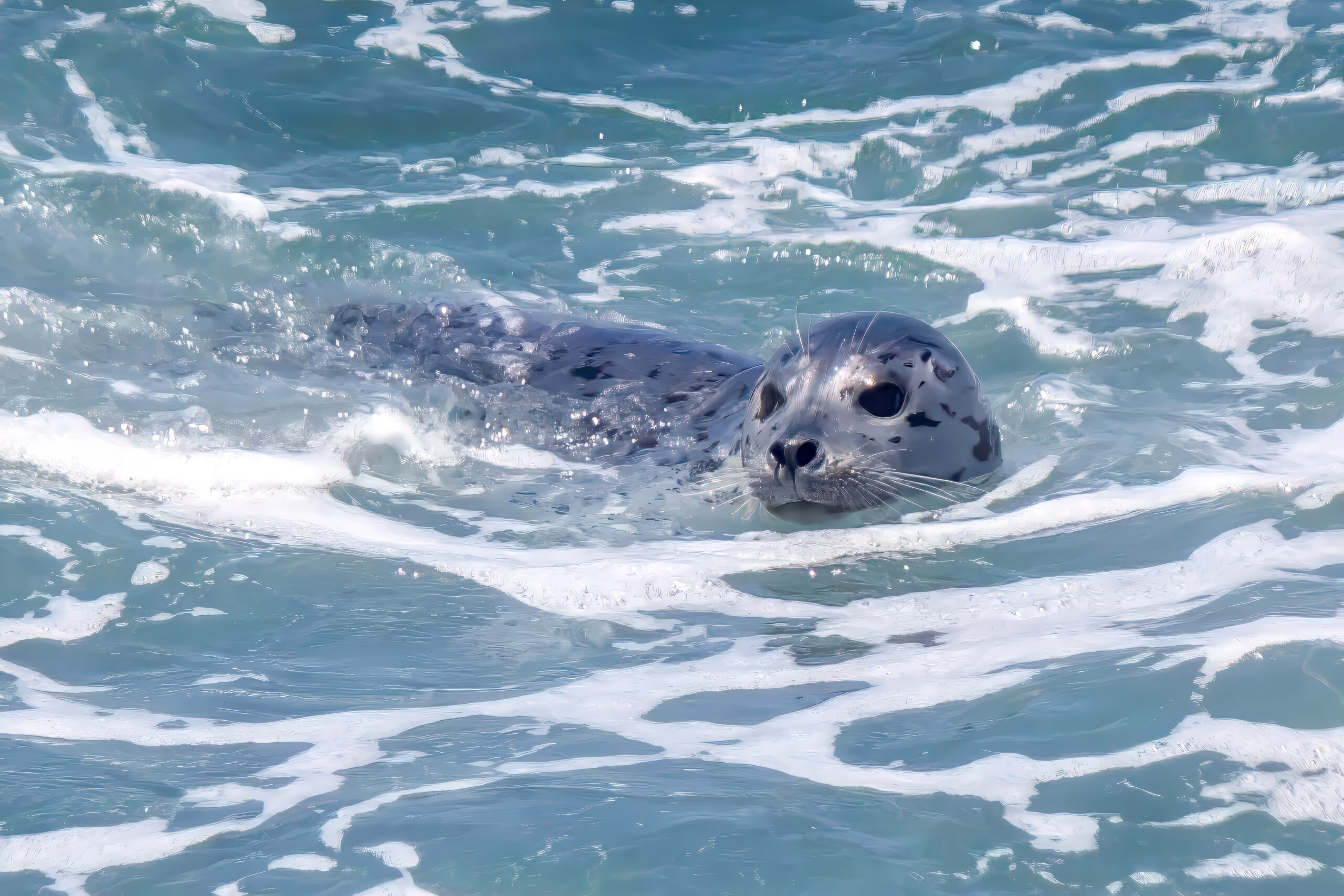
Scotland’s sixth nationwide harbour seal census recorded the lowest total in the 30-year survey series. Aerial surveys conducted around almost the entire Scottish coast between 2021 and 2025 counted 19,978 harbour seals (Phoca vitulina) during the August moult, more than 25% fewer than in the previous census of 2016–2019. The same surveys also recorded a marked fall in grey seals (Halichoerus grypus), although summer counts of that species require more cautious interpretation.
19,978 seals counted, about 27,750 estimated
The Sea Mammal Research Unit at the University of St Andrews conducts the surveys when harbour seals are moulting and relatively large, stable numbers are hauled out on shore. The latest round produced a direct count of 19,978 harbour seals. That was about 2% below the 2007–2009 total, which had previously been the lowest of the six nationwide censuses.
A count of animals on shore is not the same as a count of the whole population. Telemetry studies estimate that about 72% of harbour seals are hauled out and available to be counted during the standard survey window, although the estimate itself is uncertain. Applying this haul-out probability to the latest count gives an estimated total abundance of about 27,750 harbour seals, although uncertainty around the modelled total is substantial. The report therefore treats the August counts as the primary long-term index and the larger figure as a modelled estimate of total abundance.
Declines now extend into western Scotland
The national total hides large regional differences. Five of Scotland’s seven Seal Monitoring Units had a significant recent decline. Northern and eastern populations had already suffered major losses, while western Scotland had been stable or increasing through much of the 2010s. The latest counts were nevertheless 10–25% below the previous highs in all three western monitoring units, showing that the downturn is no longer confined to the long-depleted north and east.
Orkney remains the most dramatic example. The 2025 harbour seal count there was more than 90% below the highest count recorded in 1997. In parts of southern Orkney the reduction reached 99%, and the Sanday Special Area of Conservation was about 98% below its 1997 level. Shetland also changed sharply: its 2025 count was 45% lower than in 2019 after a long period of apparent stability at an already depleted level.
The distribution of Scotland’s harbour seals has consequently shifted. The three western monitoring units together held about 42% of the Scottish count in 1996–1997 but 82% in 2021–2025. The two northern units fell from about half of the national total to 13%. At all nine Special Areas of Conservation designated for harbour seals, the latest count was the lowest or close to the lowest in the local time series.
Grey seal counts also reached a low
Grey seals encountered during the harbour seal surveys are counted as well. The 2021–2025 census recorded 16,042 grey seals, 37% fewer than in 2016–2019 and the lowest nationwide August total yet recorded. Using a much lower estimated haul-out probability of about 25%, the report scales this to roughly 63,800 grey seals, again with substantial uncertainty around the modelled total.
These figures are not directly comparable with harbour seal counts in how reliably they track population size. Grey seals are not moulting during the August survey period, and their numbers at haul-out sites can vary substantially from day to day. The apparent national fall was driven mainly by a very low count in North Coast and Orkney. The report therefore treats the grey seal decline more cautiously; movement between regions could contribute to changes in summer counts.
No single cause explains the harbour seal decline
The researchers conclude that emigration cannot plausibly explain the Scotland-wide harbour seal decline. Genetic and tracking work indicates that the Scottish population is relatively isolated from the declining population around England and continental Europe, while Irish harbour seal populations are much smaller and are not increasing enough to account for the losses. The long-term pattern is instead thought to reflect reduced demographic rates such as survival and reproduction.
No single mechanism has been identified. Factors under investigation include disease, toxins from harmful algal blooms, limited prey availability, competition with grey seals and predation by grey seals or killer whales. Their importance is likely to differ among regions and through time. Because several local populations of both seal species have changed rapidly, the report concludes that continued comprehensive monitoring is needed to distinguish persistent trends from short-term fluctuations and to keep abundance estimates up to date.
Population & status
Related news
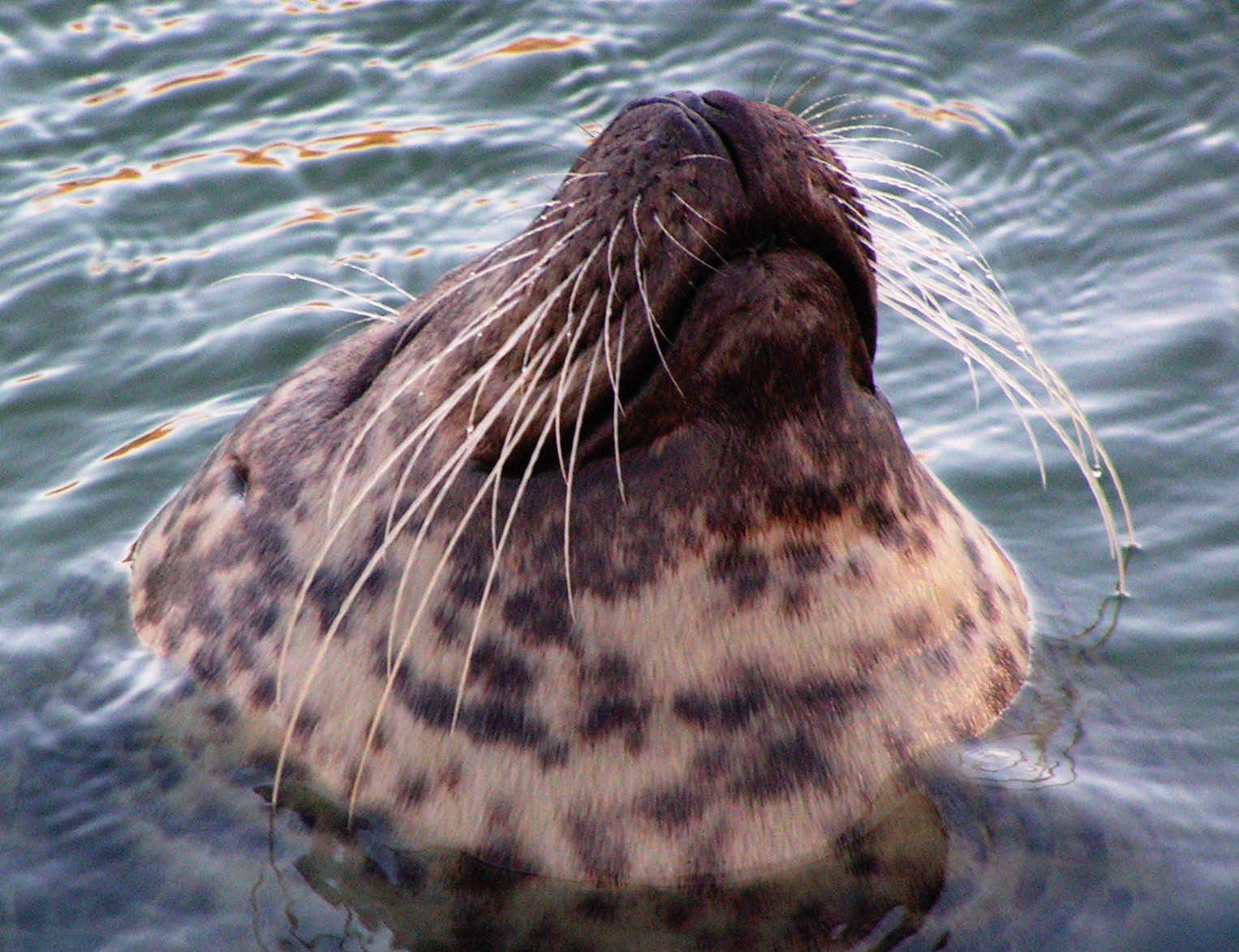
Blood Samples from 576 Wild Harbour Seals Establish 35 Health Reference Ranges
Blood samples collected from 576 wild harbour seals over 28 years produced reference intervals for 35 health parameters…
Read story →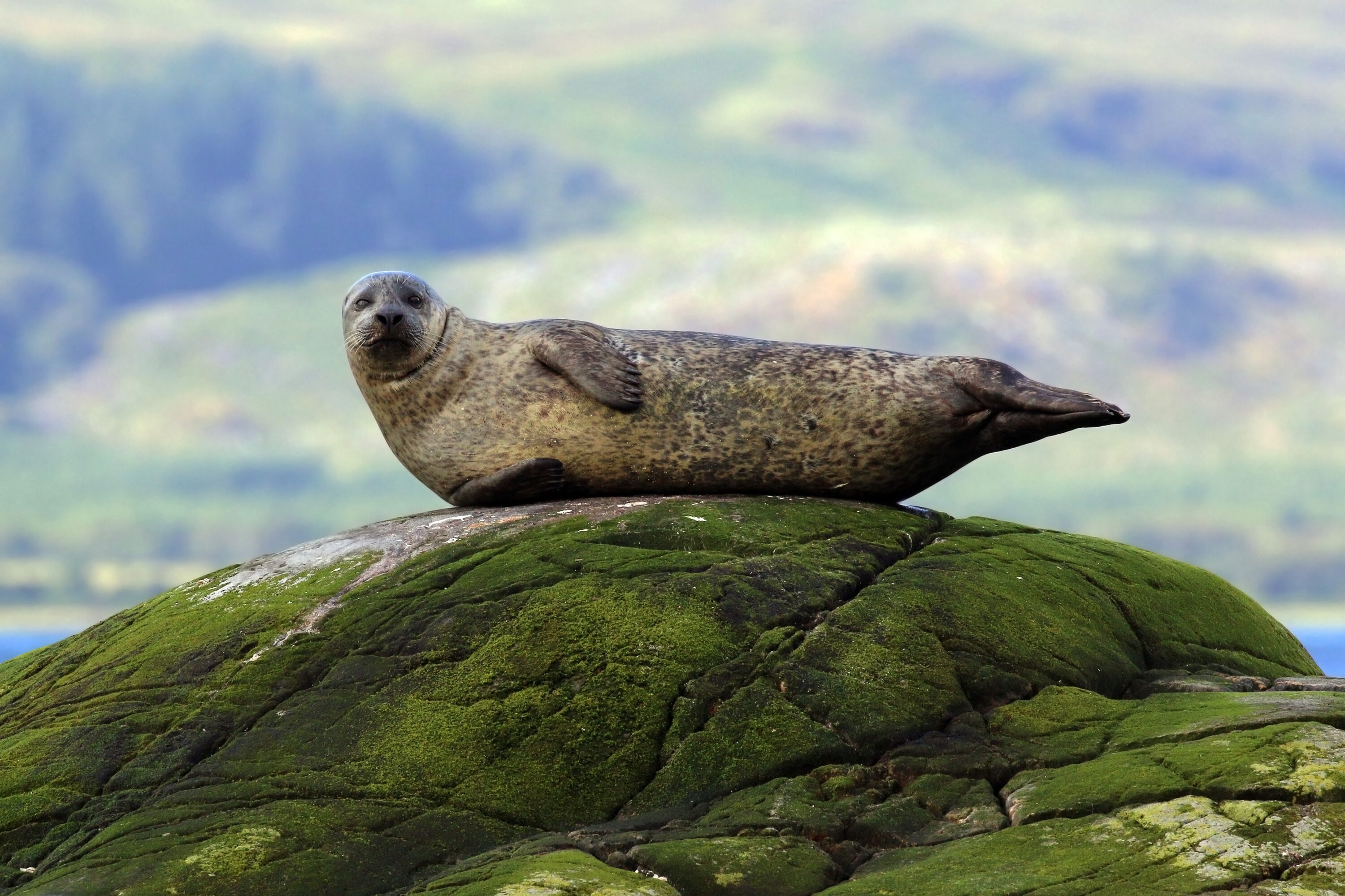
One Harbour Seal Had Similar Visual Acuity Underwater and in Air
A trained harbour seal detected small high- and intermediate-contrast targets about equally well underwater and in air, while…
Read story →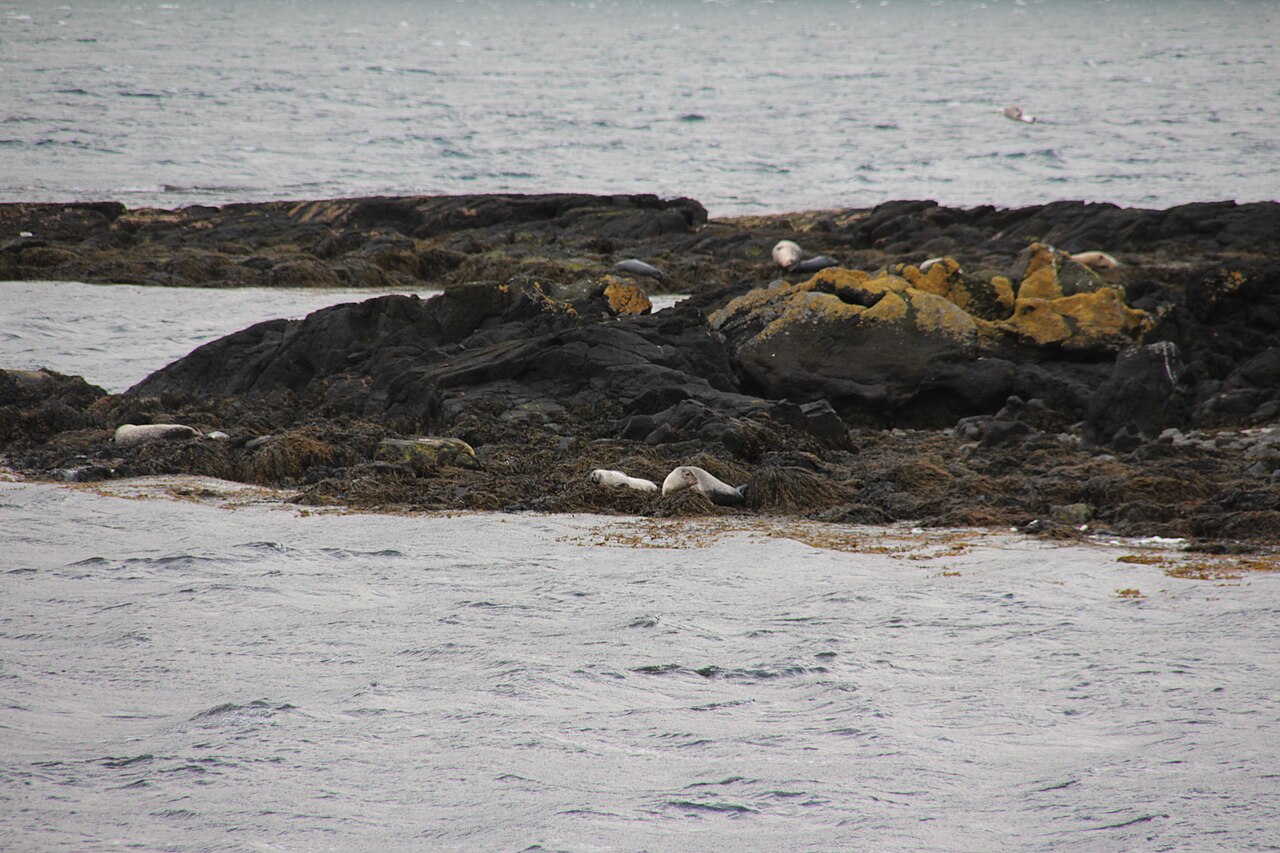
Northern Iceland Seal Count Recorded 441 Seals, Almost Unchanged From 2025
Volunteers counted 441 seals along just over 100 kilometres of coastline in northern Iceland on 27 July, almost…
Read story →SPECIES IN THIS STORY
Species in this story
Independent research and conservation news archive
Did you find this information useful?
Wildlife Vagabond is independently built and maintained. Voluntary support helps cover source verification, hosting and continued work on research and conservation news.
Support Wildlife VagabondThe news archive will remain freely available.