
Seven overlaps linked wild-bird H5 clusters with poultry outbreaks in the US
Highly pathogenic avian influenza (HPAI) is a form of influenza A that can cause severe disease in poultry. In the United States, clusters of H5 detections in wild waterfowl sometimes overlapped in time and place with outbreaks at commercial poultry operations, a study of surveillance records found. The analysis identified seven such overlaps. They point to possible epidemiological links, but do not show that a particular bird species transmitted the virus to a particular farm.
The study compared public USDA records of H5 detections in wild birds with outbreaks on commercial poultry farms across the contiguous United States from 2022 to early 2026. The dataset included 17,091 laboratory-confirmed detections in wild birds across 1,467 county-level locations.
Waterfowl species showed different cluster patterns
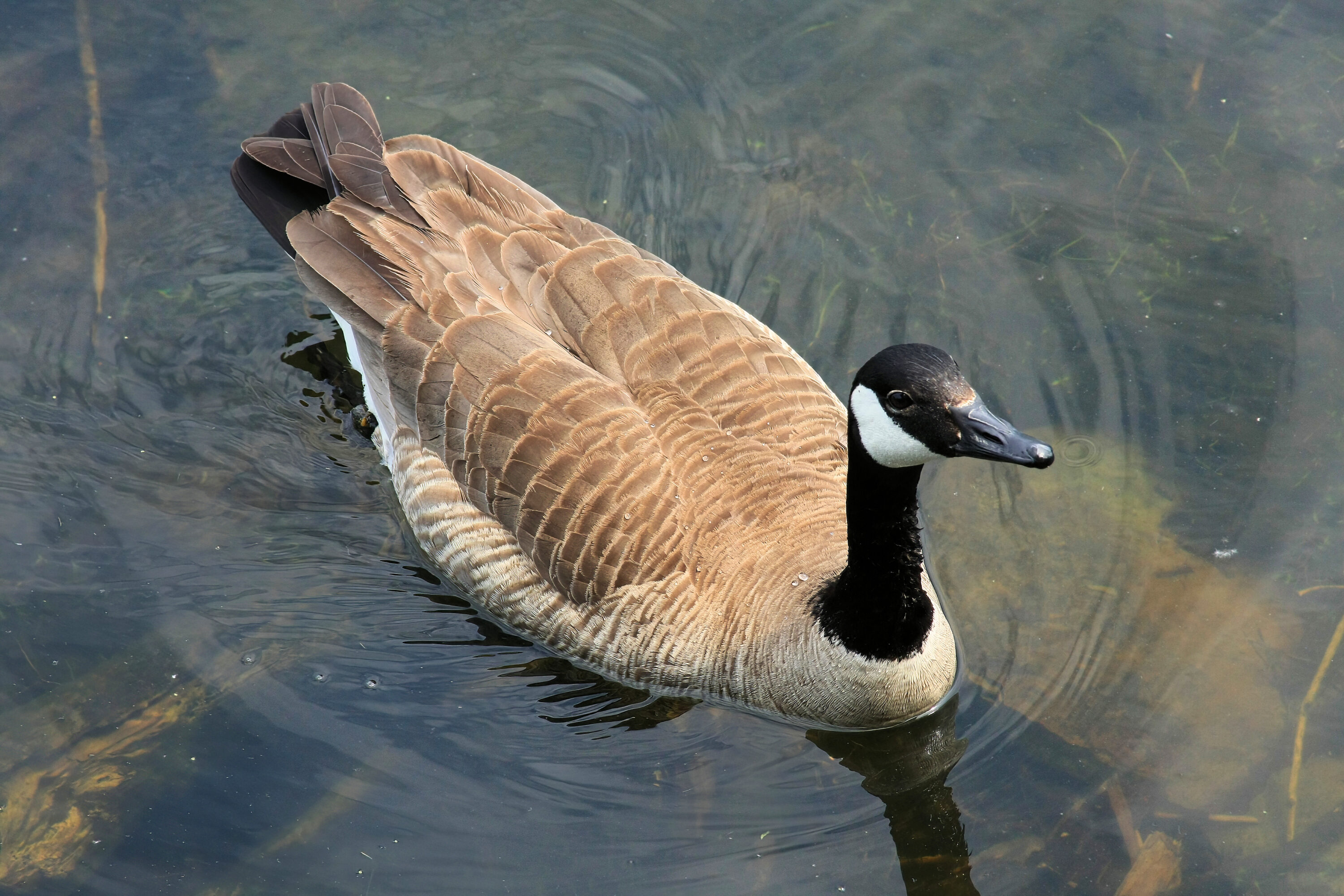
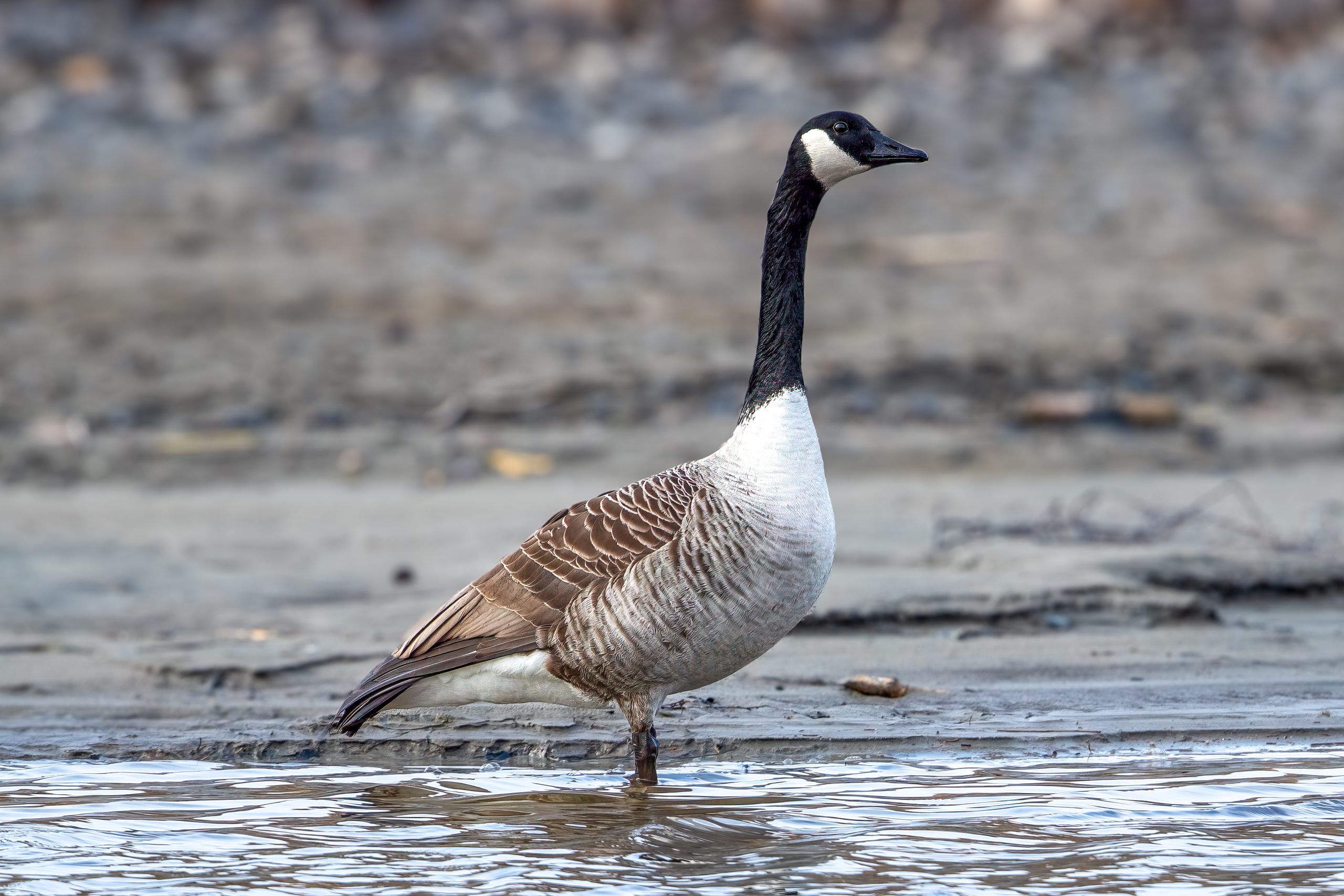
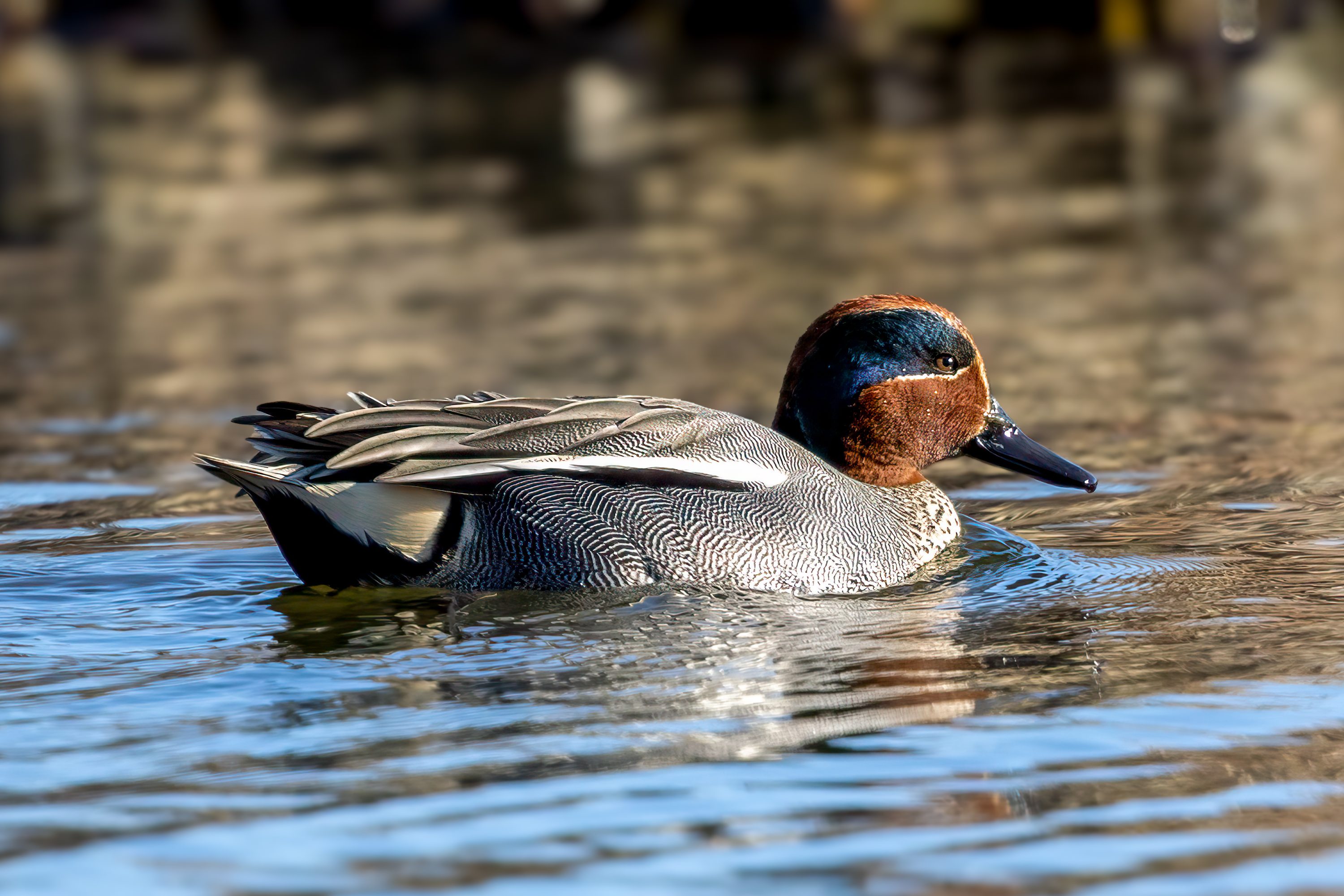
The analysis focused on four frequently detected waterfowl species: Mallard (Anas platyrhynchos), Canada Goose (Branta canadensis), Green-winged Teal (Anas carolinensis; the North American form of Anas crecca in AviList) and Snow Goose (Anser caerulescens). Together, they accounted for 39.7% of the wild-bird detections. Mallards accounted for 2,848 detections, Canada Geese for 1,496, Green-winged Teals for 1,364 and Snow Geese for 1,084.
All four species had statistically significant space-time clusters, but their patterns differed. Mallard and Canada Goose clusters recurred across broader areas. Green-winged Teal clusters tended to be shorter and more localized, while Snow Geese had fewer clusters, including some periods when detections remained elevated for longer.
A cluster meant that more detections were recorded in a particular place and period than expected from their distribution across the surveillance data. It did not mean that the infection rate among all birds living there had been measured.
Seven periods of overlap
The seven overlaps included Mallard detections in the Northeast in early 2022 that preceded outbreaks at table-egg layer and commercial duck operations. In spring 2022, Snow Goose detections overlapped with turkey outbreaks in the Upper Midwest, while Canada Goose detections overlapped with turkey outbreaks in the Pacific and Mountain West. Canada Goose and turkey clusters also overlapped in the Upper Midwest in winter 2022–2023.
In California, Snow Goose and Green-winged Teal detection clusters in early 2024 fell within the period of a prolonged commercial-duck outbreak cluster; broiler and table-egg layer outbreak clusters were also identified in the region later in 2024. In the Midwest in winter and spring 2025, Snow Goose and Canada Goose detections overlapped with turkey and table-egg layer outbreaks. Finally, Canada Goose and Mallard detections overlapped with commercial-duck outbreaks in the Upper Midwest in fall 2025.
Across the seven overlaps, Snow Geese and Canada Geese repeatedly coincided with turkey outbreaks, while Mallard detections overlapped with outbreaks involving commercial ducks and egg-laying chickens. These are ecologically plausible combinations to investigate: migrating geese travel in large flocks, Canada Geese frequently use agricultural areas, and Mallards can carry H5 viruses while showing few signs of illness. Shared wetlands, agricultural land, contaminated water or equipment may offer routes of exposure, but this study did not trace transmission between any individual wild bird and farm.
The poultry sectors also differed. Turkey and egg-layer farms had recurring outbreak clusters, including in the Midwest. Broiler clusters were more localized, while commercial-duck farms experienced a prolonged cluster in California as well as shorter episodes elsewhere.
Combining surveillance of wild birds with poultry outbreak monitoring may therefore help identify when particular regions need stronger farm biosecurity. The seven overlaps suggest potential epidemiological connections, not demonstrated transmission routes: identifying a route would require additional evidence, including comparisons of viral genomes.
Disease, parasites & microbiology
Related news

Mallard Population Growth Was Lower in Years With Longer Growing Seasons at Higher Latitudes
Across 38 years of western boreal survey data, annual mallard population growth was lower in years with longer…
Read story →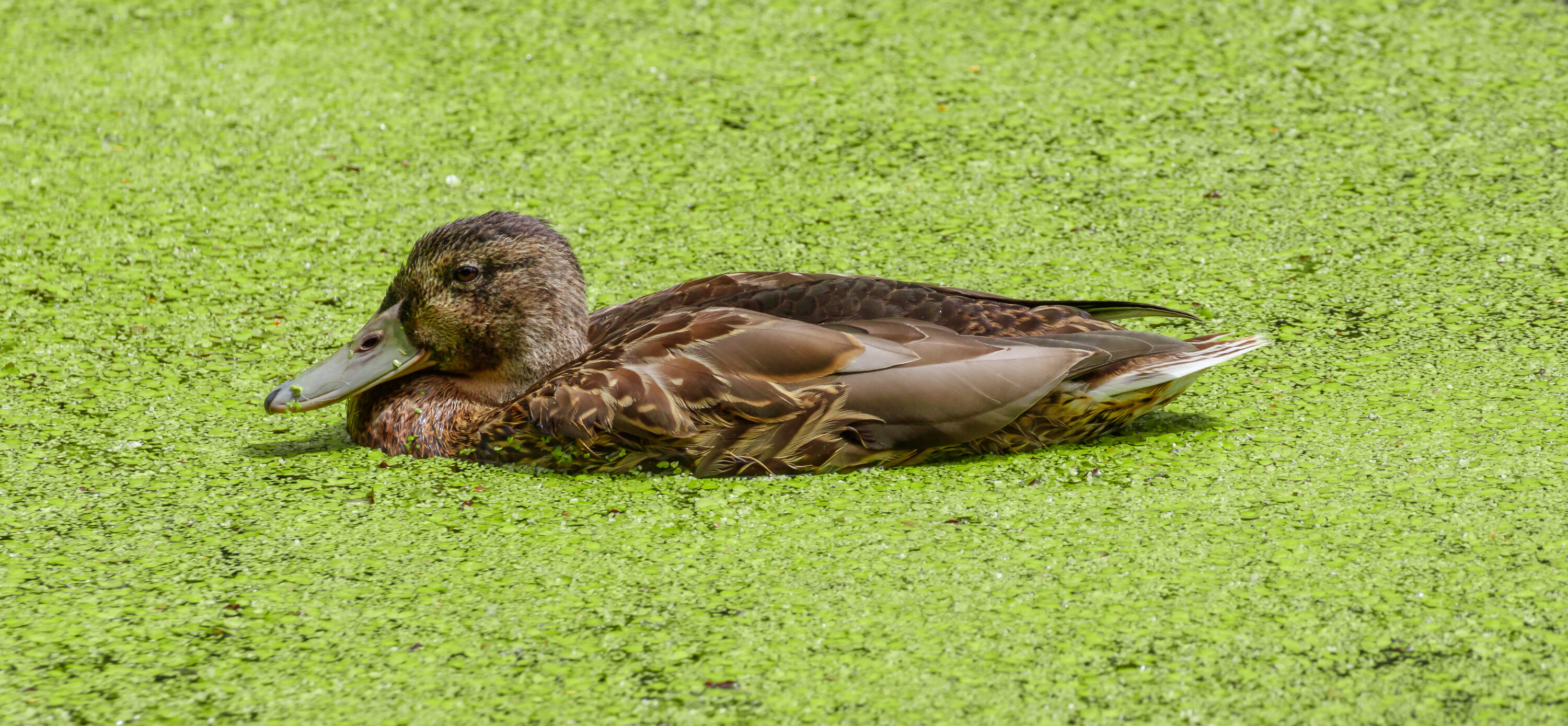
H5 Avian Influenza RNA and ESBL E. coli Detected in Water Bins Used by Wild Mallards in Germany
Water from baited bins visited mainly by wild mallards on Germany’s Baltic coast contained RNA from highly pathogenic…
Read story →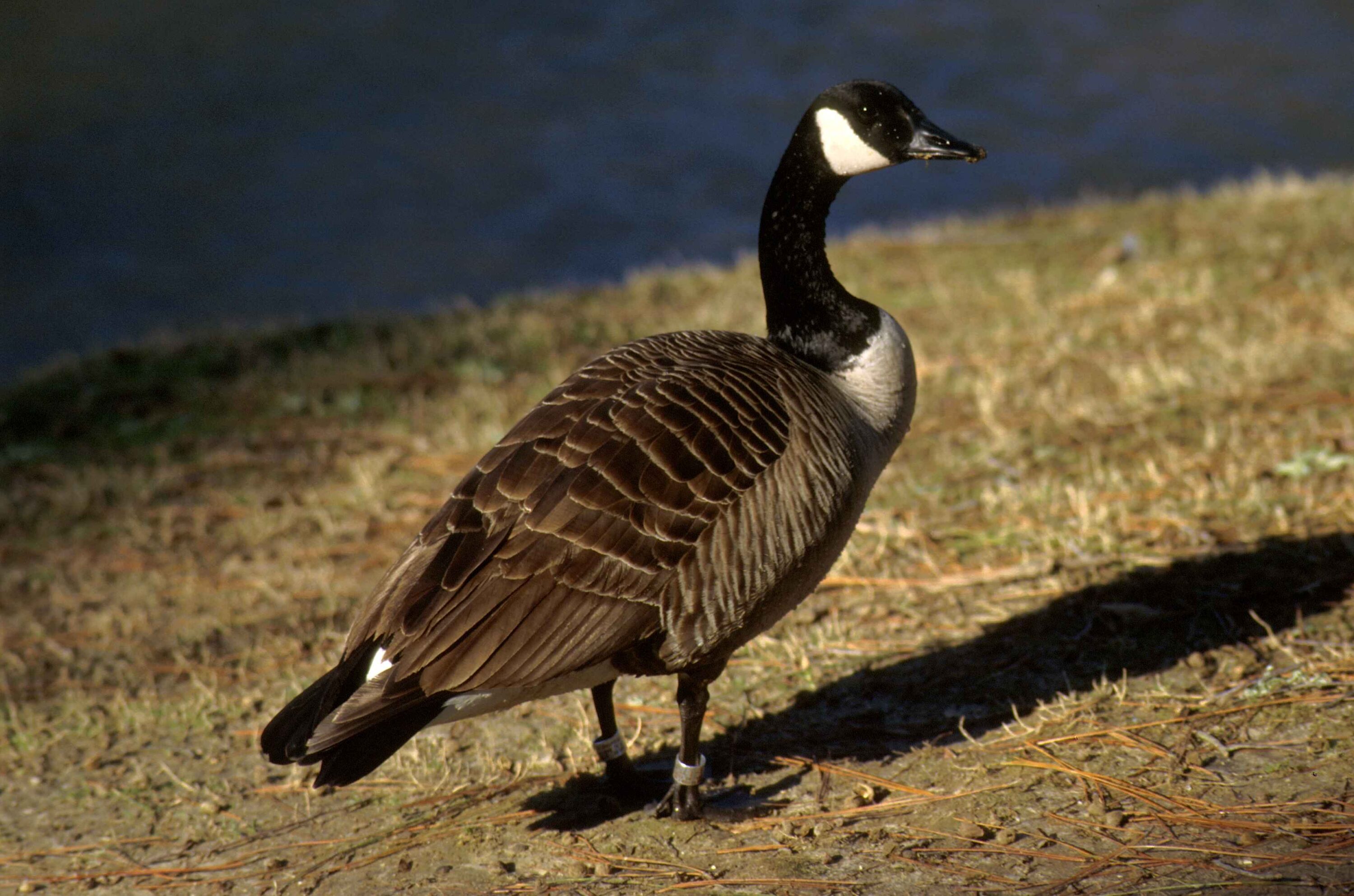
Adult Canada Geese Became Less Likely to Be Harvested Despite More Liberal Hunting Rules in Arkansas
From 2005 to 2020, estimated adult harvest probability declined while adult survival increased among Canada geese breeding in…
Read story →SPECIES IN THIS STORY
Species in this story

Independent research and conservation news archive
Did you find this information useful?
Wildlife Vagabond is independently built and maintained. Voluntary support helps cover source verification, hosting and continued work on research and conservation news.
Support Wildlife VagabondThe news archive will remain freely available.