
Shama Lineages Stayed Distinct While Oriental Magpie-Robins Mixed Genetically Across Borneo
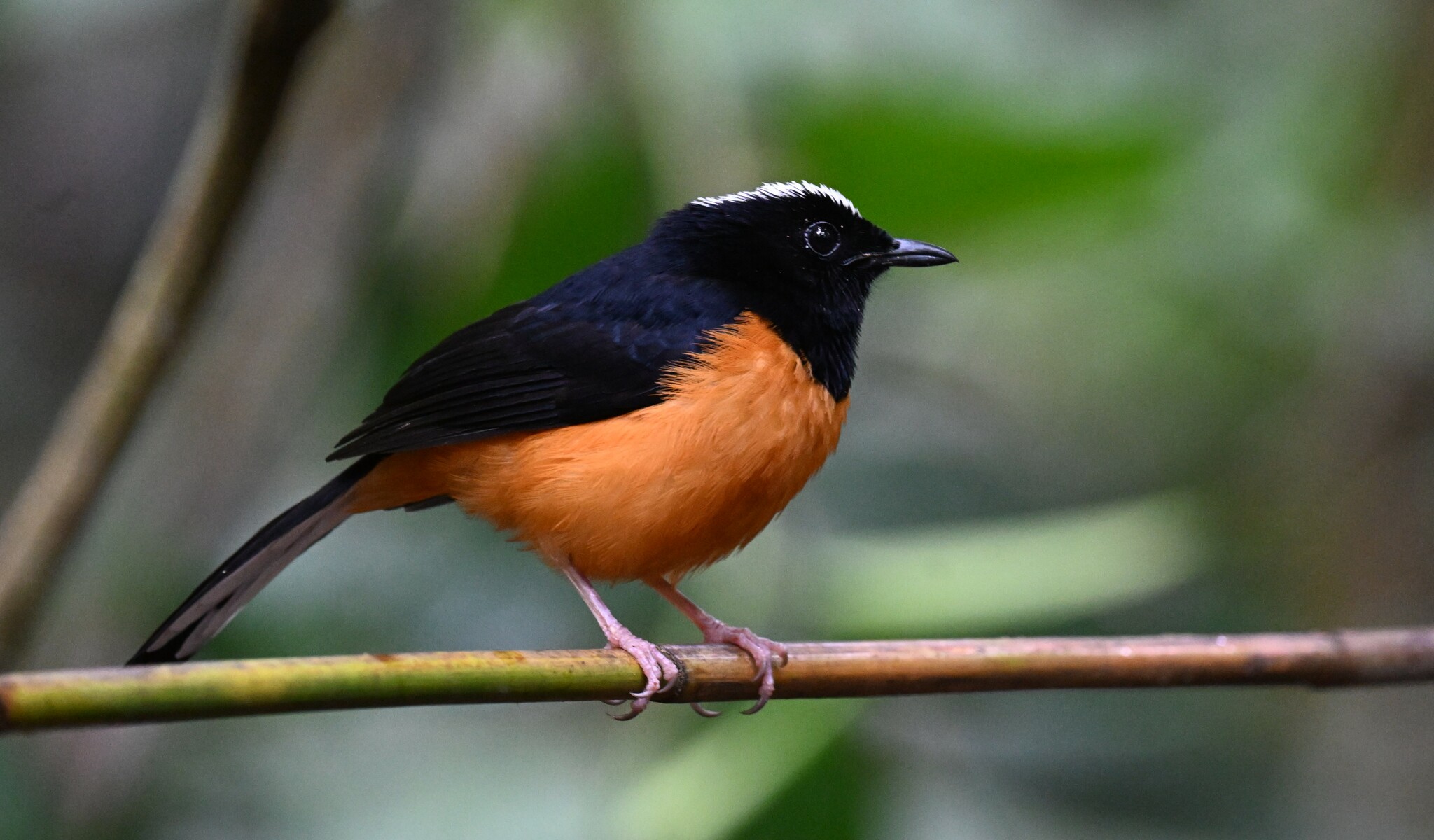
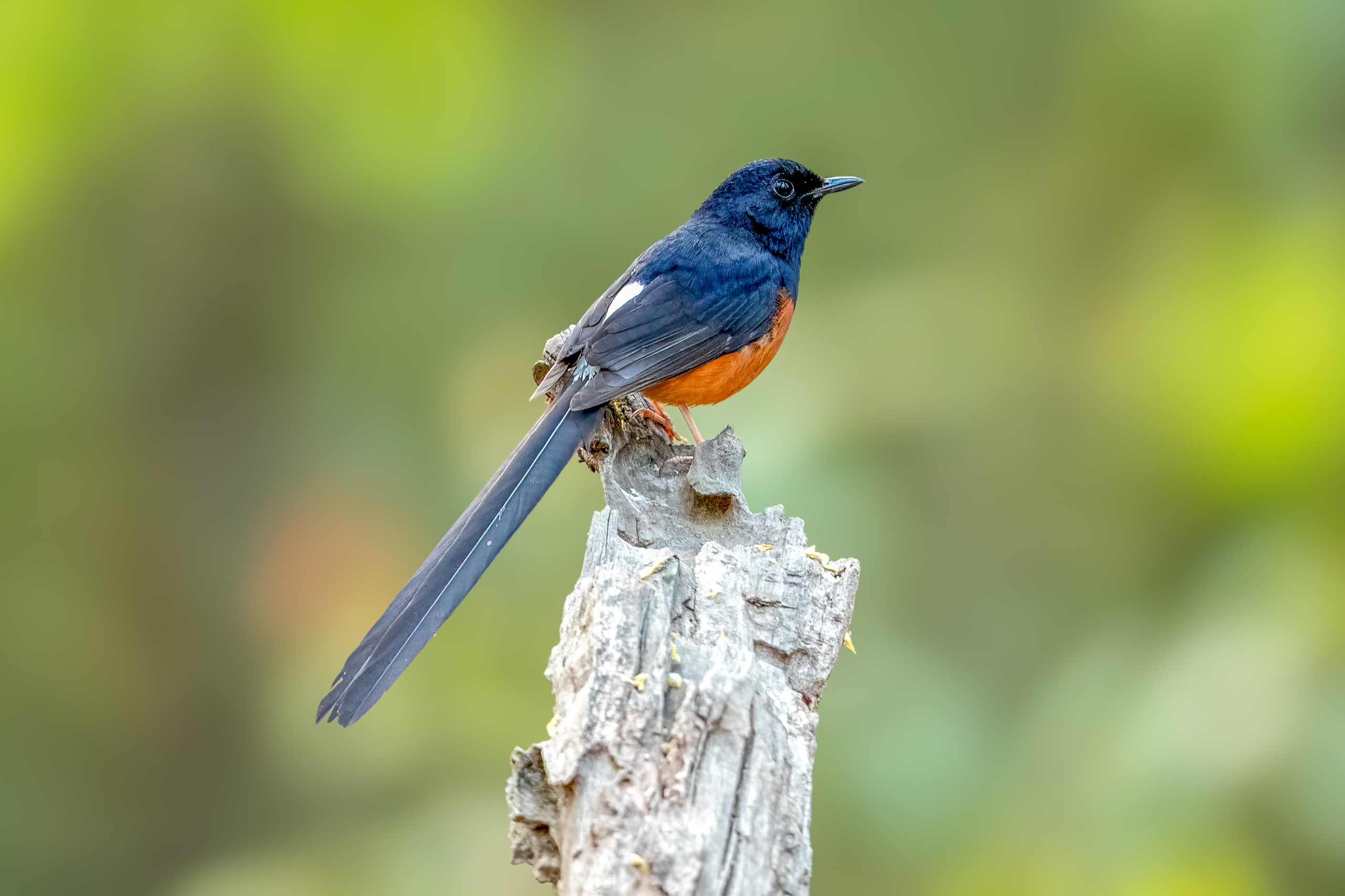
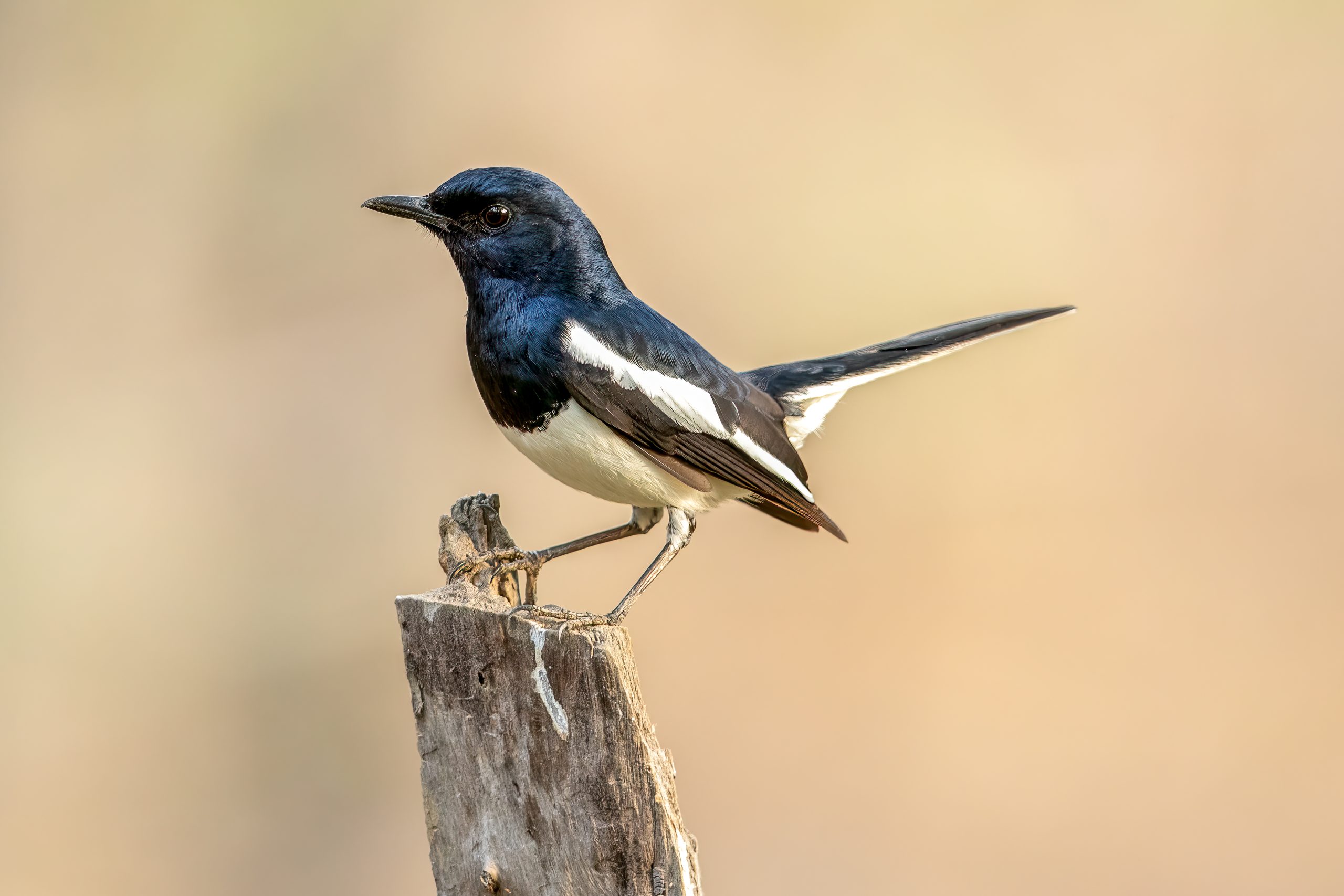
A genomic study of Copsychus songbirds found two very different evolutionary outcomes after previously separated lineages came back into contact on Borneo. Eastern and western Oriental magpie-robin (Copsychus saularis) lineages had mixed extensively, whereas the shamas — white-rumped shama (Copsychus malabaricus) in the west and Copsychus stricklandii in the east — remained much more sharply separated genetically.
This renewed contact between populations that evolved separately is called secondary contact. It can either blur genetic differences through gene flow or preserve and even strengthen divergence if reproductive barriers prevent genes from moving freely between the lineages. The two bird groups were especially useful for comparison because their eastern and western lineages had similar estimated divergence times, yet their genomes showed very different outcomes after contact.
Magpie-robin genomes showed extensive introgression
Oriental magpie-robins showed weak population structure across Borneo and extensive introgression. Introgression occurs when hybridisation is followed by repeated backcrossing, so genetic variants from one lineage become incorporated into the genome of another. The broad genomic mixing matched the relatively gradual geographical changes in magpie-robin plumage.
Introgression was particularly elevated on the Z chromosome, one of the avian sex chromosomes. Male birds have two Z chromosomes, whereas females have one Z and one W. The authors suggest that the unusual Z-chromosome pattern could reflect sex-biased processes such as differences in dispersal, but the study did not establish one specific mechanism.
Shama lineages stayed genetically distinct
The shamas showed the opposite pattern. C. malabaricus and C. stricklandii remained clearly separated, with little apparent evidence of late-generation hybrids or backcrosses. The authors interpret this as strong postmating reproductive isolation: mating or early hybridisation may occur, but genetic material crosses the lineage boundary only weakly through later generations.
The shama genome also contained pronounced peaks of divergence — regions where the two lineages differed much more strongly than the genomic background. Some candidate loci in these regions have previously been associated with melanism and with song learning or production. These associations identify biologically interesting candidates, but they do not show that the loci themselves caused the plumage or song differences between the shamas.
Mitochondrial DNA points to repeated colonisation of Borneo
Mitochondrial genomes, which in birds largely trace the maternal line, suggested repeated colonisation of Borneo by magpie-robin lineages from western Sundaland. The authors infer that these western lineages displaced older Bornean lineages eastward.
They propose that western magpie-robins may have been better able to exploit open habitats that expanded across the Sunda Shelf during glacial periods. This is an evolutionary interpretation of the demographic and mitochondrial pattern rather than a direct experimental test of habitat performance.
The comparison shows that secondary contact does not have one inevitable outcome. Closely related bird lineages with similar times since divergence can either exchange genes extensively, as in the magpie-robins, or retain strong reproductive barriers, as in the shamas.
Evolution & taxonomy
Related news
Six Cavity-Nesting Bird Species Bred Successfully in Artificial Nests in Punjab
Punjab Agricultural University reported successful breeding in artificial nests by six cavity-nesting species, including Indian roller, spotted owlet…
Read story →
88% of Monitored Oriental Magpie-Robin Nests Produced a Fledgling in Islamabad
Of 32 active Oriental Magpie-Robin nests monitored at Quaid-i-Azam University, 28 produced at least one fledgling. Most nests…
Read story →
Six Hong Kong Bird Species Sang Earlier Where Artificial Night Light Was Stronger
Across 20 Hong Kong sites, six of eight common bird species began their dawn chorus earlier where artificial…
Read story →SPECIES IN THIS STORY
Species in this story
Independent research and conservation news archive
Did you find this information useful?
Wildlife Vagabond is independently built and maintained. Voluntary support helps cover source verification, hosting and continued work on research and conservation news.
Support Wildlife VagabondThe news archive will remain freely available.