
New Shiqi Pigeon Genome Placed 97.8% of Its Sequence on 41 Chromosomes
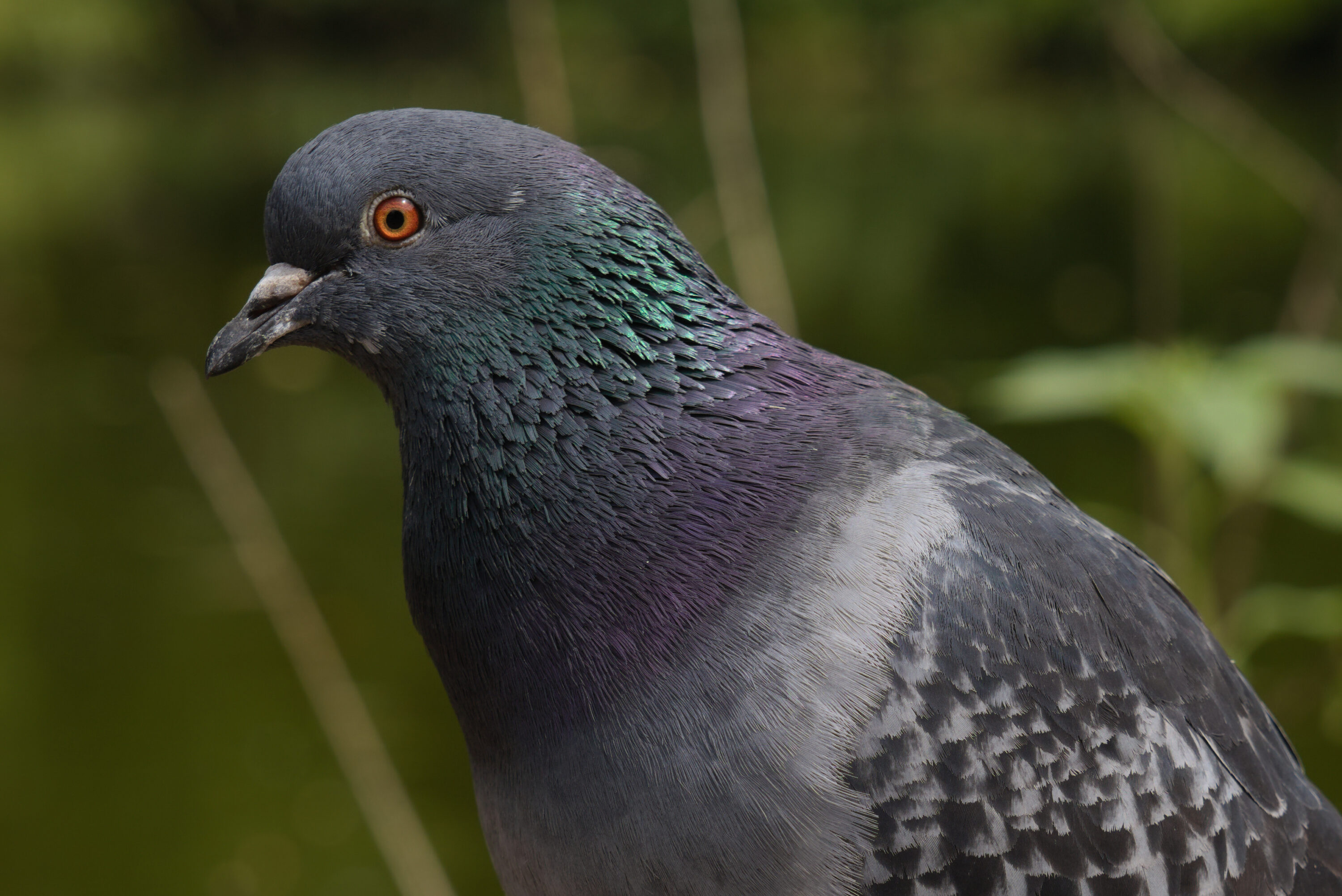
A chromosome-level reference genome has been assembled from a female Shiqi pigeon, a domestic meat breed of rock dove (Columba livia) from Zhongshan in southern China. The bird was sampled in Zhongshan, and the study was published in Scientific Data on 25 July 2026.
The researchers combined PacBio HiFi long reads with Hi-C data. HiFi reads provide long, highly accurate stretches of DNA sequence, while Hi-C helps determine which sequence blocks belong together on the same chromosome.
Most of the genome was anchored to chromosomes
The final assembly spans 1.244 gigabases, or about 1.24 billion DNA bases. About 97.8% of the assembled sequence was placed on 41 chromosomes, and the researchers annotated 15,184 protein-coding genes. BUSCO analysis found 97.7% of the conserved genes expected in a high-quality bird genome, supporting the completeness of the assembly.
A reference genome provides a map for later genetic studies
Shiqi pigeons are an economically important Chinese meat breed. A chromosome-level genome gives researchers a clearer reference for locating genes, comparing chromosome structure and studying genetic differences among pigeon breeds and populations.
The study itself did not identify genes for a particular production trait or reconstruct the breed’s full domestication history. Its main contribution is the reference genome, which can now support future work on genetic architecture, artificial selection, breed evolution and molecular breeding in domestic pigeons.
Genetics & genomics
Related news
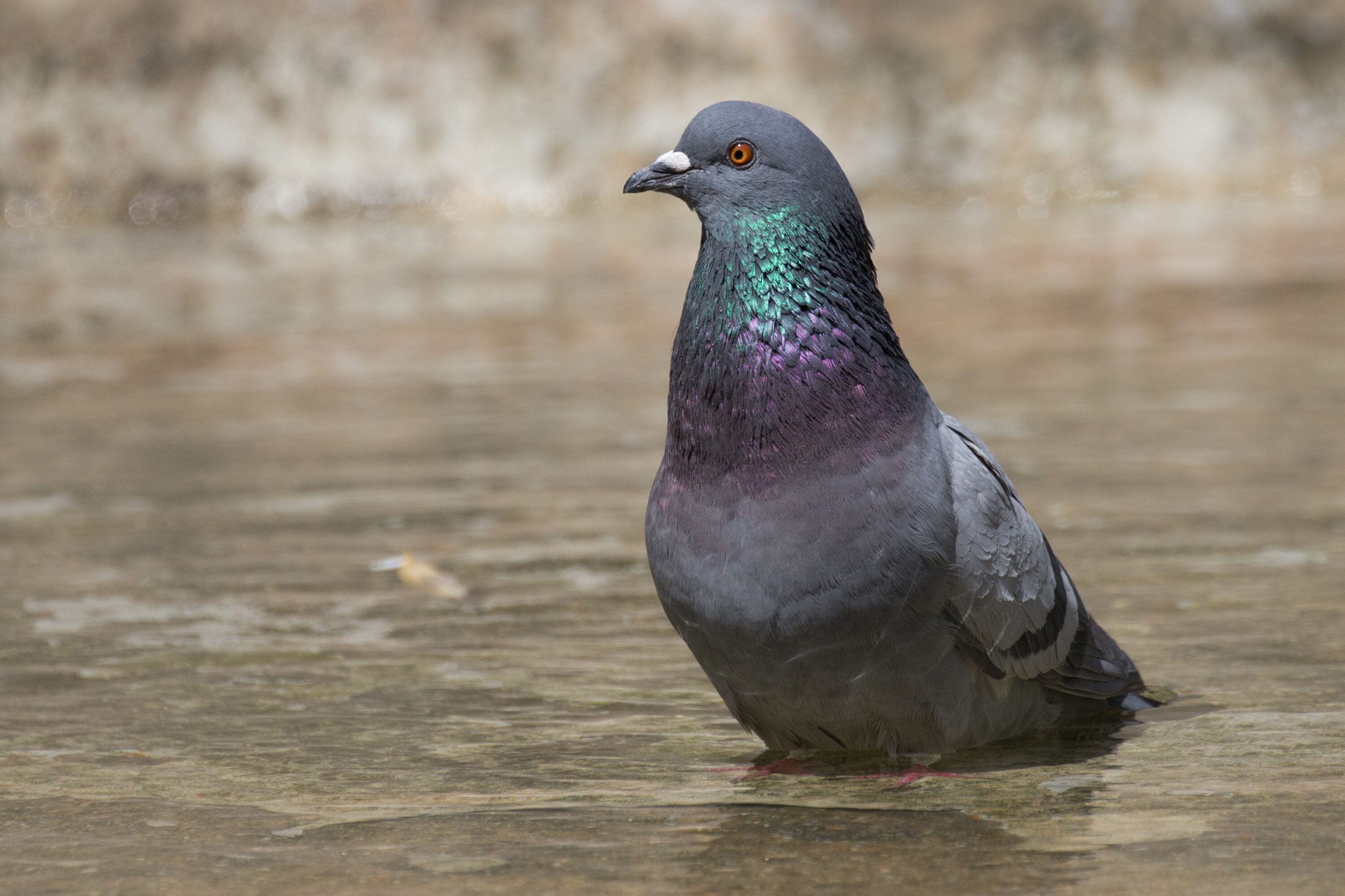
Rock Doves Preferred Predictive Information Despite a Lower Food Payoff
Seven rock doves preferred an informative option that paid on 20% of trials over a non-informative option that…
Read story →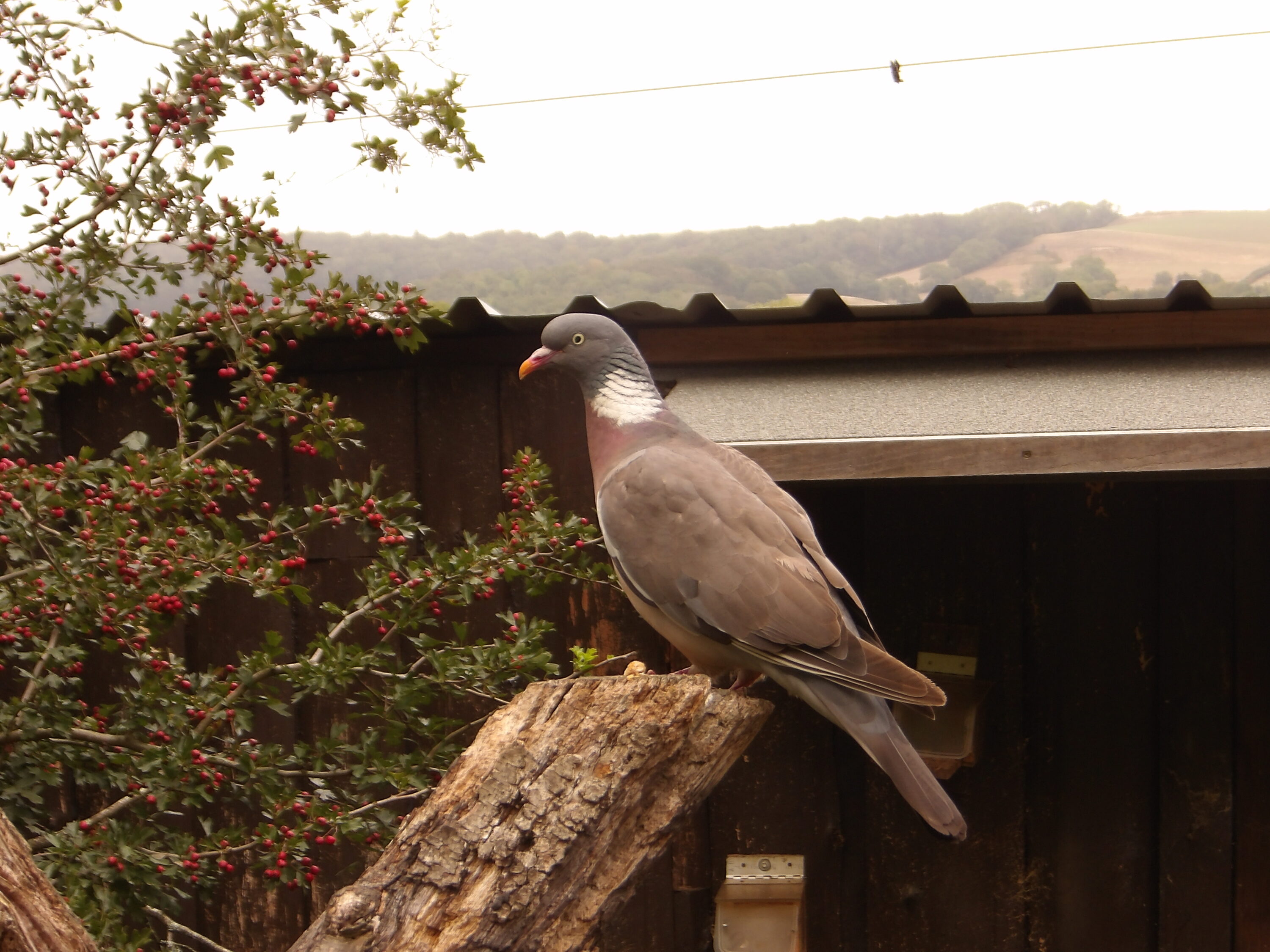
Rotavirus A Antibodies Were Common in Feral Pigeon Samples but Rare in Wood-Pigeon Samples in Germany
A German study detected rotavirus A-reactive antibodies in 79.2% of free-ranging feral pigeons and 77.0% of domestic pigeons,…
Read story →
Pigeon Paramyxovirus-1 Was Confirmed in 10 of 39 Diseased Pigeons From Egypt
A 2026 field investigation confirmed pigeon paramyxovirus-1 RNA in 10 of 39 domestic pigeons showing neurological or gastrointestinal…
Read story →SPECIES IN THIS STORY
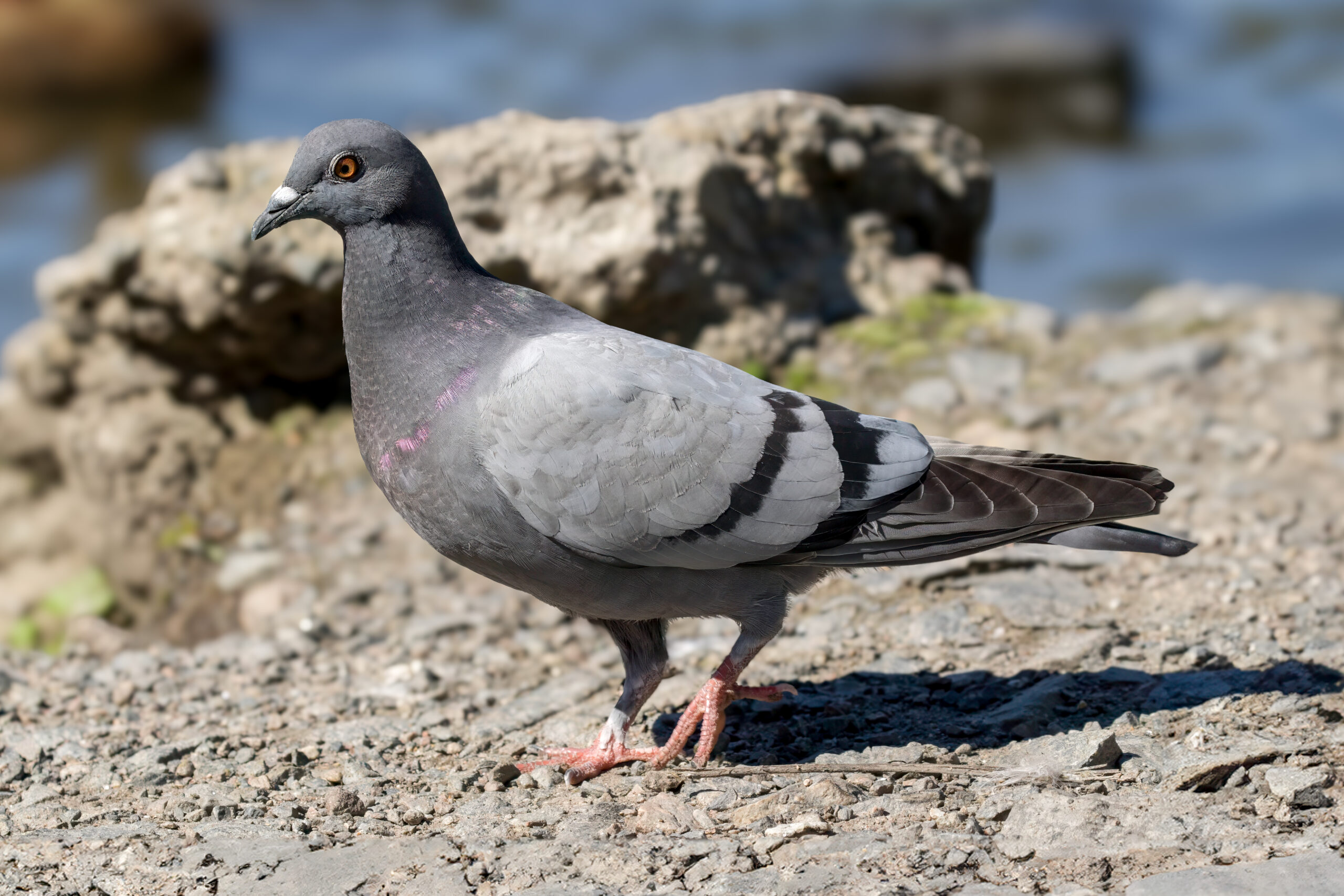
Species in this story
Independent research and conservation news archive
Did you find this information useful?
Wildlife Vagabond is independently built and maintained. Voluntary support helps cover source verification, hosting and continued work on research and conservation news.
Support Wildlife VagabondThe news archive will remain freely available.