
A Single High Lead Dose Altered Blood Cells in Great Tit Chicks
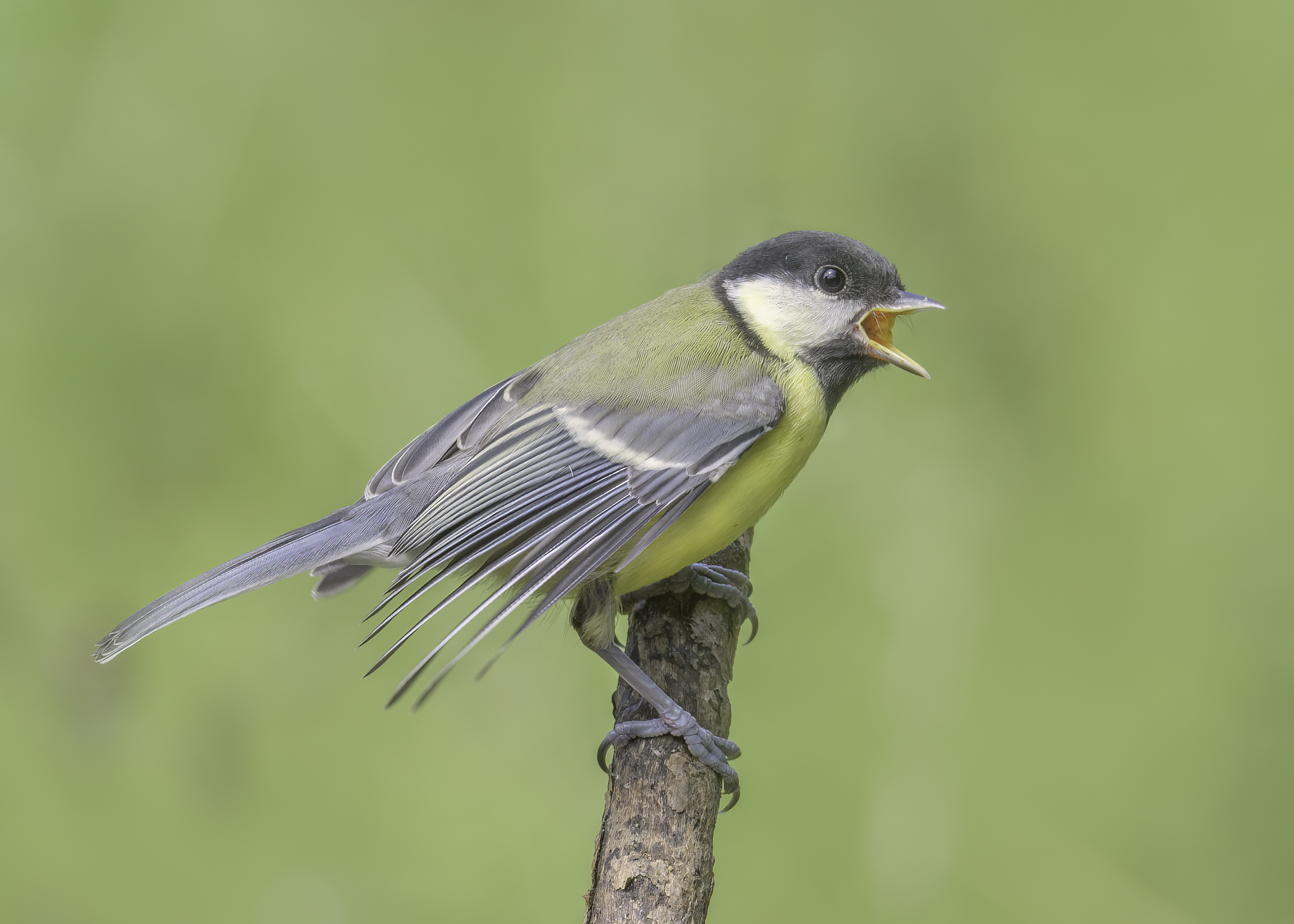
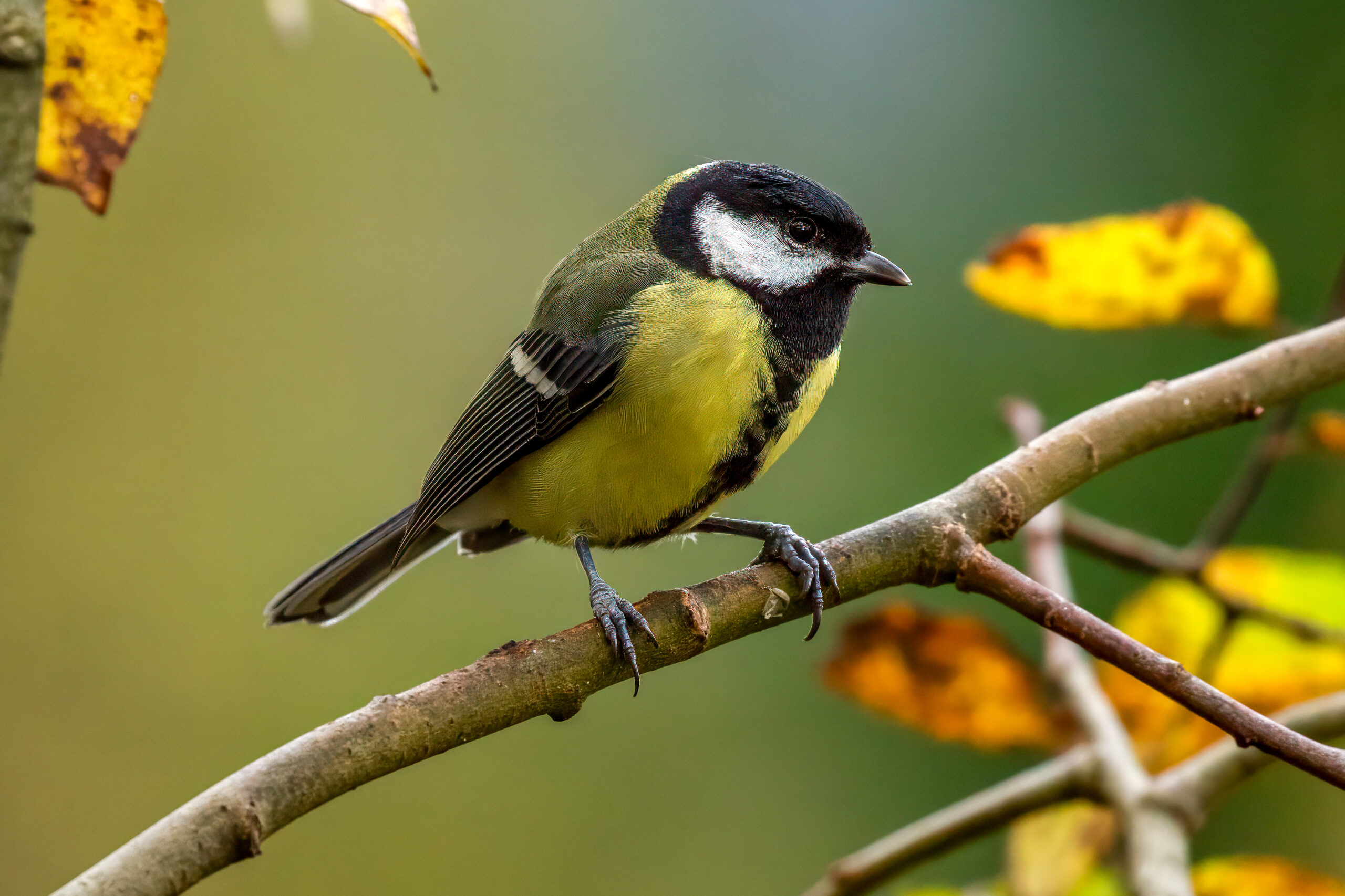
In a Polish study, a single experimental lead exposure changed red blood cells in great tit (Parus major) nestlings. In the study, published in Scientific Reports on 18 August 2026, the higher lead dose produced smaller erythrocytes and altered their shape, while abnormalities in the cell nuclei became more frequent as the dose increased.
The researchers exposed nestlings once to one of two dietary lead levels and then examined the size, shape and nuclear structure of their erythrocytes. Lead is known to affect blood formation in birds, but changes in the dimensions and form of individual blood cells have received less attention.
The strongest morphometric changes occurred at the higher exposure level: erythrocytes were smaller and their shape differed from those of less-exposed birds. Nuclear abnormalities also showed a dose-dependent pattern, with a greater frequency as lead exposure increased.
The authors suggest that these changes in erythrocyte morphology could provide a sensitive way to detect biological effects of lead pollution in birds. The result suggests that these changes in blood-cell structure can be detected after a single exposure.
Physiology
Related news
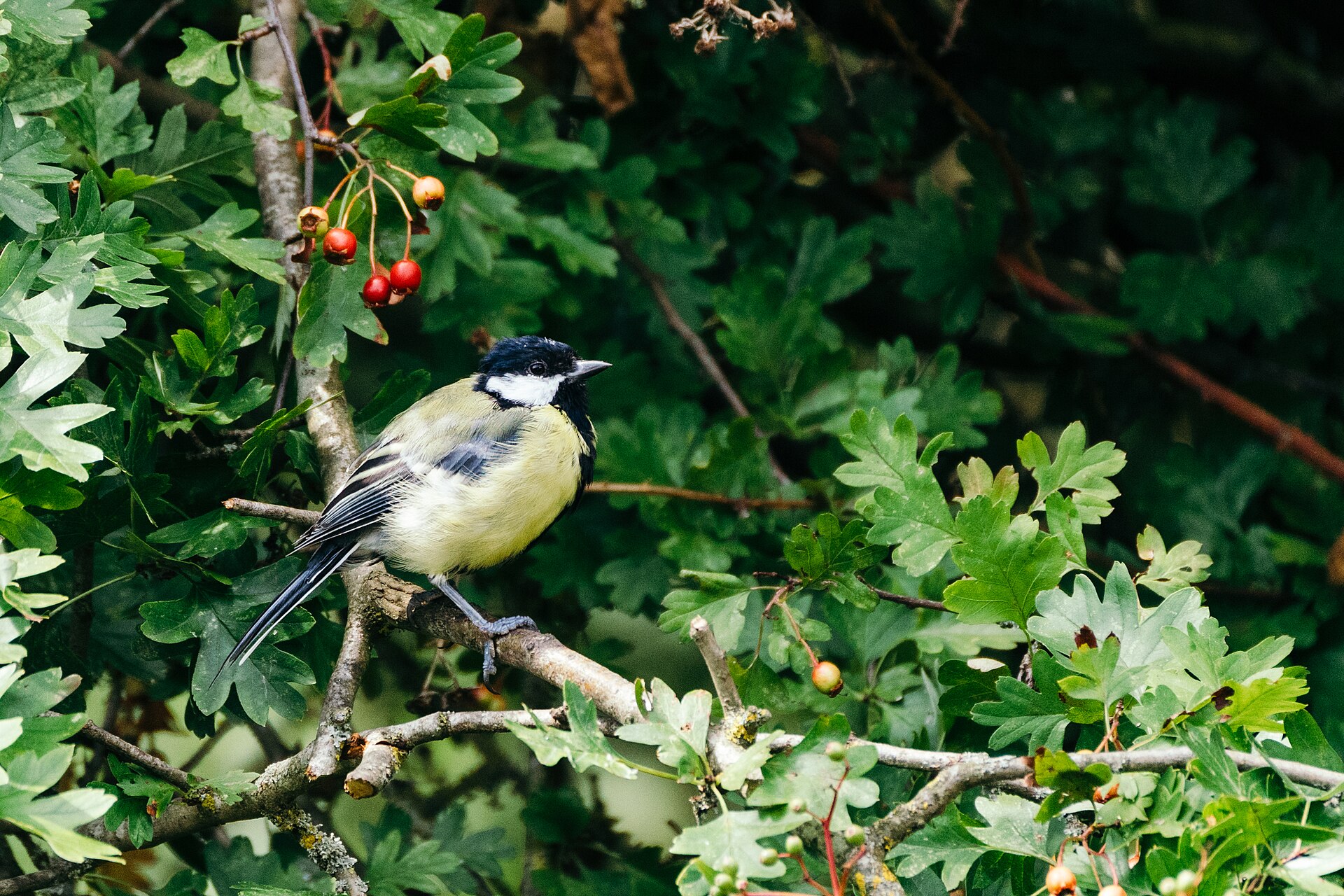
City and Forest Great Tits Respond Differently to Artificial Light at Night
In a common-garden experiment, artificial light initially advanced daily activity onset in great tits from both city and…
Read story →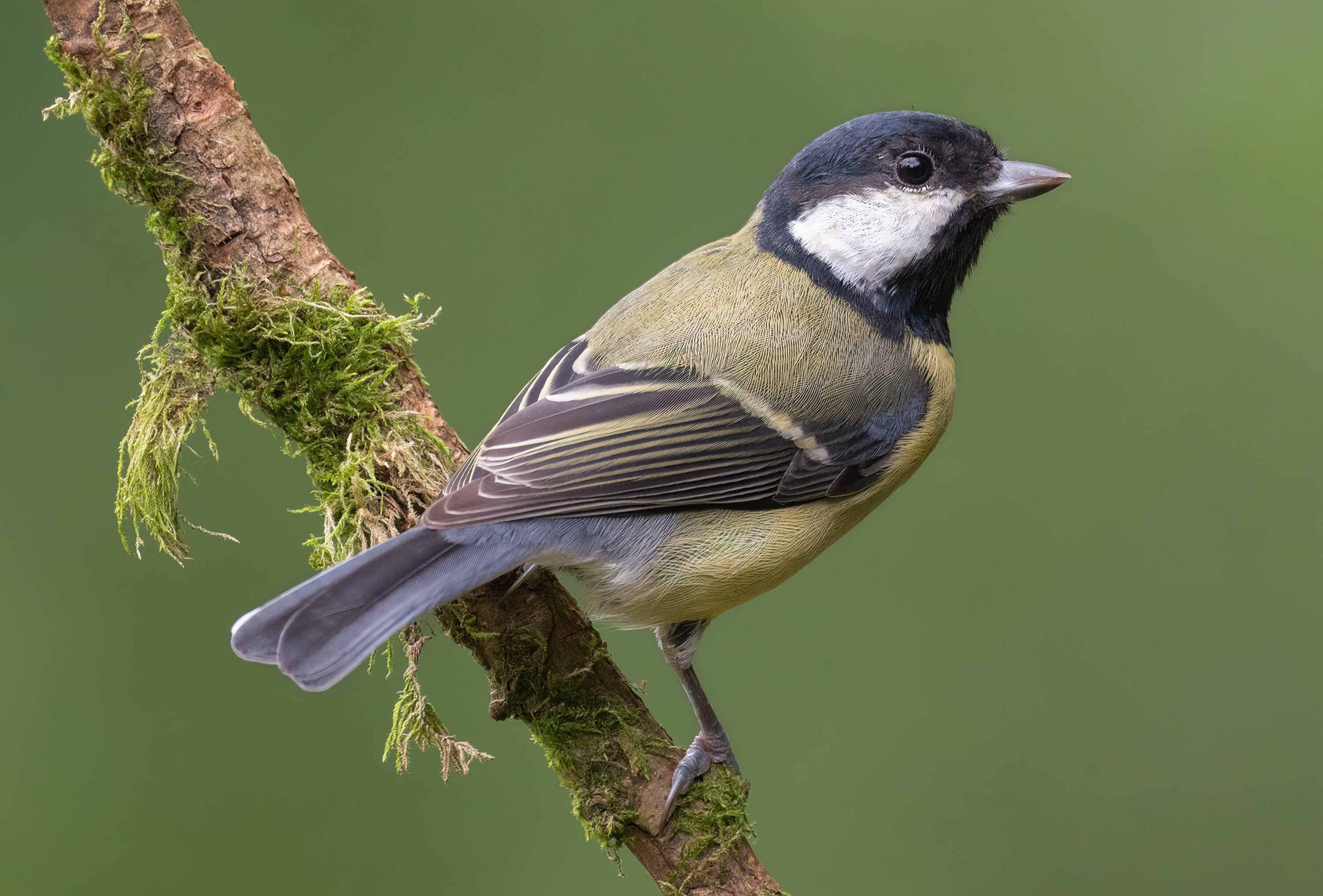
Great Tits Infected Ticks With Borrelia Most Often During Breeding
Across 420 xenodiagnoses in northern Belgium, wild Great Tits were much more likely to transmit Borrelia garinii to…
Read story →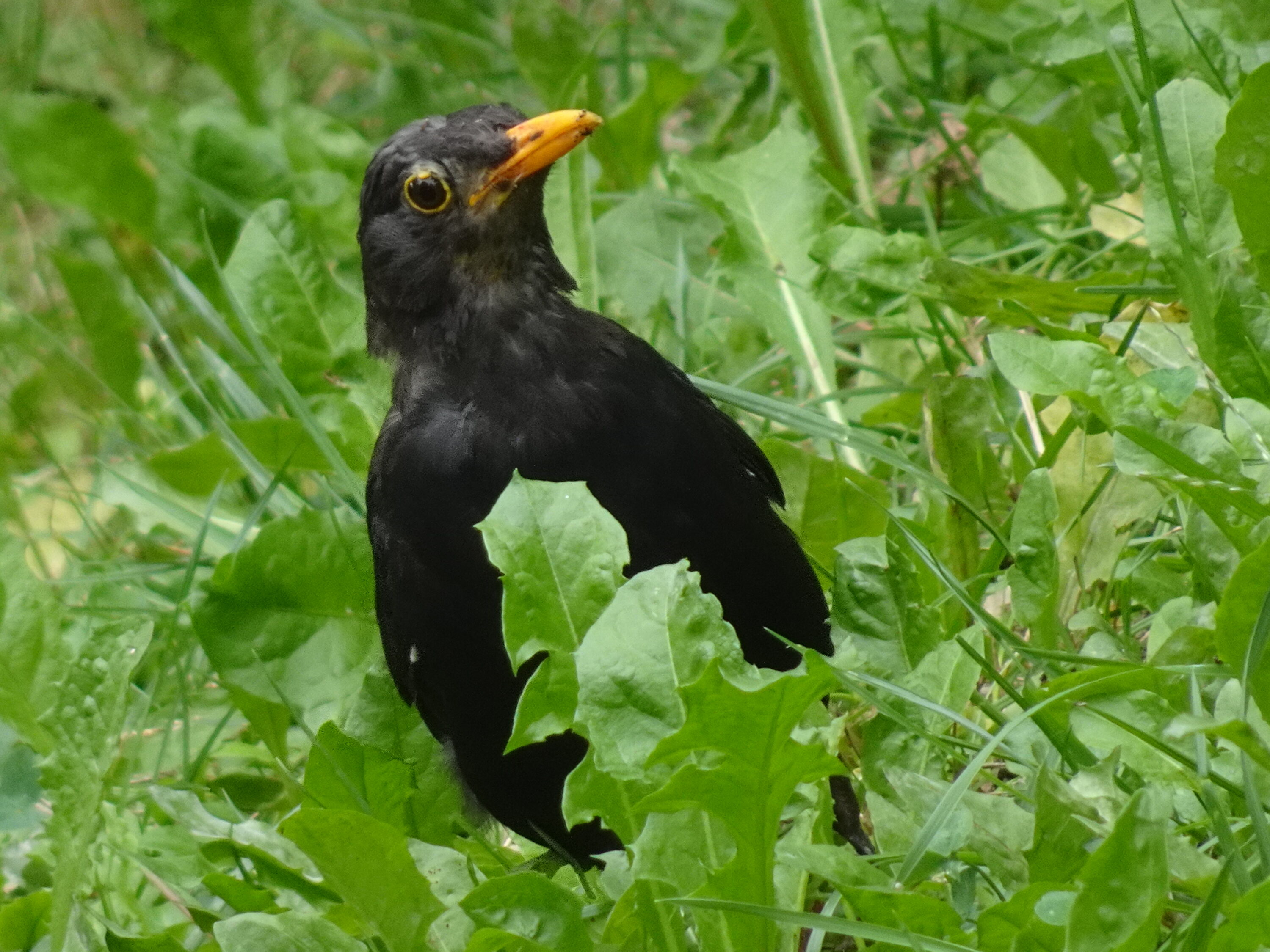
Urban Bird Diversity Was More Strongly Linked to Forest Structure Than the Surrounding City
Across 12 urban forests in three Italian cities, researchers recorded 2,035 birds from 52 species. Local forest structure…
Read story →SPECIES IN THIS STORY
Species in this story
Independent research and conservation news archive
Did you find this information useful?
Wildlife Vagabond is independently built and maintained. Voluntary support helps cover source verification, hosting and continued work on research and conservation news.
Support Wildlife VagabondThe news archive will remain freely available.