
Speckled Mousebirds Carried Cotton Seeds up to 449 Metres While Building Nests
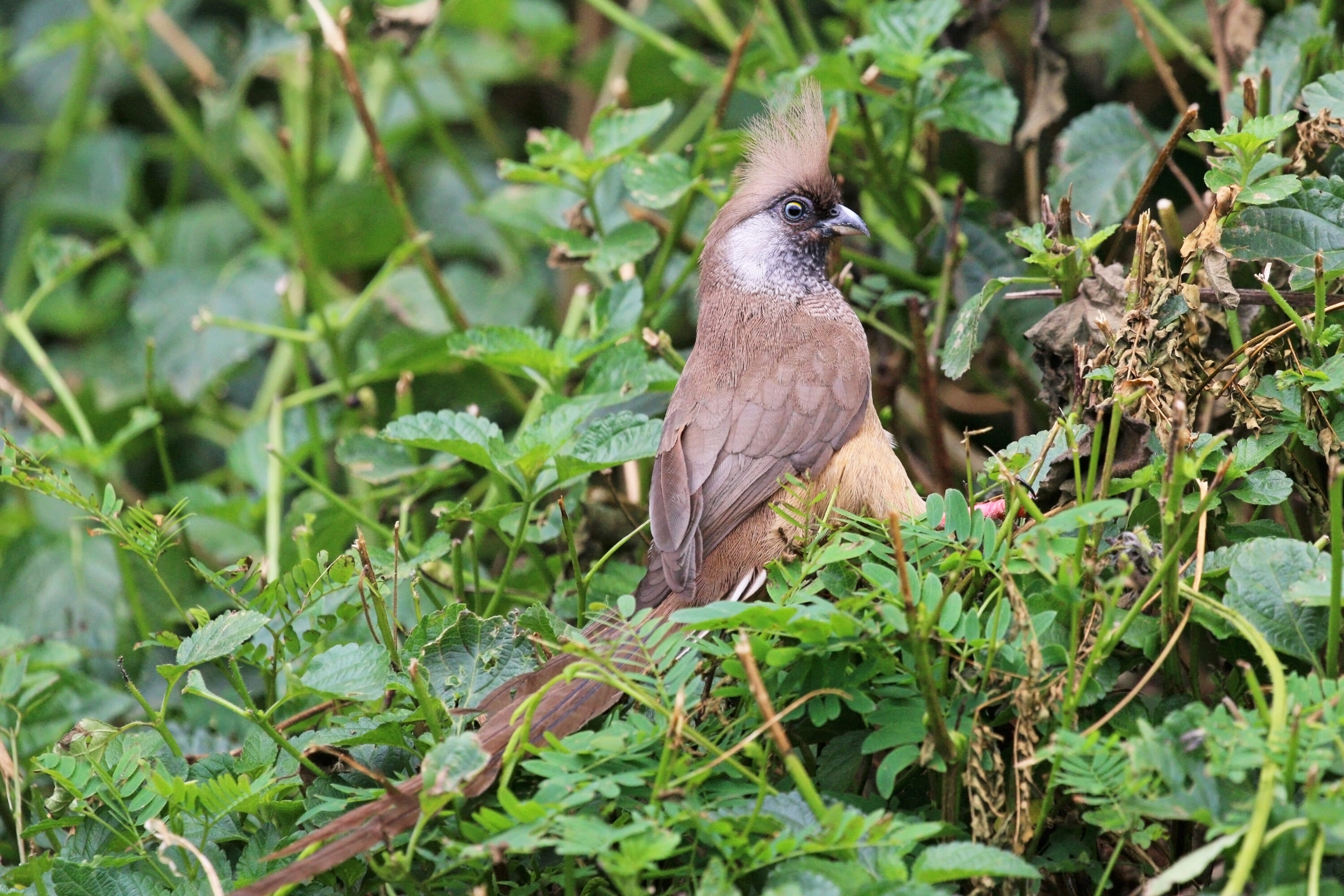
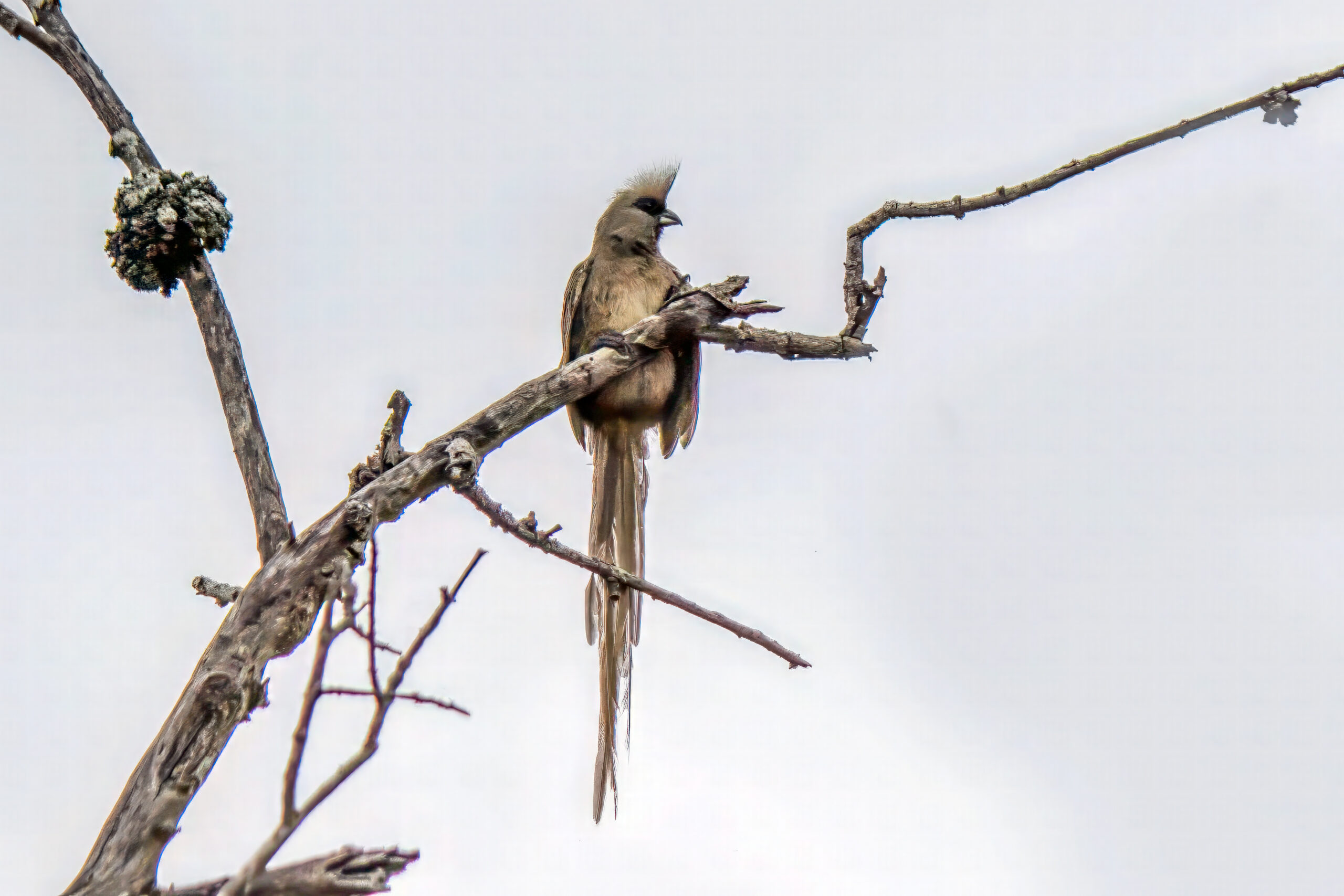
Speckled mousebirds (Colius striatus) in Eswatini deliberately collected wild cotton for their nests and, in doing so, carried cotton seeds hundreds of metres from the parent plants. A study first published in Oikos on 15 March 2026 shows that nest building can function as a form of long-distance seed dispersal known as caliochory: animals move seeds while carrying plant material to their nests.
The researchers studied speckled mousebirds and red-faced mousebirds (Urocolius indicus) in Mbuluzi Game Reserve in northeastern Eswatini during the 2023–2024 breeding season. The birds used fibres from wild cotton (Gossypium herbaceum) as soft nest material.
Nine nests contained 602 cotton seeds
After breeding attempts had finished, the team collected and examined 25 speckled mousebird nests and two red-faced mousebird nests. Seven of the speckled mousebird nests and both red-faced mousebird nests contained cotton fibres, and every piece of cotton examined still contained seeds. Altogether, 602 cotton seeds were recovered from the nine nests, with individual nests containing between eight and 215 seeds.
To find out where the cotton came from, the researchers colour-marked 1,882 seeds on 18 cotton plants and in nine old nests. Marked seeds later recovered from active nests allowed them to measure the minimum distance the cotton had been transported. Speckled mousebirds carried marked seeds between 9 and 449 metres, while the two red-faced mousebird nests contained seeds transported between 548 and 1,020 metres. These are minimum straight-line distances, and the authors note that unmarked cotton may have come from sources outside the core study area. For speckled mousebirds, the longest transport also exceeded their typical breeding-season daily movement radius of about 100–300 metres.
Cameras confirmed deliberate cotton transport
Cameras at speckled mousebird nests confirmed that the cotton did not simply arrive by chance. The researchers recorded 23 occasions when birds deliberately brought cotton to the nest in their beaks. In many cases, a bird arriving with cotton passed it to another bird at the nest, which then worked the material into the nest structure.
The birds also recycled cotton from old nests. In one recorded case, a colour-ringed speckled mousebird removed cotton from an abandoned nest, and the marked seeds from that material were later found in another active nest. This means that some seeds can potentially be moved again after their first transport from a cotton plant.
The authors conclude that cotton fibres can facilitate seed dispersal because birds actively seek them out as nesting material. When nests later deteriorate and fall apart, the seeds are deposited away from their parent plants. They argue that the distances observed may exceed what the seeds could normally achieve through wind alone.
Mutual benefit remains untested
The study also raises a broader evolutionary question. The researchers suggest that cotton fibres may benefit plants partly by encouraging animals to transport their seeds, but they emphasise that the present study does not demonstrate that this relationship is mutually beneficial. Testing whether both the cotton plants and the birds gain a measurable benefit is one of the next steps proposed by the authors.
Ecology
Related news
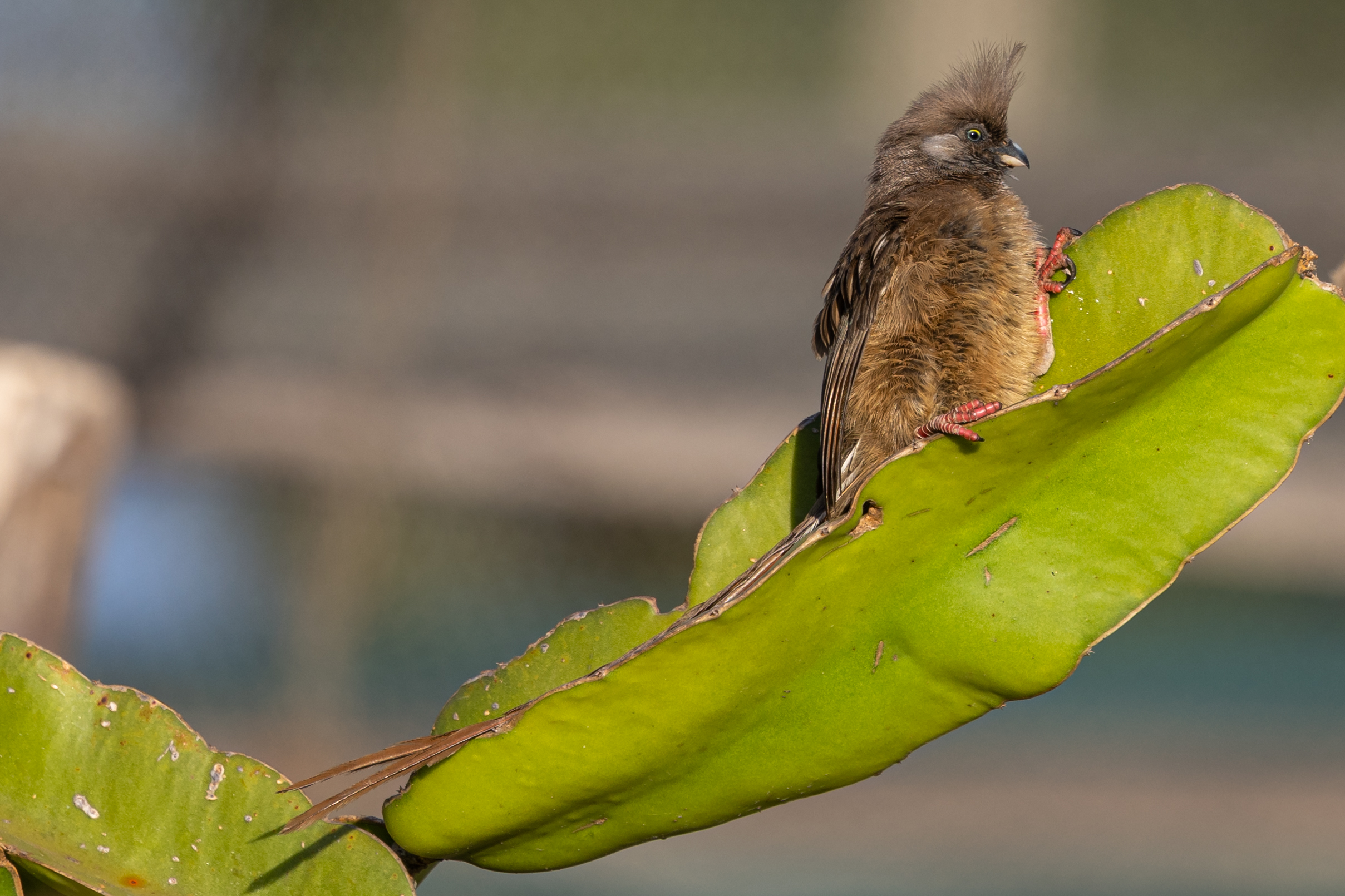
Speckled Mousebirds Regularly Fed on Bone Dust in a South African Garden
Speckled Mousebirds in Bethlehem, South Africa, were repeatedly observed feeding on bone dust over several months, an unusual…
Read story →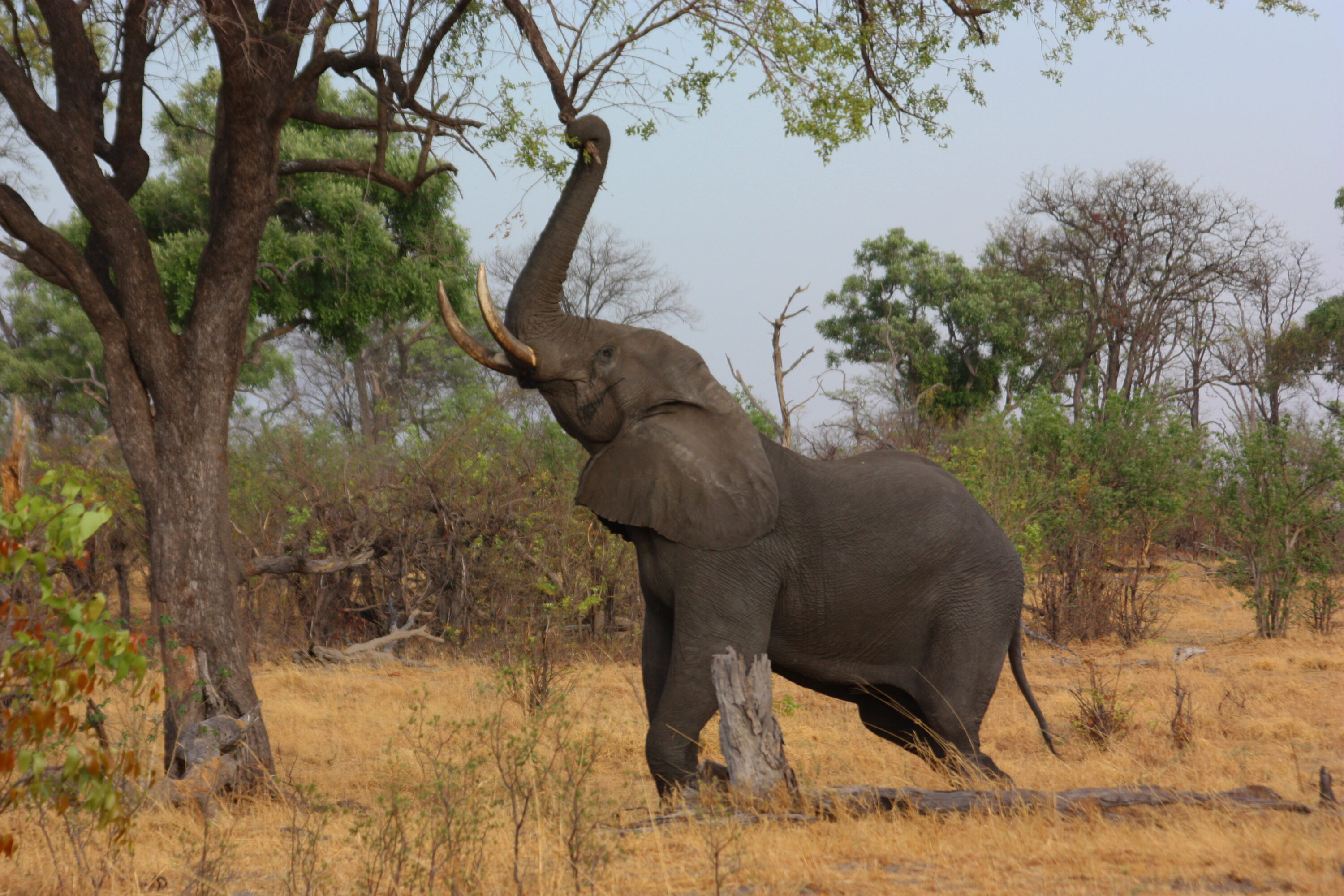
African Bush Elephants Distinguished Artificial Food-Quantity Patterns at Close Range
In experiments in South Africa, four semi-tame elephants chose between visual patterns representing canopy size and leaf density.…
Read story →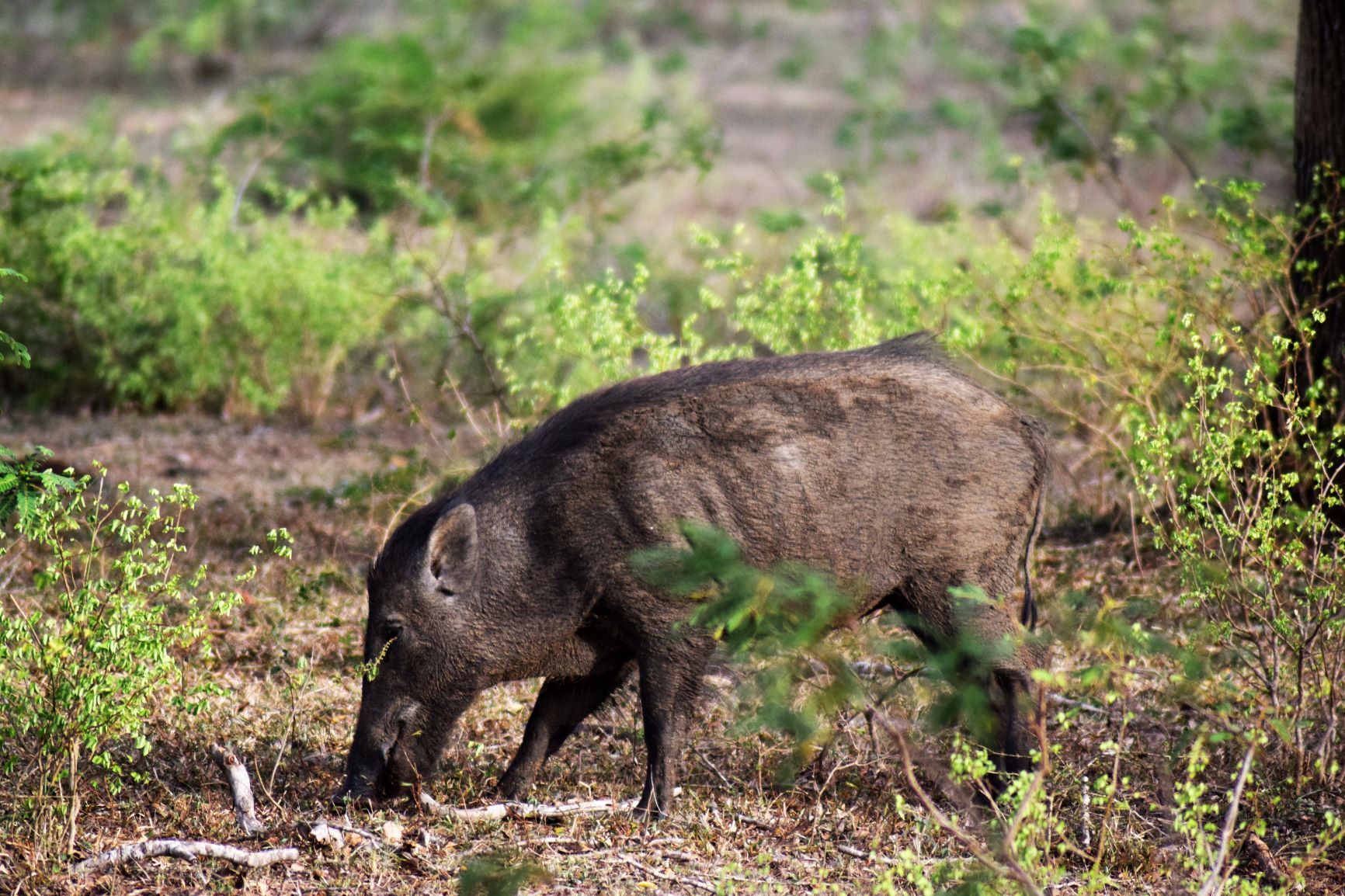
Maps Show Where Wild Boar Could Thrive and Spread on Jeju Island
Researchers mapped potentially suitable wild-boar habitat across roughly 36% of Jeju Island and identified eight possible corridors linking…
Read story →SPECIES IN THIS STORY
Species in this story
Independent research and conservation news archive
Did you find this information useful?
Wildlife Vagabond is independently built and maintained. Voluntary support helps cover source verification, hosting and continued work on research and conservation news.
Support Wildlife VagabondThe news archive will remain freely available.