
Standing Deadwood Was Linked to Higher Lesser Spotted Woodpecker Occurrence and Nest Survival
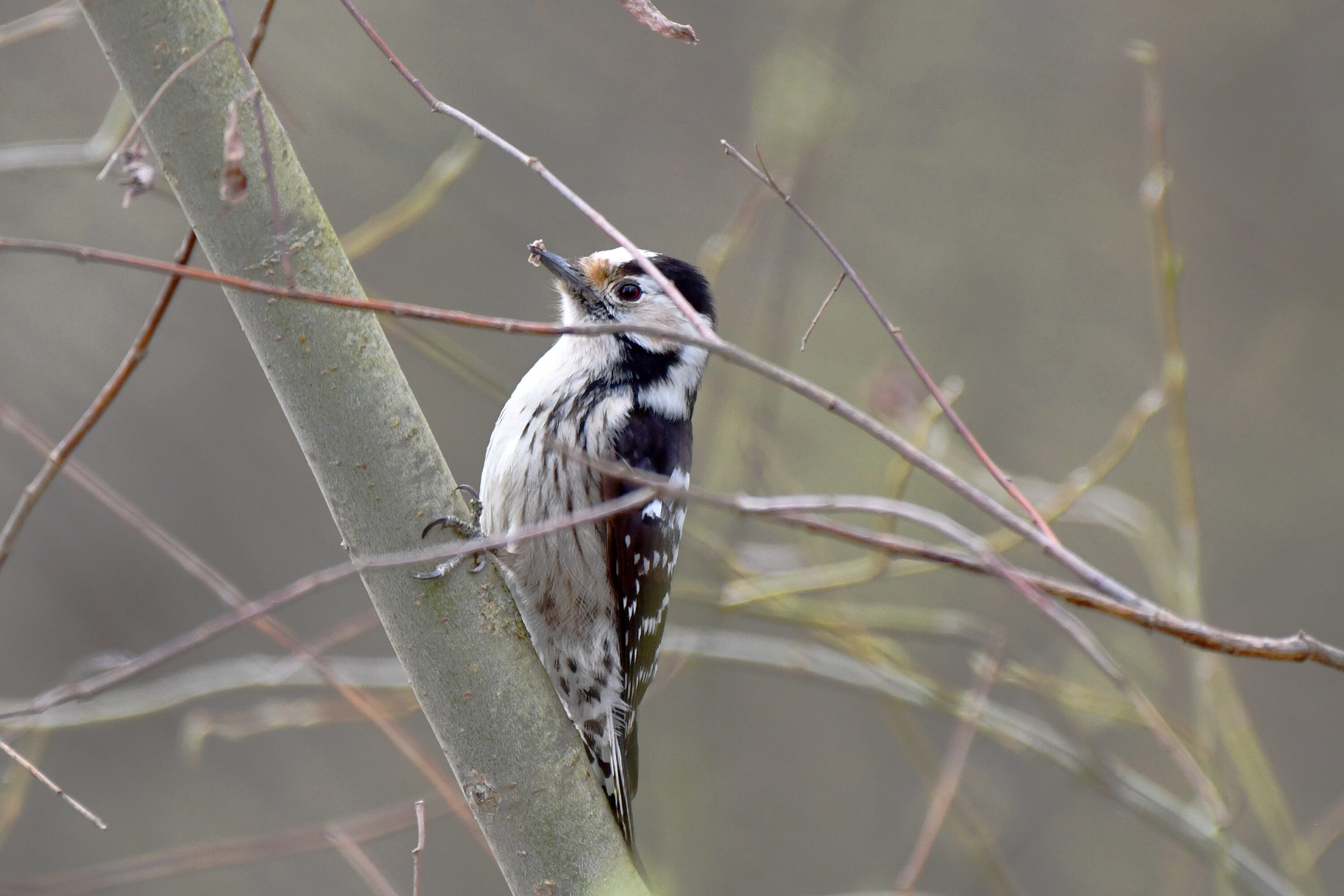
A four-year citizen-science programme in Hesse, Germany and Bavaria found that lesser spotted woodpeckers (Dryobates minor) were most likely to occur in deciduous, riparian and mixed forests with abundant standing deadwood. Nest survival also increased with the number of standing dead trees near breeding cavities.
Playback surveys broadcast recorded calls or songs to prompt otherwise inconspicuous birds to answer or approach, improving the chance of detecting them.
A transect is a predefined line or route used to survey an area systematically, with observations, signs or sampling points recorded along it.
From 2021 to 2024, trained volunteers surveyed 187 transects and completed 1,012 surveys. Playback was used to improve detection of the inconspicuous woodpeckers, while participants recorded observations in the NaturaList app and collected habitat information including forest type, dead trees and proximity to water. Active nest cavities were also monitored with cavity cameras.
Deadwood and forest type shaped occurrence
Lesser spotted woodpeckers were detected in 323 surveys, or 32% of the total. Detection probability peaked in March and was also higher among volunteers with greater prior bird knowledge. The habitat analysis showed the highest occurrence probabilities in deciduous, riparian and mixed forests with large amounts of standing deadwood.
Nest survival reached 74%
Estimated nest survival was 74%, and broods produced an average of 1.8 fledglings. Recorded predators included great spotted woodpeckers (Dendrocopos major) and garden dormice (Eliomys quercinus). Nest survival increased with the number of standing dead trees near the breeding cavity. The authors conclude that structurally rich deciduous forests and standing deadwood are important for both occurrence and nest survival, while the project also demonstrates that trained volunteers can generate large-scale monitoring data for a species that is otherwise difficult to survey.
Ecology
Related news
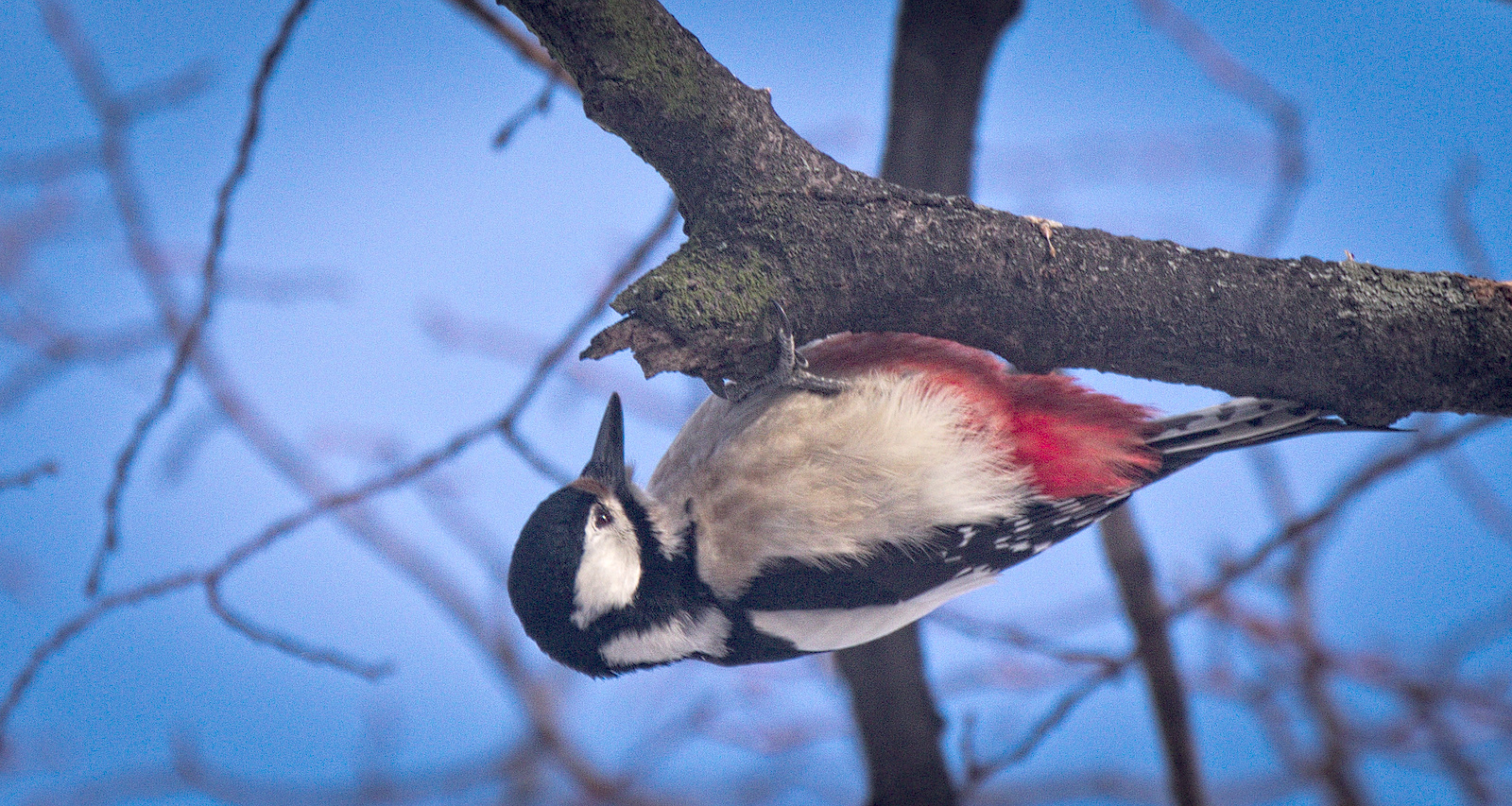
Six European Woodpeckers Shared a Common Eyelid Plan but Showed Microscopic Variation
Microscopic study of 40 woodpeckers from six European species found the same basic eyelid plan, including a fibrous…
Read story →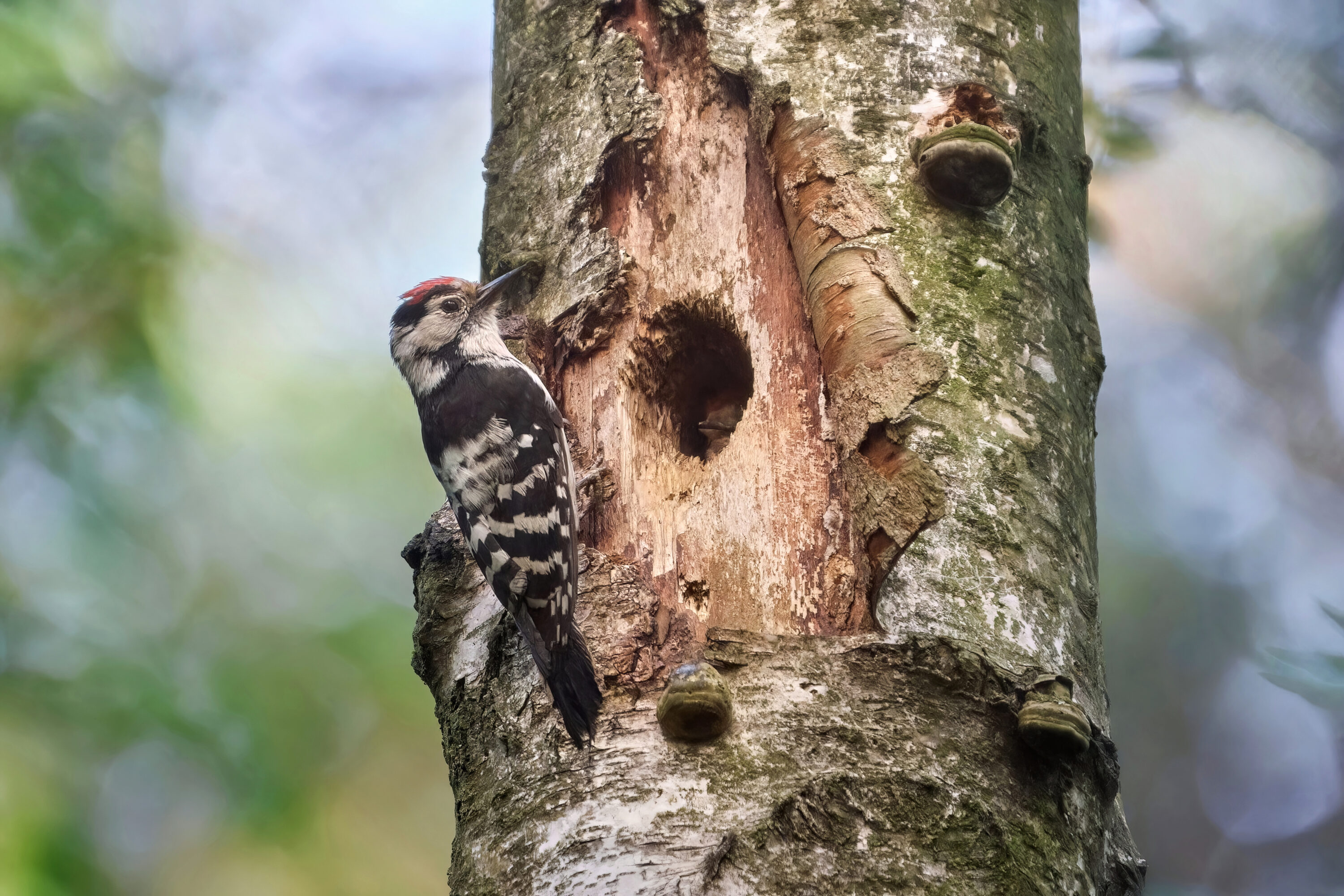
Woodpecker Network Found and Monitored 29 Lesser Spotted Woodpecker Nests in 2026
Woodpecker Network volunteers had found and monitored 29 lesser spotted woodpecker nests by 21 June, the project's highest…
Read story →
African Bush Elephants Distinguished Artificial Food-Quantity Patterns at Close Range
In experiments in South Africa, four semi-tame elephants chose between visual patterns representing canopy size and leaf density.…
Read story →SPECIES IN THIS STORY
Species in this story
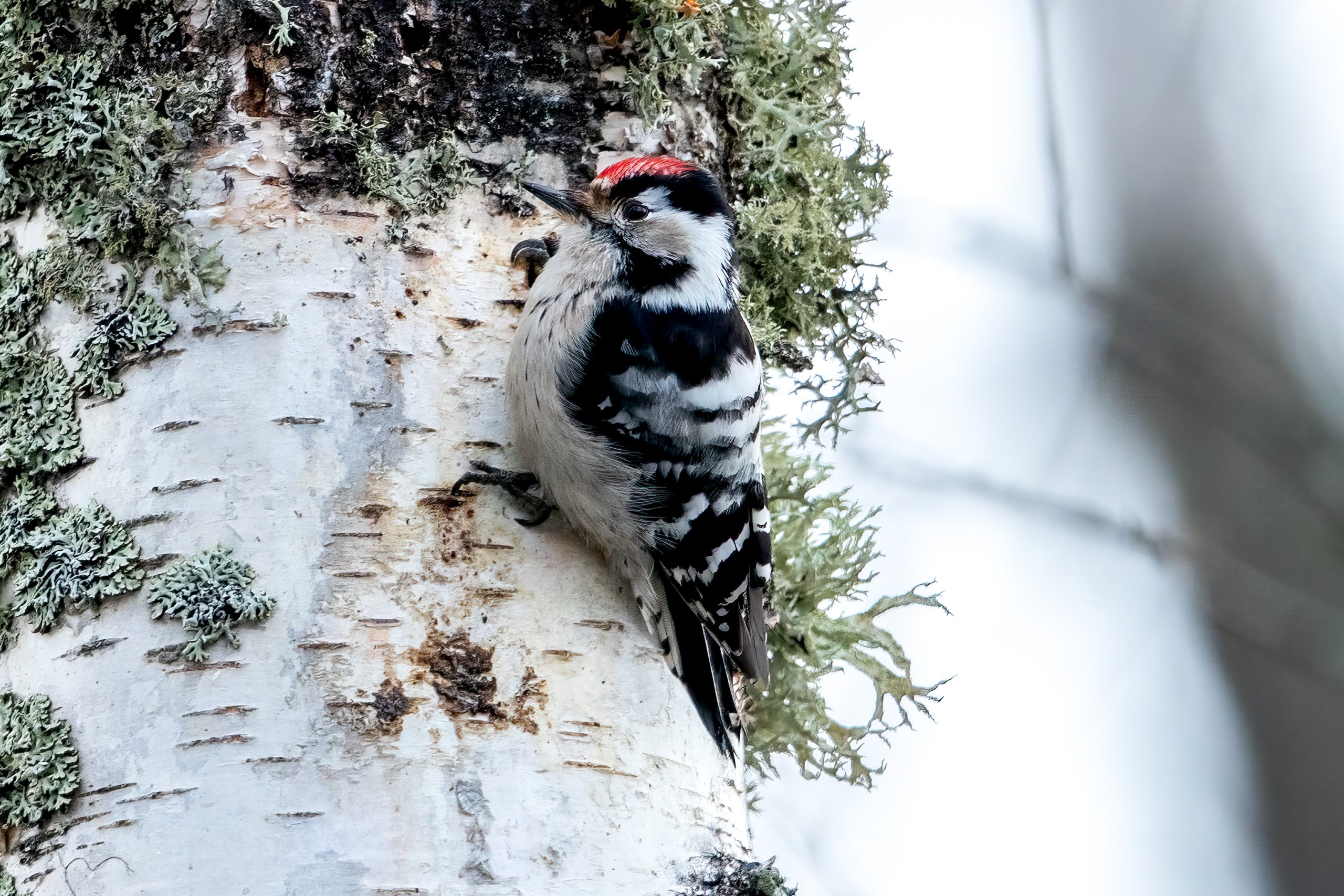
Independent research and conservation news archive
Did you find this information useful?
Wildlife Vagabond is independently built and maintained. Voluntary support helps cover source verification, hosting and continued work on research and conservation news.
Support Wildlife VagabondThe news archive will remain freely available.