
Four of Five Strategic Lion Translocations Met All Four Success Criteria in Mozambique
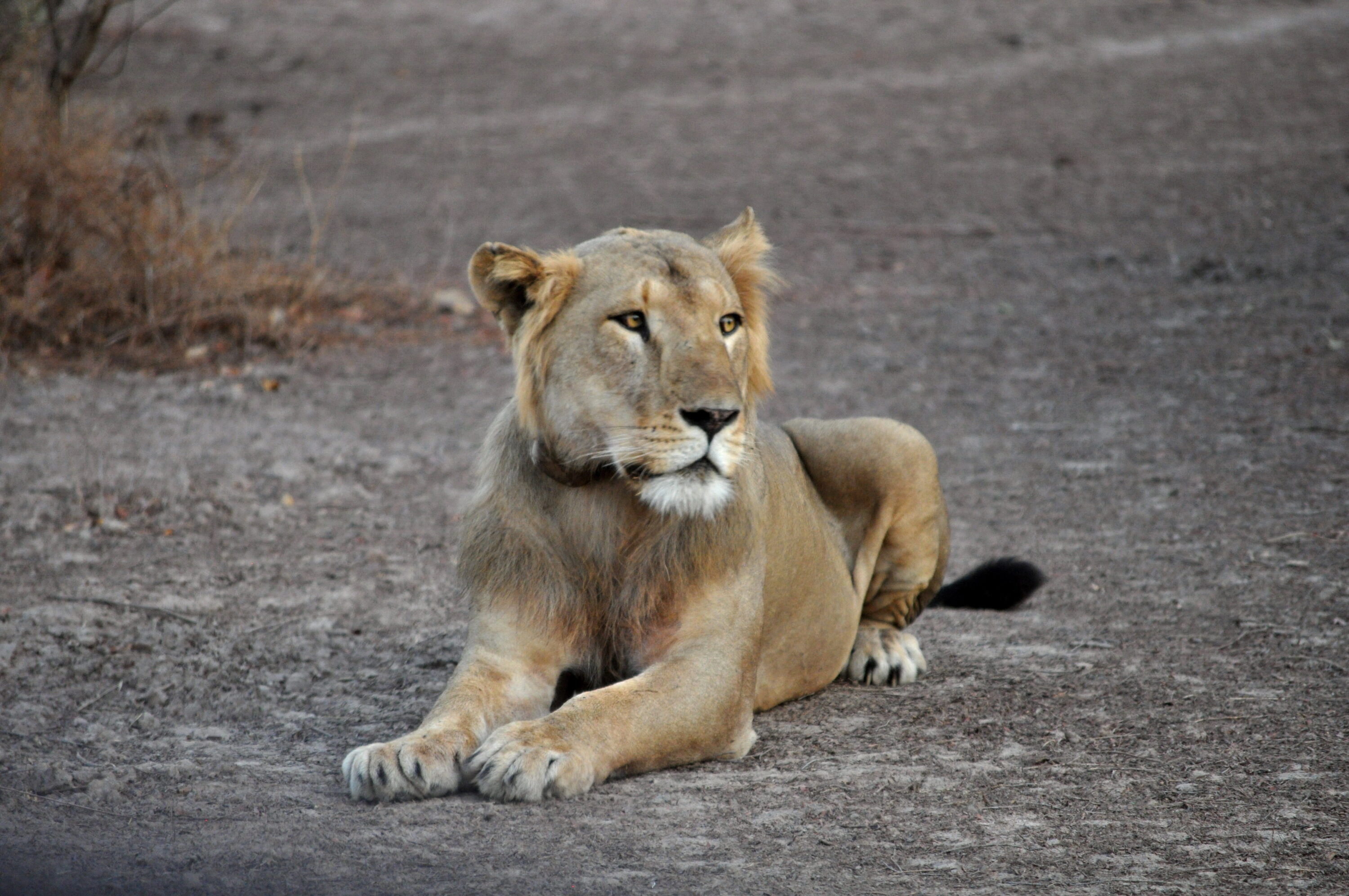
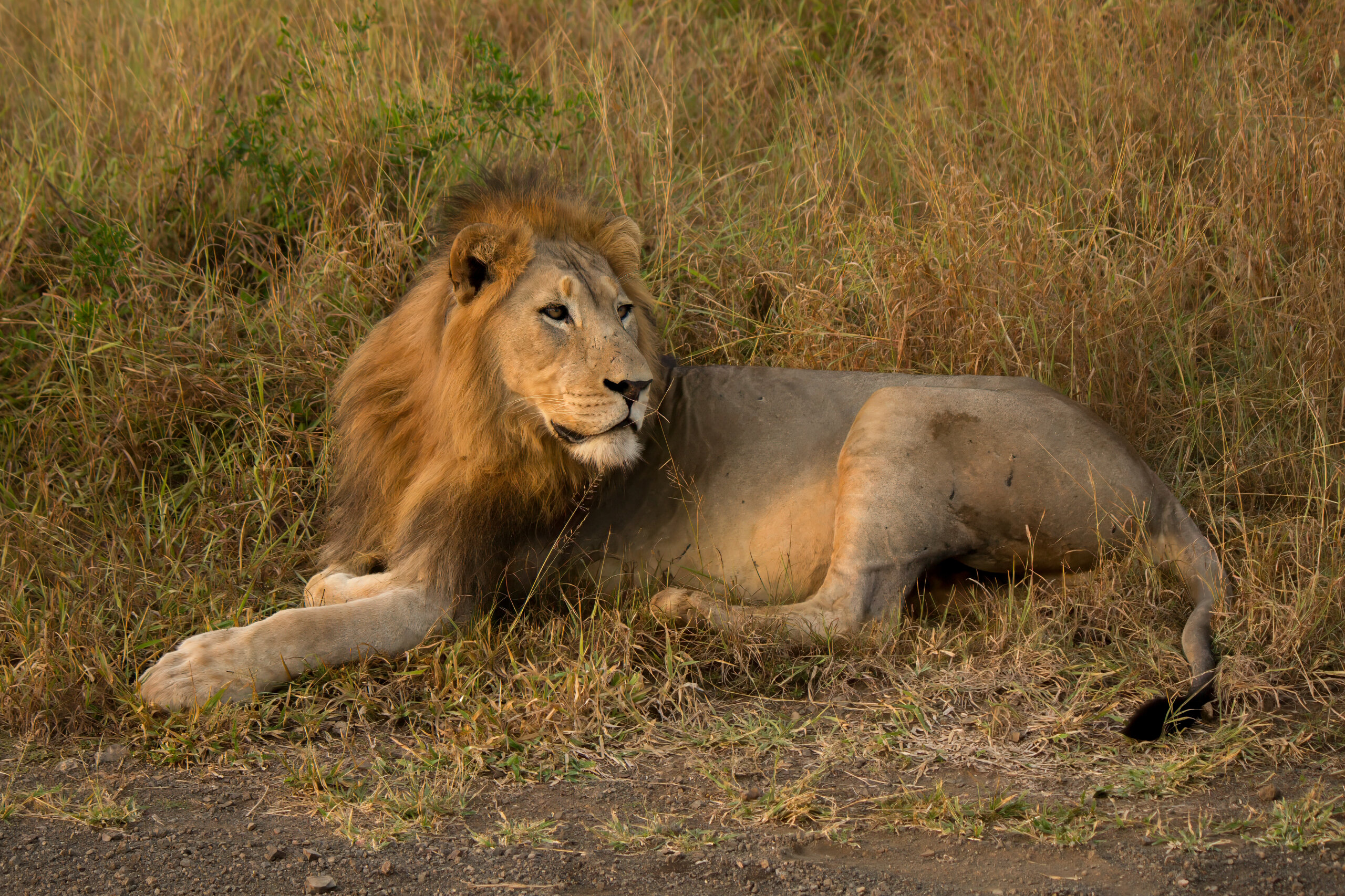
Four of five strategically planned translocations of livestock-raiding lions (Panthera leo) in Mozambique met all four success criteria used by a 2026 study, while none of four reactive translocations could be confirmed as fully successful. The researchers evaluated nine translocation events involving 19 lions between 2020 and 2024.
A translocation counted as successful only if the lions showed no homing towards the capture site, established a stable range, survived for at least one year after release and were not recorded depredating livestock after release. Reproduction was recorded as a positive longer-term outcome but was not required for this success classification.
Strategic and reactive moves were planned very differently
Reactive translocations were responses to urgent conflict and generally moved lions to the nearest available conservation area. They averaged 27 km, with a range of 5–81 km.
Strategic translocations averaged 490 km and were planned around characteristics of the recipient site: adequate wild prey, low livestock density, relatively low resident-lion density, sufficient area or secure fencing, and appropriate release and monitoring conditions.
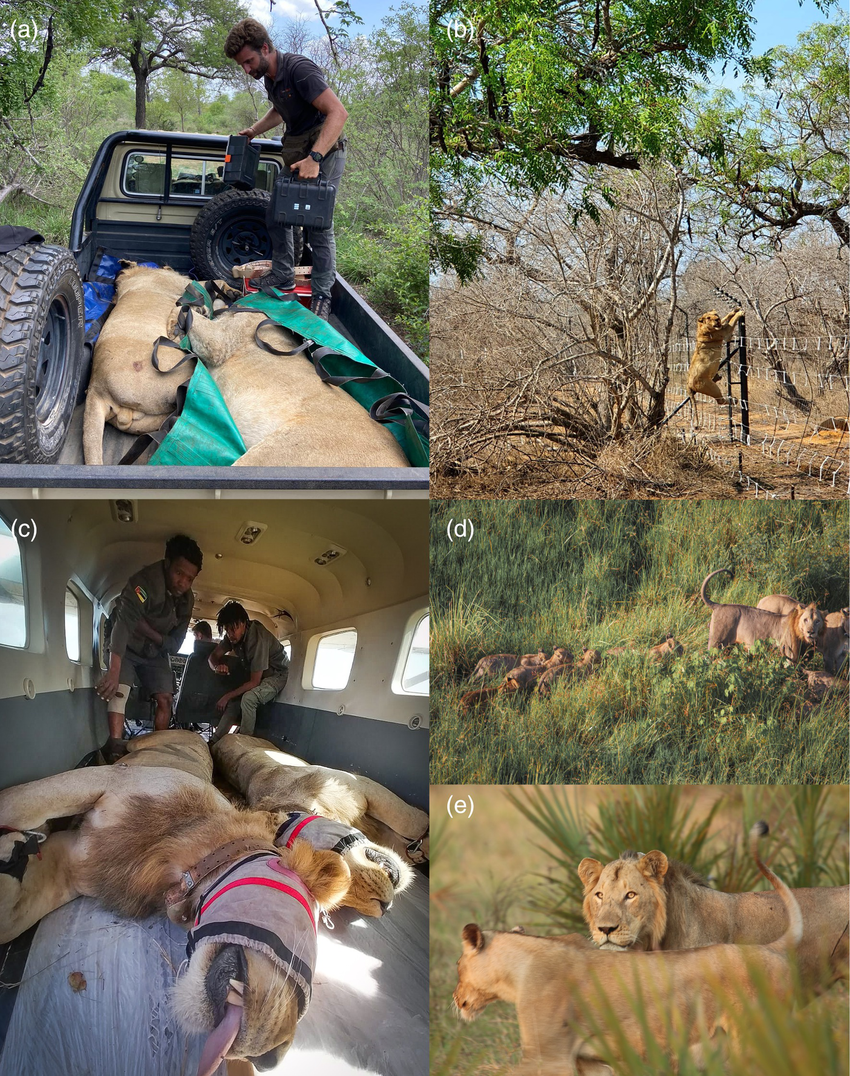
Four strategic moves met every success criterion
Two of the four reactive translocations failed when lions moved back towards their capture areas and resumed livestock depredation. One reactive event was classed as a partial success because the lions survived for at least a year without confirmed livestock depredation but stable range establishment could not be demonstrated. The fourth outcome was unknown.
In contrast, four of the five strategic translocations met all four criteria. The remaining strategic case was classified as unknown because monitoring data were insufficient, not because the lions were known to have failed.
Some translocated males also reproduced in recipient populations
Two male coalitions moved more than 700 km to the Zambezi Delta integrated into resident lion populations. Together they mated with at least 17 females and produced at least 35 cubs. This reproduction supports longer-term integration but was additional evidence rather than part of the formal success definition.
The authors link the better strategic outcomes to the combination of distance from the conflict site and favourable ecological and management conditions at the release site. Low livestock density reduces opportunities for renewed conflict, sufficient wild prey provides an alternative food base, and lower resident-lion density can reduce competition and territorial pressure.
Translocation remains a selective tool, not a universal solution
The study is based on only nine events, and release sites, lion groups and monitoring intensity differed among cases. The authors therefore caution against assuming that strategic translocation will work under all conditions.
They also note that removing lions can affect the source population, especially if reproductive females or socially important pride members are taken. In this study, females were not moved outside the Great Limpopo Transfrontier Conservation Area, and the males moved to central Mozambique were regarded as dispersers rather than established territorial males.
The authors argue that translocation should therefore be used selectively, together with measures that prevent livestock losses in the first place. The study’s main contribution is to identify conditions under which moving conflict-associated lions may have a realistic chance of preventing renewed livestock conflict while allowing the animals to establish elsewhere.
Human–wildlife conflict
Related news
A Little-Known Microbial World Inside Lions’ Guts
Faecal samples from wild lions in Namibia gave researchers a much clearer picture of their gut bacteria. Microbial…
Read story →
Food Leaves Its Mark on the Gut Bacteria of Kruger’s Wildlife
Gut bacteria in nine mammal species from Kruger National Park followed clear patterns linked to food and digestion.…
Read story →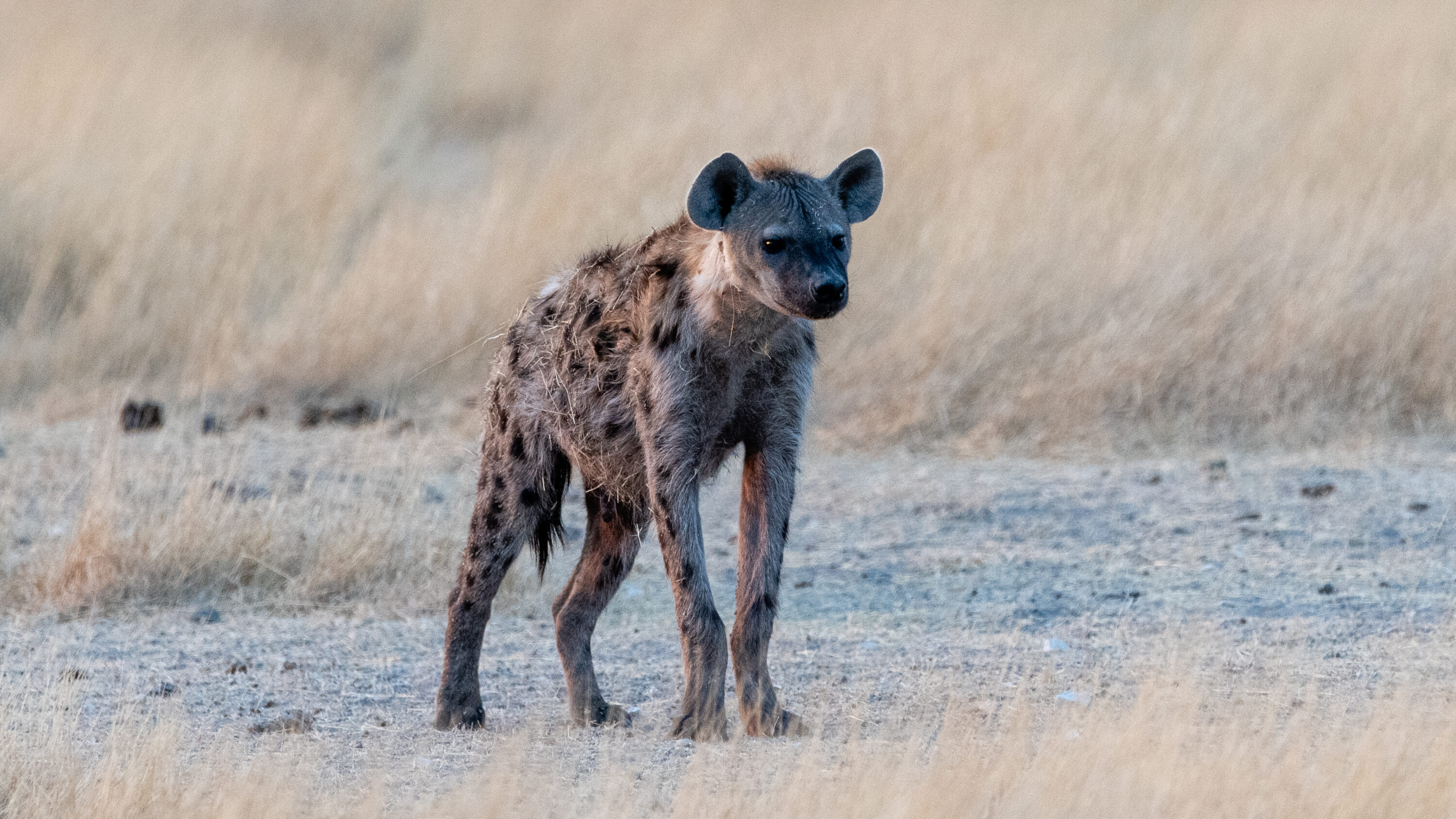
Spotted Hyenas Repeatedly Moved Away From Lions in Five-Minute GPS Data
High-frequency GPS data from Namibia and Botswana showed a robust retreat bias in spotted hyenas around lions, while…
Read story →SPECIES IN THIS STORY
Species in this story
Independent research and conservation news archive
Did you find this information useful?
Wildlife Vagabond is independently built and maintained. Voluntary support helps cover source verification, hosting and continued work on research and conservation news.
Support Wildlife VagabondThe news archive will remain freely available.