
Tawny Eagles in Rajasthan Nested Close to Protected Grasslands and Shifted Their Diet Seasonally
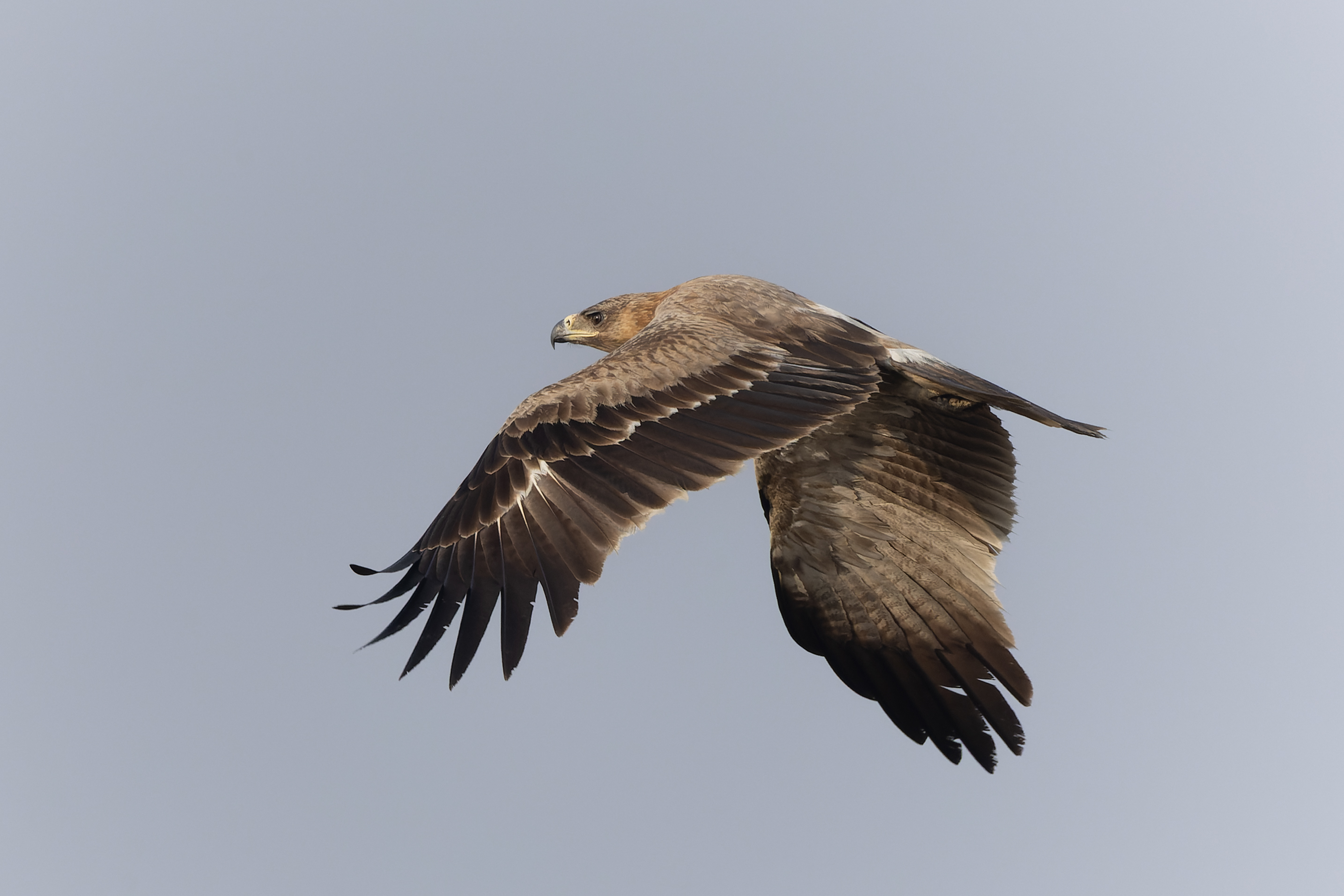
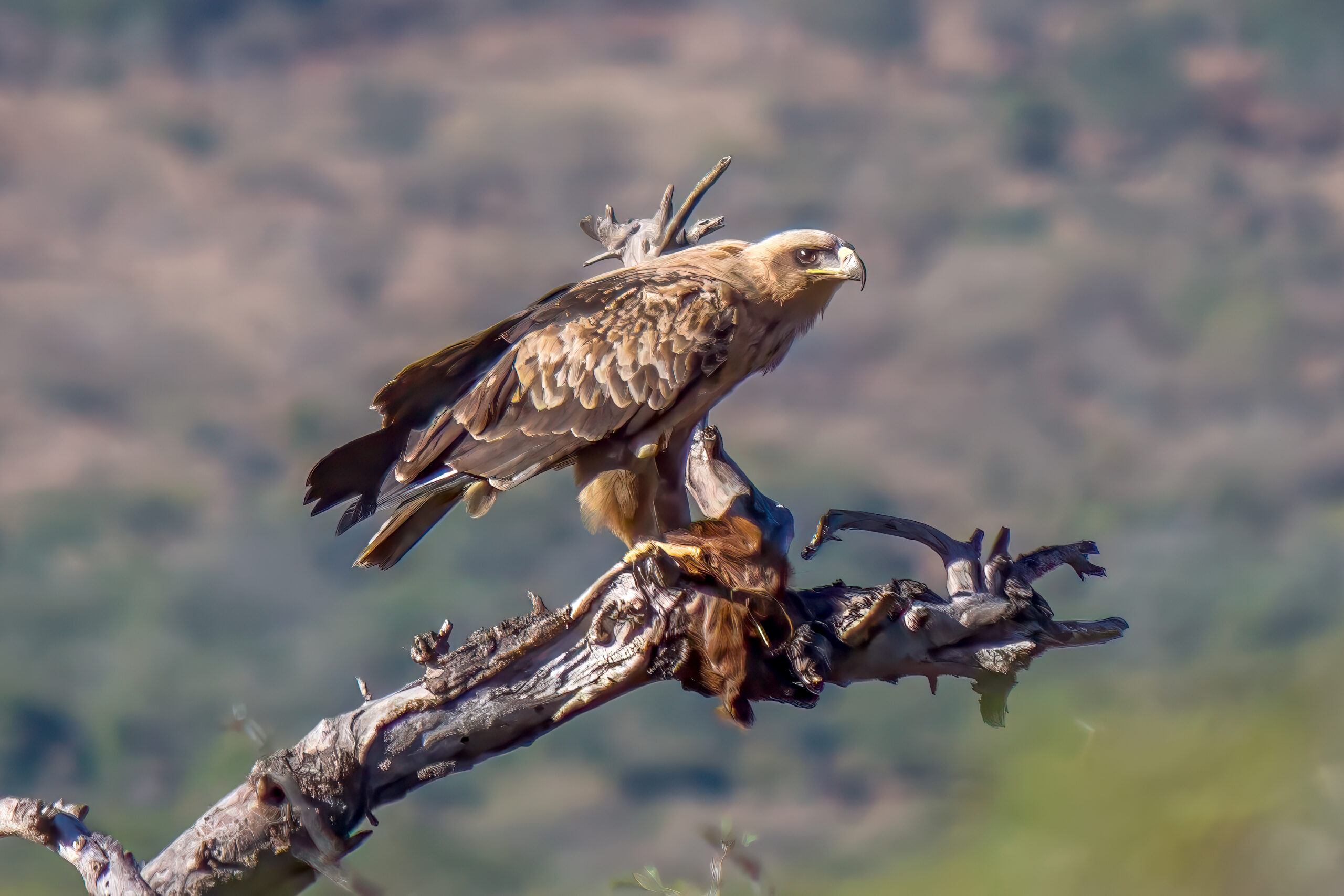
A study of tawny eagles (Aquila rapax) in Rajasthan’s Desert National Park found ten active nests during the 2025–2026 breeding season, all within or close to protected grasslands. Nine of the ten nests were inside protected enclosures or immediately beside them, with an average distance of 1.56 km from enclosure boundaries.
Researchers searched roughly 2,000 km² and found all ten nests at the tops of trees, most often Prosopis cineraria. The nesting trees averaged more than 7.5 m in height. A separate raptor survey recorded 14 tawny eagle sightings, concentrated largely in the same part of the landscape where the nests had been found.
Females attended the nest while males supplied most prey
Breeding behaviour was followed through focal observations and CCTV monitoring, producing about 900 hours of behavioural data. Most eggs were laid in December and January, hatching occurred mainly in January and February, and young fledged from late March into April. Females carried out most nest attendance and chick care, while males were the main providers of prey. Female nest attendance declined as chicks grew, while chick vigilance increased with age.
Diet shifted from mammals toward reptiles as the season warmed
Diet was reconstructed from pellets, CCTV footage and drone observations, producing 224 prey records from nine nests. Mammals made up 41.9% of recorded prey and reptiles 40.1%. The composition changed through the season: mammalian prey was more important in cooler months, while spiny-tailed lizards (Saara hardwickii) became the dominant prey as temperatures rose and the lizards became more available.
The authors describe the work as the first detailed quantitative assessment of habitat selection, breeding behaviour and diet in India’s tawny eagle population. They conclude that the protected grasslands of Desert National Park are important for the population by combining suitable nesting sites, relatively low disturbance and productive foraging habitat. The concentration of nests in and near these grasslands is strong spatial evidence, but the study did not isolate protected status itself as the cause of nest-site choice.
Ecology
Related news
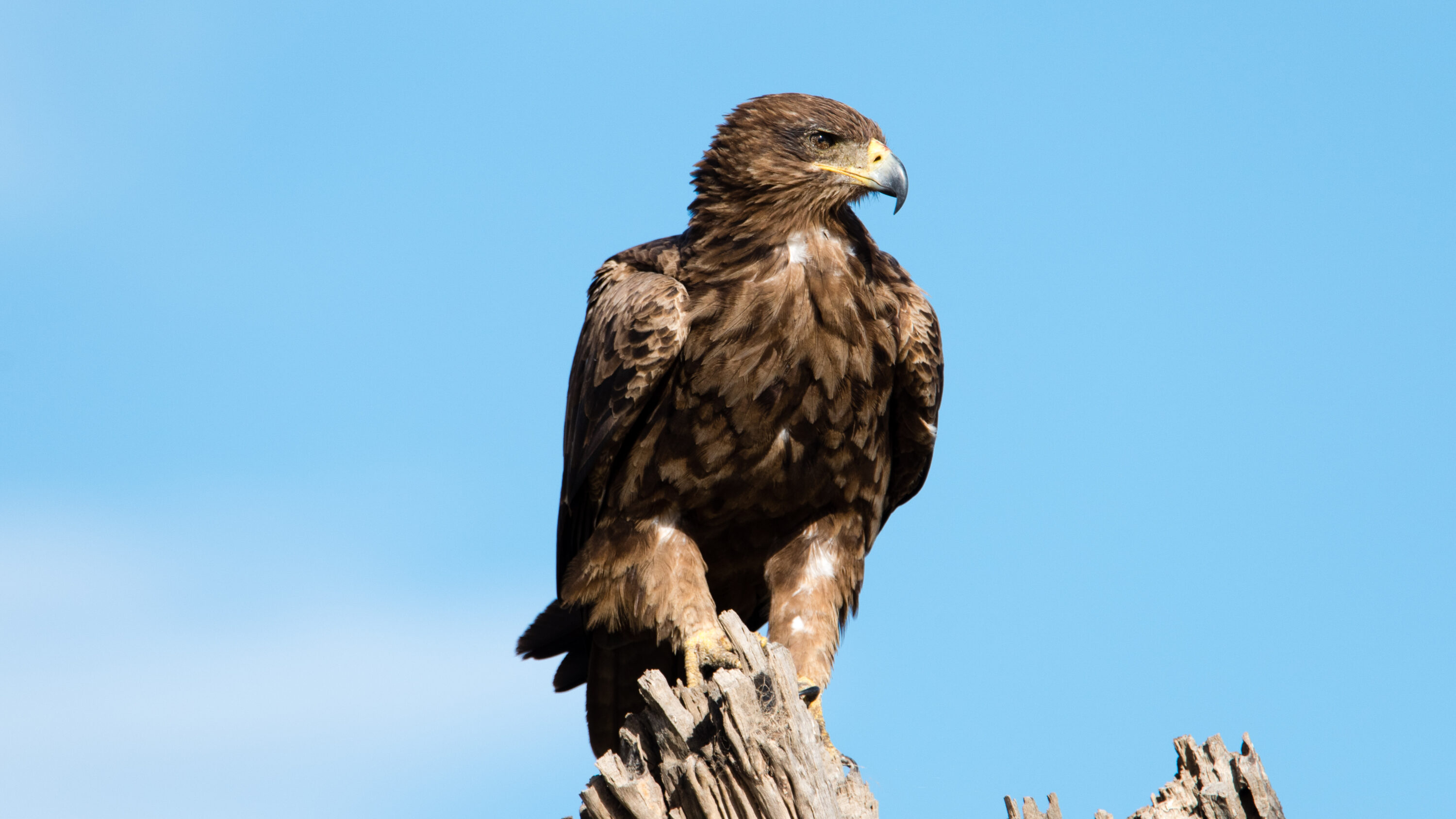
Tawny Eagle Made North Africa’s First Documented Breeding Attempt in Decades
A pair occupied a nest in north-western Algeria in February 2025, but the first documented breeding attempt in…
Read story →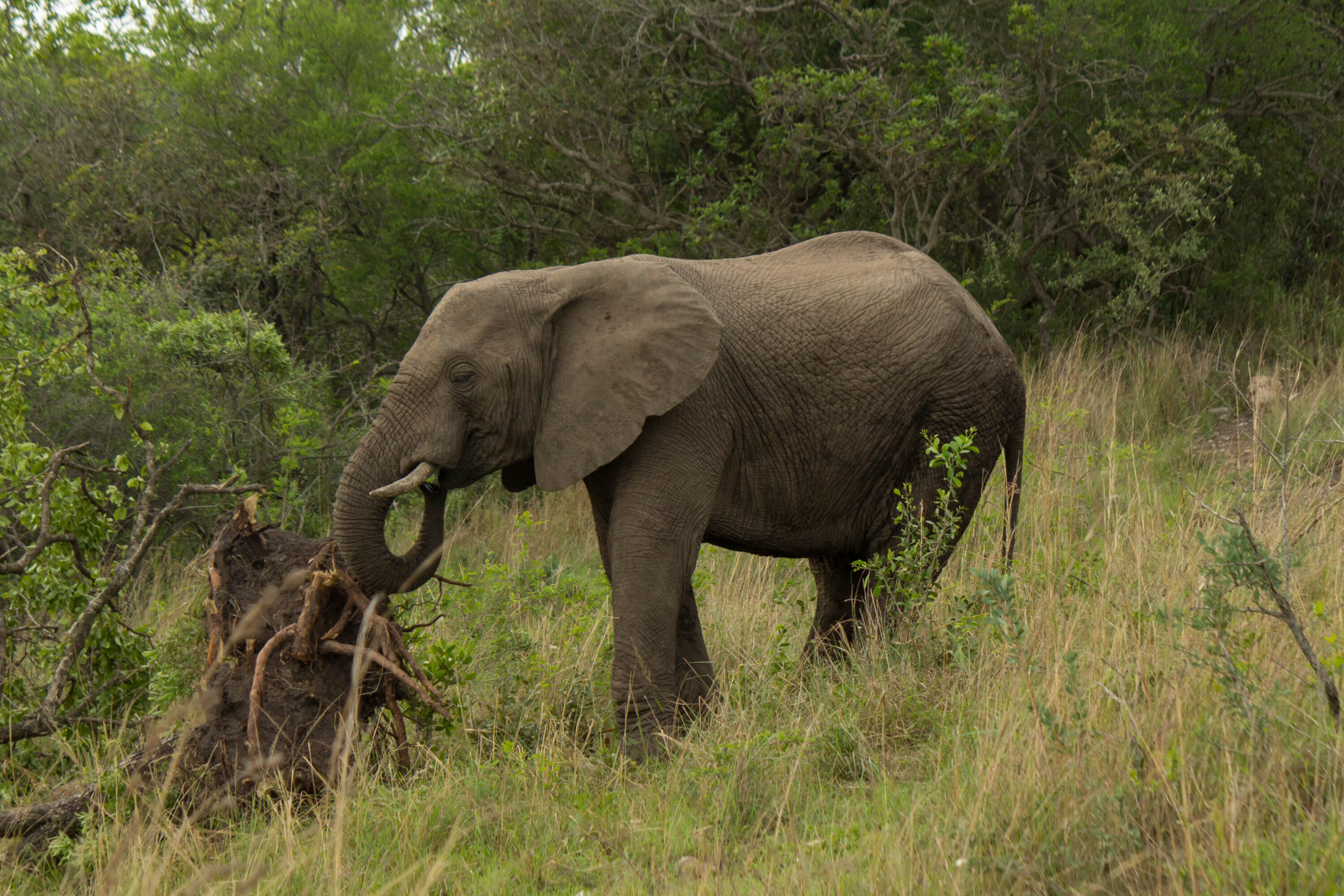
Elephant Rank Was Linked to Stress Levels After Helicopter Disturbance
In a small, fenced elephant population, helicopter use was associated with higher stress-hormone markers. Lower-ranking elephants had higher…
Read story →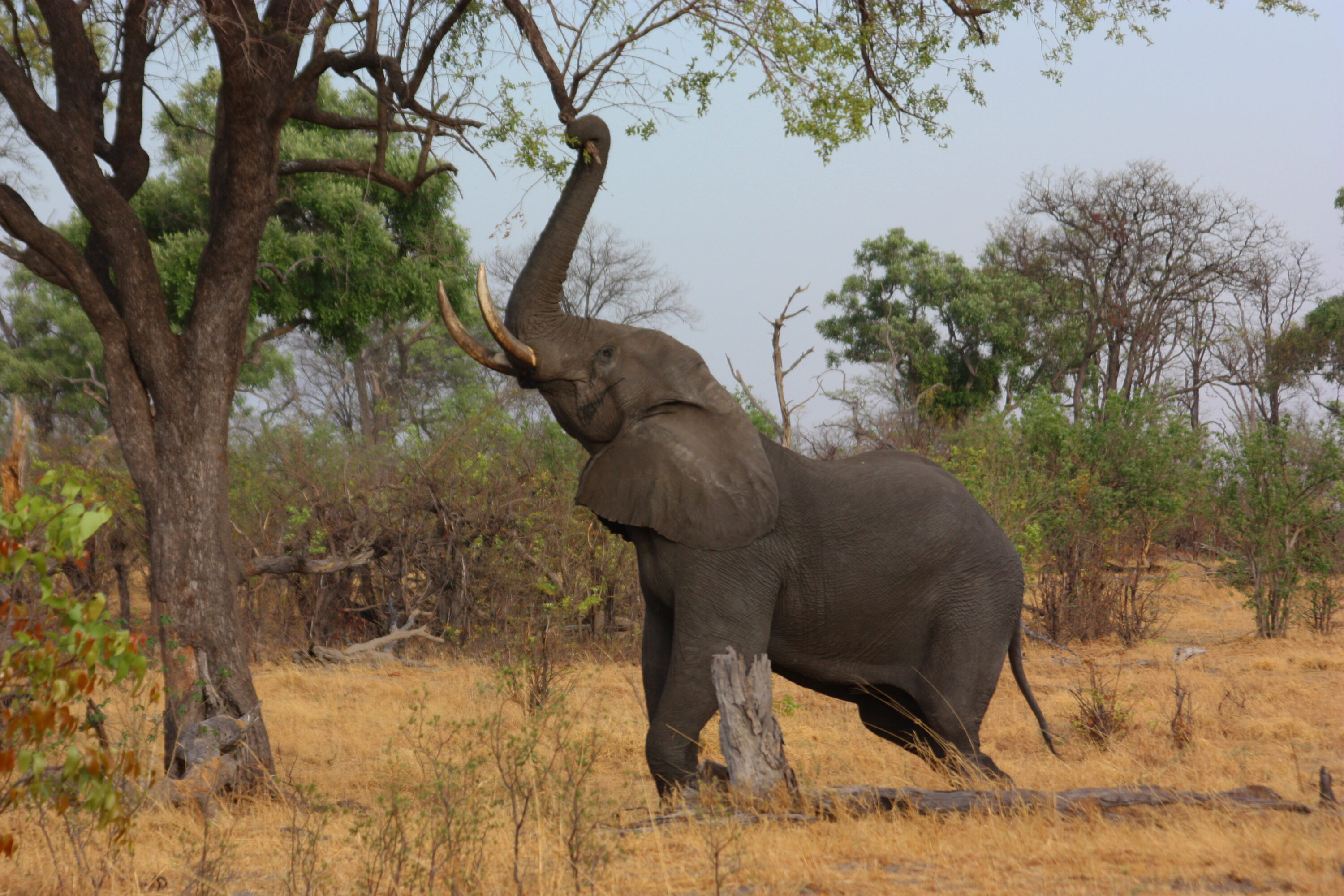
African Bush Elephants Distinguished Artificial Food-Quantity Patterns at Close Range
In experiments in South Africa, four semi-tame elephants chose between visual patterns representing canopy size and leaf density.…
Read story →SPECIES IN THIS STORY
Species in this story
Independent research and conservation news archive
Did you find this information useful?
Wildlife Vagabond is independently built and maintained. Voluntary support helps cover source verification, hosting and continued work on research and conservation news.
Support Wildlife VagabondThe news archive will remain freely available.