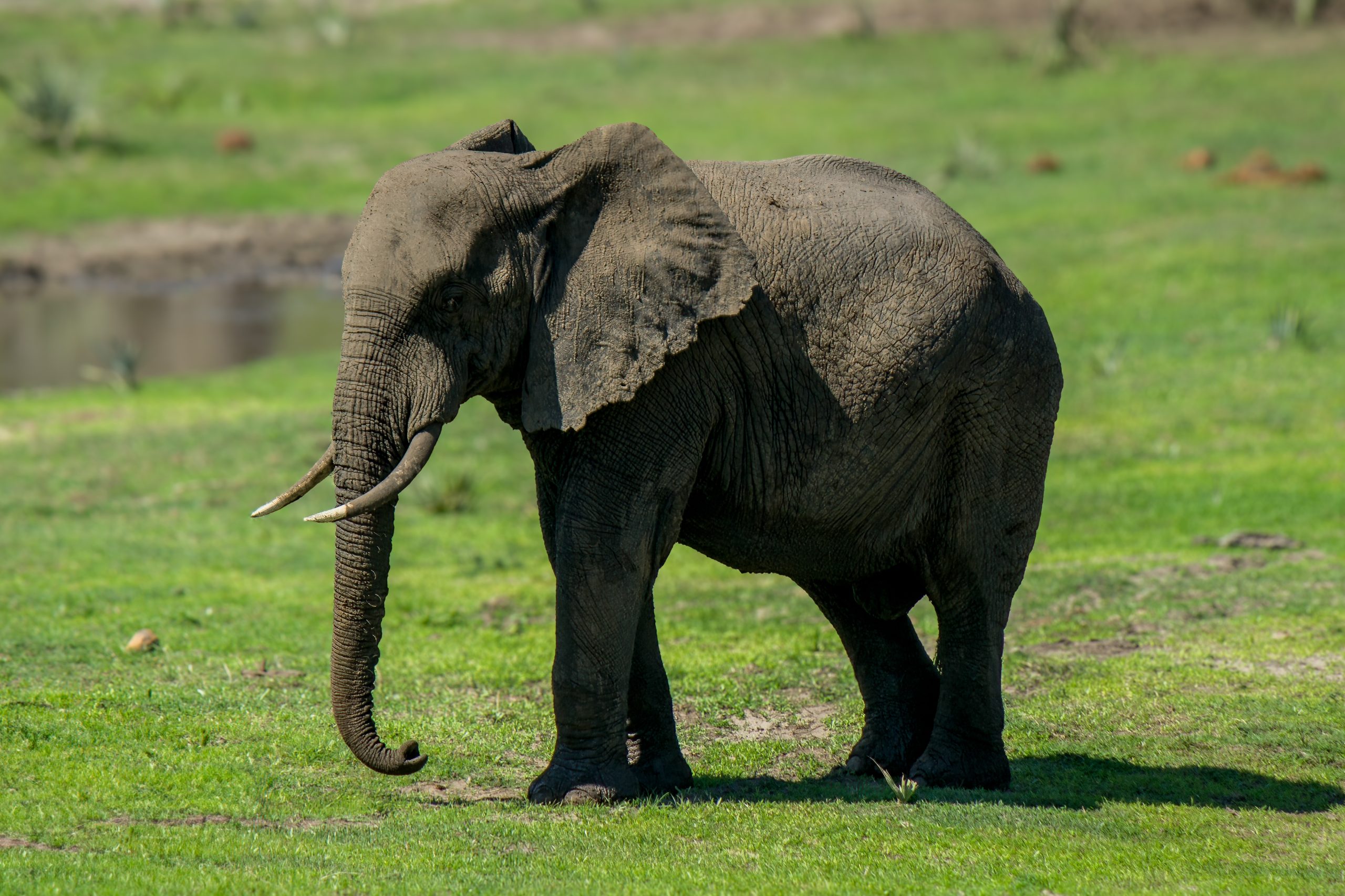
Elephant Rank Was Linked to Stress Levels After Helicopter Disturbance
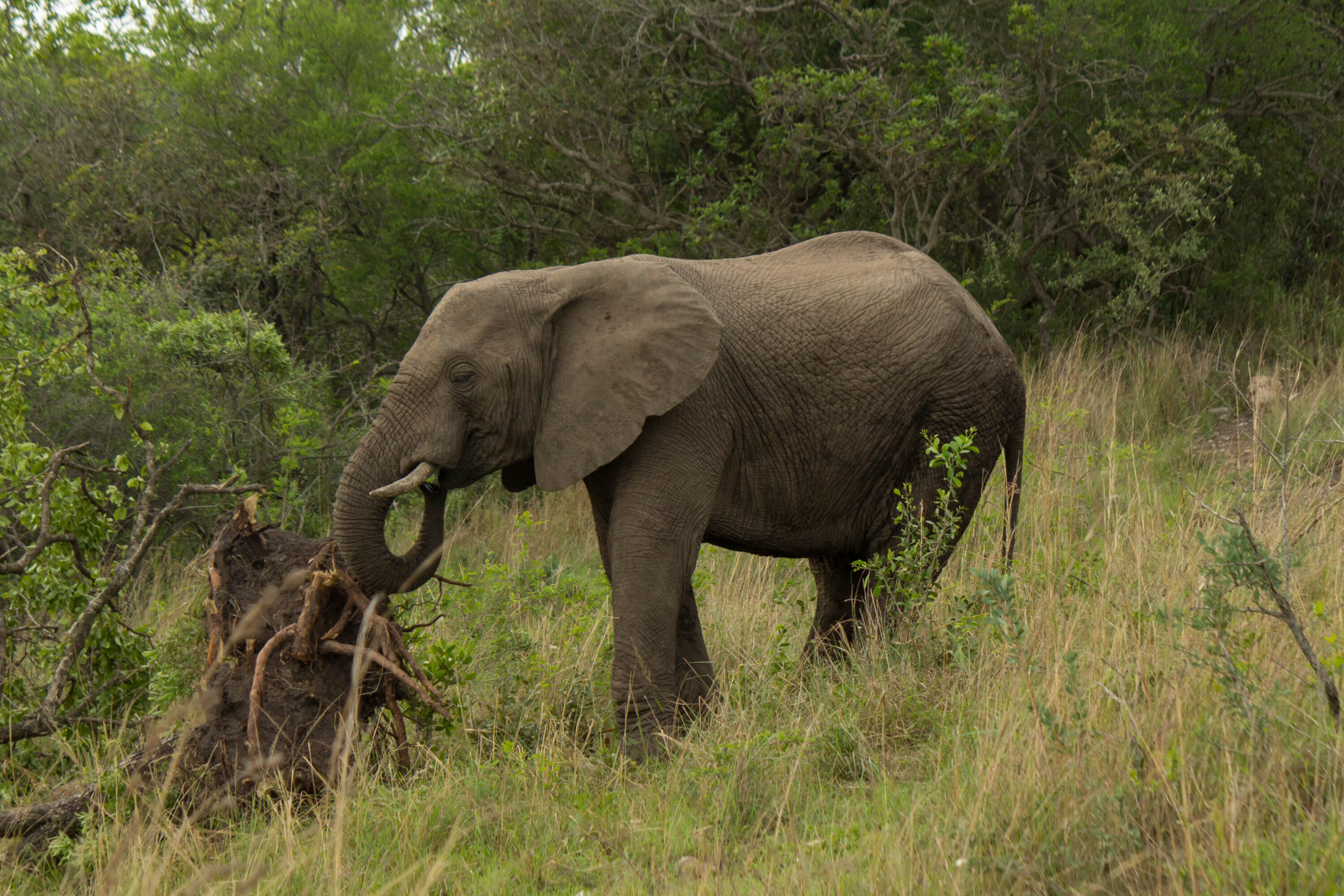
African Bush Elephants (Loxodonta africana) live in social groups, but individuals may not respond to human disturbance in the same way. Researchers studied how elephants’ social relationships and environmental conditions were associated with glucocorticoid metabolites in their dung. These are breakdown products of hormones that help regulate energy availability during physiological challenges. Their concentration in dung indicates hormonal activity over a preceding period, not exactly how frightened or distressed an elephant felt.
The study followed elephants in a fenced reserve, combining dung samples with information on behaviour, social relationships and disturbance. Helicopter use was associated with higher glucocorticoid metabolite levels. The association between rank and these levels changed with the disturbance context: after disturbance, lower-ranking elephants had higher levels than higher-ranking elephants, while in conditions with little disturbance the pattern was reversed.
Social connections were also associated with lower levels, but only when there was no disturbance. By contrast, weather, water availability and season were not associated with the levels in the analysis. Together, these findings suggest that social relationships do not have a uniform link to elephants’ physiology; the association depends on the conditions they face.
If social position and relationships are linked to physiological responses during disturbance, the potential costs of management activities may not be shared equally among elephants. Taking social context into account could therefore help inform management of social animals. The study concerns a small, fenced population, so its findings should not automatically be assumed to apply to other African Bush Elephant populations. This research is a preprint and has not been peer reviewed.
Behaviour
Related news
An ancient viral gene may have been repurposed in elephant placenta
An ancient viral gene that appears to have been inherited for at least 79 million years is strongly…
Read story →
Three Ways of Analysing Elephant Calls Gave Different Results
Recordings from a semi-free herd in South Africa show how the method used to classify call timing can…
Read story →
African Bush Elephants Distinguished Artificial Food-Quantity Patterns at Close Range
In experiments in South Africa, four semi-tame elephants chose between visual patterns representing canopy size and leaf density.…
Read story →SPECIES IN THIS STORY