
Thrush Nightingales Crossed Deserts by Flying at Night and Remaining Almost Inactive by Day
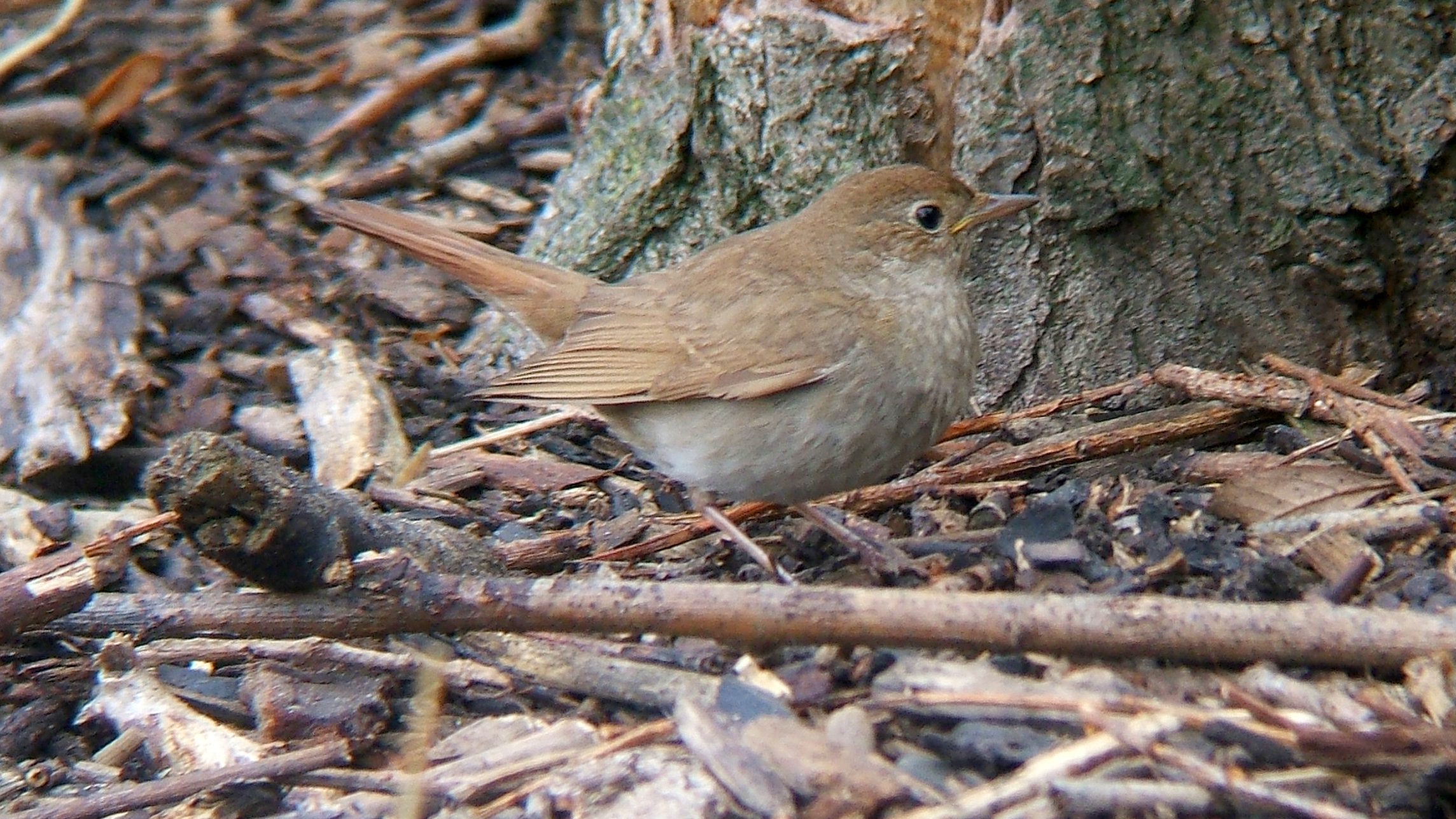
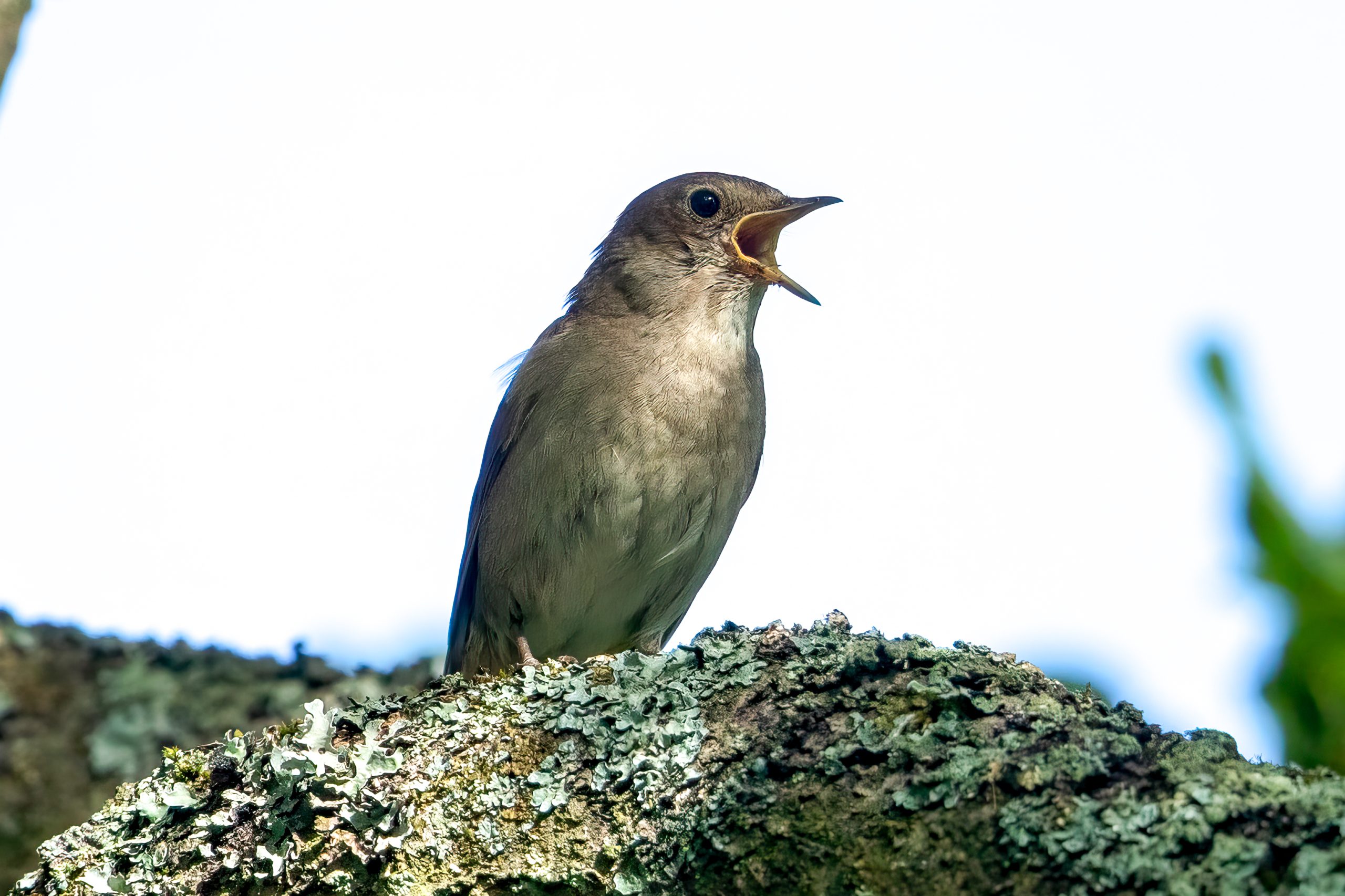
Thrush nightingales (Luscinia luscinia) crossing major ecological barriers flew on consecutive nights and remained almost completely inactive during daytime stops in the deserts, according to a tracking study published in 2026. An ecological barrier is a large stretch such as a desert or sea where food, water or safe stopover habitat is scarce and environmental conditions are demanding. Researchers used small multisensor loggers on free-flying birds tagged in southern Sweden; the devices recorded body movement and information used to reconstruct where the birds were along their migration. The study analysed 11 complete autumn migrations from 10 birds and five complete spring migrations from five individuals.
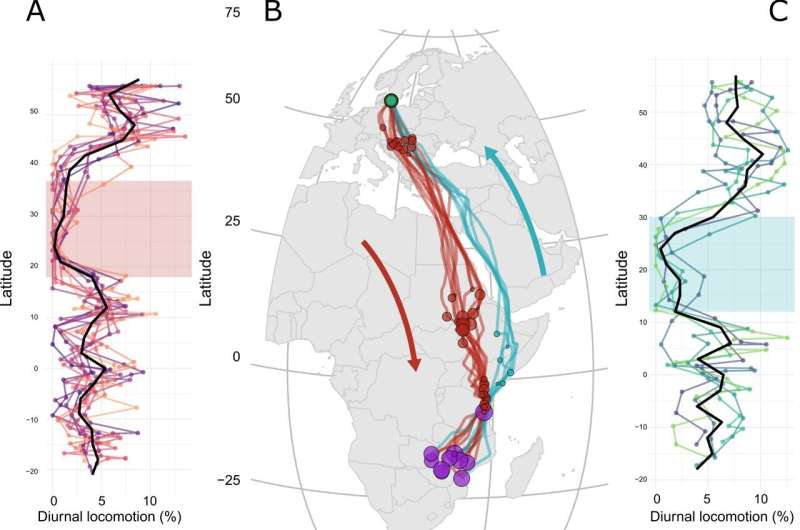
The accelerometers showed clear nocturnal migratory flights along the routes. Flight was confined to the night except when the birds crossed the Mediterranean during autumn: eight of 11 autumn tracks continued into daylight, with the longest Mediterranean flight lasting 16.3 hours. Once the birds were over land within the desert barriers, they stopped around dawn and remained largely inactive until resuming migration after sunset.
Daytime inactivity indicated little refuelling in the desert
Locomotion percentages express the accelerometer activity score relative to its maximum, rather than the share of time spent moving. During autumn, mean daytime locomotion at stops inside the Mediterranean–Sahara barrier was 1.4%, compared with 5.9% outside it. The barrier crossing took an average of 4.1 days, and 2.9 of those days on average had less than 2% daytime locomotion. In spring, daytime locomotion averaged 1.4% within the Arabian Desert barrier and 7.4% outside it. The spring barrier crossing lasted 4.8 days on average, with 3.6 days showing less than 2% daytime locomotion.
The researchers interpret this near-complete daytime inactivity as evidence that the birds do little or no refuelling while stopped within the desert barriers and instead depend on energy reserves accumulated beforehand. Remaining quiet through the hot daytime hours may reduce energy expenditure and water loss. The study also found inactive one-day stops in eastern-central and southern Europe before the autumn barrier, and the authors suggest that substantial fuel accumulation may take place farther north rather than immediately before the Sahara crossing.
Behaviour
Related news
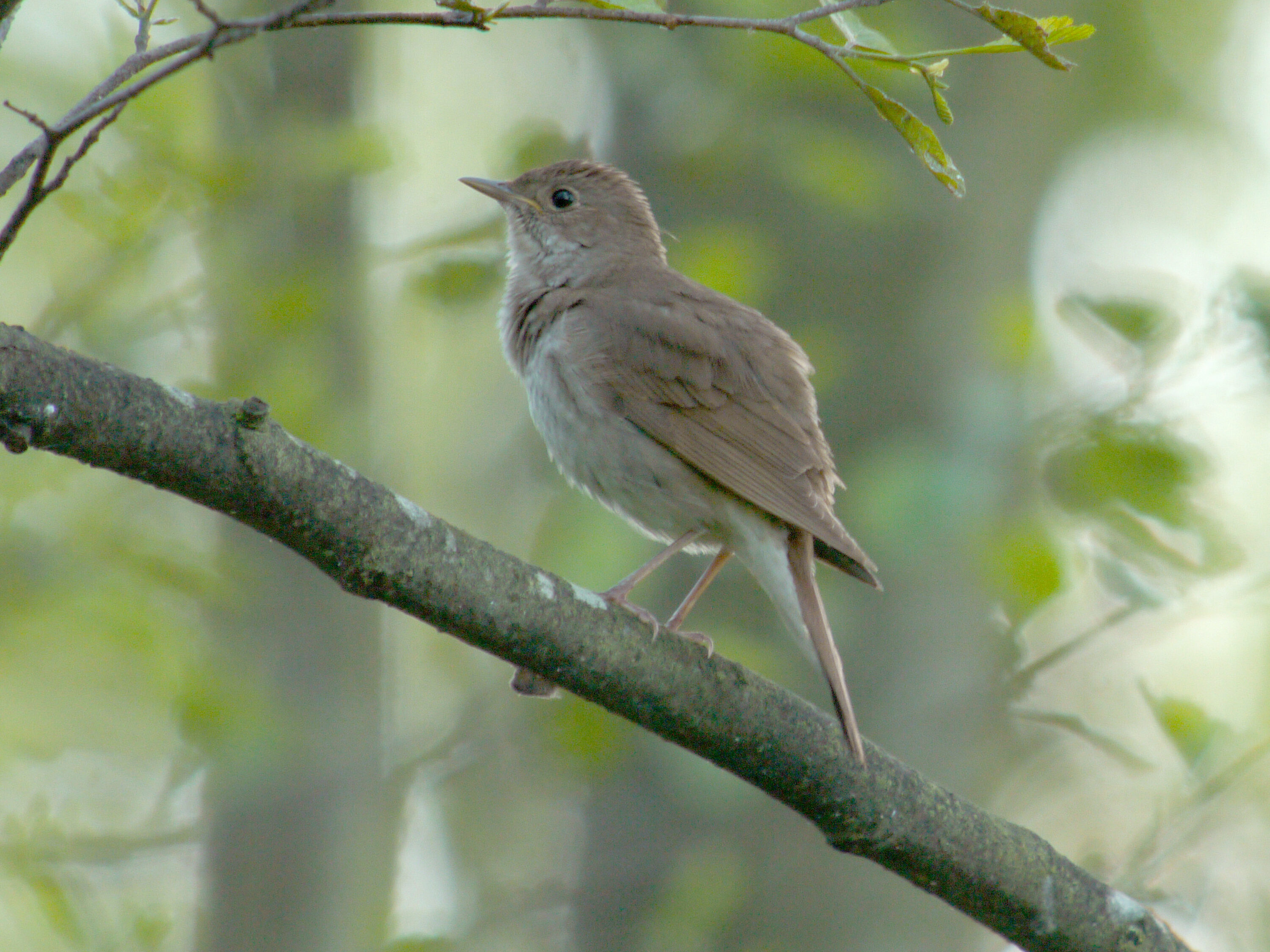
Simulated Pre-Saharan Magnetic Conditions Did Not Produce Sustained Extra Mass Gain in Thrush Nightingales
A 2026 replication found that juvenile thrush nightingales exposed to a magnetic simulation ending in northern Egypt did…
Read story →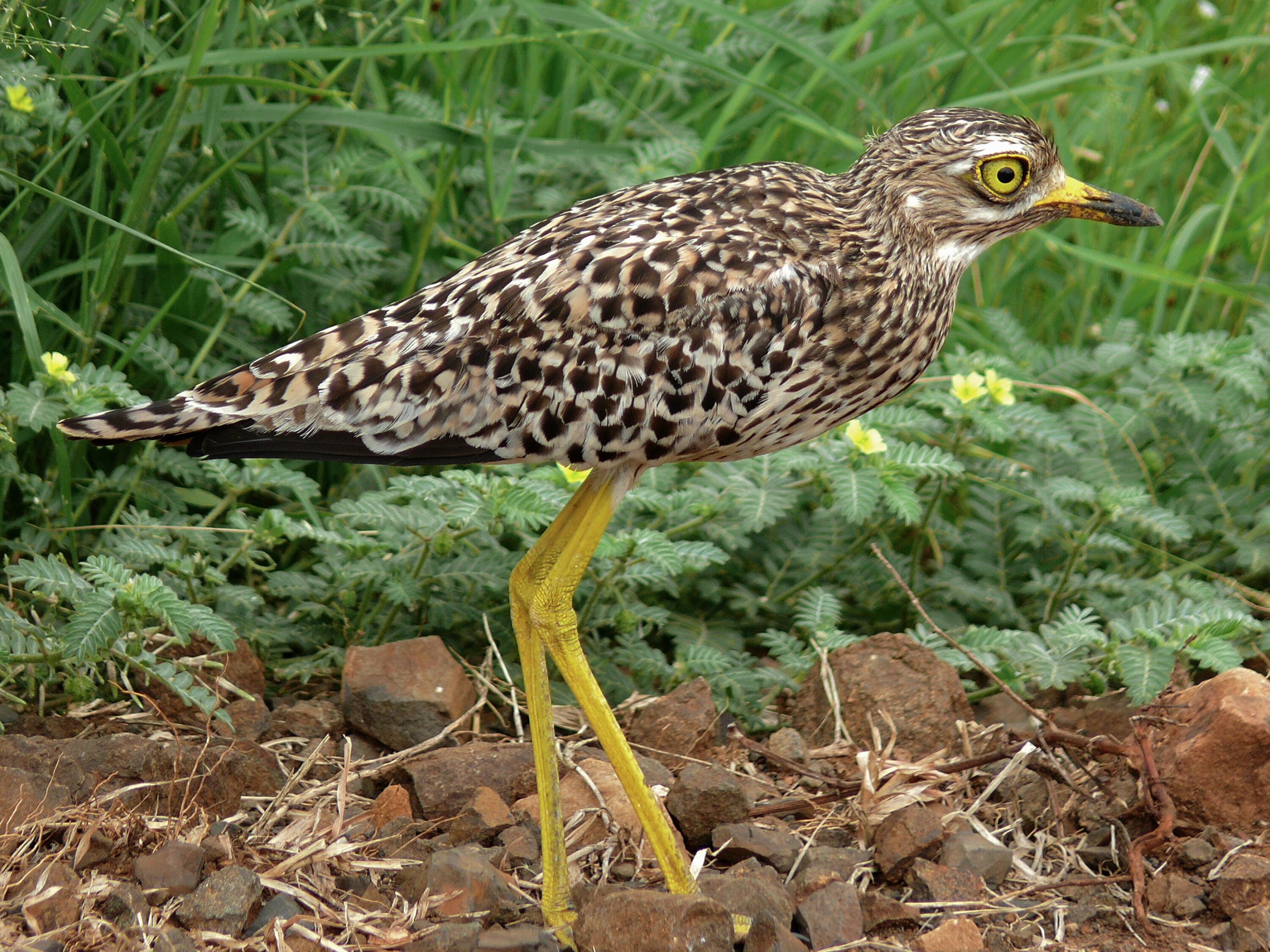
Acoustic Recordings Detected Spotted Thick-knees Missed by Simultaneous Visual Counts
Around Lake Tana, ten-minute acoustic recordings detected 47 bird species compared with 31 in simultaneous point counts; spotted…
Read story →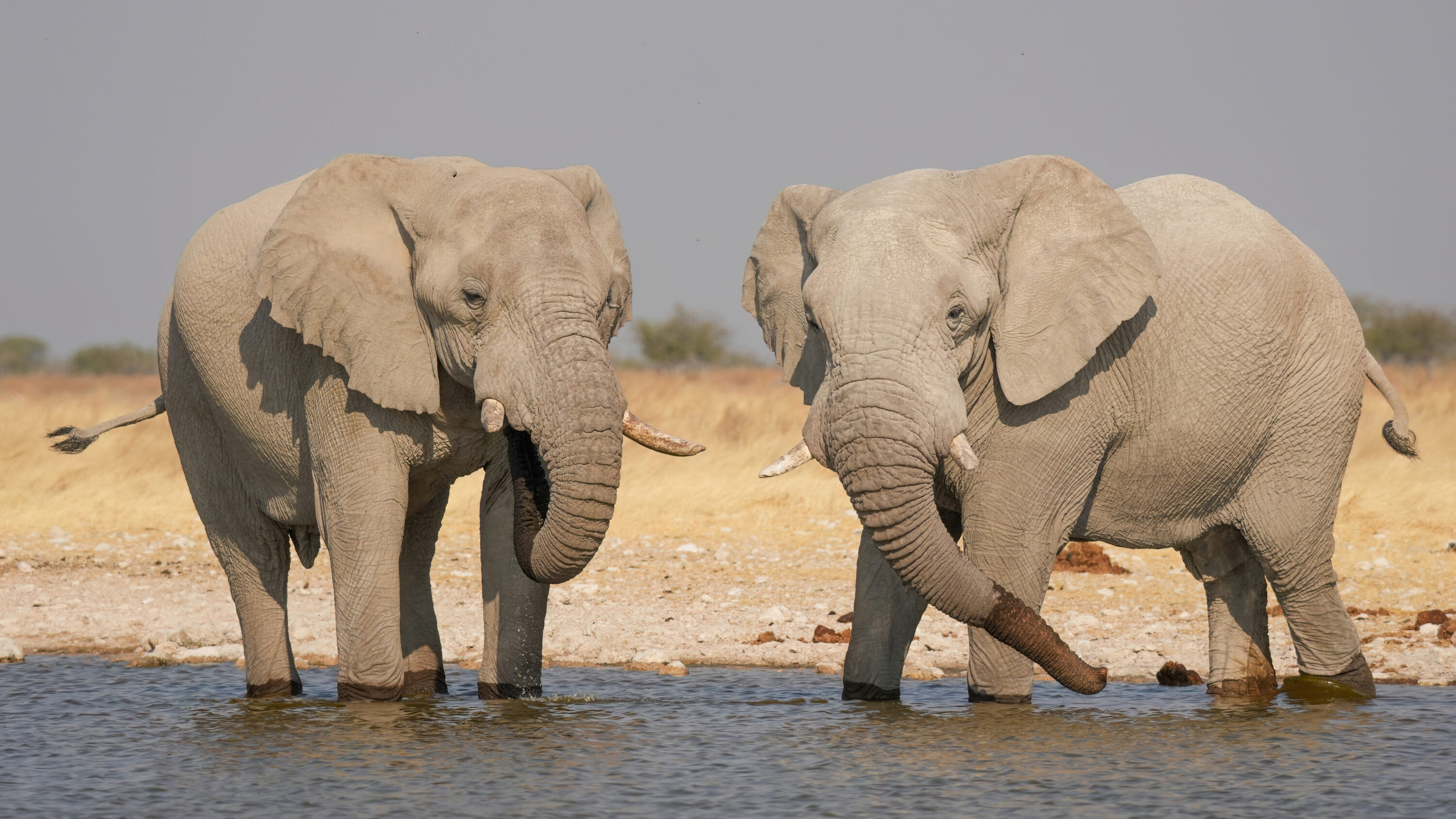
Three Ways of Analysing Elephant Calls Gave Different Results
Recordings from a semi-free herd in South Africa show how the method used to classify call timing can…
Read story →SPECIES IN THIS STORY
Species in this story
Independent research and conservation news archive
Did you find this information useful?
Wildlife Vagabond is independently built and maintained. Voluntary support helps cover source verification, hosting and continued work on research and conservation news.
Support Wildlife VagabondThe news archive will remain freely available.