
Tiger Shrikes Had the Highest Feather Arsenic and Cadmium; Brown Shrikes Also Had Elevated Lead
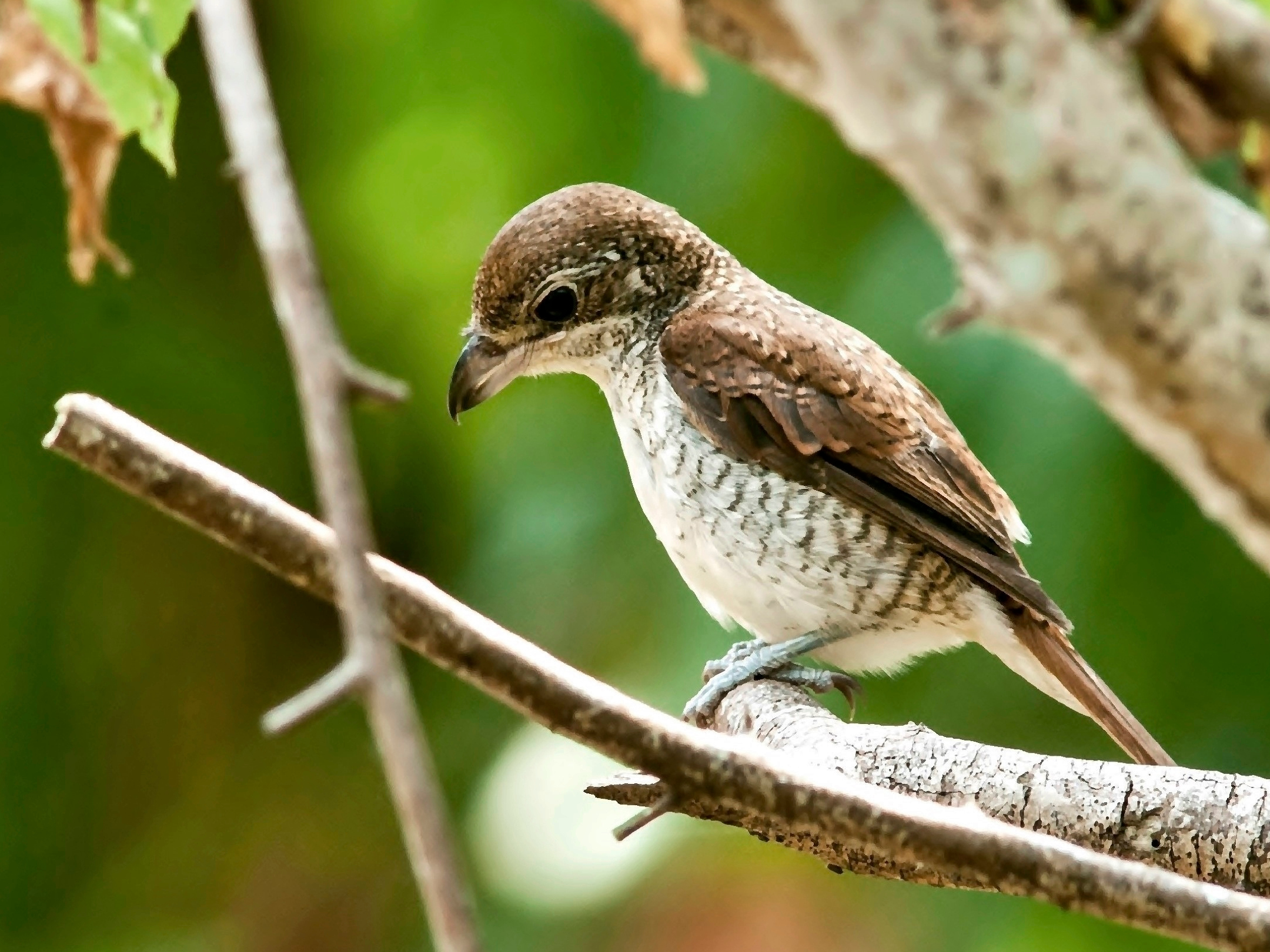
A 2026 ecotoxicology study in northeast China measured cadmium, lead, arsenic, zinc, copper and manganese in tail feathers from ten terrestrial predatory bird species across four families. The aim was to compare exposure among species and assess whether the concentrations indicated potential ecological risk.
Tiger shrikes had the highest arsenic and cadmium
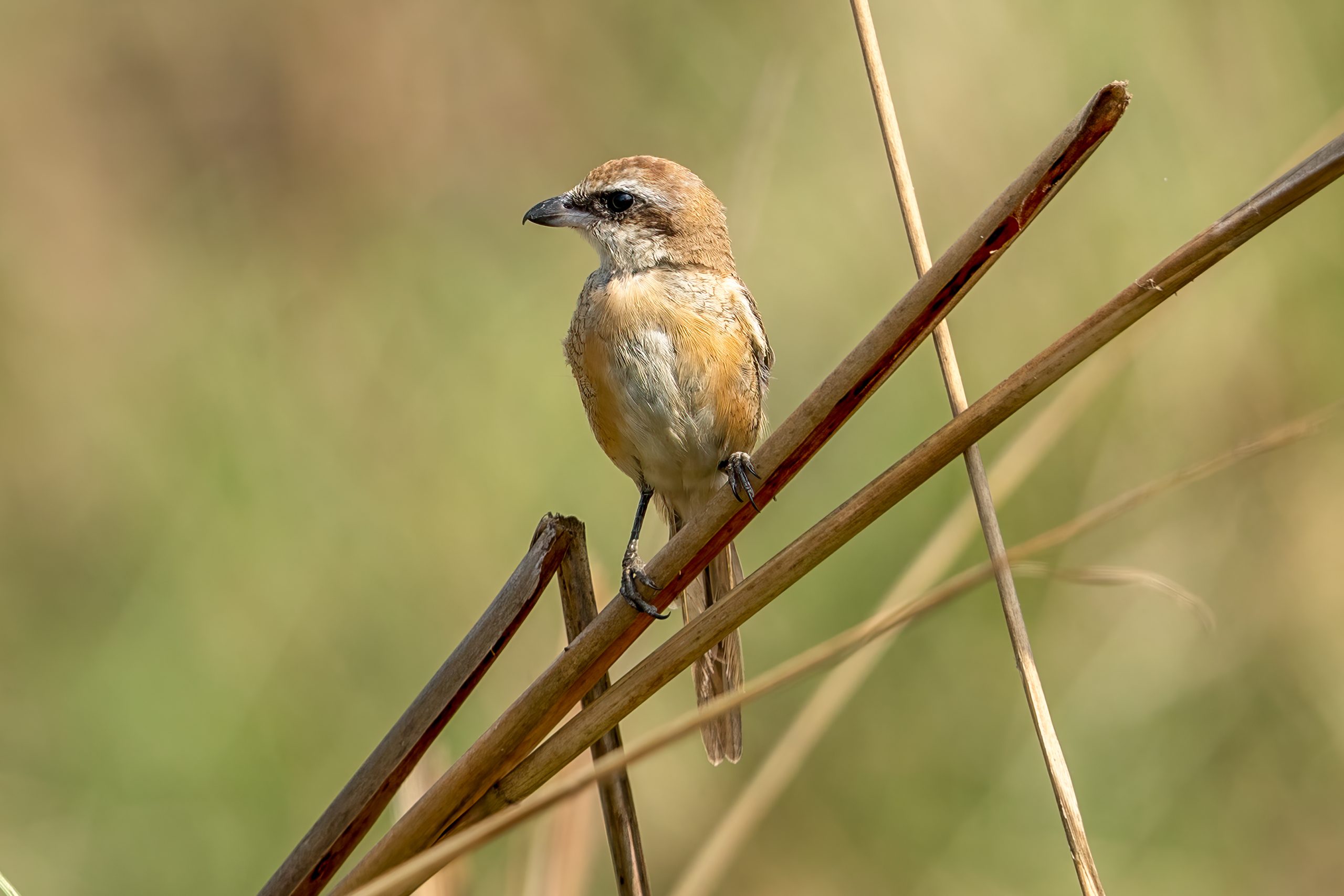
Tiger shrike (Lanius tigrinus) had the highest arsenic concentration, averaging 54.4 mg/kg, and the highest cadmium concentration at 5.5 mg/kg. Brown shrike (Lanius cristatus) was also among the more contaminated species and had elevated lead, averaging 33.6 mg/kg. The authors interpret the pattern as evidence that shrikes in the family Laniidae may be particularly susceptible to metal and metalloid contamination.
Most species exceeded at least one comparison threshold
Across all ten species, every species except long-eared owl (Asio otus) had at least one feather concentration above a toxicity threshold used for comparison in the study. The authors treat these exceedances as indicators of potential ecological risk; they are not direct measurements of poisoning or population-level effects.
Pollutant concentrations also differed between little owl (Athene noctua) and long-eared owl despite similar feeding behaviour, which the authors interpret as evidence of species-specific sensitivity. Stable-carbon-isotope values, used here as an indicator of feeding habitat, further suggested that birds associated with habitats showing lower δ¹³C values may experience greater exposure to metals and metalloids. The study concludes that anthropogenic metal contamination poses a potential ecological risk in northeast China and calls for stronger control of metal emissions.
Ecology
Related news
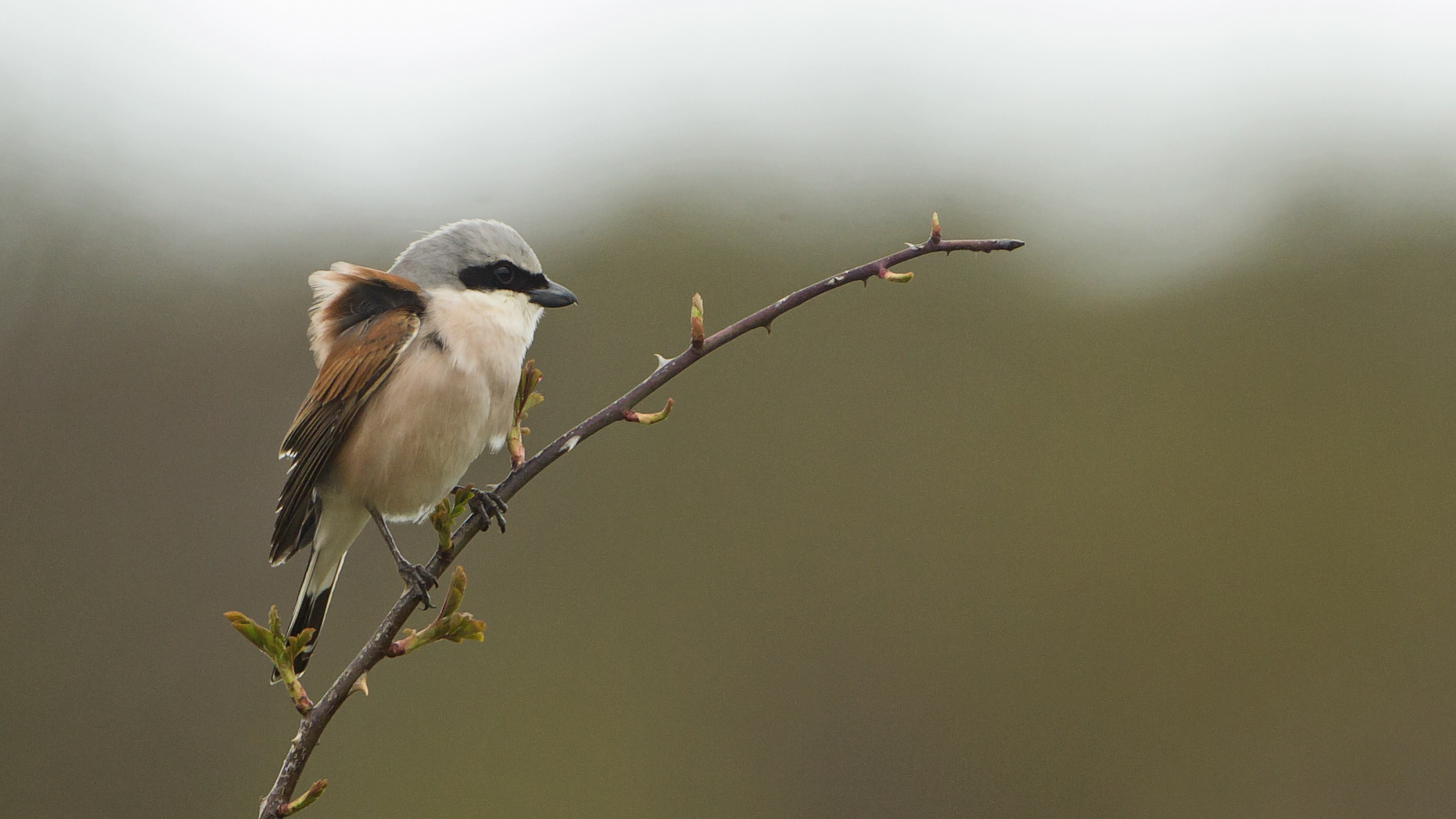
Brown Shrikes in Laos Flushed at Greater Distances Than Red-backed Shrikes in Poland
In spring 2024, brown shrikes in Laos took flight at a mean 53.7 m from an approaching observer,…
Read story →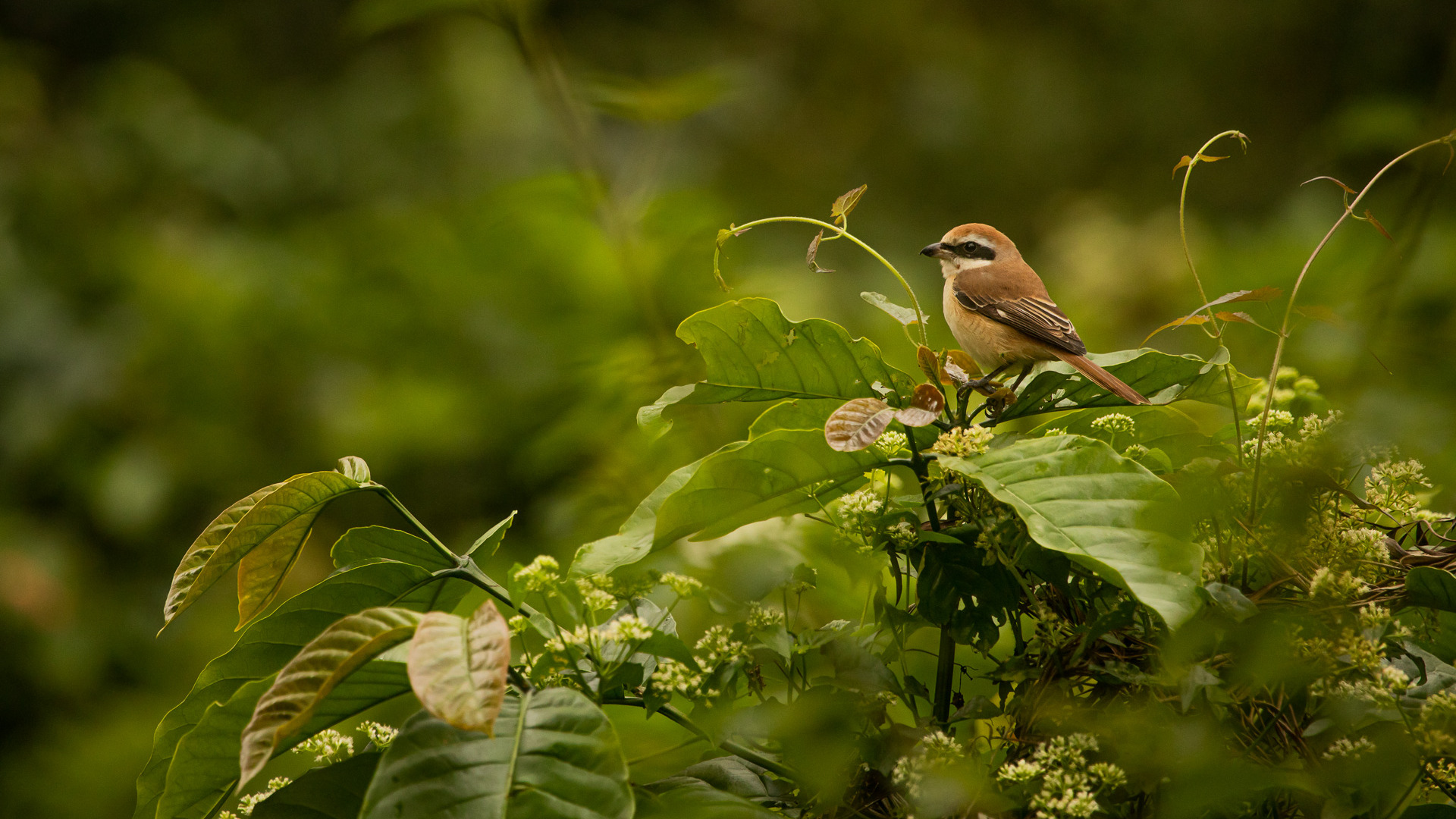
Brown Shrikes in Laos Were Most Often Found in Semi-Open Agricultural Mosaics
A 2026 field study in Laos found brown shrikes most often in semi-open agricultural landscapes, with occurrence positively…
Read story →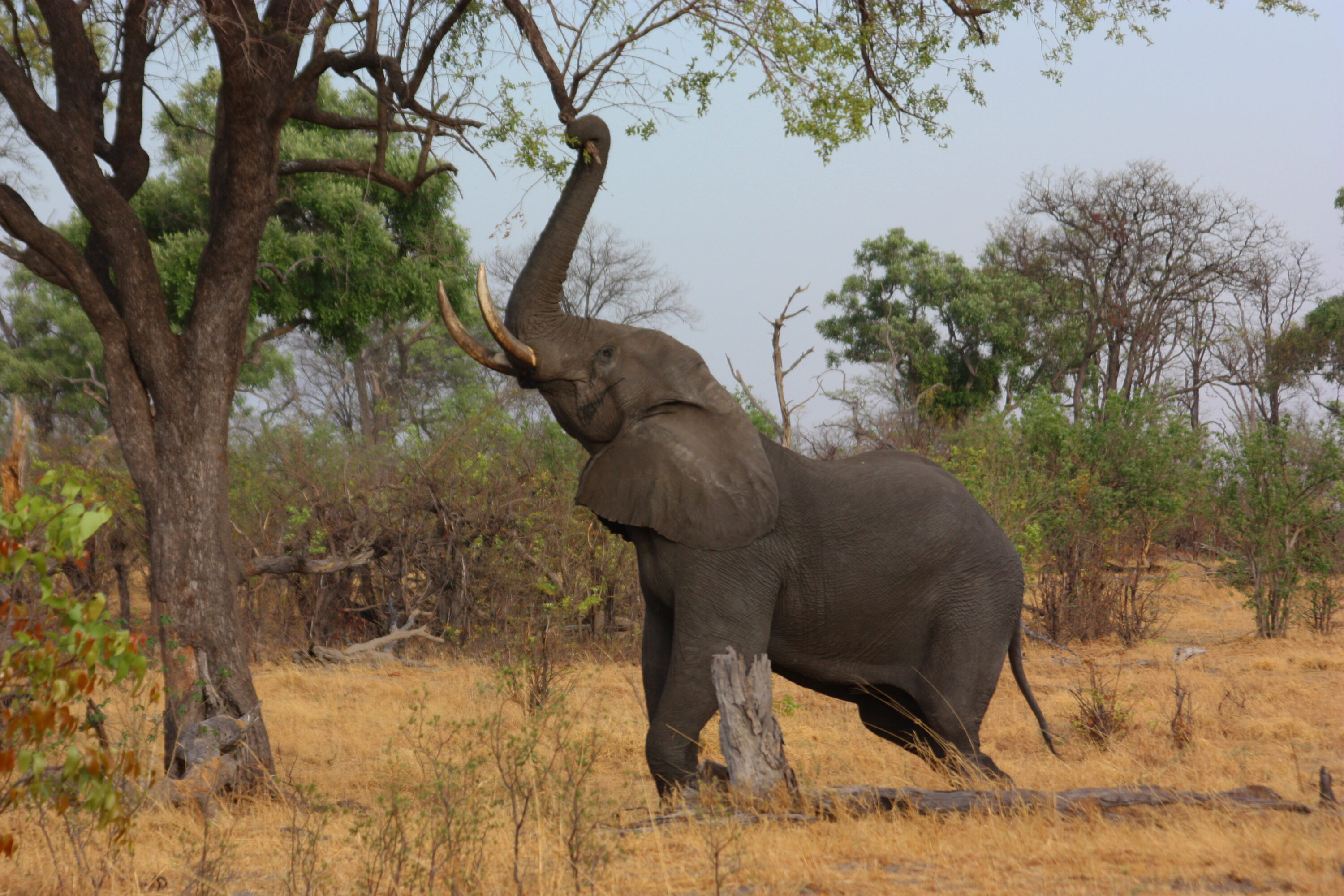
African Bush Elephants Distinguished Artificial Food-Quantity Patterns at Close Range
In experiments in South Africa, four semi-tame elephants chose between visual patterns representing canopy size and leaf density.…
Read story →SPECIES IN THIS STORY
Species in this story
Independent research and conservation news archive
Did you find this information useful?
Wildlife Vagabond is independently built and maintained. Voluntary support helps cover source verification, hosting and continued work on research and conservation news.
Support Wildlife VagabondThe news archive will remain freely available.