
Tiger Recovery Was Not Consistently Linked to More Human–Tiger Conflict
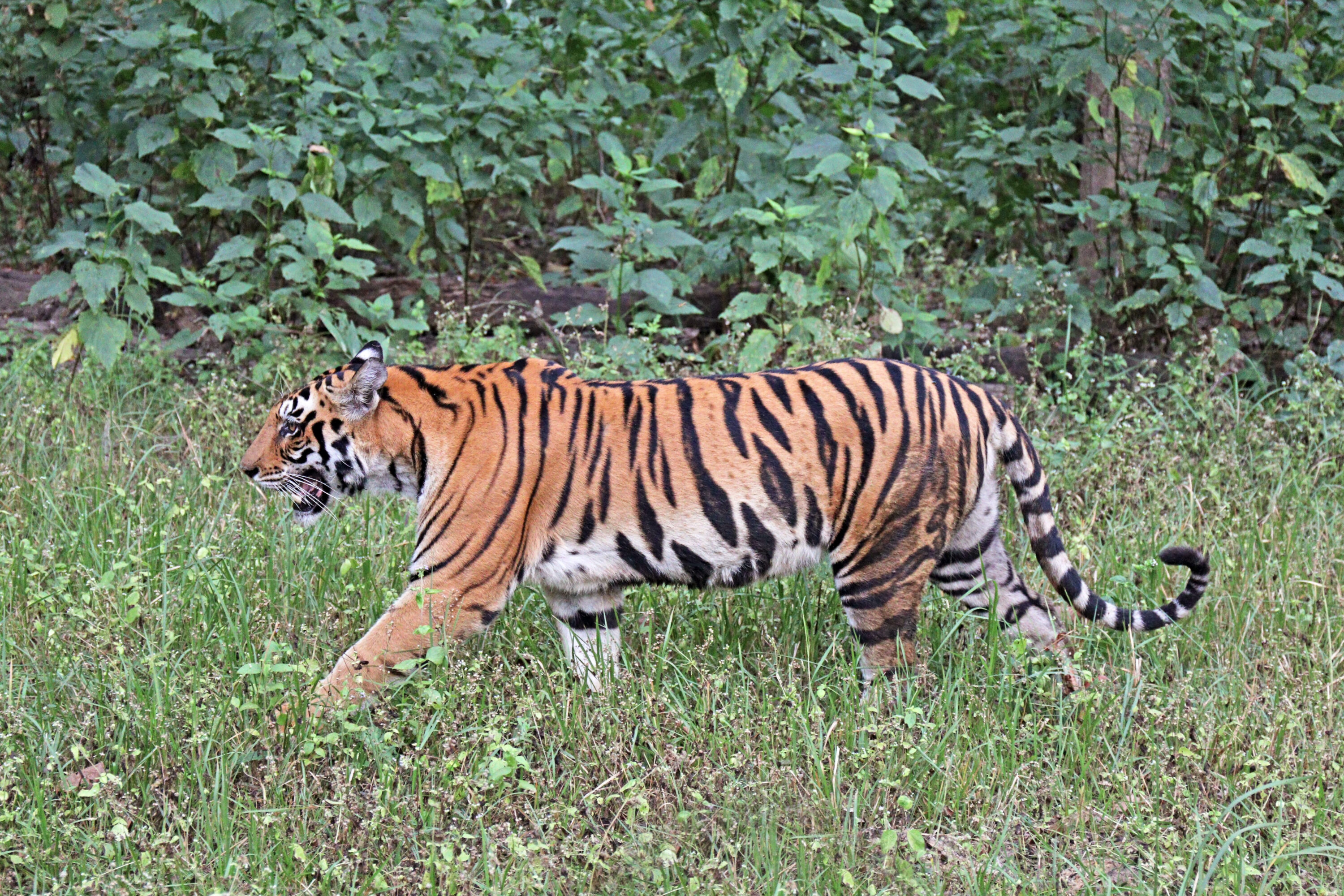
A broad synthesis of tiger (Panthera tigris) recovery and reported conflict found no consistent pattern in which more tigers were accompanied by proportionally more conflict with people. The researchers compiled country-year data from ten tiger range countries between 2010 and 2025, a period of substantial tiger recovery, and compared tiger population estimates with reported human deaths, injuries, livestock losses and overall conflict incidents. The study was published in Animal Conservation on 28 August 2026.
Tiger numbers did not track most conflict measures
Tiger population size showed no clear relationship with total reported conflict, human injuries or livestock depredation. A weak positive association appeared for human fatalities, but it varied strongly among countries, the analysis did not provide clear support for a consistent positive relationship, and the pattern was sensitive to a small number of country-year observations.
Other features of the landscapes showed clearer associations with fatal encounters. Human population density in tiger landscapes was positively associated with reported human deaths, while greater protected-area coverage was negatively associated with fatalities. Wild prey density showed no detectable relationship with any of the conflict outcomes at the national scale.
The compilation covered Bangladesh, Bhutan, China, India, Indonesia, Malaysia, Myanmar, Nepal, Russia and Thailand. However, conflict data from Myanmar and Thailand were not sufficiently aligned with tiger population estimates for the inferential analyses, so the statistical models represented a subset of the ten-country compilation rather than a complete test of all tiger range countries.
The synthesis is exploratory, not causal
This limitation is important because the underlying data came from different sources and included aggregated values and some values estimated between available time points. The study was therefore designed as an exploratory synthesis. The associations cannot show that human population density, protected areas or tiger abundance caused the observed differences in conflict.
What the analysis does challenge is a simple assumption that tiger recovery must automatically bring more human–tiger conflict. At national scale, conflict patterns were more variable than tiger numbers alone could explain. The authors argue that human exposure, land use and local conditions must therefore be considered alongside tiger abundance when interpreting changes in conflict.
Human–wildlife conflict
Related news
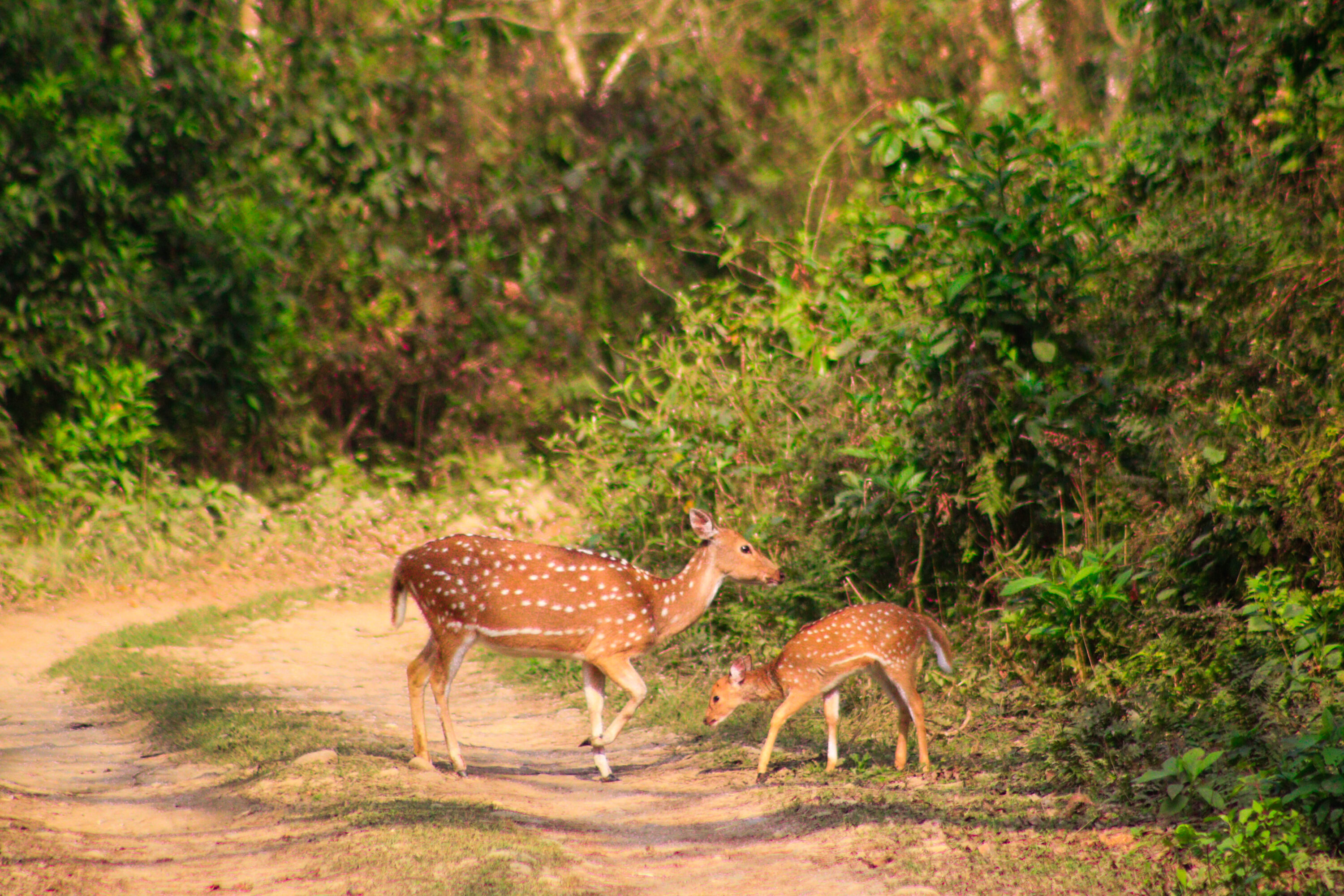
Human Activity and Large Wildlife Overlapped Most in Chitwan’s Buffer Zone
Camera traps across Chitwan National Park and surrounding forests showed the greatest overlap of human activity with large…
Read story →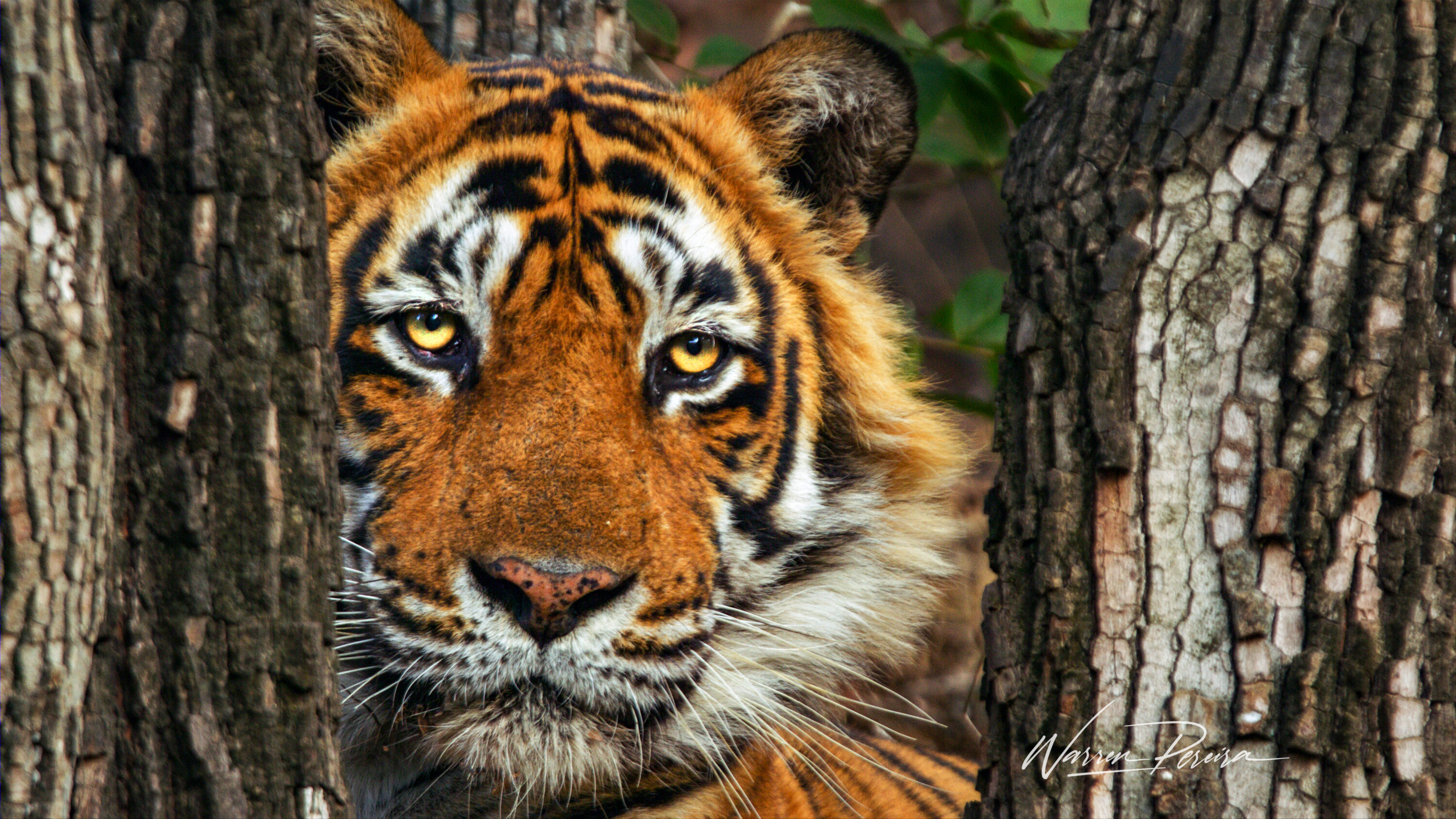
India launches a new evaluation cycle for its 58 tiger reserves
India’s sixth management effectiveness evaluation is planned to cover all 58 tiger reserves. The new cycle adds solid…
Read story →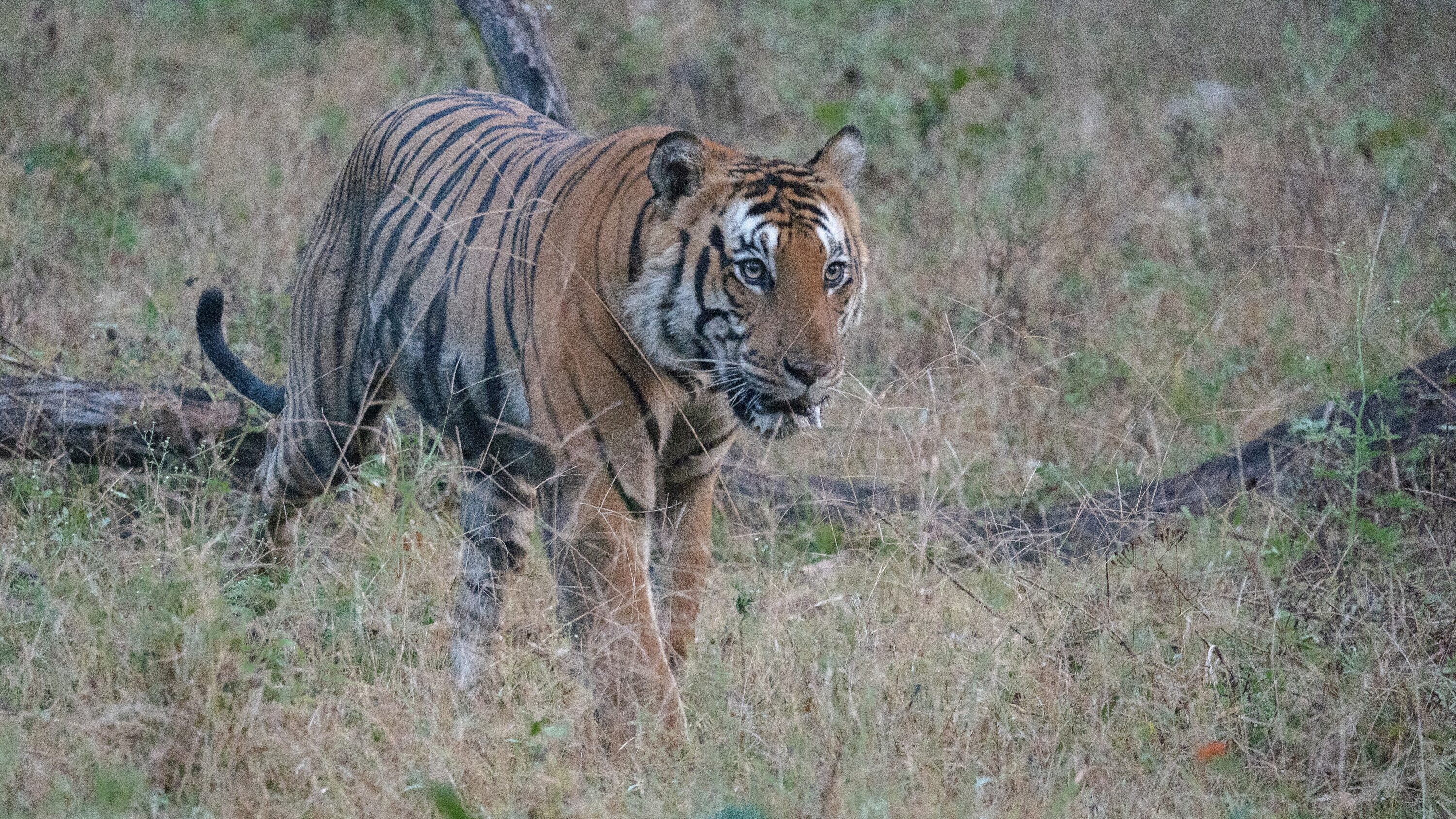
One Male Tiger Confirmed in Bhutan’s Biological Corridor 7
A 5,144-trap-night survey photographed one adult male tiger at two stations in Bhutan’s Biological Corridor 7, confirming use…
Read story →SPECIES IN THIS STORY
Species in this story
Independent research and conservation news archive
Did you find this information useful?
Wildlife Vagabond is independently built and maintained. Voluntary support helps cover source verification, hosting and continued work on research and conservation news.
Support Wildlife VagabondThe news archive will remain freely available.