
Two new studies sharpen the conservation map for white-backed vultures in Ethiopia
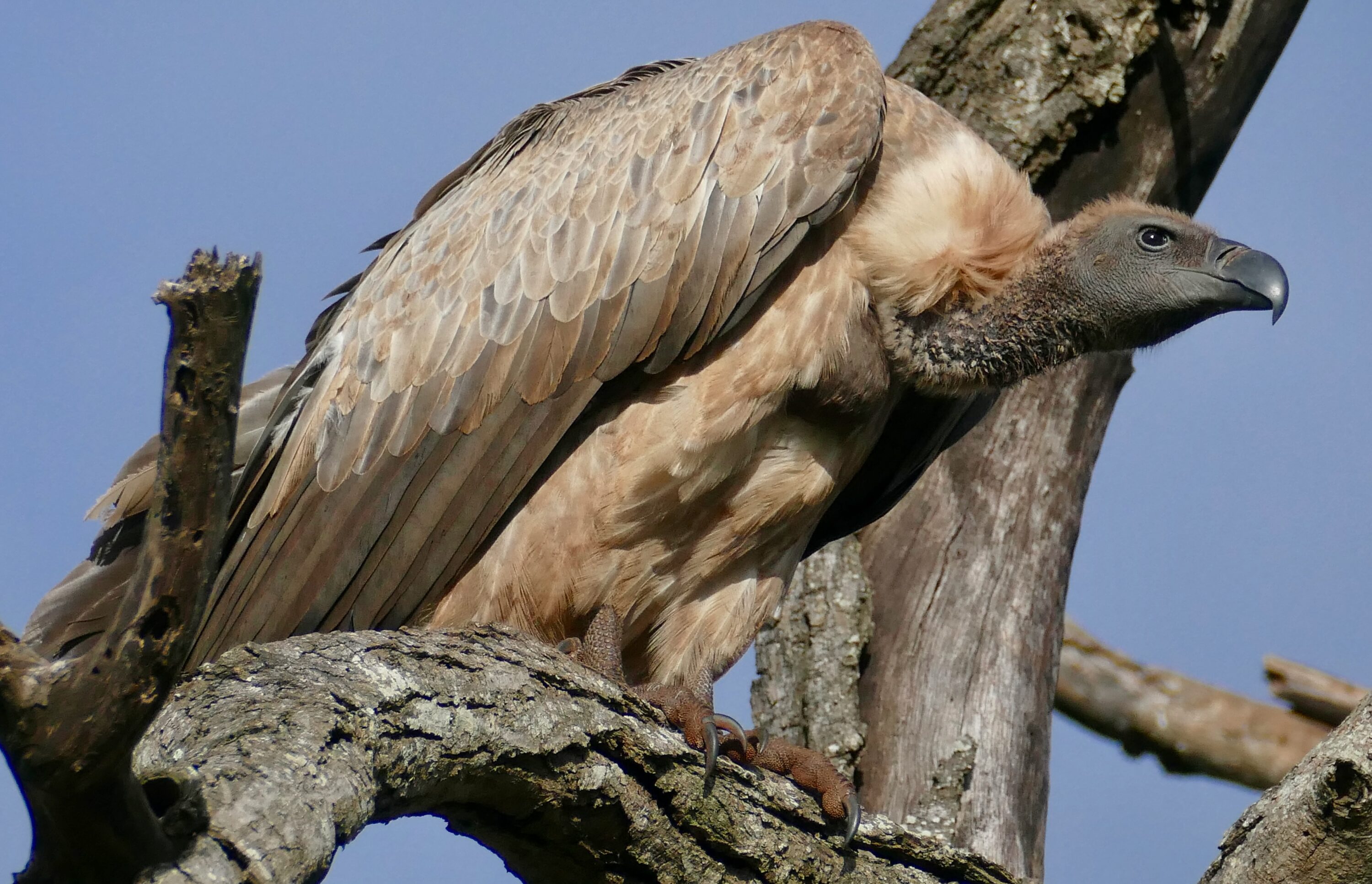
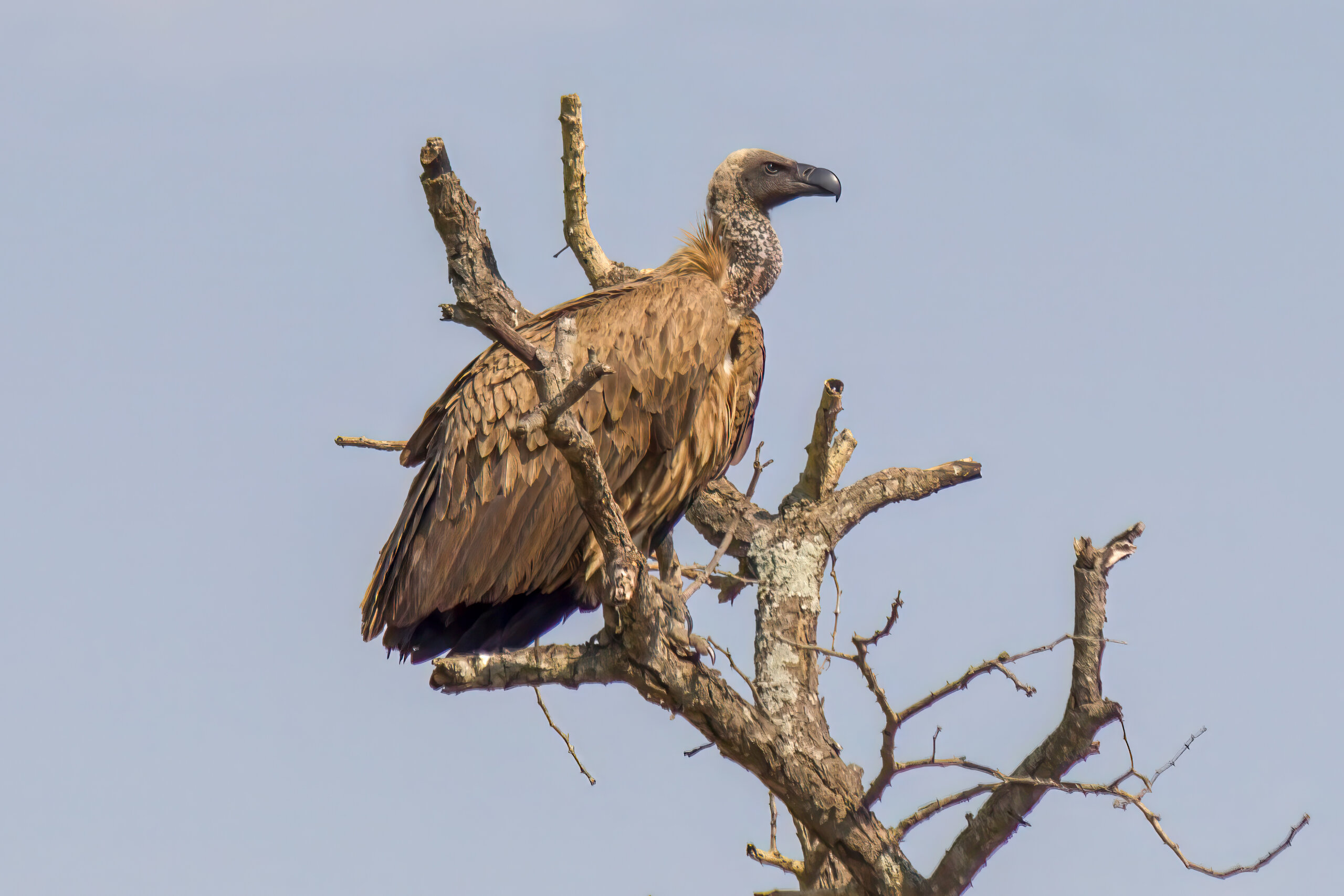
Two studies published in 2026 are adding unusually detailed information about where African white-backed vultures (Gyps africanus) use the landscape in southwest Ethiopia — information that could help target conservation for this critically endangered scavenger.
Field surveys recorded 1,150 white-backed vultures
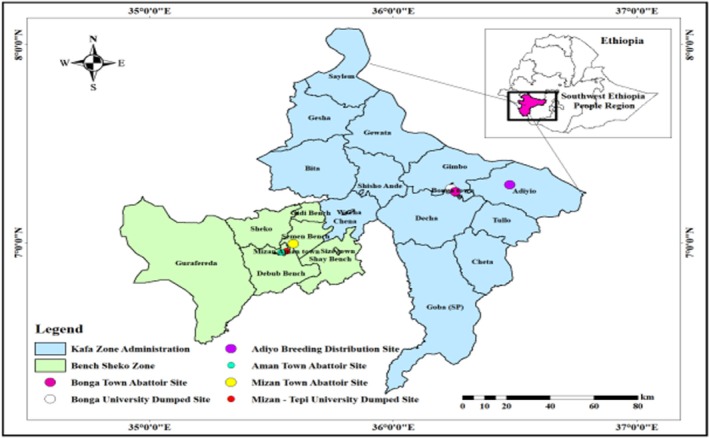
One field study surveyed vultures between June 2024 and February 2025 at breeding areas, abattoirs and waste-disposal sites. Across 216 repeated survey observations, the researchers recorded a total of 1,150 white-backed vulture sightings. This is a summed count across repeated surveys, not 1,150 known unique individuals. Breeding sites held the largest share of observations, and the birds showed strong use of large native trees including Juniperus procera, Olea welwetschia and Podocarpus falcatus for nesting and roosting.
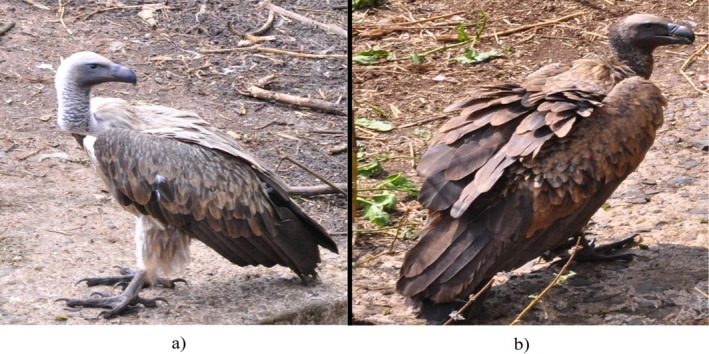
Adults made up almost 80% of the recorded birds. The authors interpret the relatively small proportion of younger vultures as a possible sign of recruitment problems.
Habitat modelling identifies additional priority areas
A second 2026 study used GIS-based habitat-suitability modelling built from 11 ecological and human-pressure variables. The model classified 94.71% of its 131,782.57 km² study area as suitable to very highly suitable, including 59.47% as highly suitable and 4.79% as very highly suitable. These are modelled suitability classes rather than confirmed occupancy. Together, the two approaches provide both field observations and a broader spatial framework for deciding where habitat protection and threat reduction may have the greatest value.
The field study recommends protecting important nesting and roosting trees, managing food sources at abattoirs and waste sites, and continuing seasonal monitoring. The habitat model identifies additional areas in southwestern Ethiopia where conservation measures could be prioritised.
Habitat protection
Related news
CT Reveals the Organs and Blood Vessels Inside a White-backed Vulture
A contrast-enhanced CT scan of one adult male white-backed vulture revealed major organs and vessels, while also showing…
Read story →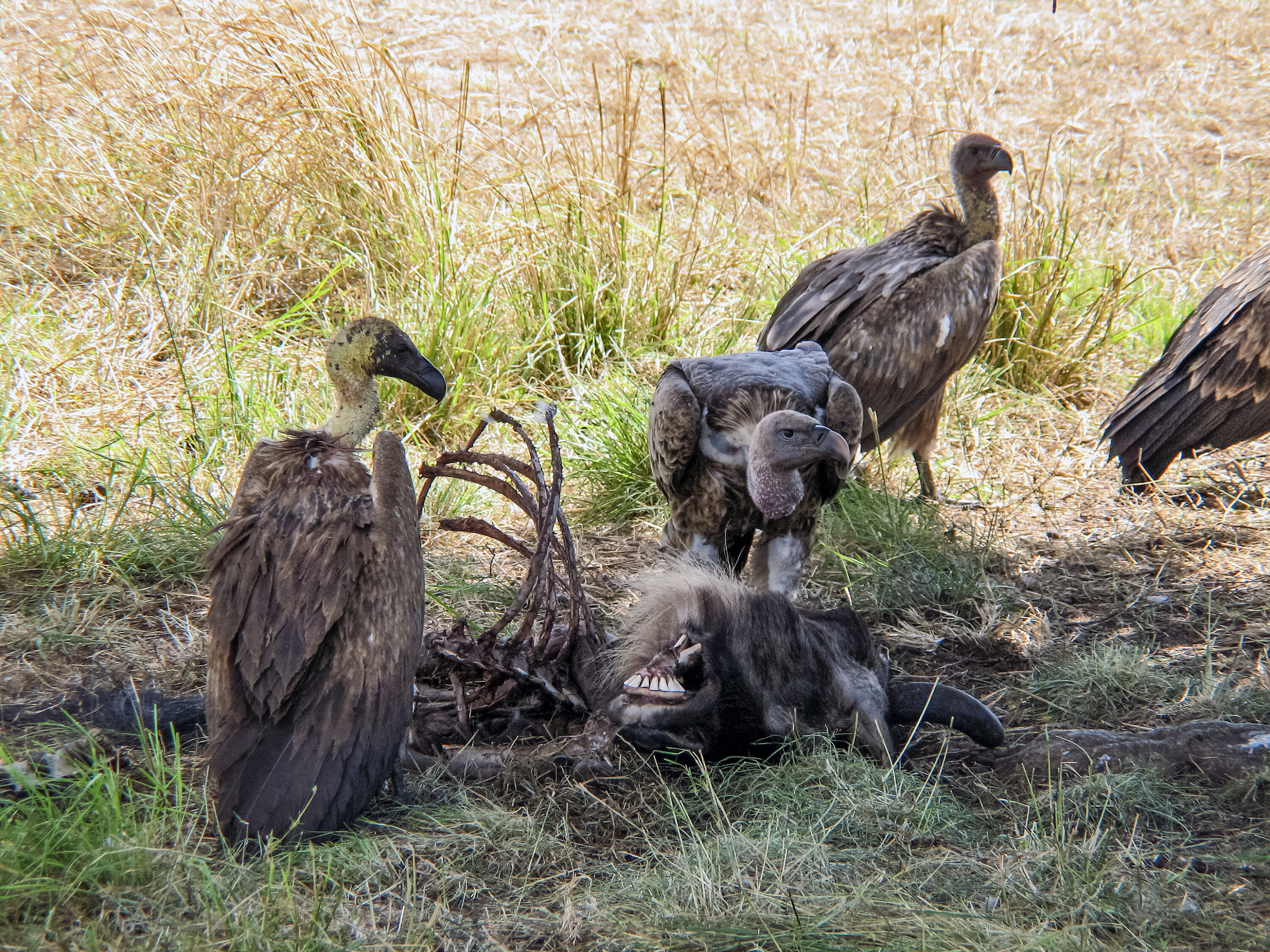
White-backed Vulture Transect Index Rose From 4.4 to 11.9 Birds per 100 km in Nazinga
Transect surveys in Burkina Faso’s Nazinga Game Ranch found 29 white-backed vultures in the latest survey and a…
Read story →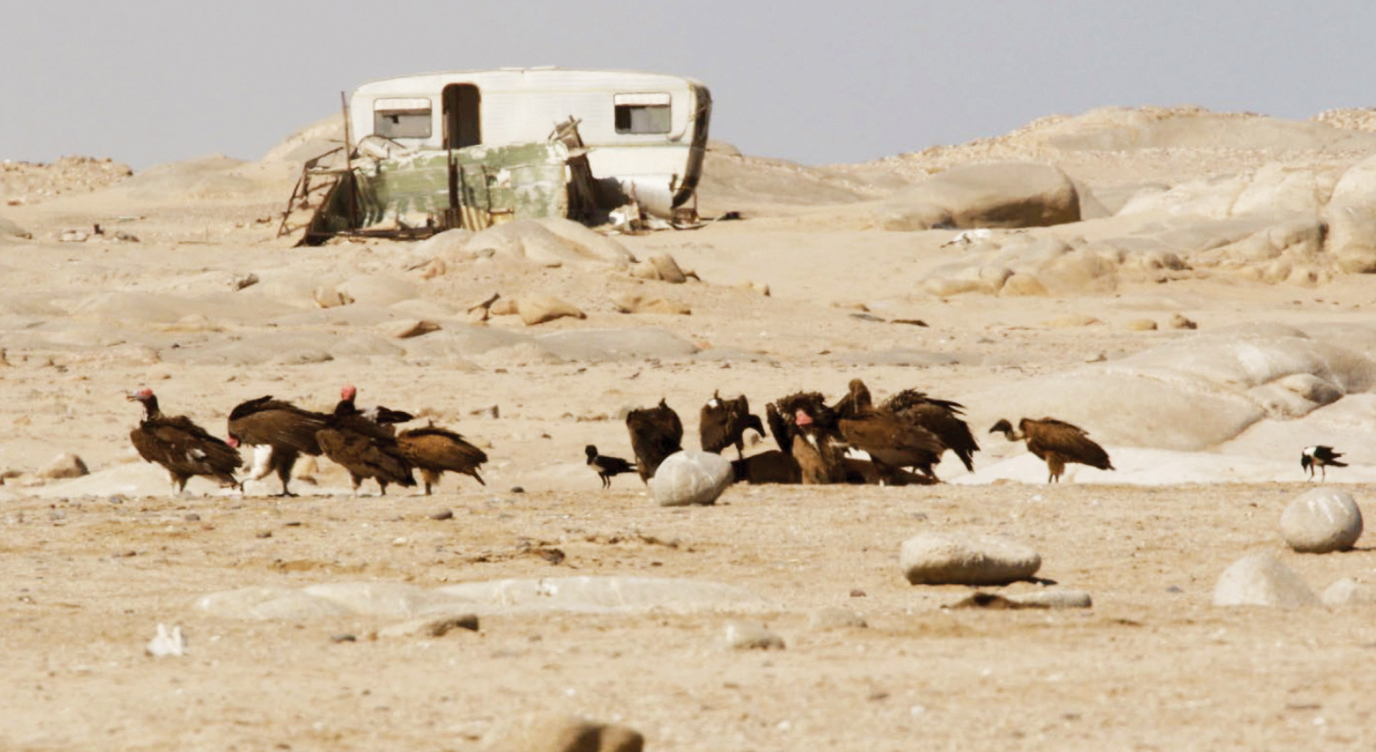
White-backed Vultures Documented Feeding on Marine Carrion for the First Time
Four immature white-backed vultures were observed feeding on a Cape fur seal killed by lions at Möwe Bay…
Read story →SPECIES IN THIS STORY
Species in this story
Independent research and conservation news archive
Did you find this information useful?
Wildlife Vagabond is independently built and maintained. Voluntary support helps cover source verification, hosting and continued work on research and conservation news.
Support Wildlife VagabondThe news archive will remain freely available.