
UK Winter Waterbirds Diverged: Tufted Duck Index Hit a Four-Decade Low as Canada Goose Index Rose 60%
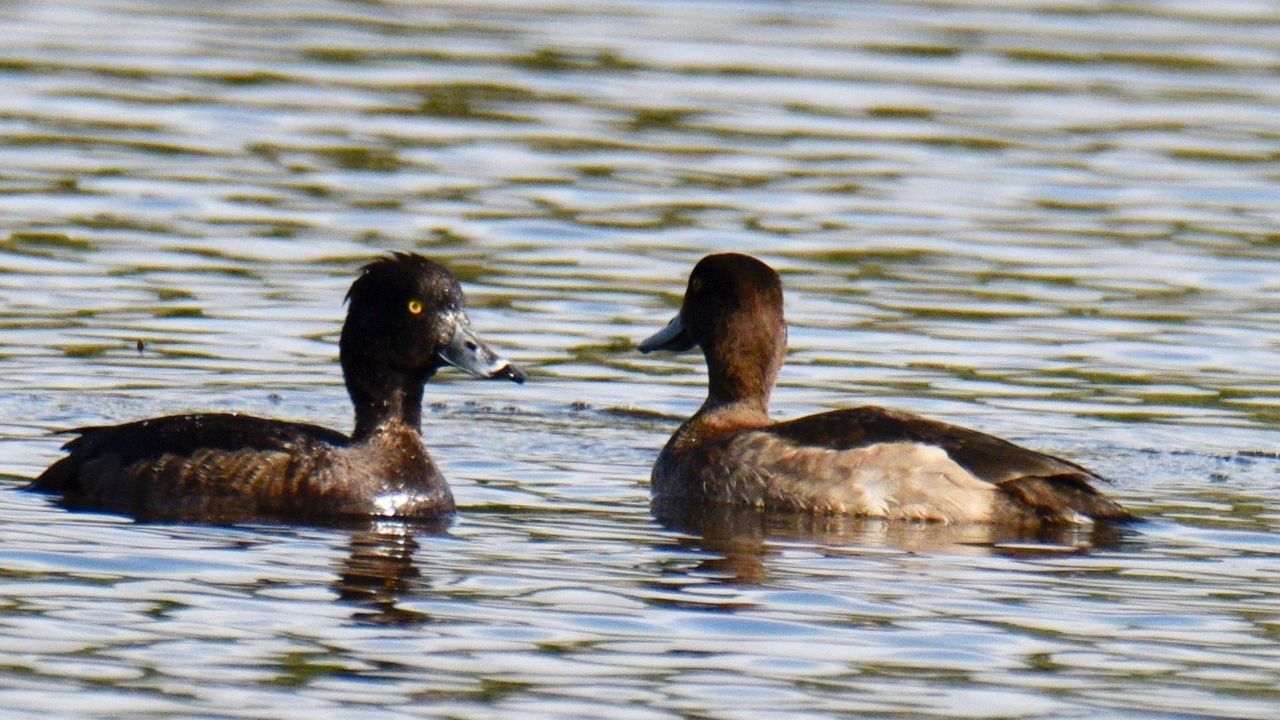
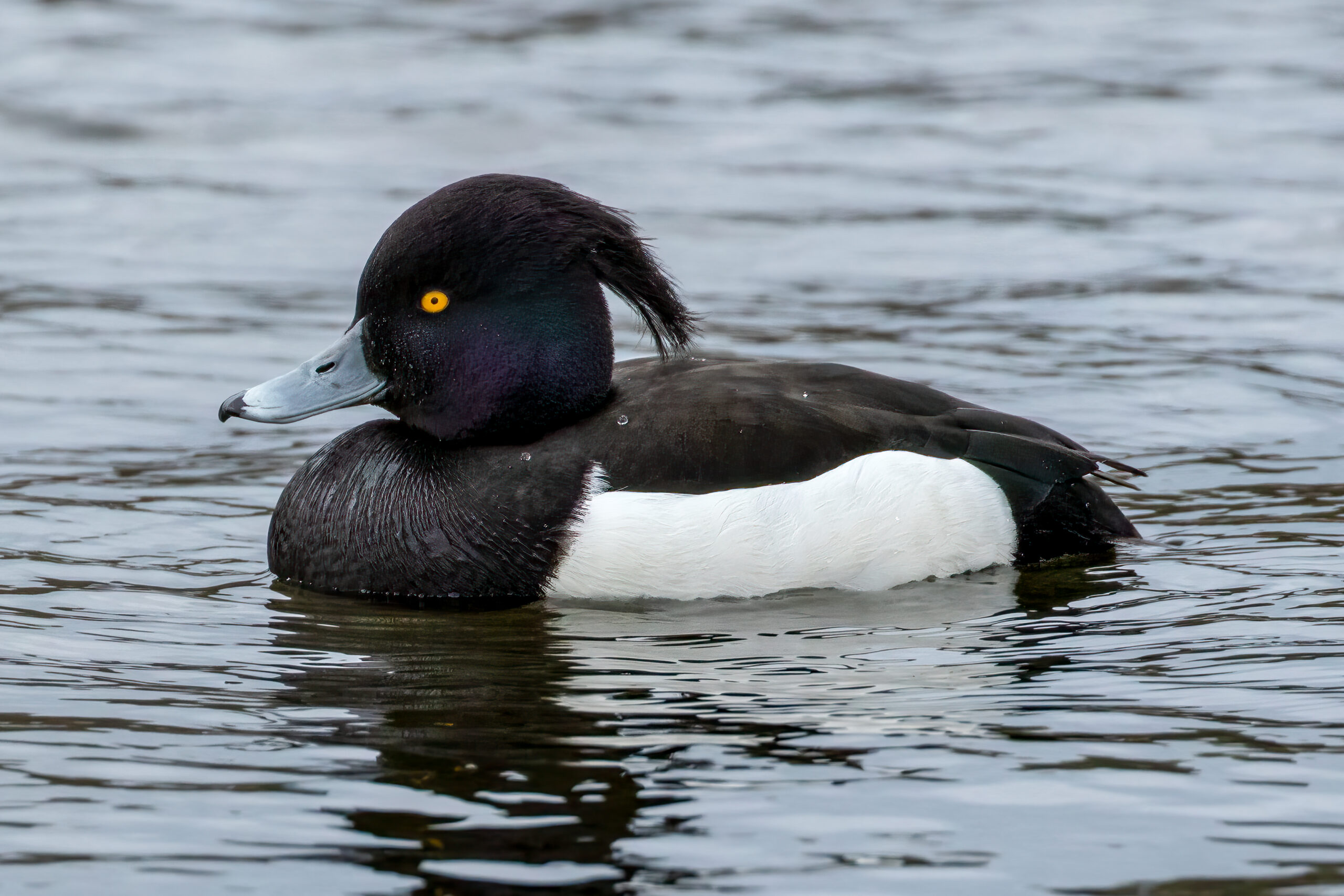
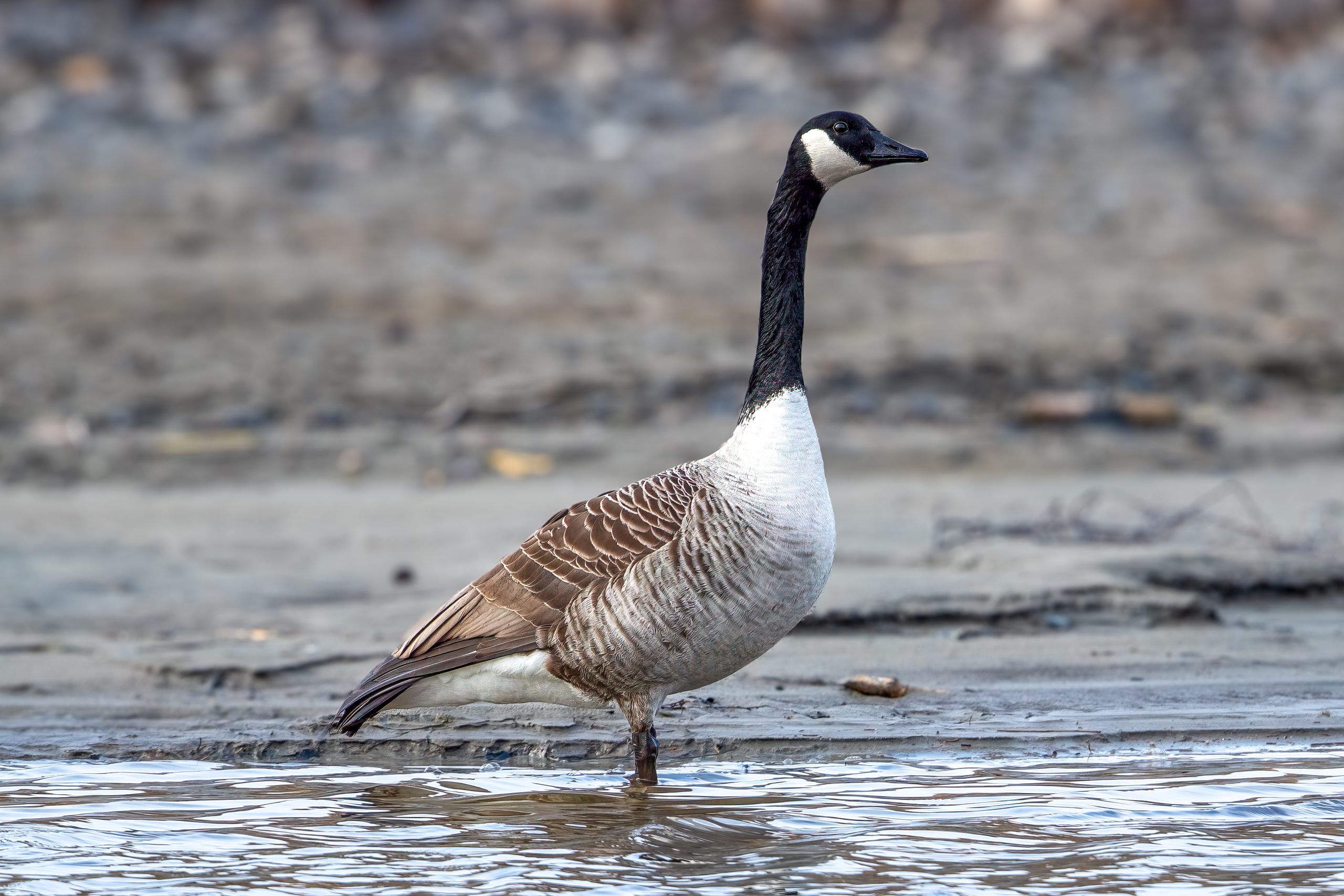
Official UK winter-waterbird statistics published on 16 April 2026 showed sharply contrasting trends for two familiar species. The tufted duck (Aythya fuligula) index fell to its lowest level since 1985/86, while the Canada goose (Branta canadensis) index was 60% higher than 25 years earlier.
The figures come primarily from the Wetland Bird Survey and describe smoothed abundance indices rather than complete national counts. An index tracks relative change in the monitored winter population over time; it does not state how many birds were present nationally. The 25-year trend compares 1998/99 with 2023/24 and the ten-year trend compares 2013/14 with 2023/24; data from winter 2024/25 also contribute to the smoothed calculations.
Tufted duck fell 22% over ten years
The UK tufted-duck index declined by 22% over ten years and 21% over 25 years. The ten-year declines were 16% in England, 16% in Wales, 28% in Scotland and 46% in Northern Ireland. Northern Ireland also recorded a 79% decline over 25 years and its latest index was a record low.
The longer trend was not negative everywhere: England was 2% higher than 25 years earlier and Wales 15% higher, while Scotland declined 25%. Because tufted ducks are partly migratory, changes in the UK winter index can reflect both population change and redistribution within the wider flyway.
Canada goose rose 60% nationally but declined in Northern Ireland
The UK Canada-goose index increased by 60% over 25 years and 27% over ten years. England rose by 49% and Wales by 140% over 25 years, while Scotland increased 375%. Northern Ireland moved in the opposite direction, with declines of 44% over 25 years and 45% over ten years.
JNCC notes that the established non-native Canada goose is still increasing nationally, although its ten-year growth rate is slightly lower than in the previous annual release.
The indices describe winter use of the UK, not total flyway populations
Winter distribution can change with weather, food, water levels and migration strategy. The 2024/25 winter was milder than average in Europe, and short-stopping farther east or north can reduce British counts of migratory waterbirds without an equivalent decline across their entire populations. JNCC therefore cautions against assigning any single cause to an index change without wider flyway evidence.
Population & status
Related news
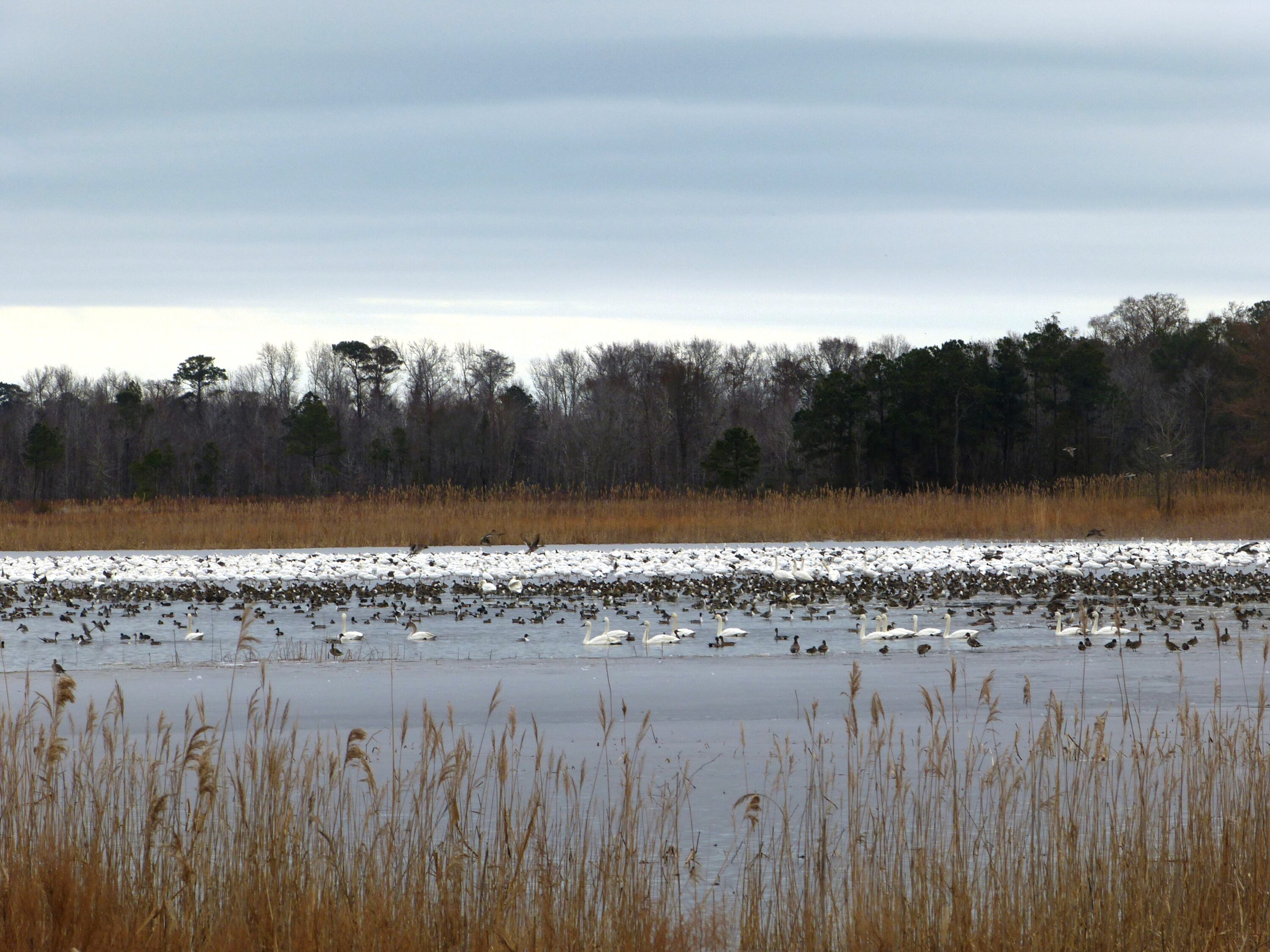
Genome Assemblies Released for 73 Anseriformes Species
A 2026 data paper released whole-genome assemblies for 73 species of ducks, geese, swans and other Anseriformes. Each…
Read story →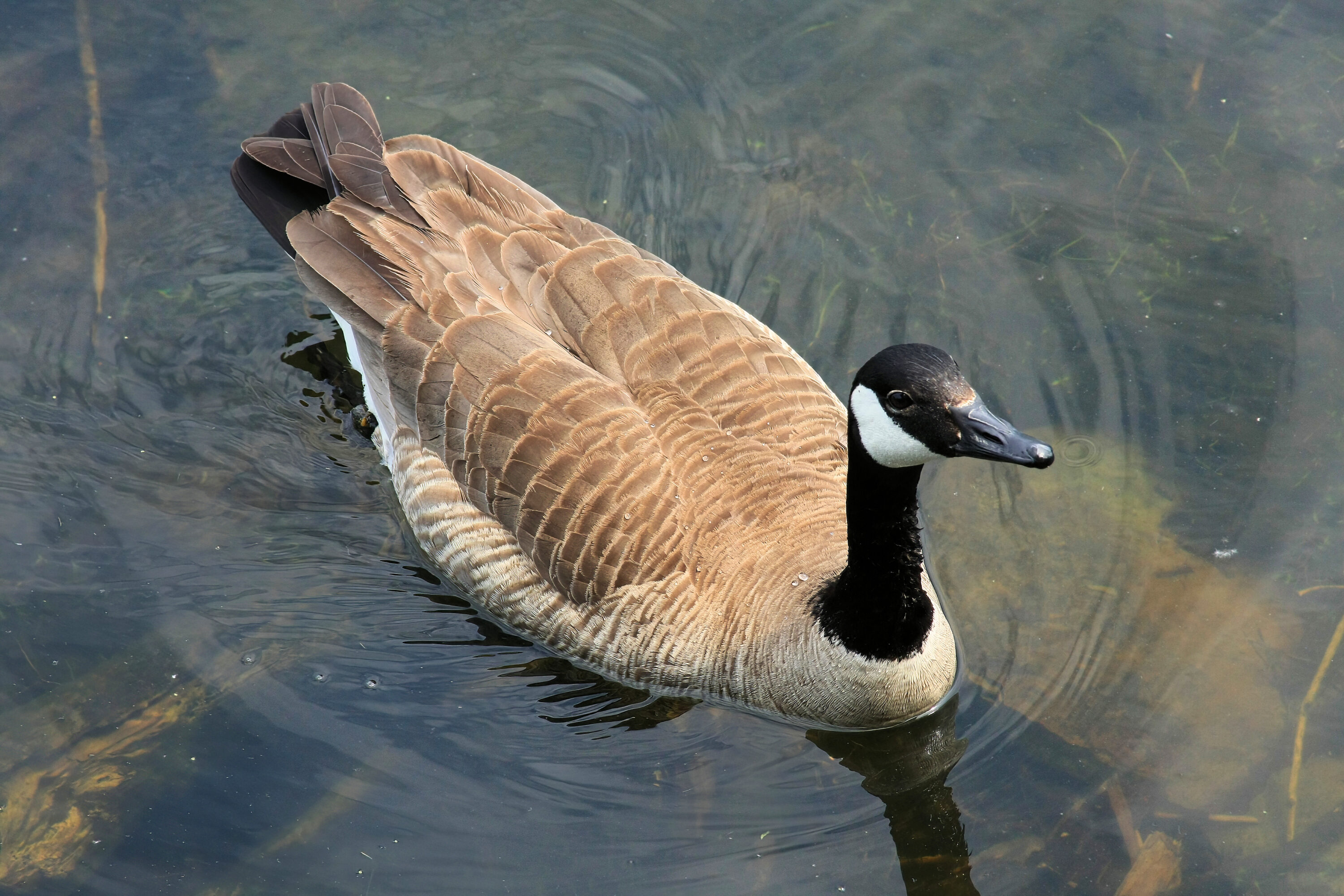
Seven overlaps linked wild-bird H5 clusters with poultry outbreaks in the US
Across seven periods between 2022 and 2025, clusters of H5 detections in wild waterfowl overlapped in time and…
Read story →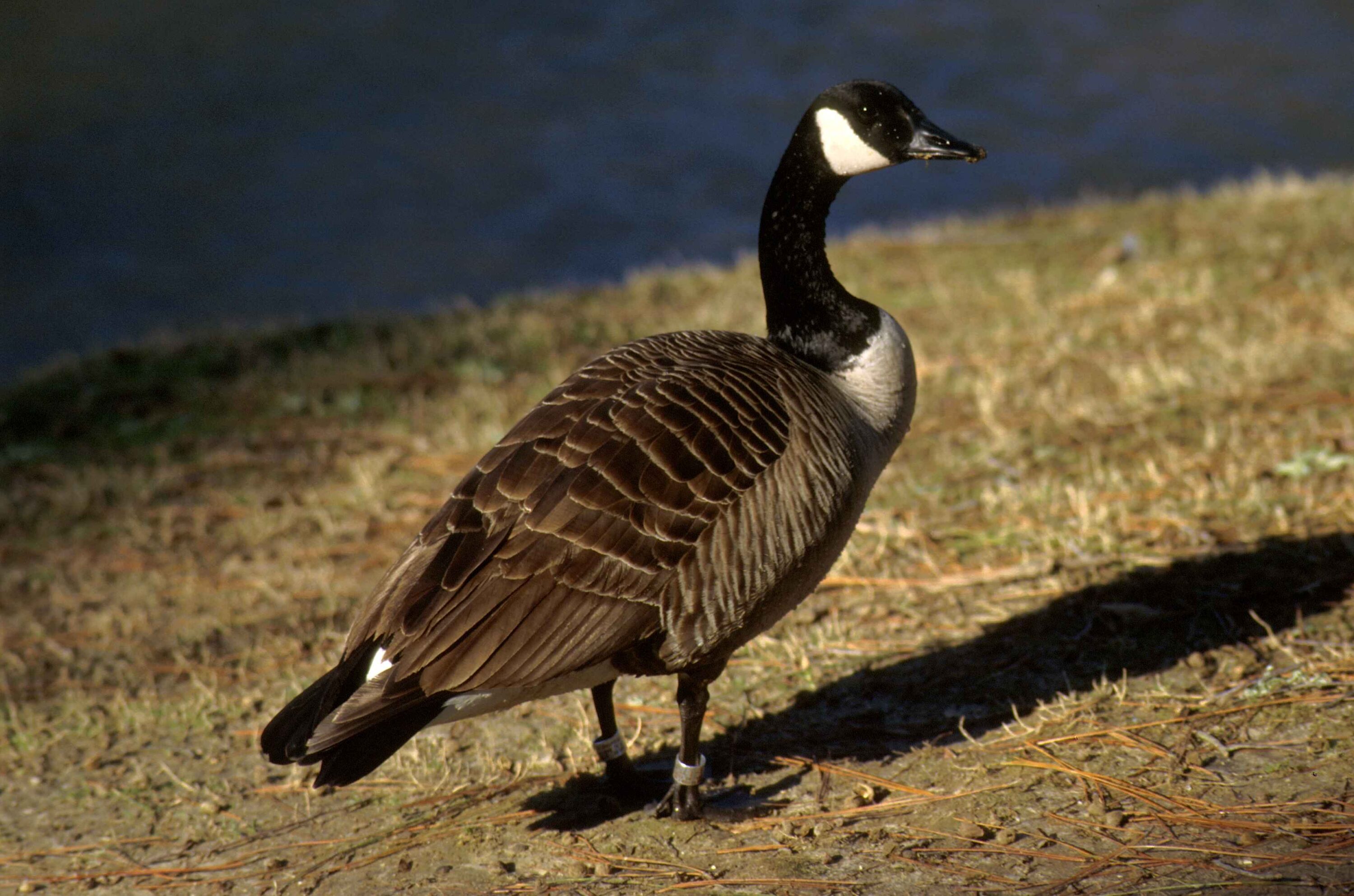
Adult Canada Geese Became Less Likely to Be Harvested Despite More Liberal Hunting Rules in Arkansas
From 2005 to 2020, estimated adult harvest probability declined while adult survival increased among Canada geese breeding in…
Read story →SPECIES IN THIS STORY
Species in this story
Independent research and conservation news archive
Did you find this information useful?
Wildlife Vagabond is independently built and maintained. Voluntary support helps cover source verification, hosting and continued work on research and conservation news.
Support Wildlife VagabondThe news archive will remain freely available.