
Urban Chaffinches Stayed Aggressive During a Repeated Intrusion
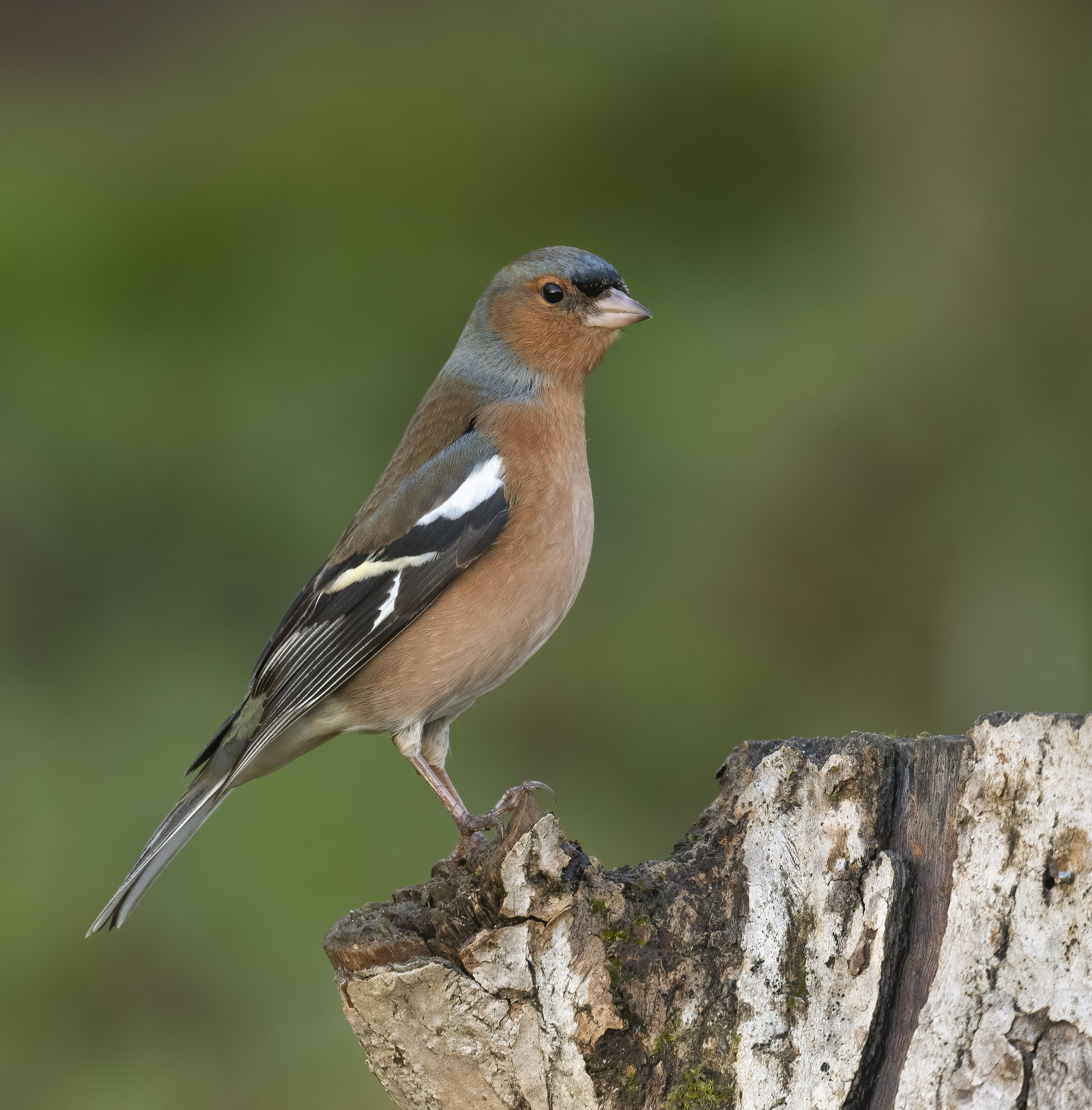
Male common chaffinches living in an urban part of Istanbul maintained their territorial aggression when researchers repeated a simulated intrusion one day later, whereas males at rural sites reduced their response. The study, published in Ecology and Evolution on 24 February 2026, suggests that city birds may be less flexible in this particular behaviour than their rural counterparts.
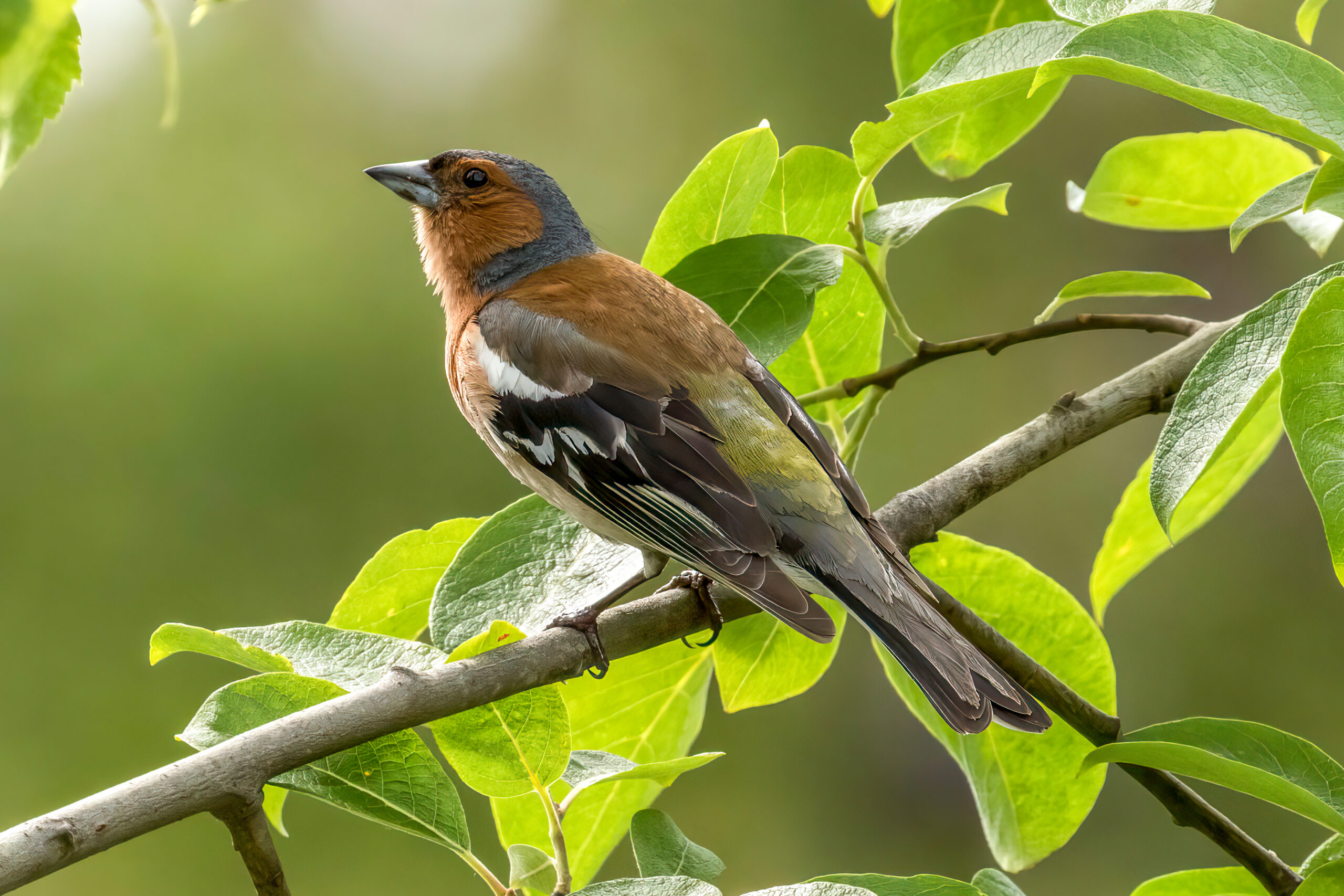
The researchers studied the common chaffinch (Fringilla coelebs) because males defend breeding territories and the species occurs in both urban and rural environments. Urbanisation can change food availability, habitat structure and the acoustic setting in which birds communicate. One proposal is that human-made noise masks signals used to assess rivals, potentially making disputes harder to settle through song alone.
Fieldwork took place in Sarıyer, Istanbul, at one urban site and two rural sites. The team tested 23 territorial males: 11 in the city and 12 in the countryside. A speaker was placed inside each territory and played a recording of a male chaffinch song for one minute. Researchers recorded how close the resident male approached, how much time it spent within one and five metres of the speaker, and how many flights it made. Each male received the same playback again after 24 hours, allowing the team to compare both the strength and the consistency of the response.
Urban males stayed aggressive on the second day
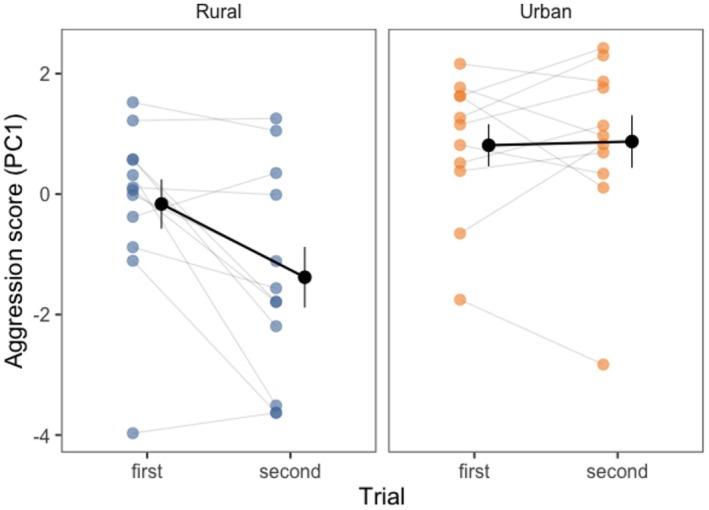
Urban and rural males did not differ significantly during the first trial. The contrast emerged on the second day. Rural males became less aggressive, while urban males responded at much the same level as before. Consequently, the urban birds had higher aggression scores than the rural birds during the repeated intrusion. Aggression was also more repeatable among the urban males, and their behaviour varied less from one trial to the next.
Noise was not supported as an independent explanation within the city
Across all sites, aggression scores increased with ambient noise. However, noise levels barely overlapped between the urban and rural habitats, and the relationship was not statistically supported when the urban birds were analysed on their own. The authors therefore state that their data cannot establish a strong, habitat-independent effect of noise on aggression. They propose several possibilities for the persistent urban response: noise may hinder recognition of the repeated song, or urban territories may be valuable enough that maintaining a strong defence is worthwhile. Both explanations require further experiments.
The result runs against the expectation that animals successful in cities should show greater behavioural flexibility. Reducing an unnecessary aggressive response could save energy and lower the risk of injury, so a rigid response may carry costs. At the same time, the researchers caution that the sample was small, the birds were not individually ringed, and the study included only one urban location. The work therefore identifies a pattern and a testable question rather than a general rule for city-dwelling chaffinches.
Behaviour
Related news
New Feeding Advice Aims to Curb Disease Linked to Chaffinch Decline
The RSPB is asking people to pause seed and peanut feeding from May to October as trichomonosis is…
Read story →
Habitat and Prey Traits Shaped Sparrowhawk Diet Around 62 Czech Nests
A 2026 Czech study of 1,107 prey items from 62 Eurasian sparrowhawk nests found that diet composition varied…
Read story →
Eurasian Sparrowhawk Spring Passage Varied With the Timing of Bird Prey
Forty years of ringing data at Hel Peninsula in northern Poland linked year-to-year spring passage of Eurasian sparrowhawks…
Read story →SPECIES IN THIS STORY
Species in this story
Independent research and conservation news archive
Did you find this information useful?
Wildlife Vagabond is independently built and maintained. Voluntary support helps cover source verification, hosting and continued work on research and conservation news.
Support Wildlife VagabondThe news archive will remain freely available.