
Model Projected a 43% Ten-Year Decline in Urban House Sparrows if Baseline Conditions Continued
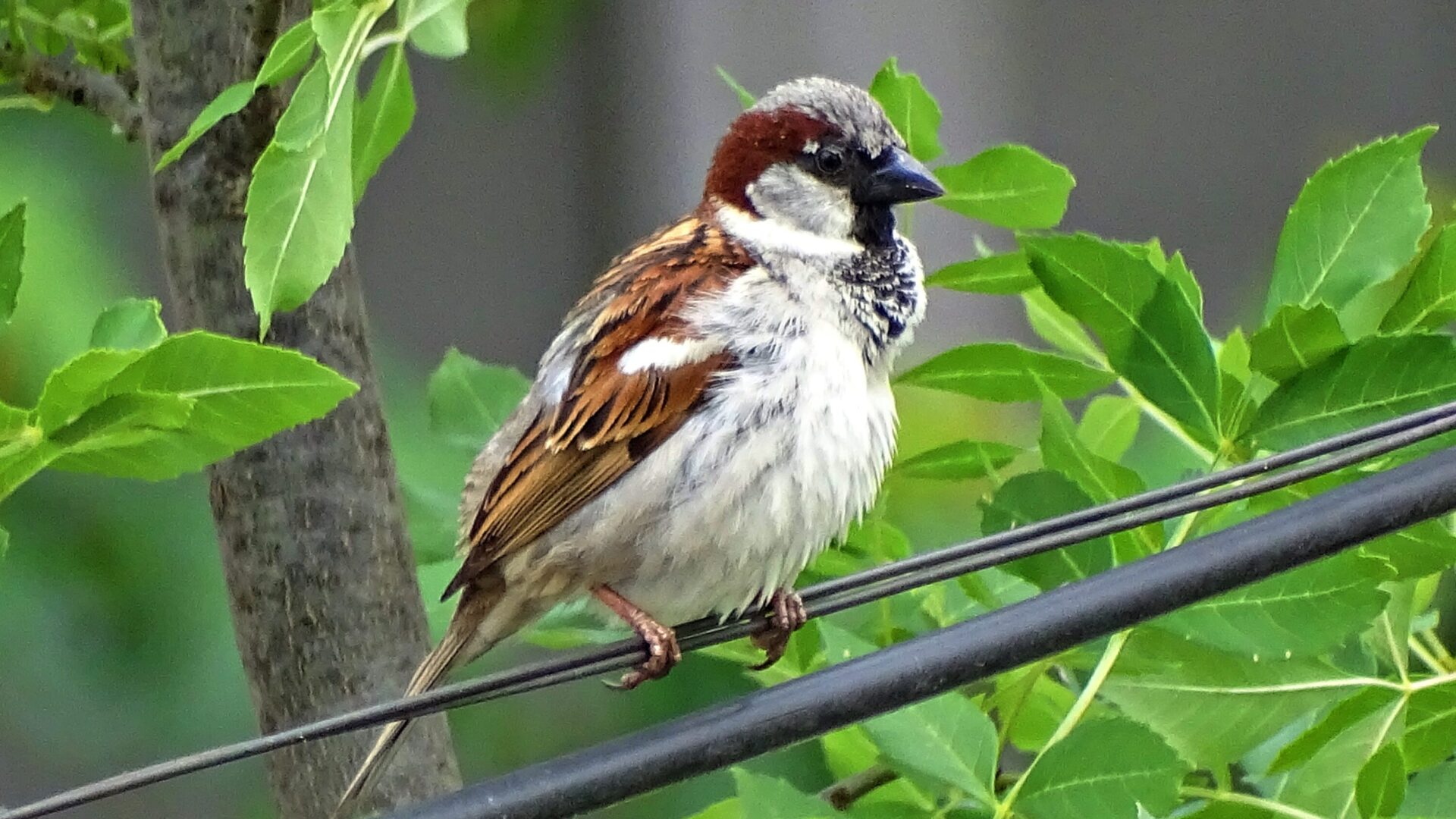
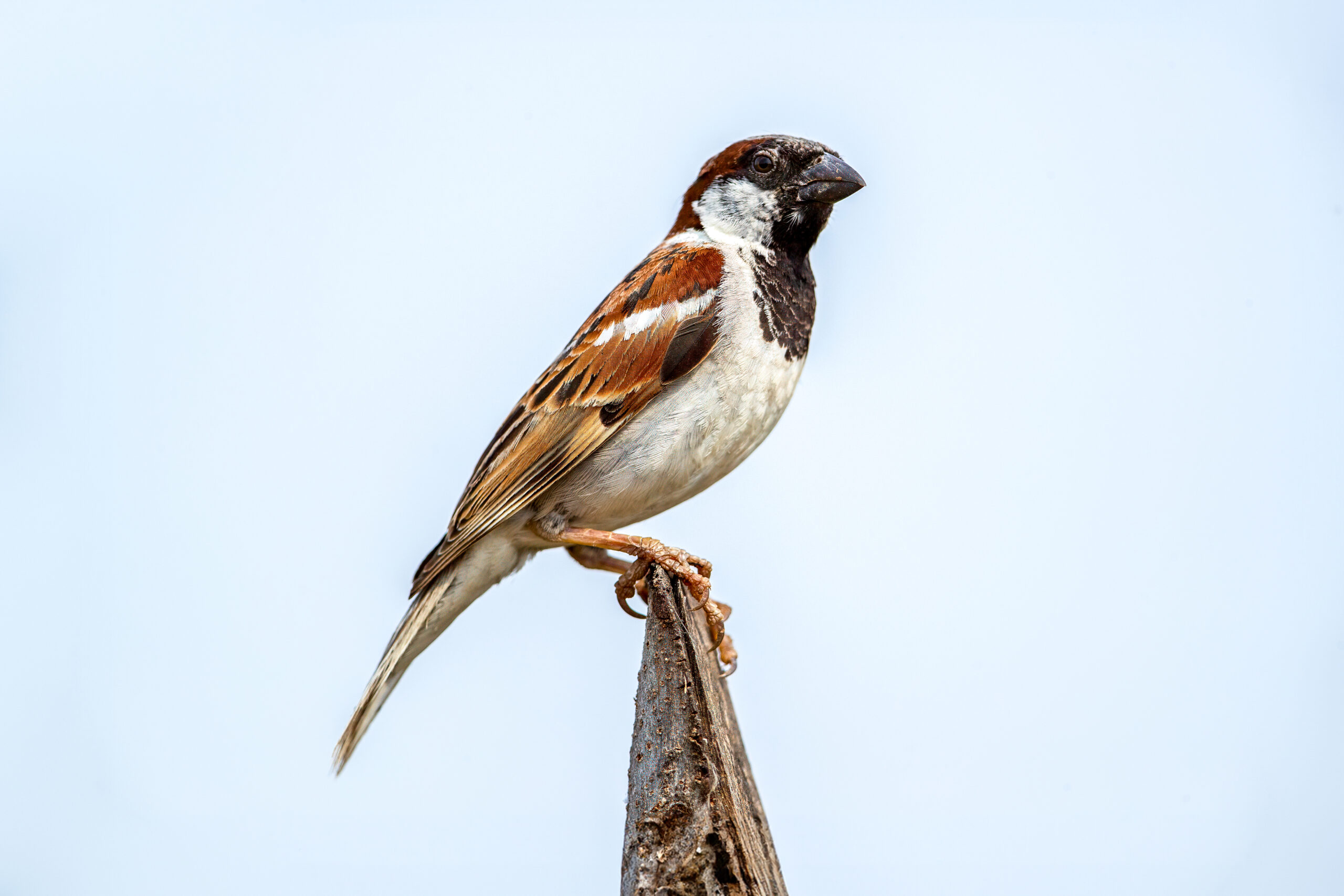
A Spanish system-dynamics model projects that an urban house sparrow (Passer domesticus) population could decline by 43% over ten years if the pressures and management represented in the baseline scenario remain unchanged. The study also identifies urban green space, food resources and nesting opportunities as connected parts of the recovery problem.
House sparrows have declined sharply in several large European cities, but the causes do not act independently. Juvenile survival depends on the insects supplied by adults, breeding requires suitable cavities, and mortality can be affected by predators and pollution. Researchers Ángela Martín-Méndez and Francisco Campuzano-Bolarín therefore used system dynamics, a modelling approach designed to follow how interacting parts of a system change through time and feed back on one another.
The model follows four main quantities that change through time: juvenile sparrows, adult sparrows, insect biomass and nesting sites. It was parameterised with demographic, ecological and environmental values drawn from published research. The authors then simulated a baseline trajectory for ten years and compared it with scenarios in which pressures or resources were changed.
The baseline scenario produced a 43% decline
Under the baseline conditions, the modelled population fell by 43%. Increasing the amount of urban green space led to recovery in the simulations. Green areas matter within the model because they are linked to the resources that determine whether young birds can be raised and whether adults can persist in a heavily built environment. The result points towards habitat management as a central lever rather than treating the birds in isolation from the urban ecosystem around them.
Insects, nest sites and demography had the strongest influence
The sensitivity analysis showed that the model was most responsive to insect growth and mortality, nesting-site availability, food requirements, fecundity and juvenile mortality. These variables sit close to the biological processes that determine whether chicks can be produced, fed and recruited into the adult population. Pesticide use and noise pollution were less influential than these structural constraints, although simulations indicated that reducing such stressors could help stabilise the population and create more favourable conditions for recovery.
Because the model links food, nest sites, demography and urban stressors through feedbacks, changing one factor does not necessarily produce a simple, proportional population response. An intervention can alter other parts of the system, which may reinforce or partly counteract the initial effect.
The 43% result is a conditional scenario
The study does not claim that every large city will lose exactly 43% of its house sparrows. Its parameters were assembled from existing published evidence, and the projections depend on how the relationships and starting conditions are represented. The ten-year baseline is therefore a conditional scenario: it shows what the model produces if its assumed pressures continue.
The authors present the model as a decision-support framework rather than a forecast for any particular city. It can be calibrated with local data to compare management priorities and examine how combined changes in food resources, nesting opportunities and urban stressors alter the population trajectory before interventions are tested in the field.
Management
Related news
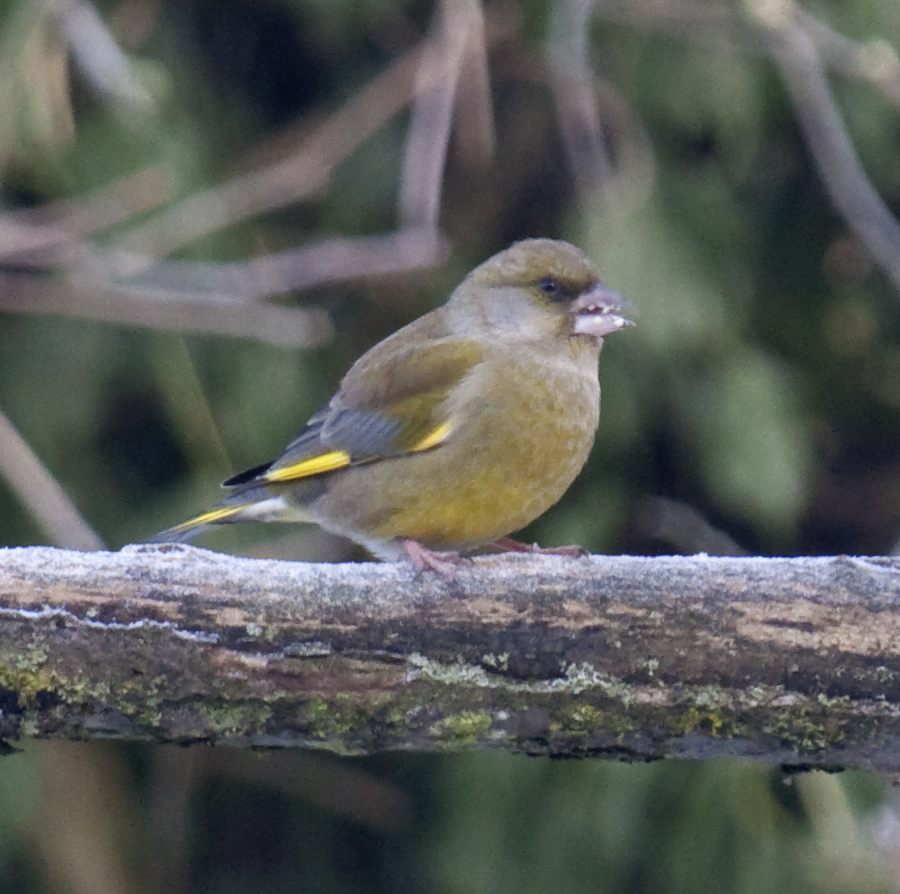
Type A Trichomonas Was More Than Twice as Prevalent in British Birds at Supplementary-fed Sites
Type A of the bird parasite Trichomonas gallinae was more than twice as prevalent in British birds at…
Read story →
Usutu Virus RNA Was Found Nearly Three Times as Often as West Nile Virus RNA in Southern France
Among 2,533 wild birds from 69 species in southern France, Usutu virus RNA was detected in 12.0% and…
Read story →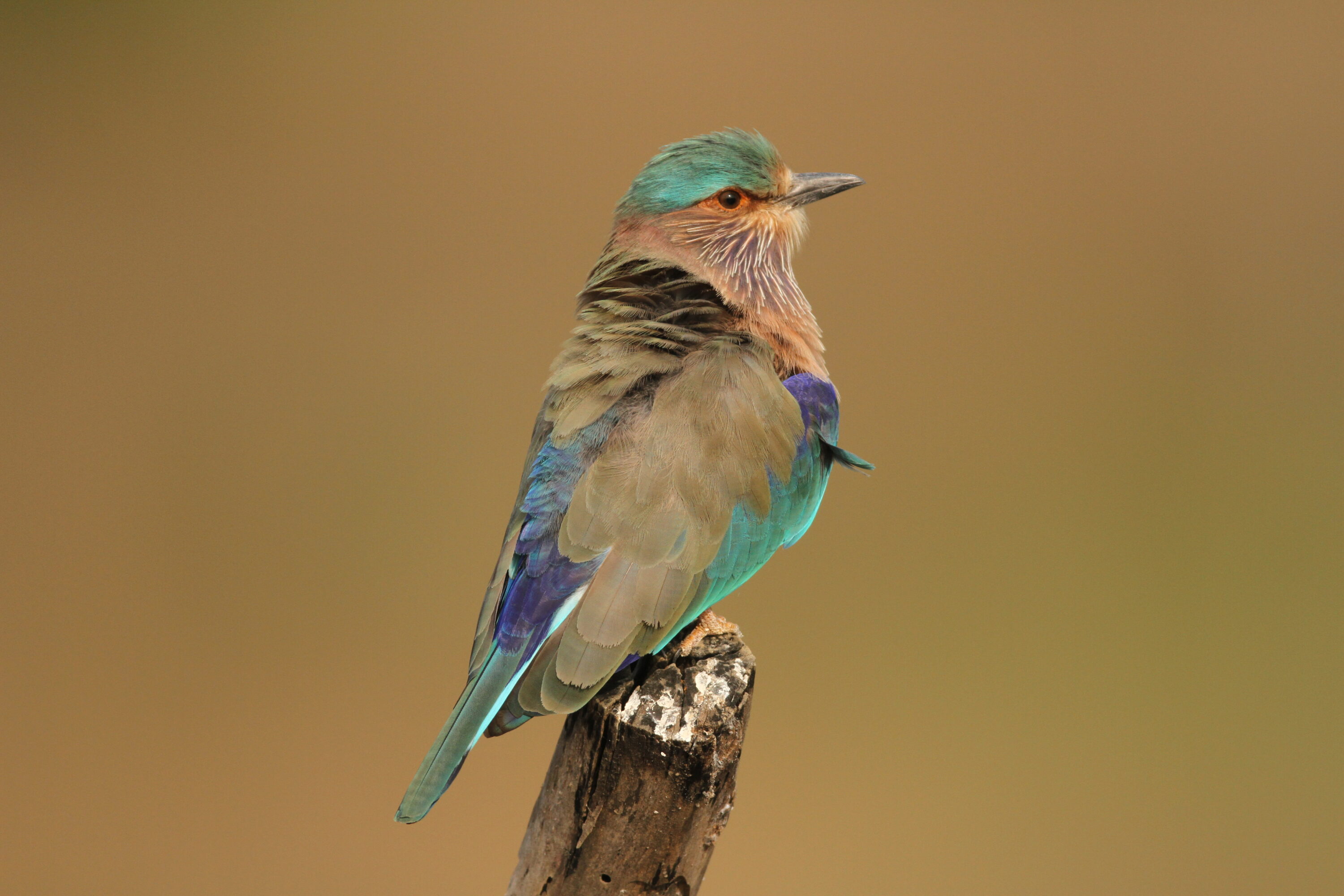
Six Cavity-Nesting Bird Species Bred Successfully in Artificial Nests in Punjab
Punjab Agricultural University reported successful breeding in artificial nests by six cavity-nesting species, including Indian roller, spotted owlet…
Read story →SPECIES IN THIS STORY
Species in this story
Independent research and conservation news archive
Did you find this information useful?
Wildlife Vagabond is independently built and maintained. Voluntary support helps cover source verification, hosting and continued work on research and conservation news.
Support Wildlife VagabondThe news archive will remain freely available.