
Urban Red-wattled Lapwing Nests Had 70% Success Versus 90–93% Outside the City
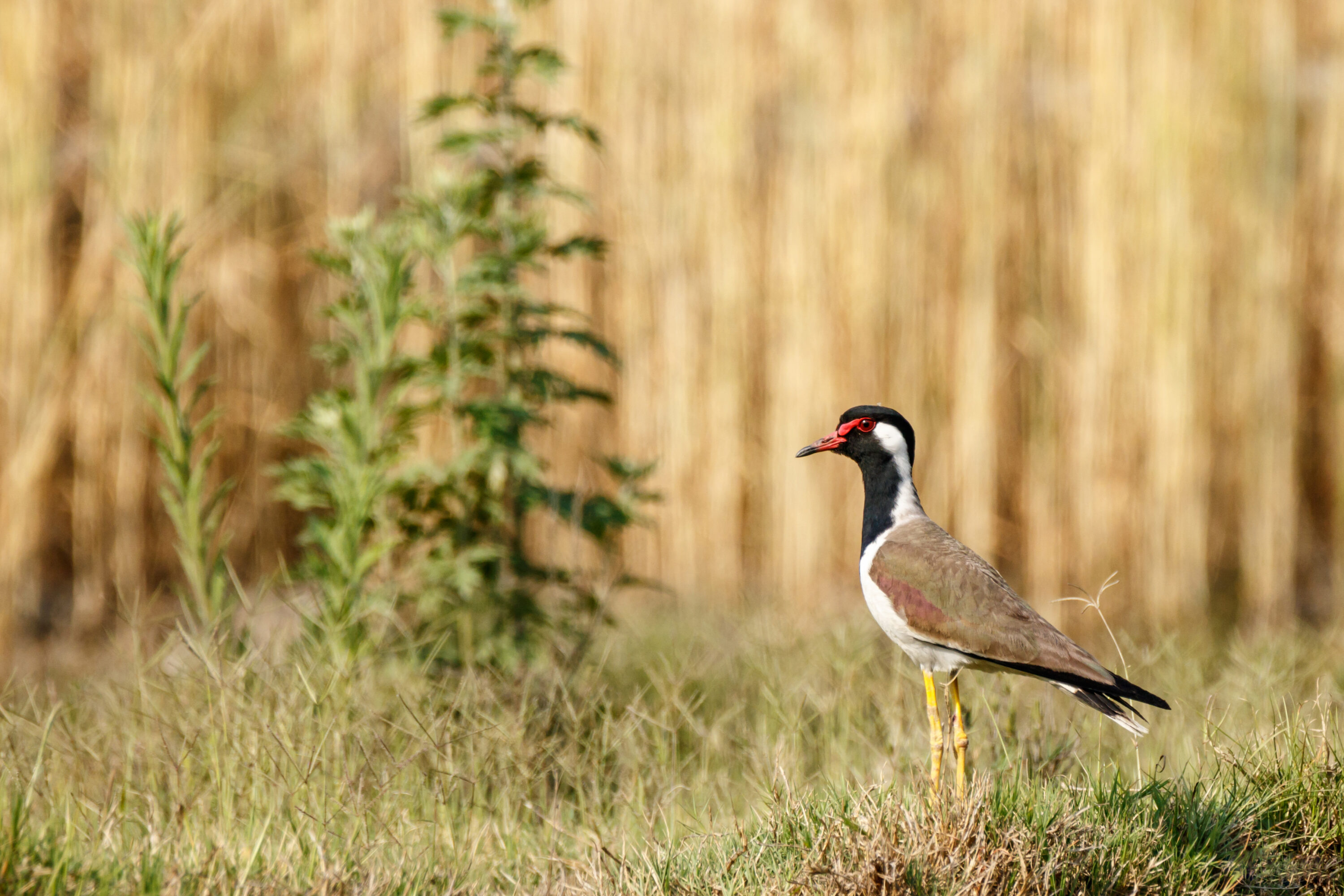
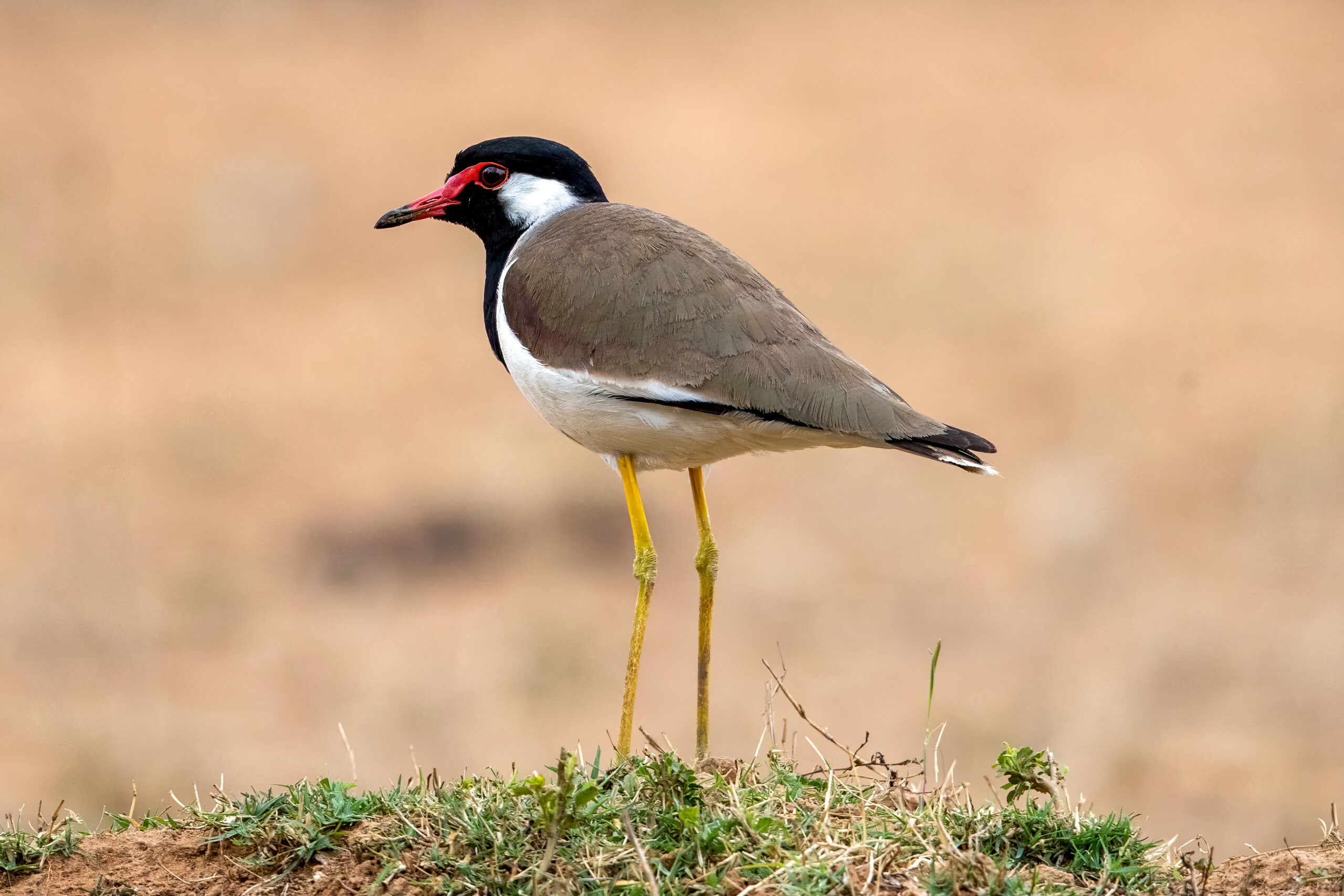
Red-wattled lapwings (Vanellus indicus) nesting in an urban part of Indore had lower nesting success than birds in nearby peri-urban and rural landscapes, according to a study published on 26 February 2026. Researchers monitored 45 nests from March to July 2024 across three habitat types in Madhya Pradesh, India.
Nesting success reached 93% at the peri-urban site and 90% in the rural landscape, compared with 70% at the urban site. Reproductive success followed the same general pattern, with the strongest outcomes outside the most heavily urbanised setting.
Urban birds frequently moved their nests onto rooftops
Many nests at Holkar Science College in the city were placed on rooftops and other elevated structures. The authors interpret this as a behavioural adjustment that can reduce exposure to terrestrial predators such as free-ranging dogs and mongooses.
The shift did not remove all risks. Rooftop nests were exposed to frequent human disturbance, a different set of predators and more extreme microclimatic conditions, including high surface temperatures and reduced shade. The researchers link these conditions with the lower reproductive performance recorded at the urban site.
Peri-urban habitat produced the highest nesting success
The peri-urban site at Rau combined some features of human-modified landscapes with more natural nesting conditions and produced the highest nesting success in the study. Rural nests at Jamli also performed well, with less human interference and greater opportunities for natural camouflage.
The authors describe the species as highly adaptable rather than simply favoured or harmed by urbanisation. Nesting on buildings can avoid some ground-level threats while introducing new challenges, so the outcome depends on the conditions available at each site.
Red-wattled lapwings are ground-nesting birds that increasingly breed in heavily modified landscapes. The Indore study shows that they can shift nest sites in response to urban conditions, but that this flexibility does not necessarily produce equally high breeding success. The authors recommend protecting rural and peri-urban nesting habitat, reducing disturbance and considering suitable artificial nesting platforms where birds breed in cities.
Reproduction & development
Related news
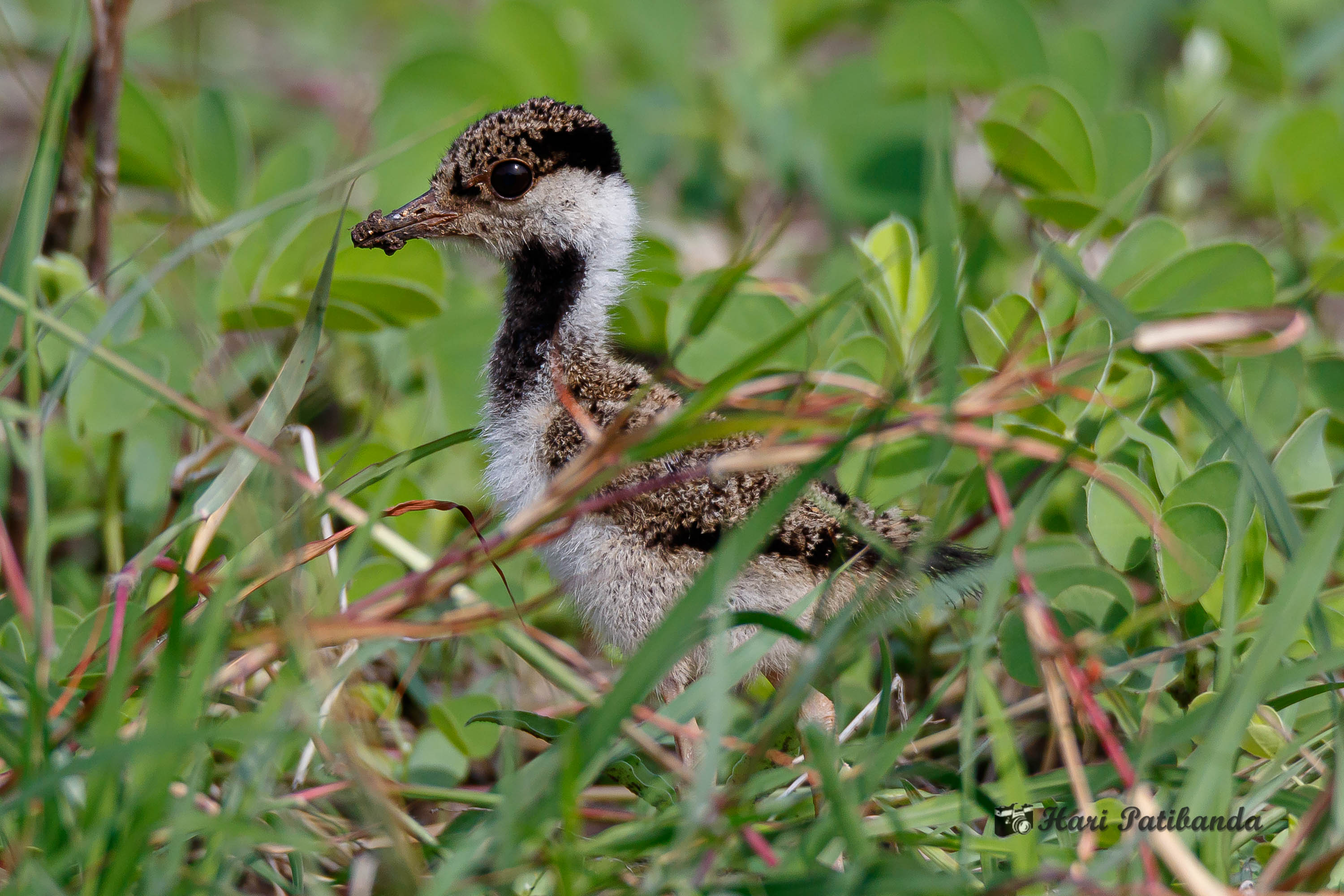
Downy Chick and Juvenile on Bintan Provided Indonesia’s First Confirmed Red-wattled Lapwing Breeding Record
A downy chick on 18 January and a juvenile on 21 February 2026 provided Indonesia's first confirmed Red-wattled…
Read story →
Long-term Pair Bonds Were Linked to More Clutches and Hatchlings per Season in Red-wattled Lapwings
A six-year Dubai study found that red-wattled lapwings retaining the same partner for several years produced more clutches…
Read story →
Red-wattled Lapwings Had a Thicker, More Gland-dense Esophageal Lining Than Pin-tailed Sandgrouse
In a small Iraqi comparison, Red-wattled Lapwings had an esophageal mucosa about 50% thicker and more glands per…
Read story →SPECIES IN THIS STORY
Species in this story
Independent research and conservation news archive
Did you find this information useful?
Wildlife Vagabond is independently built and maintained. Voluntary support helps cover source verification, hosting and continued work on research and conservation news.
Support Wildlife VagabondThe news archive will remain freely available.