
Veterinary Insecticides Were Found in Great Tit Nests in Both Urban and Protected Forest Habitats
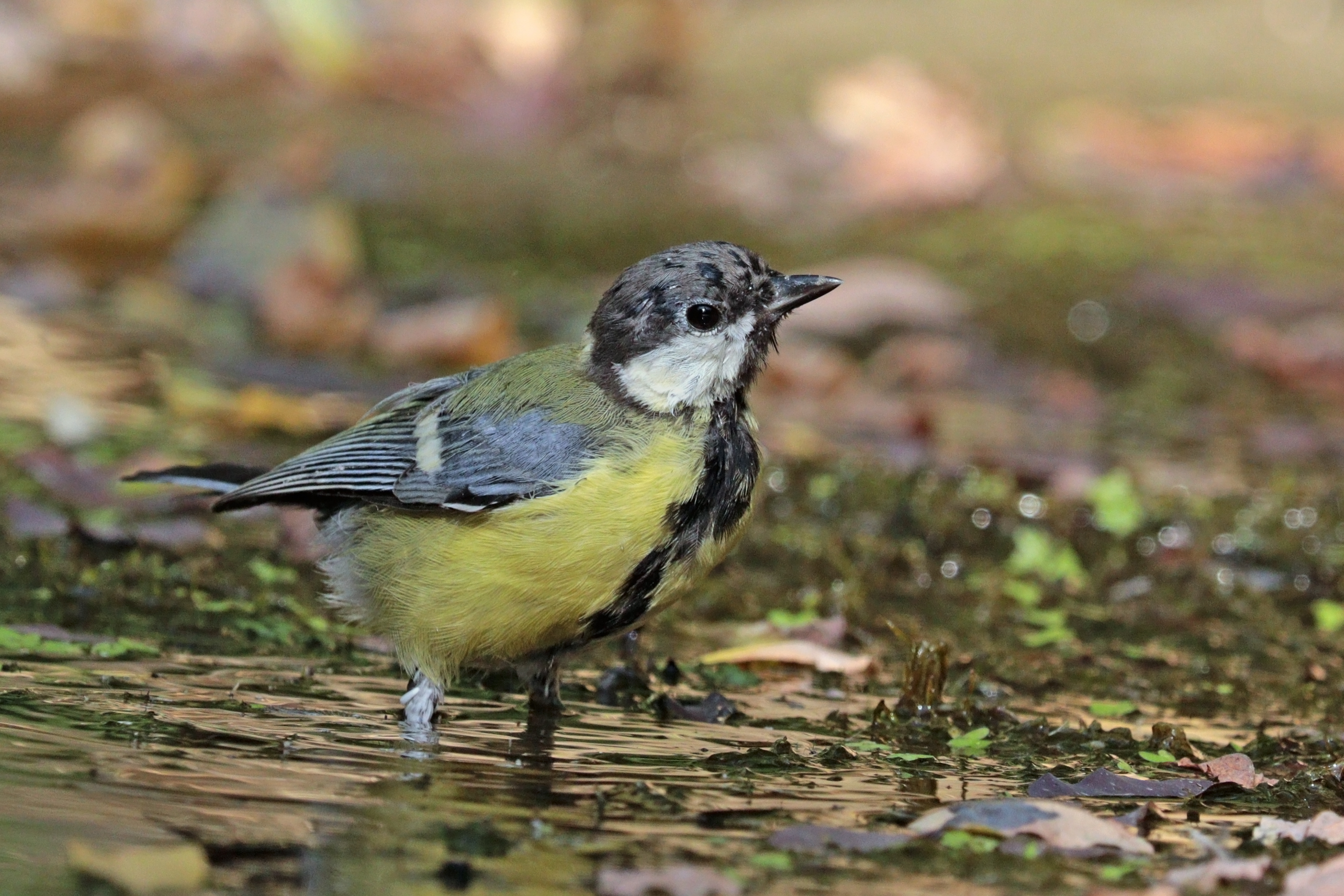
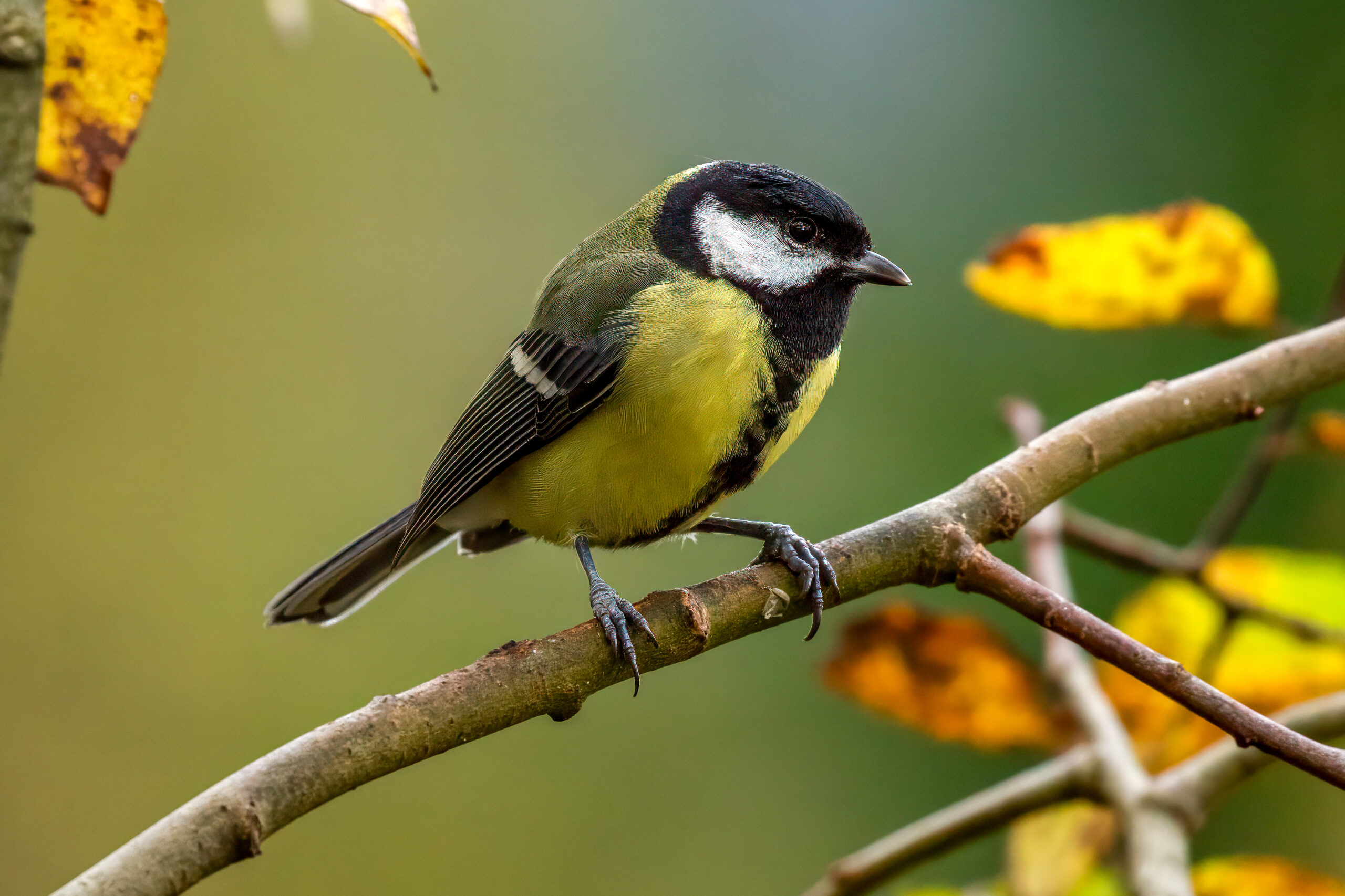
Veterinary insecticides were detected in nest material from Great Tits (Parus major) not only in the city of Veszprém, Hungary, but also in a protected Natura 2000 forest about 30 kilometres away. The 2026 study analysed fur-containing material from 63 nests and found both a greater number of insecticides and higher contamination in urban nests, while the forest results showed that the exposure pathway extended beyond the city.
Great Tits commonly line their nests with mammal fur. Flea and tick treatments used on companion animals can contain synthetic insecticides that remain on fur after treatment, creating a possible route from pets and other mammals into bird nests. The researchers tested whether these compounds were present in nest linings and whether contamination differed between urban and forest habitats and through the breeding cycle.
Five insecticides or breakdown products were detected
The team analysed 43 urban and 20 forest nest samples using liquid- and gas-chromatography methods coupled to mass spectrometry. These methods first separate compounds in a complex sample and then identify them from their molecular signatures, allowing several chemically different insecticides to be measured in the same nest material.
Urban nests contained fipronil, fipronil sulfone, imidacloprid and permethrin. Fipronil sulfone is a transformation product formed when fipronil is chemically processed in organisms or the environment. Forest nests contained fipronil sulfone, imidacloprid and permethrin, showing that three of the compounds reached nest material even in the protected forest. Acetamiprid was found only in the city, in 8 of the 43 urban samples.
The chemical mixture also differed in overall intensity. Urban nests contained more different insecticides and higher total concentrations than forest nests. Fipronil itself was detected only in the urban samples, while its sulfone form occurred in both habitats. The presence of acetamiprid only in urban nests is important because the authors interpret it as evidence that not all contamination can be assigned to veterinary products; other environmental sources also contribute to the chemical mixture in cities.
Residues declined during the breeding cycle
Nest material was sampled around the middle of the nestling period and again after fledging. Insecticide residues were present at both stages but generally declined as the breeding cycle progressed. This means the compounds persisted in the nest long enough for adults and nestlings to share the contaminated microhabitat for a substantial part of the breeding period, even though concentrations did not remain constant.
The insecticides belong to several chemical groups that disrupt neural signalling in arthropods. Fipronil is a phenylpyrazole, imidacloprid and acetamiprid are neonicotinoids, and permethrin is a synthetic pyrethroid. Their intended purpose is to kill ectoparasites such as fleas and ticks, but the same biological activity is why their movement into non-target environments is ecologically relevant.
No clear reproductive effect was detected in this study
Despite the contamination, the researchers did not find an association between the measured insecticide exposure and the reproductive variables they examined in Great Tits. The study therefore documents an exposure pathway, not evidence that these residues reduced breeding success in the sampled nests.
The fur itself was not identified to mammal species, so the study cannot show that every residue originated from treated pets. Even so, the occurrence of veterinary ectoparasiticides in both urban and protected-forest nests demonstrates that compounds applied to mammals can become part of the chemical environment in which wild birds raise their young.
Organic chemistry
Related news
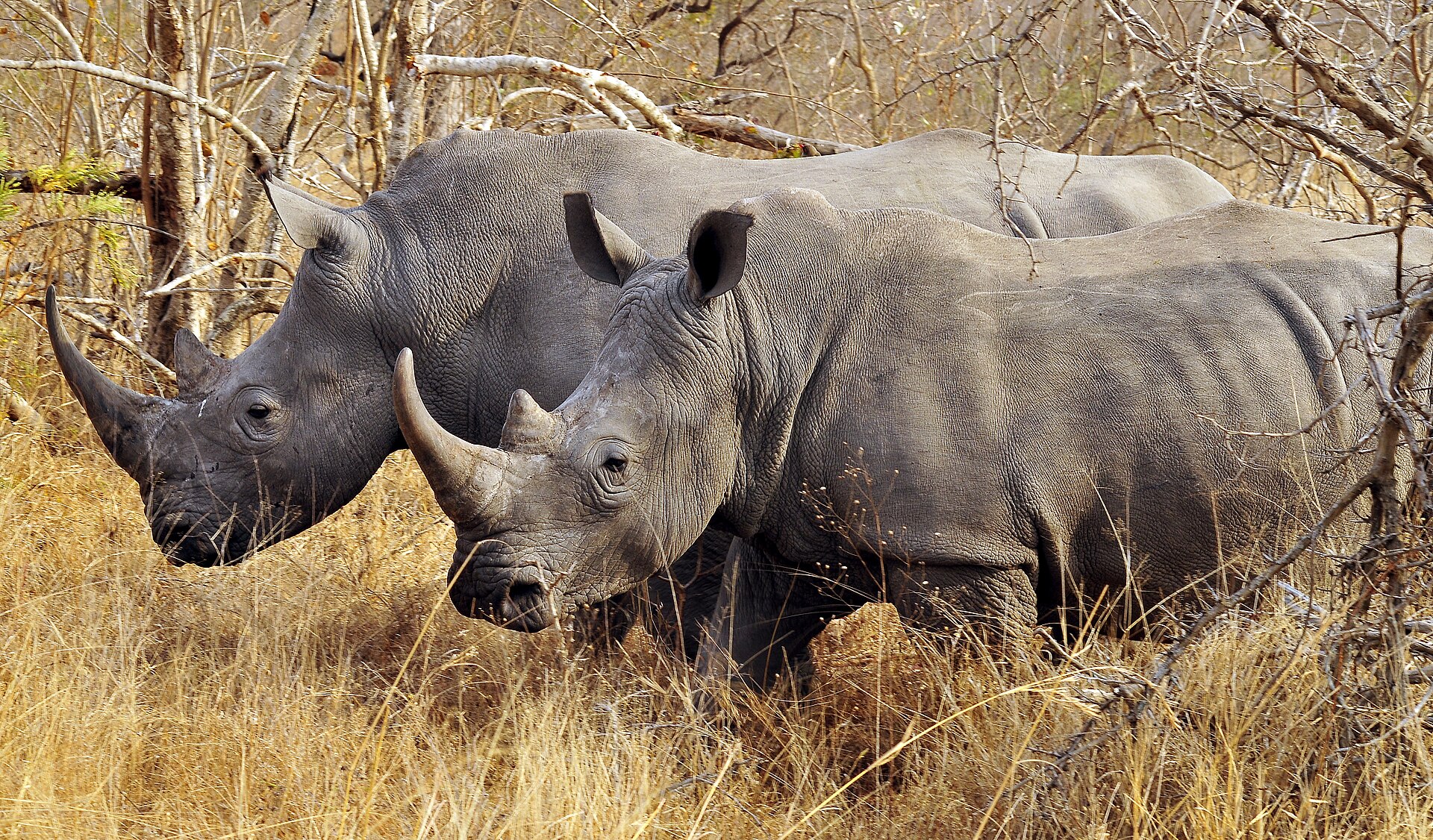
Giraffe and White-Rhino Plasma Showed Robust Differences Across 28 Metabolites
A South African ¹H-NMR study found 28 robust plasma-metabolite differences between giraffes and white rhinoceroses. Giraffes had higher…
Read story →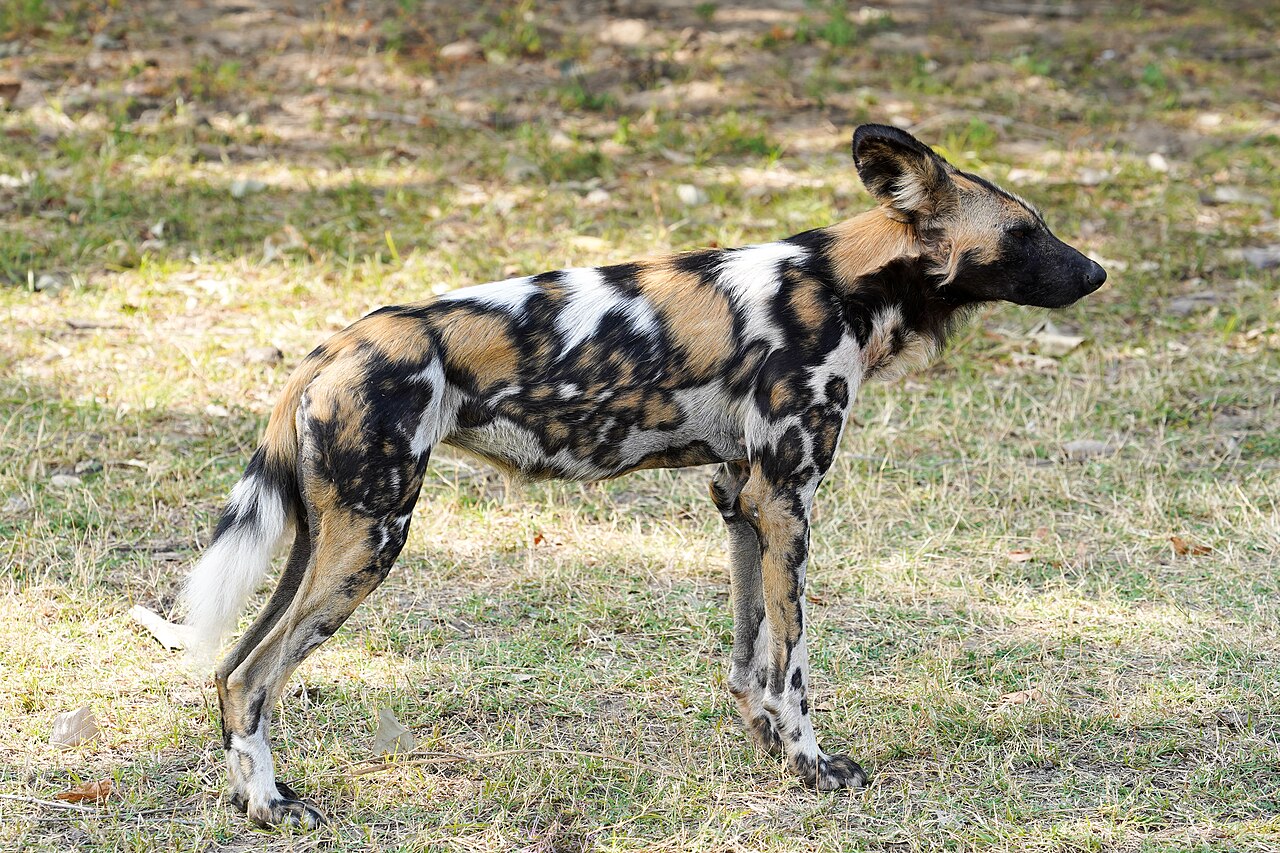
Four African Wild Dog Dispersals Totalled 9,863 km but Produced Little Genetic or Demographic Connectivity
GPS-tracked African wild dogs from Zambia crossed protected and human-dominated landscapes, including one journey of more than 2,300…
Read story →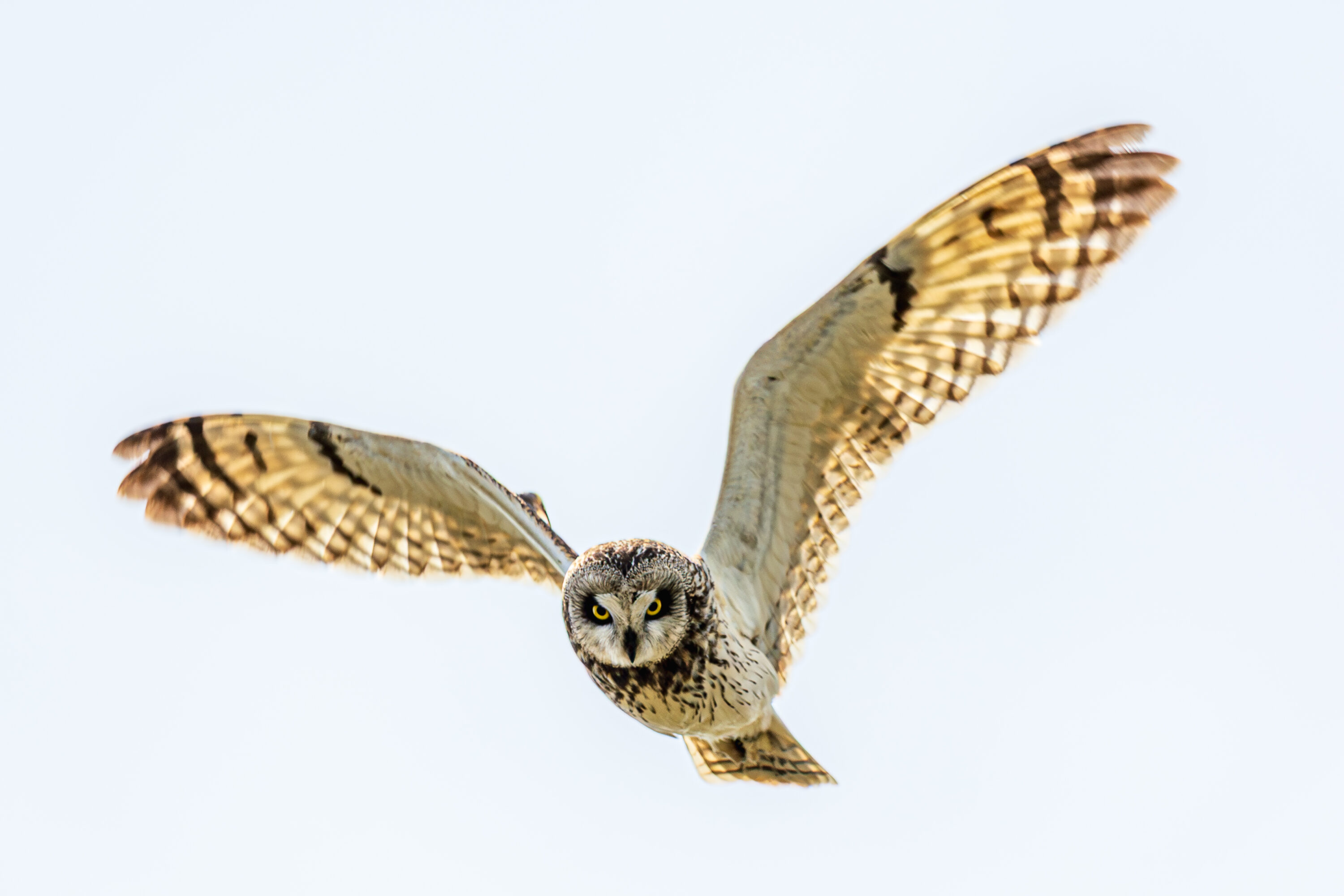
Western Finland’s Short-eared Owl Breeding Population Fell More Than 50% as Grassy Habitat Shrunk 46%
Over 47 years in western Finland, the local Short-eared Owl breeding population fell by more than 50% while…
Read story →SPECIES IN THIS STORY
Species in this story
Independent research and conservation news archive
Did you find this information useful?
Wildlife Vagabond is independently built and maintained. Voluntary support helps cover source verification, hosting and continued work on research and conservation news.
Support Wildlife VagabondThe news archive will remain freely available.