
More Than Half of Surveyed Farms and Restaurants in Vietnam Said They Had Sourced Wildlife Illegally
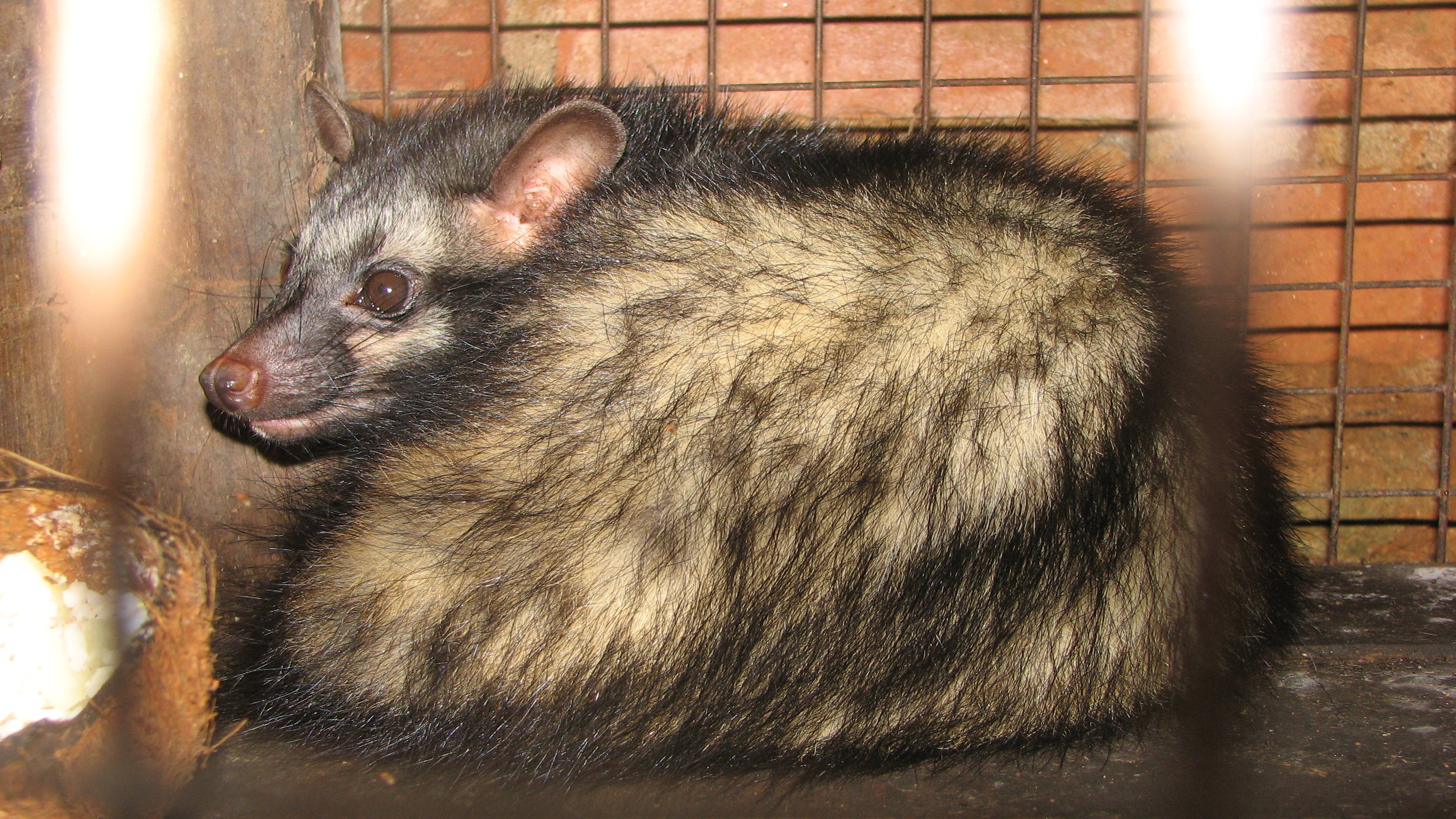
A 2026 study of wildlife supply chains in Vietnam found that 34 of 63 surveyed farms and restaurants said they had sourced wildlife illegally. The businesses traded northern palm civets (Paradoxurus hermaphroditus), masked palm civets (Paguma larvata) and bamboo rats (Rhizomys spp.).
Fieldwork took place in two phases between December 2023 and May 2025. The researchers interviewed 43 civet and/or bamboo-rat farmers and 20 restaurant owners or staff across northern, central and southern Vietnam. They also made direct observations at 35 farms and five restaurants and conducted 44 supplementary interviews with officials, veterinarians, wildlife-trade specialists and other stakeholders.
Illegal sourcing also occurred inside registered farms
Most of the surveyed farms were formally registered at the time of the study, but 24 of 38 registered farms said they had previously operated without registration for one to nine years. Eight farms were either entirely unregistered or maintained unregistered satellite facilities. Nineteen of the 43 farmers acknowledged illegal sourcing of wild animals, while field observations and contrasting accounts indicated additional cases. The study also documented inaccurate logbooks and practices that could allow illegally sourced animals to enter apparently legal supply chains.
Restaurants mixed farmed and illegally sourced wildlife
The restaurant interviews showed a similar overlap between legal and illegal trade. Fifteen of 20 establishments obtained wildlife from hunters or intermediaries, either exclusively or alongside farmed stock. Live captive-bred and wild-caught civets and bamboo rats were also transported without the required origin certificates or transport documents. The authors note, however, that restaurants may sometimes exaggerate claims that animals are wild-caught for marketing purposes.
The sample does not represent the whole Vietnamese sector
The researchers conclude that registration, record-keeping and inspection systems can provide legal cover for illegally sourced wildlife when oversight is weak. They also caution that their purposive sample is small compared with the more than 8,000 wildlife farms operating nationally and is not statistically representative of the whole Vietnamese sector. Illegal activity is also likely to be underreported in interviews.
Trade & poaching
Related news
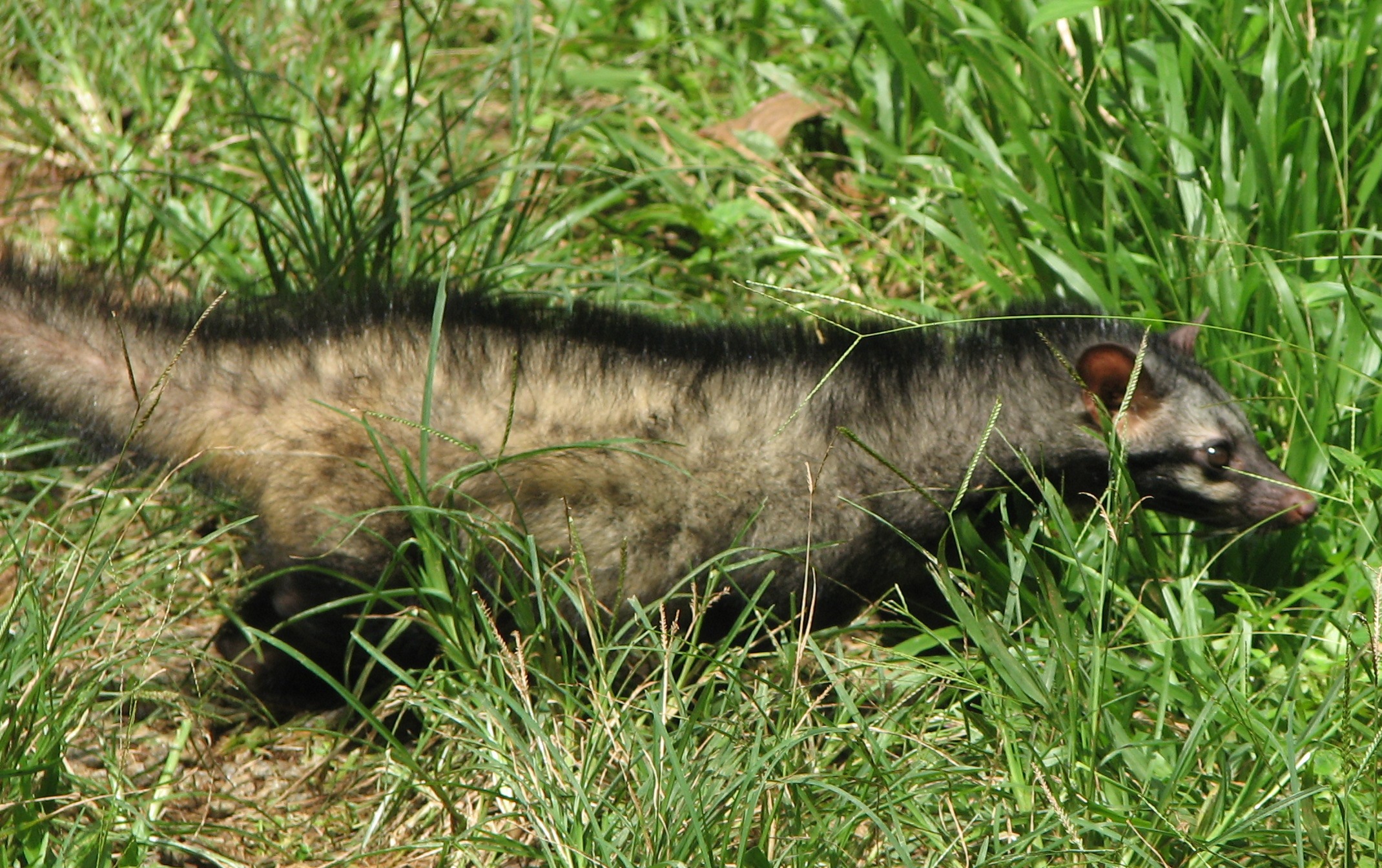
Fecal Testosterone Metabolites Were Highest in 24–36-Month-Old Male Northern Palm Civets
A 12-month captive study of 15 male northern palm civets found the highest fecal testosterone-metabolite concentrations in the…
Read story →
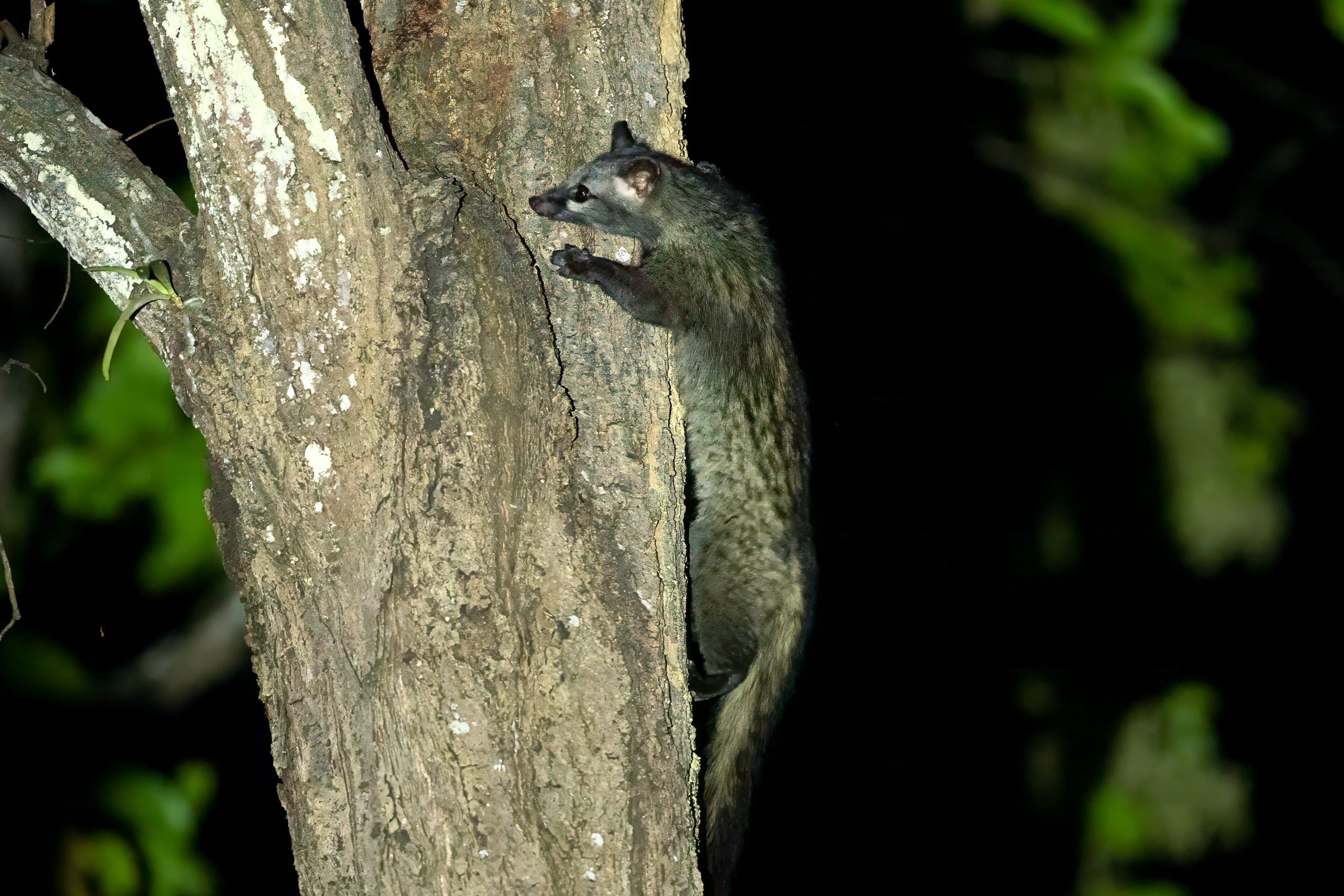
Northern Palm Civets and Ferret-Badgers Shared Activity Times but Separated Spatially in Hainan
Camera traps at 88 sites in Hainan showed strong overlap in activity between northern palm civets and Chinese…
Read story →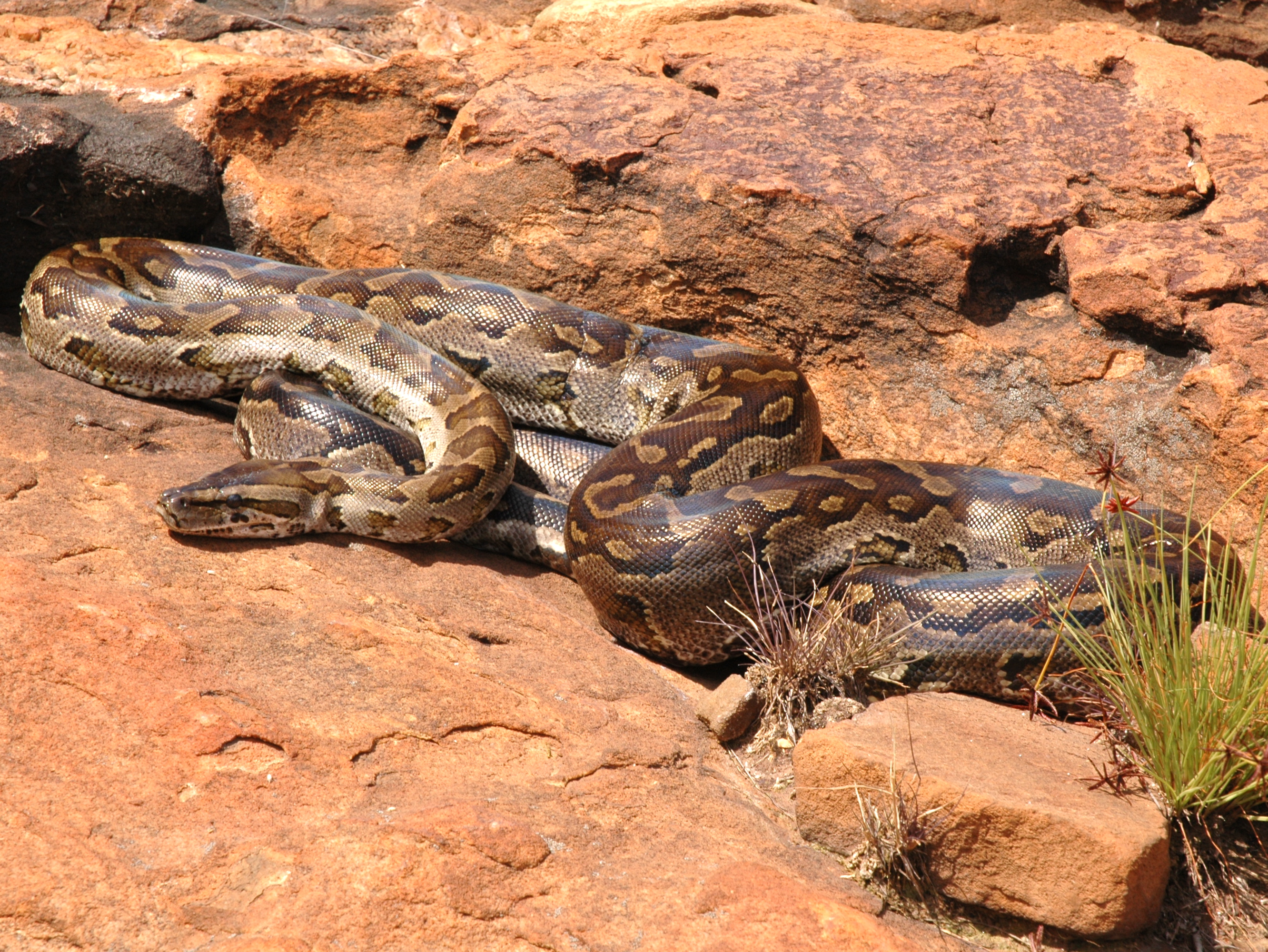
Online Advert Led Police to a Live Southern African Python in North West Province
South African police recovered a live Southern African python in Delareyville after it was allegedly advertised online for…
Read story →SPECIES IN THIS STORY
Species in this story
Independent research and conservation news archive
Did you find this information useful?
Wildlife Vagabond is independently built and maintained. Voluntary support helps cover source verification, hosting and continued work on research and conservation news.
Support Wildlife VagabondThe news archive will remain freely available.