
White-backed Vultures Documented Feeding on Marine Carrion for the First Time
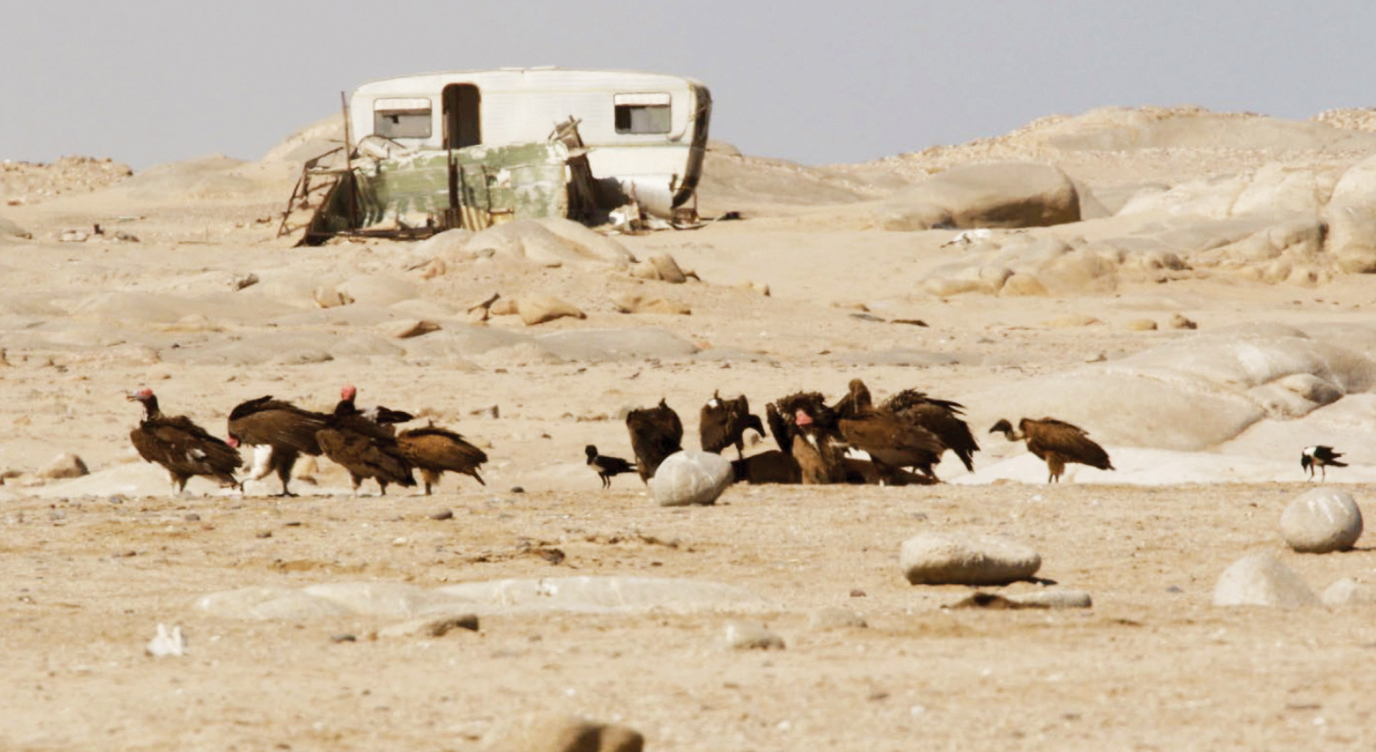
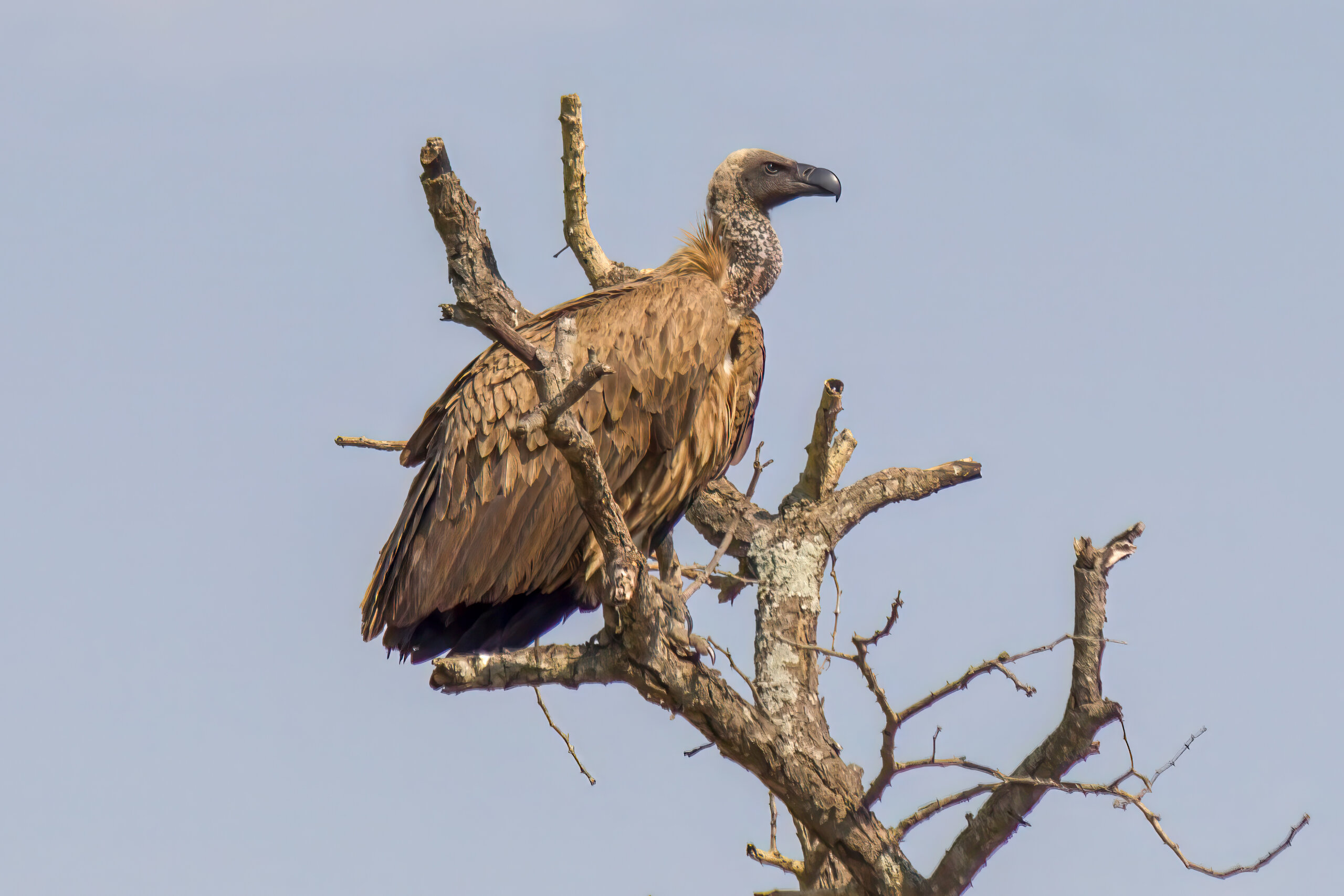
Four immature white-backed vultures (Gyps africanus) were documented feeding on a Cape fur seal (Arctocephalus pusillus) on Namibia’s Skeleton Coast, providing what the authors report as the first observation of the species feeding on marine carrion.
Seventeen vultures gathered at a seal killed by lions
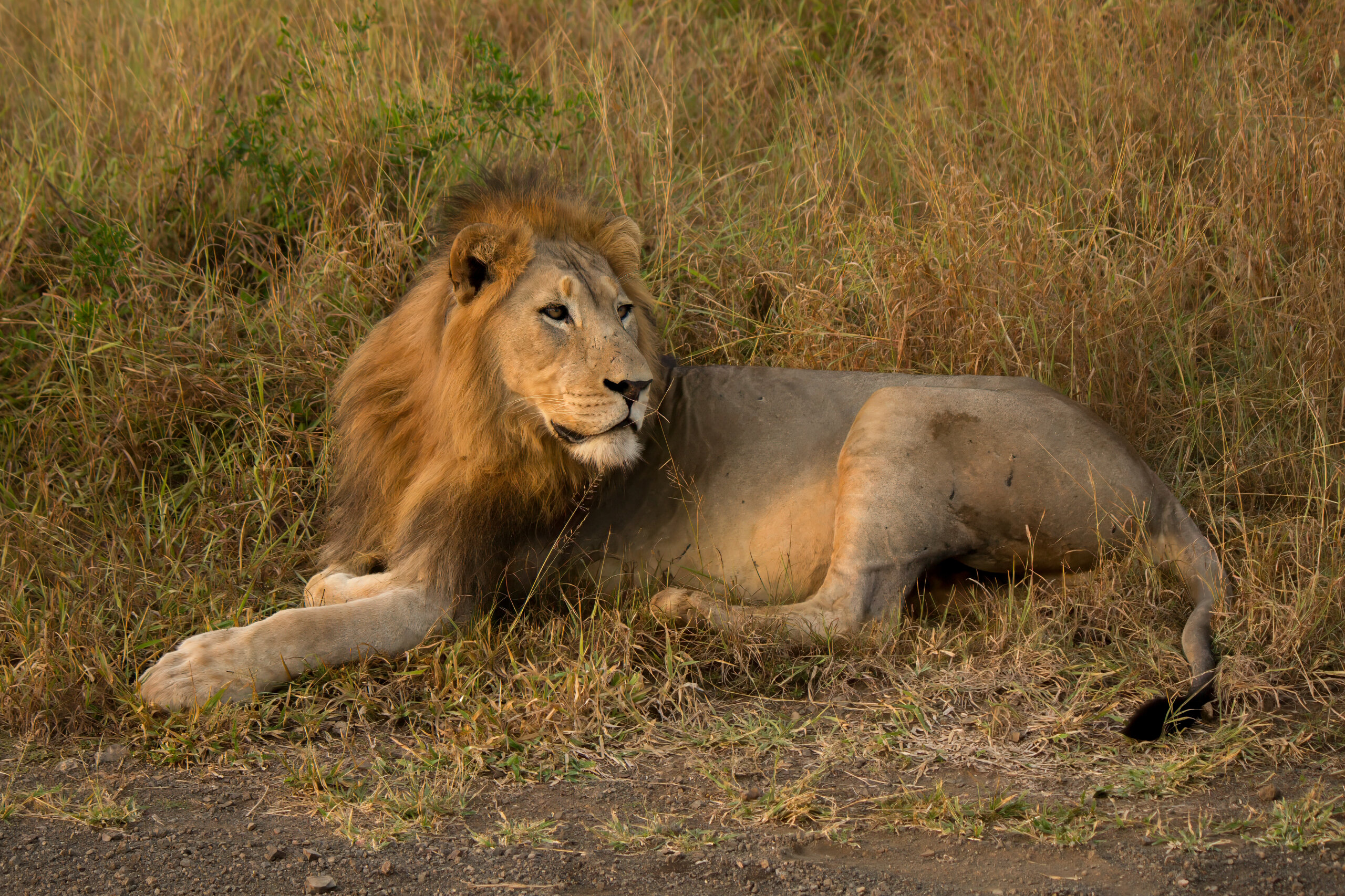
The observation was made on 13 June 2025 at the Möwe Bay seal colony in Skeleton Coast National Park. An adult female seal had been killed by lions (Panthera leo) on the beach during the previous night, leaving a fresh carcass around 100 metres from the Atlantic shoreline.
Researchers encountered 17 vultures at the carcass. Thirteen were lappet-faced vultures (Torgos tracheliotos), a species already known to use seal carcasses on the Skeleton Coast, while the remaining four were immature white-backed vultures. The observation lasted about an hour. Two of the white-backed vultures continued feeding after several of the other vultures moved away, and video footage showed birds with full crops after feeding.
White-backed vultures are primarily associated with savannas and normally scavenge carcasses of terrestrial mammals. The authors therefore describe the coastal feeding event as an expansion of the species’ known foraging behaviour. Before this report, only lappet-faced vultures on Namibia’s Skeleton Coast and hooded vultures (Necrosyrtes monachus) in southern Gambia had been reported using marine carrion in African coastal ecosystems.
Strong easterly winds may have helped the young birds reach the coast
All four white-backed vultures were immature. In the days before the observation, strong easterly winds had blown from inland areas toward the coast. The researchers suggest that these winds may have helped carry the young birds beyond the dune belt, while the exploratory movements typical of immature vultures may also have contributed to their discovery of the seal carcass. They present these as possible explanations rather than established causes.
The observation is currently an isolated record, but the authors note that white-backed vultures have become more frequent in the Namib Desert during the past decade. Four nests were also found in Namib-Naukluft National Park during a 2024 survey, according to unpublished data cited in the paper.
Coastal lions could link marine and desert food webs
Coastal lions may make marine carrion more consistently available to scavengers by killing adult seals outside the seasonal pulse of seal-pup mortality. The researchers suggest that this could create a stronger ecological link between the marine and desert food webs, with vultures potentially transferring marine-derived nutrients inland.
They also highlight possible conservation questions that require further research. Marine mammals can accumulate environmental contaminants, and feeding on marine carrion could expose vultures to compounds that build up through food chains. The authors also point to disease risks documented in marine birds along the Namibian coast. They do not report contamination or infection in the four vultures observed; these are potential consequences they identify for future study.
The report was published in Ecology and Evolution on 8 March 2026.
Behaviour
Related news
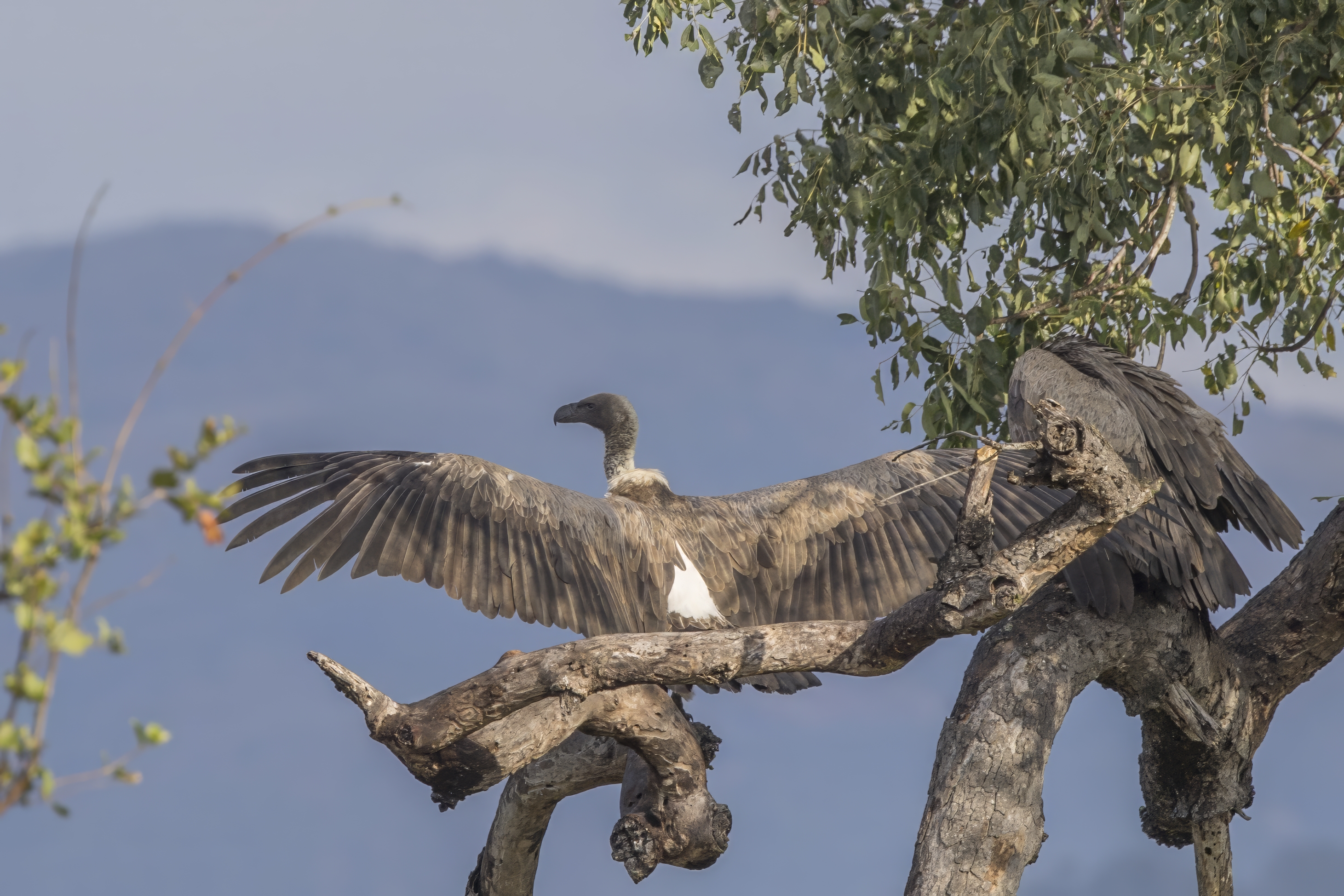
CT Reveals the Organs and Blood Vessels Inside a White-backed Vulture
A contrast-enhanced CT scan of one adult male white-backed vulture revealed major organs and vessels, while also showing…
Read story →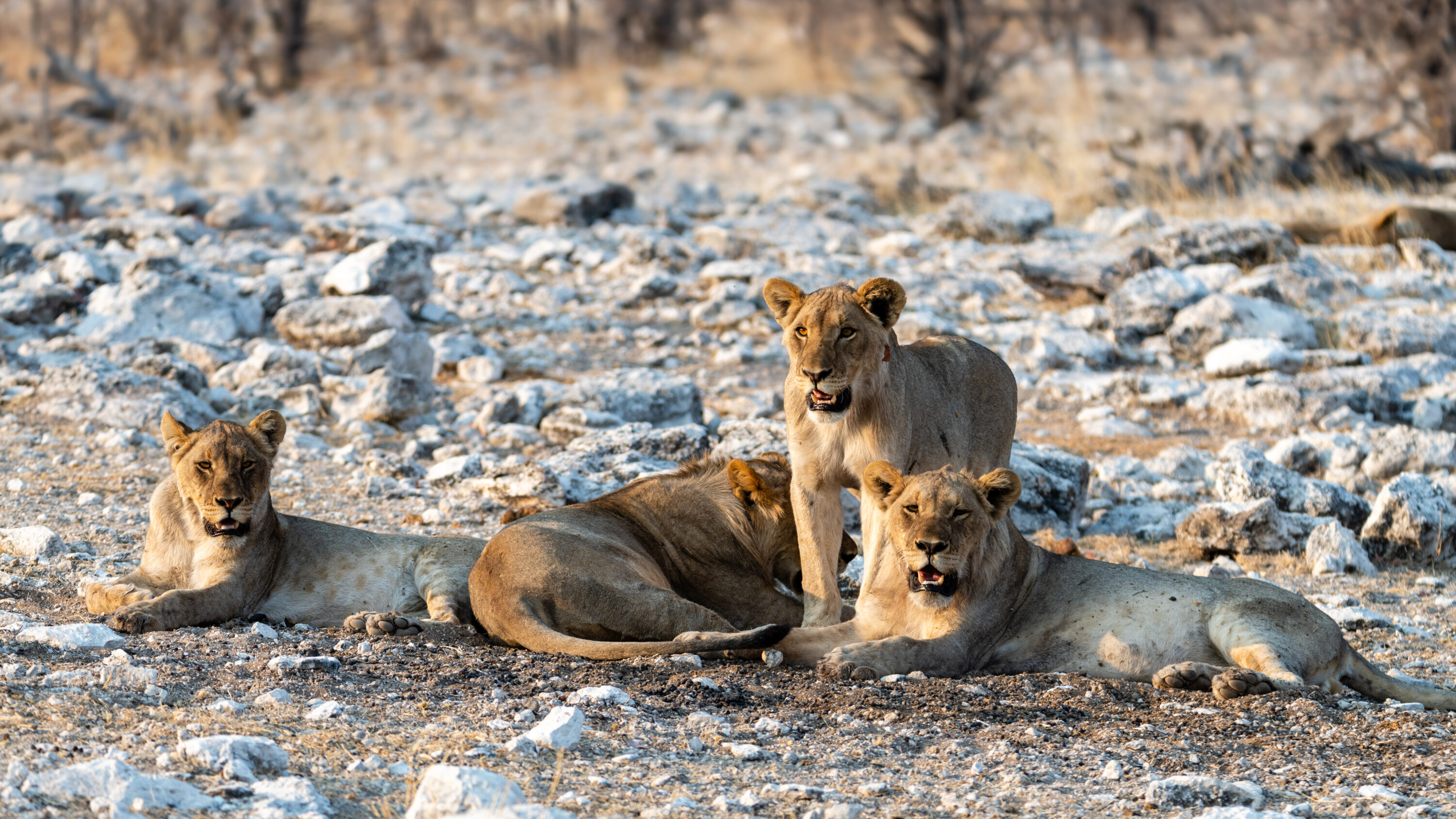
A Little-Known Microbial World Inside Lions’ Guts
Faecal samples from wild lions in Namibia gave researchers a much clearer picture of their gut bacteria. Microbial…
Read story →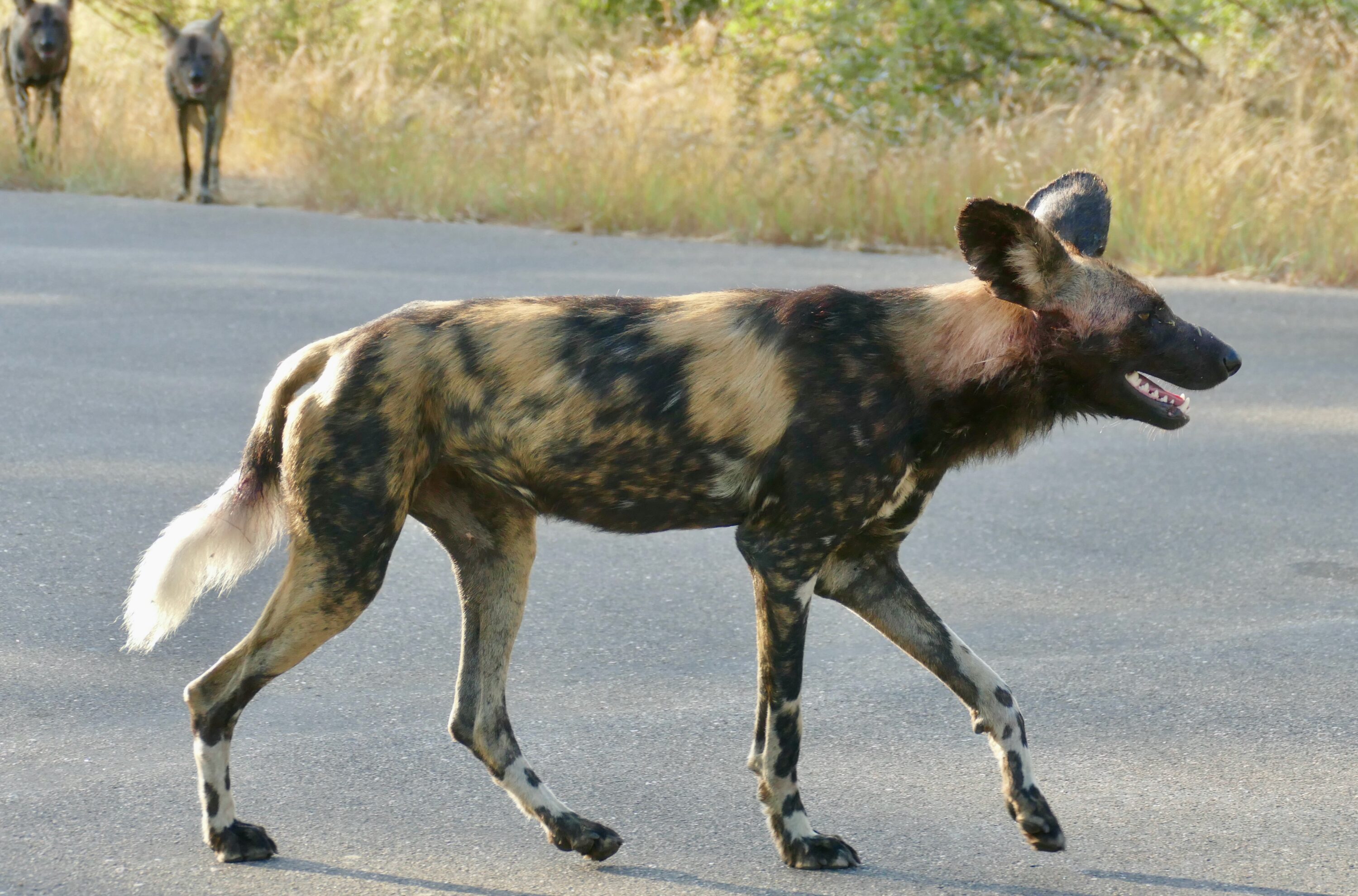
Food Leaves Its Mark on the Gut Bacteria of Kruger’s Wildlife
Gut bacteria in nine mammal species from Kruger National Park followed clear patterns linked to food and digestion.…
Read story →SPECIES IN THIS STORY
Species in this story
Independent research and conservation news archive
Did you find this information useful?
Wildlife Vagabond is independently built and maintained. Voluntary support helps cover source verification, hosting and continued work on research and conservation news.
Support Wildlife VagabondThe news archive will remain freely available.