
Wild Boar Activity Was Lower in Alabama Forest Stands Burned Every Three Years
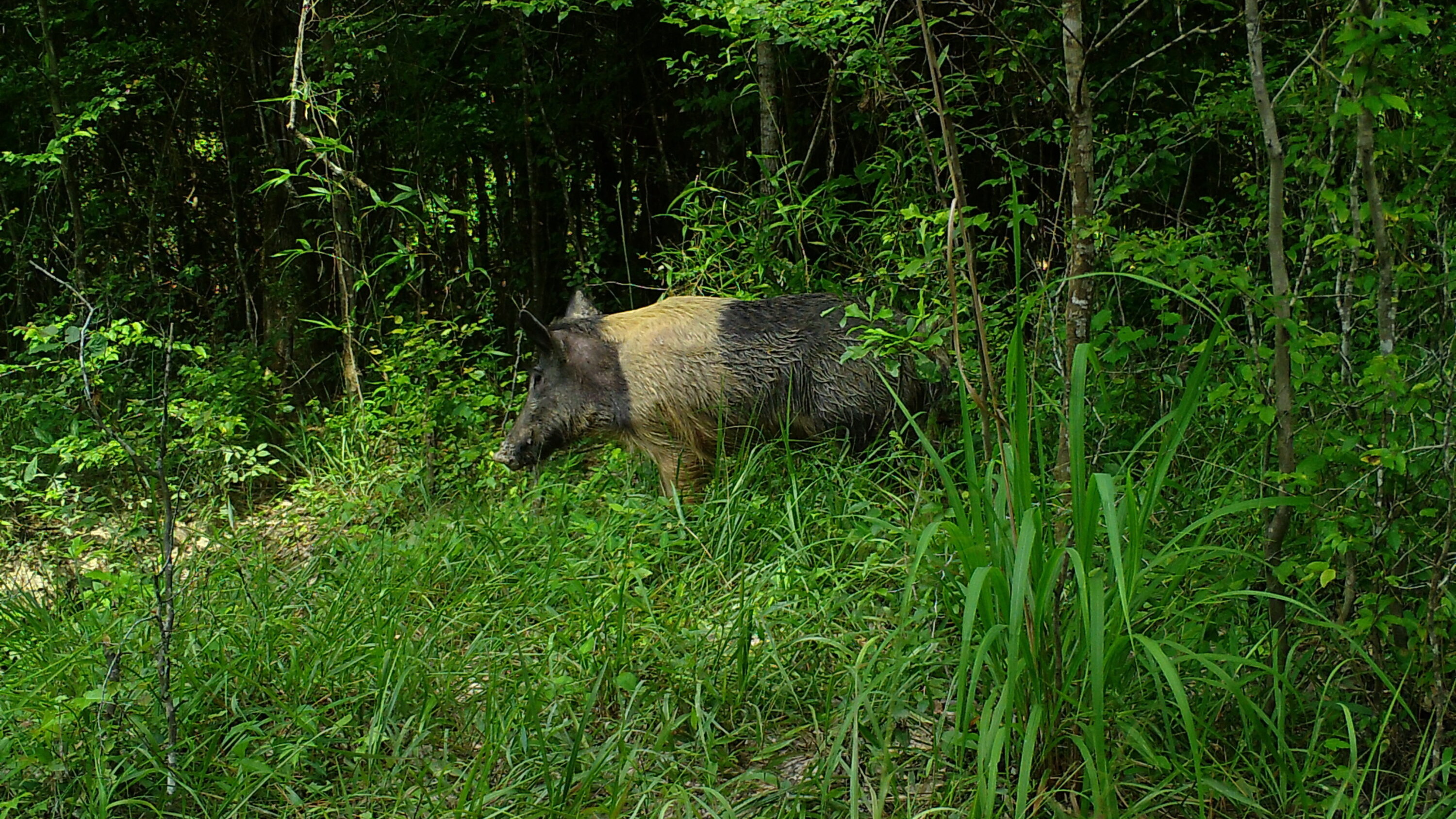
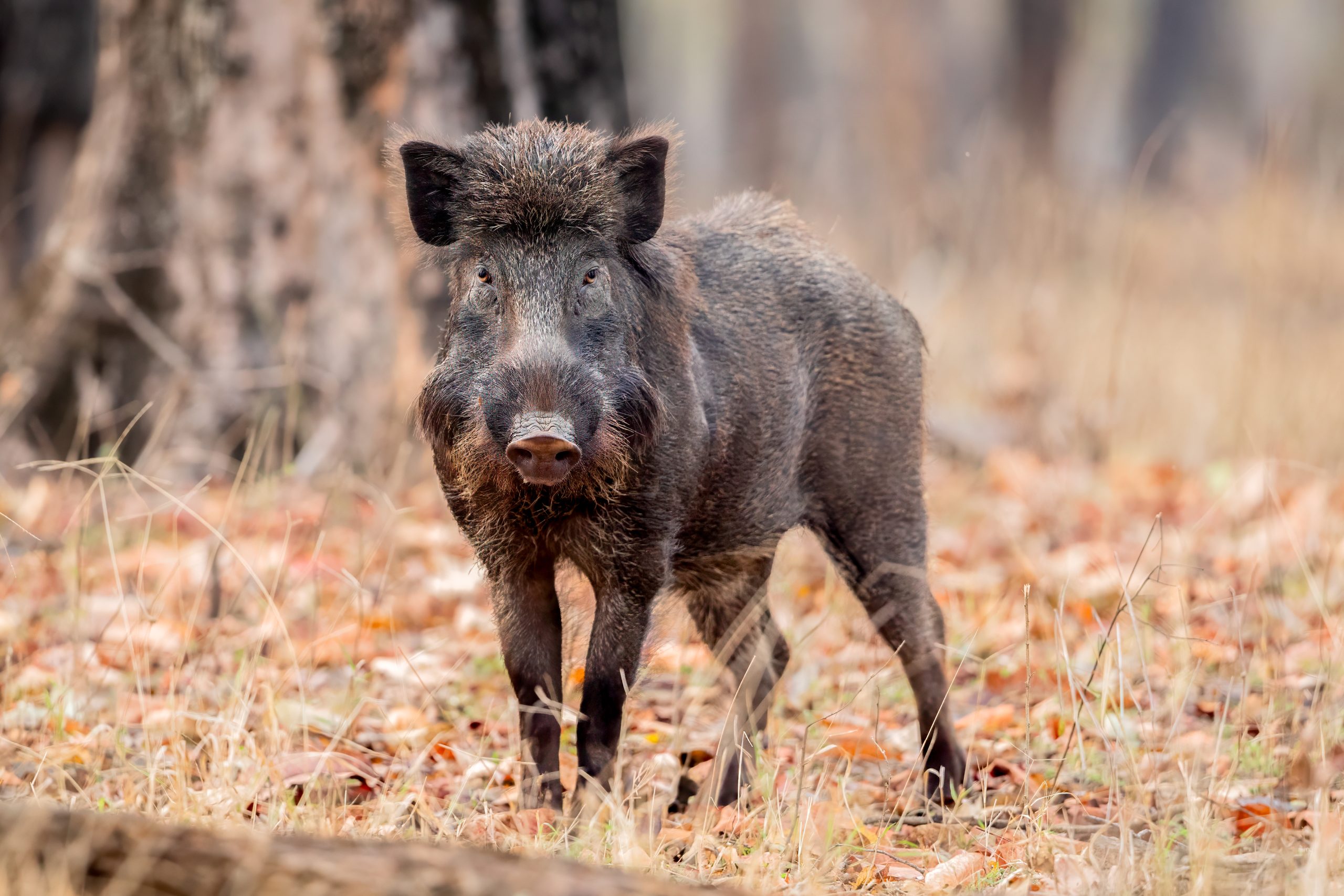
A study in William B. Bankhead National Forest in Alabama, USA found that signs of activity by wild boar (Sus scrofa) were much more frequent in unburned forest stands than in stands managed with prescribed fire every three years. The researchers examined habitat use in the Black Warrior Wildlife Management Area and around the Sipsey Wilderness, where wild boar are an invasive species.
A transect is a predefined line or route used to survey an area systematically, with observations, signs or sampling points recorded along it.
From 2014 to 2016, the team surveyed 17 forest stands—eight on a three-year dormant-season prescribed-burn schedule and nine unburned stands. They completed 68 strip-transect surveys and recorded signs such as rooting, wallows, trails, tracks, rubs, tusking and scat as indicators of wild-boar activity and habitat use. The study did not estimate population size.
Wild-boar activity was much lower in burned stands
Wild-boar sign was detected in 29 of 36 surveys in unburned stands, compared with 6 of 32 surveys in burned stands. Prescribed fire and distance to the Sipsey Wilderness were the strongest variables associated with whether signs were present. Activity was most often detected in unburned stands closer to the wilderness boundary. Where signs were present, they were more abundant in stands with a more even mix of overstory tree species, more fine woody debris and leaf litter, and a higher proportion of deciduous plants in the understory.
The authors concluded that wild-boar activity was lower in stands managed under the three-year burn regime, while activity and associated damage were higher in and near the Sipsey Wilderness. However, burned and unburned stands already differed in habitat before the project burns, so the study could not cleanly separate the short-term effect of the 2015–2016 burns from longer-term differences associated with the established burn regime. The authors note that prescribed fire can reduce understory cover used by wild boar, but recommend further work to isolate the mechanisms and compare different fire frequencies.
Ecology
Related news
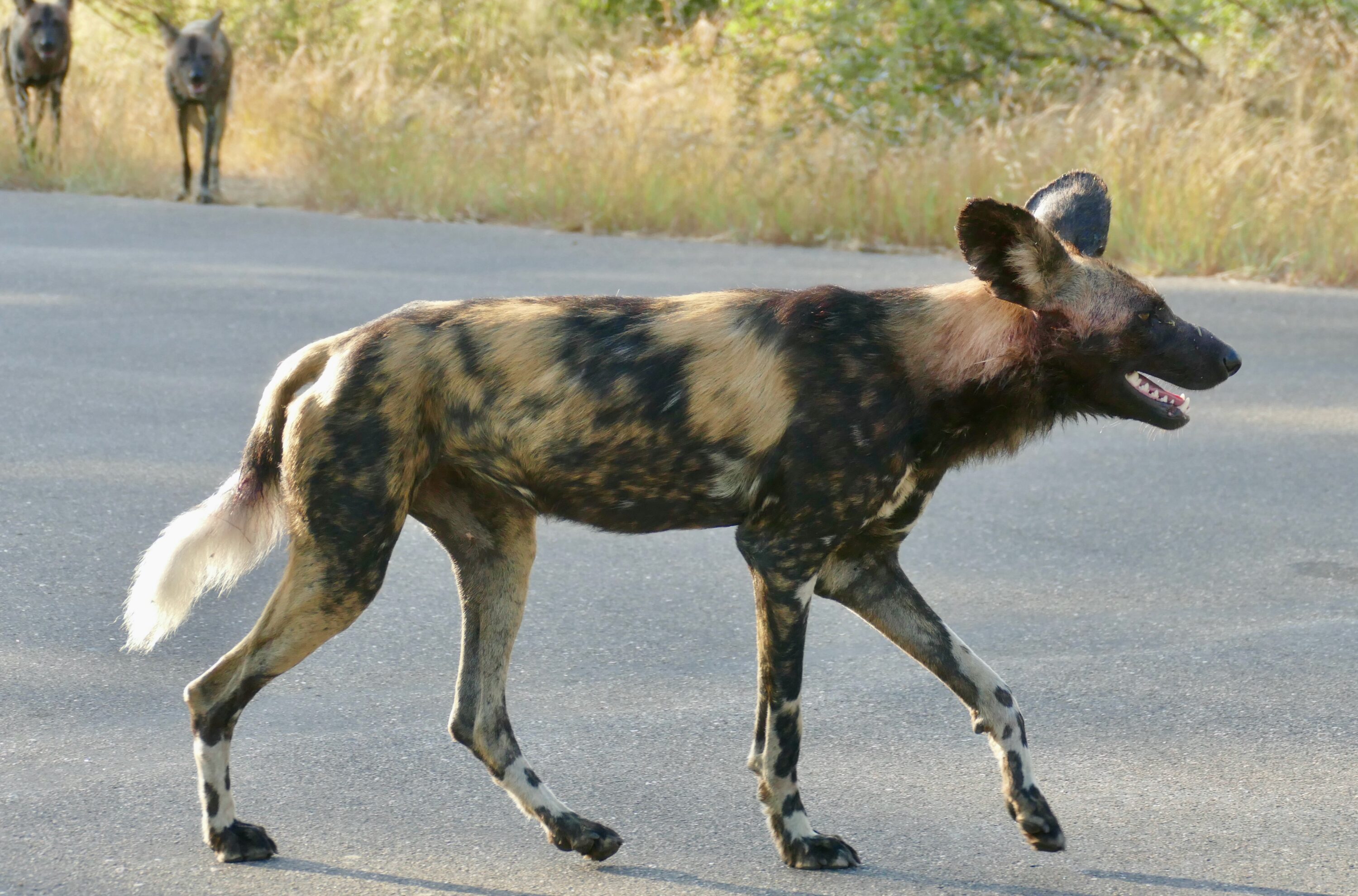
Gut Microbiomes Across Nine Kruger Mammals Clustered More Strongly by Dietary Group Than Species
A study of 89 quality-filtered faecal samples from nine wild mammals in Kruger National Park found that carnivores,…
Read story →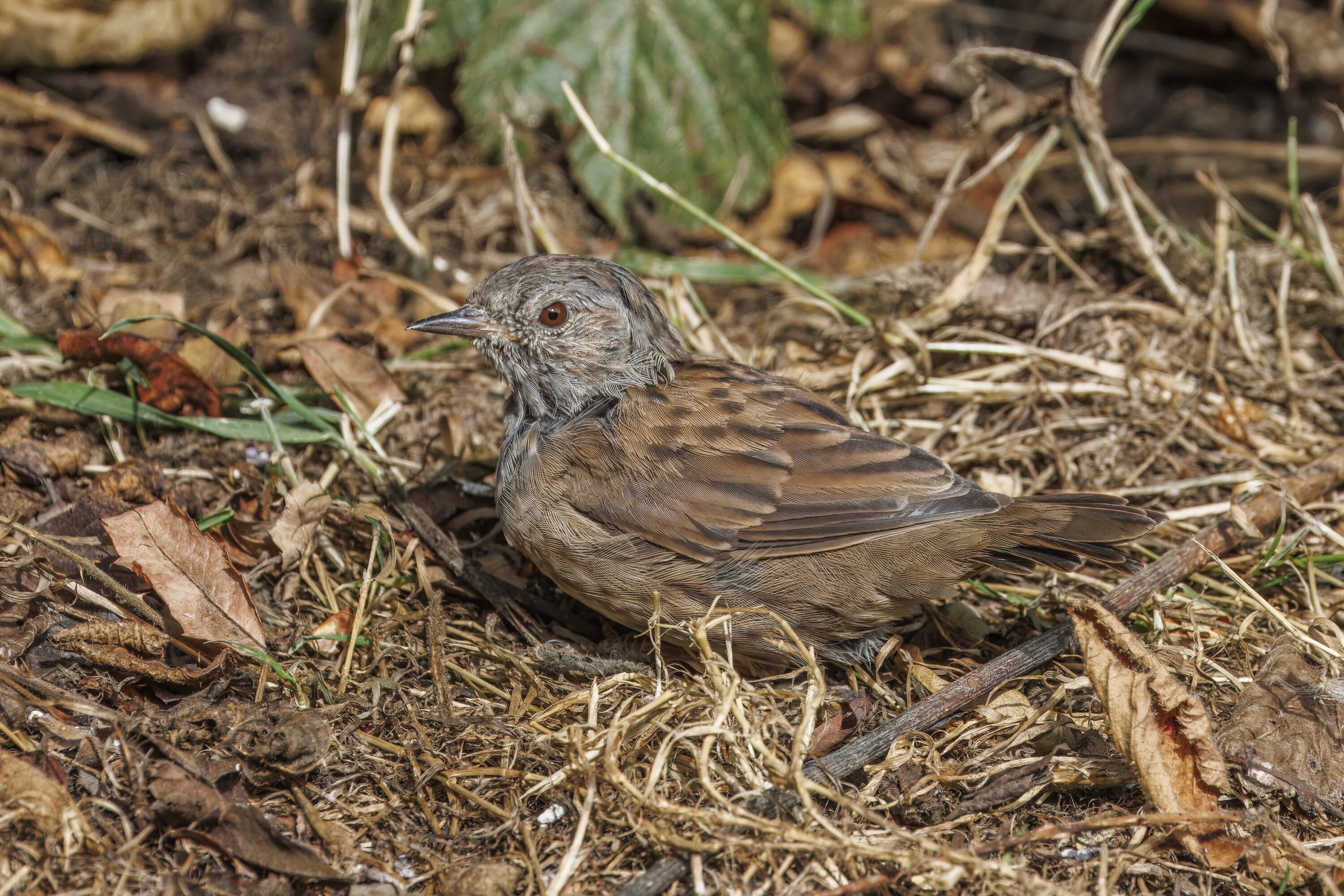
Dunnock Spring Passage Advanced by Up to 8.3 Days Over 61 Years at Hel
Standardised ringing data from northern Poland showed that the first, median and last phases of dunnock spring passage…
Read story →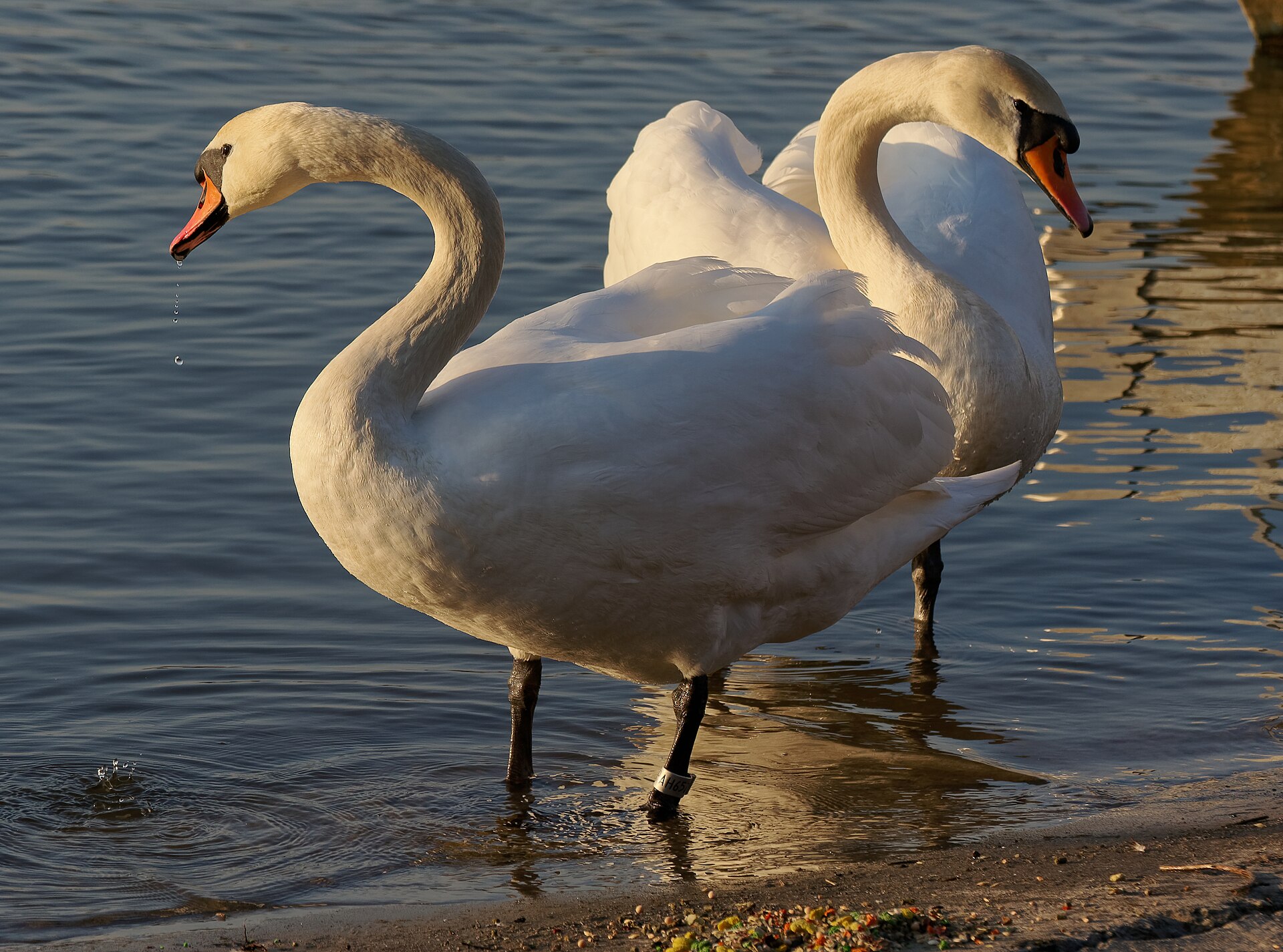
Inland Mute Swans Had Higher Winter Body Condition Despite Harsher Winters and Supplemental Feeding
A study of 853 mute swans from four Polish wintering regions found higher body condition inland than on…
Read story →SPECIES IN THIS STORY
Species in this story
Independent research and conservation news archive
Did you find this information useful?
Wildlife Vagabond is independently built and maintained. Voluntary support helps cover source verification, hosting and continued work on research and conservation news.
Support Wildlife VagabondThe news archive will remain freely available.