
Wild Boar Used a Broad, Edge-oriented Habitat Niche in Tongboshan Reserve
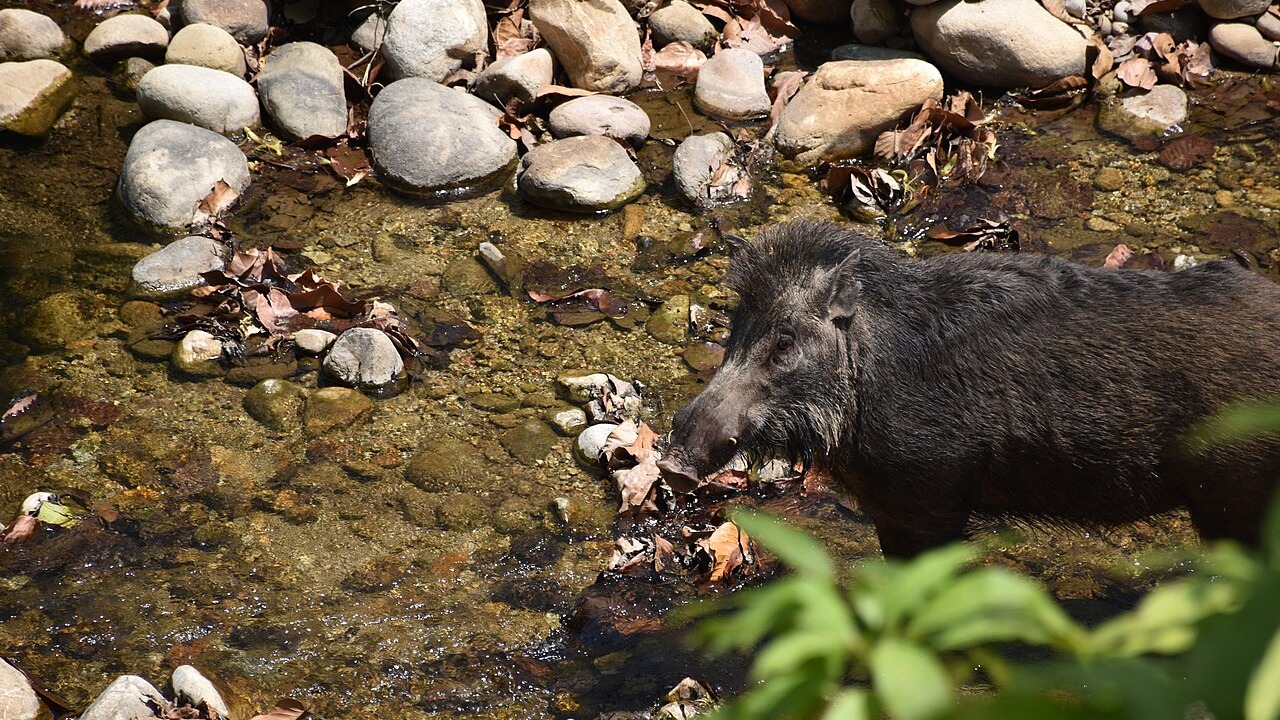
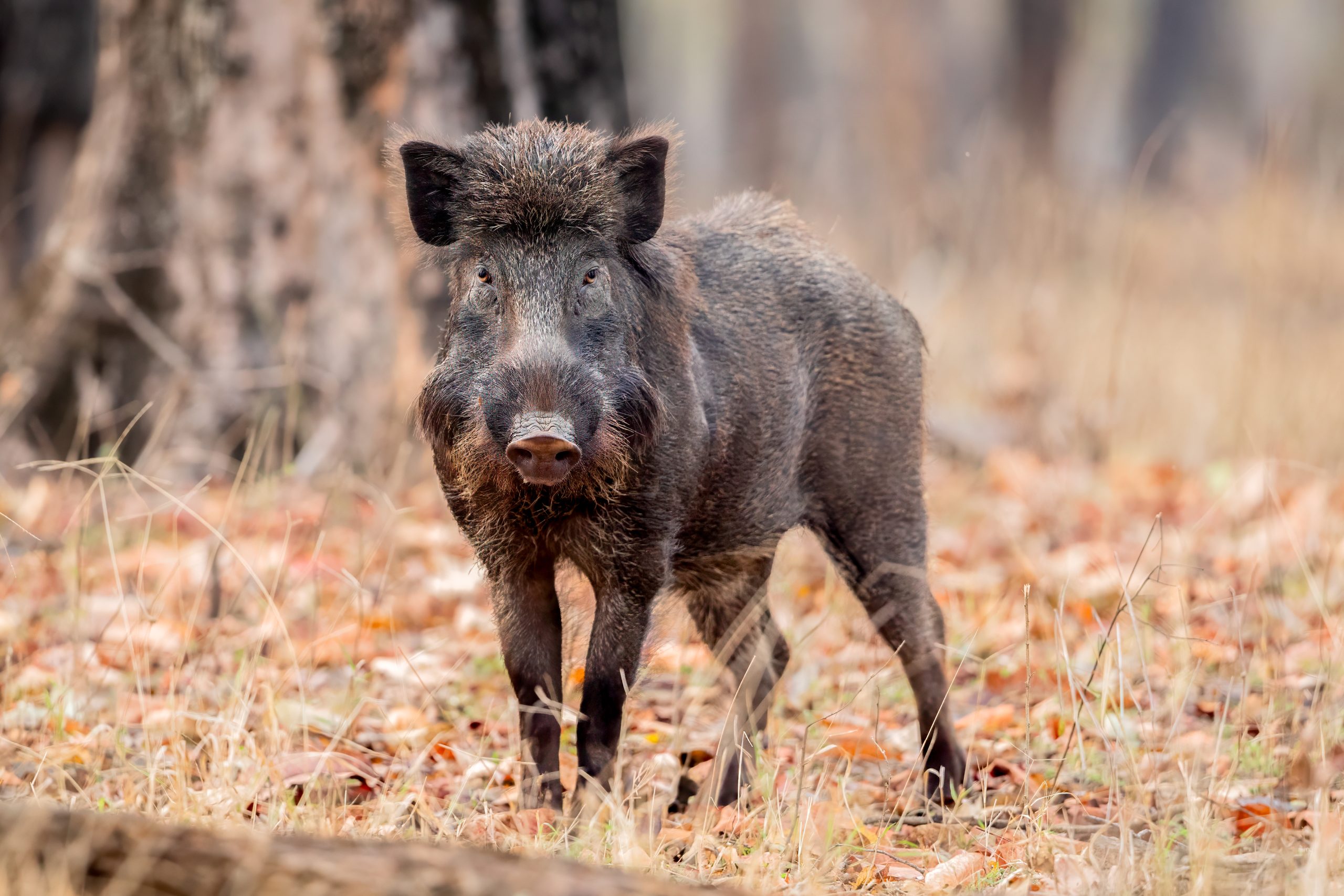
Wild boar (Sus scrofa) occupied a broad, edge-oriented habitat niche alongside black muntjac (Muntiacus crinifrons) and Reeves’s muntjac (Muntiacus reevesi) in Tongboshan National Nature Reserve in Jiangxi, China. A three-year camera-trap study found clear differences in how the three ungulates responded to vegetation, topography, water and human disturbance.
Researchers used camera records collected between 2021 and 2024 and retained 103 spatially independent occurrence points after filtering: 25 for black muntjac, 43 for Reeves’s muntjac and 35 for wild boar. The models then compared how vegetation, topography, water availability and human disturbance were associated with the occurrence of each species.
Wild boar favoured edges and bamboo-rich habitats
Wild boar showed broad ecological flexibility and were especially associated with forest edges, bamboo stands and bamboo–conifer interfaces. Their predicted suitable habitat covered about 34 km², or roughly 31% of the reserve. Reeves’s muntjac had the broadest predicted suitable area at about 45 km², while black muntjac had the narrowest at about 18 km² and was more strongly associated with higher-elevation, closed and low-disturbance forest.
The strongest spatial niche overlap occurred between Reeves’s muntjac and wild boar. Black muntjac overlapped much less with wild boar, sharing only about 13 km² of predicted suitable habitat. The authors interpret the contrasting habitat breadths and preferences as evidence that spatial niche differentiation helps the three ungulates coexist within the same mountain reserve.
Ecology
Related news
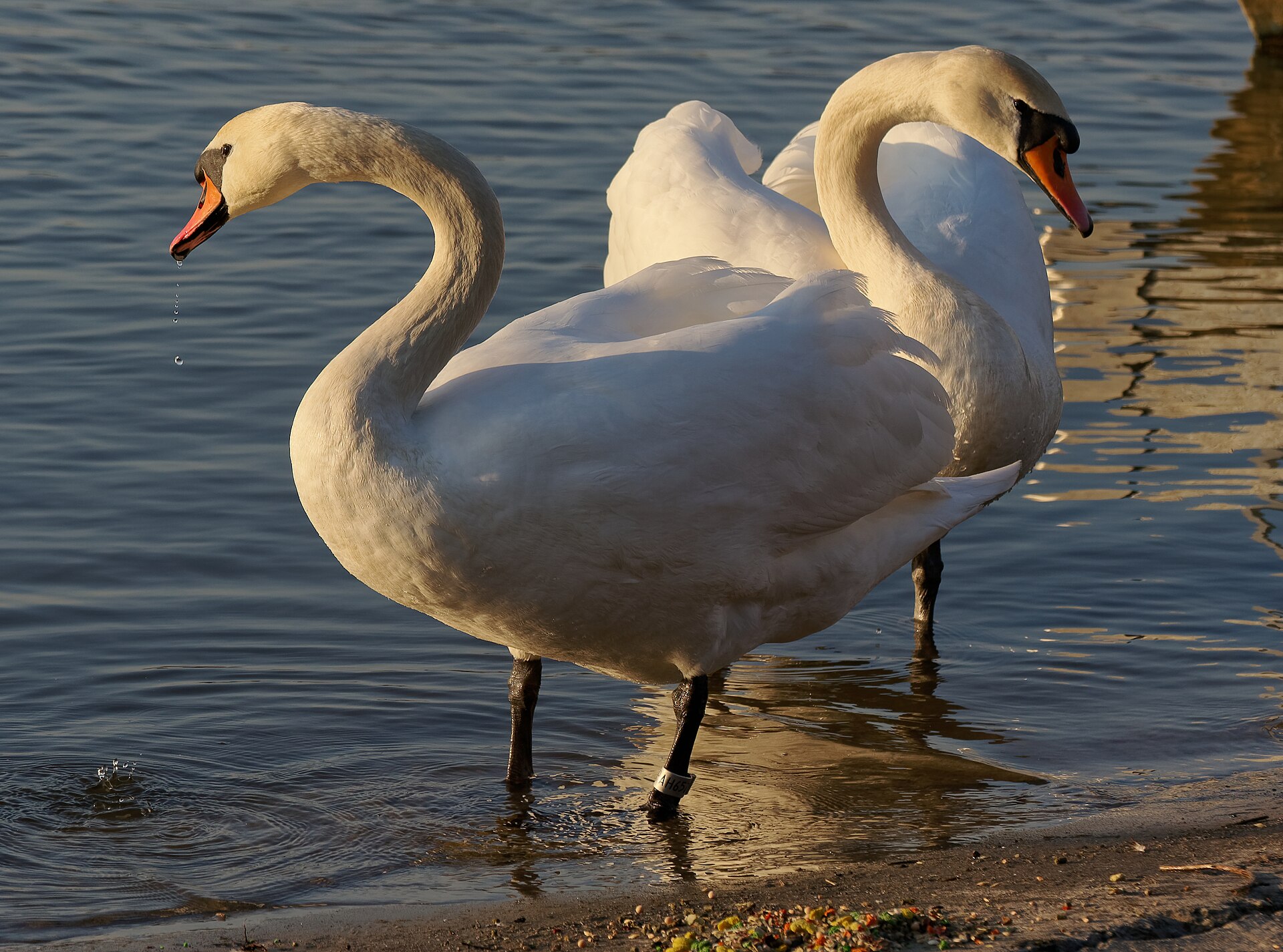
Inland Mute Swans Had Higher Winter Body Condition Despite Harsher Winters and Supplemental Feeding
A study of 853 mute swans from four Polish wintering regions found higher body condition inland than on…
Read story →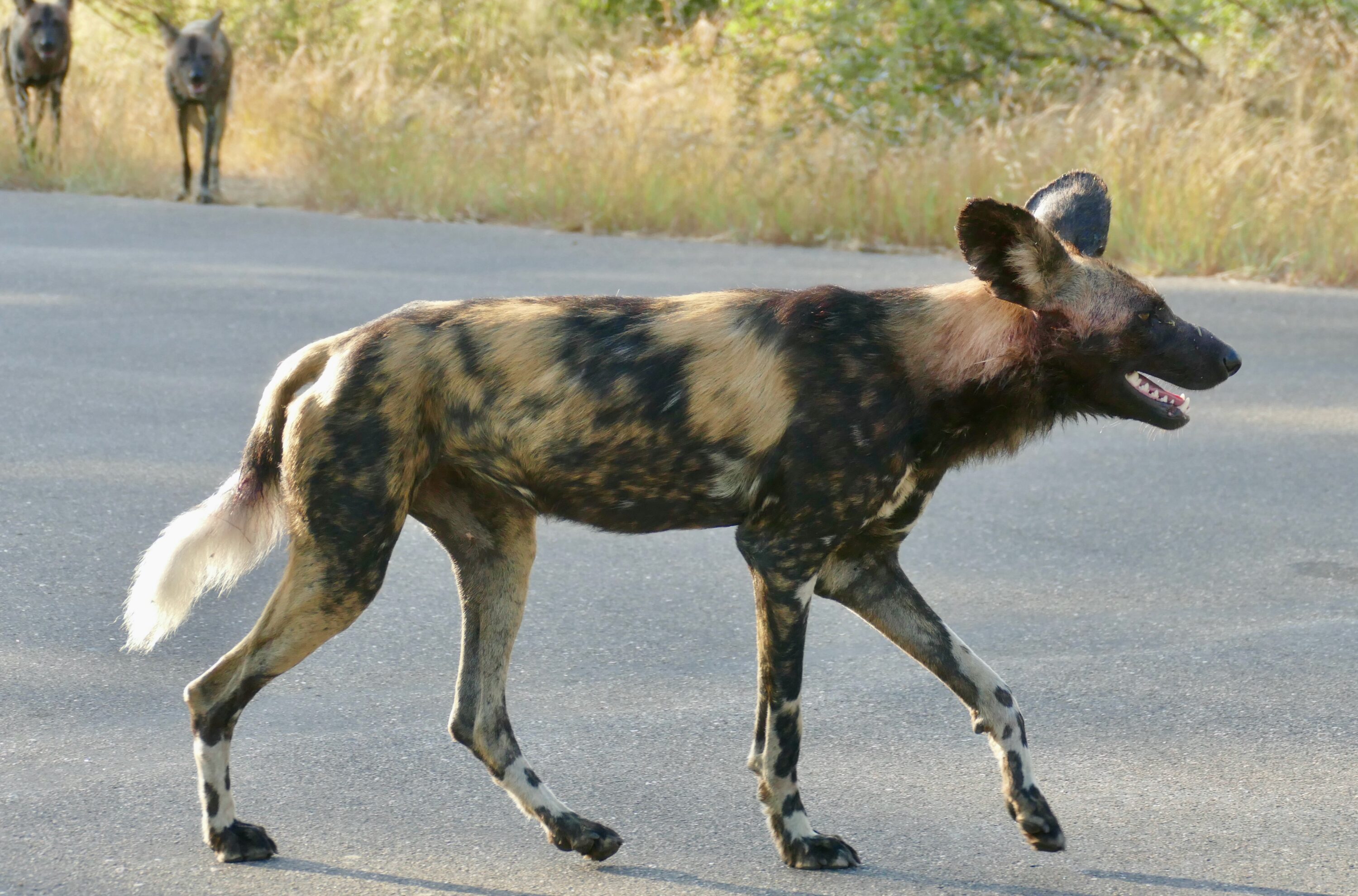
Gut Microbiomes Across Nine Kruger Mammals Clustered More Strongly by Dietary Group Than Species
A study of 89 quality-filtered faecal samples from nine wild mammals in Kruger National Park found that carnivores,…
Read story →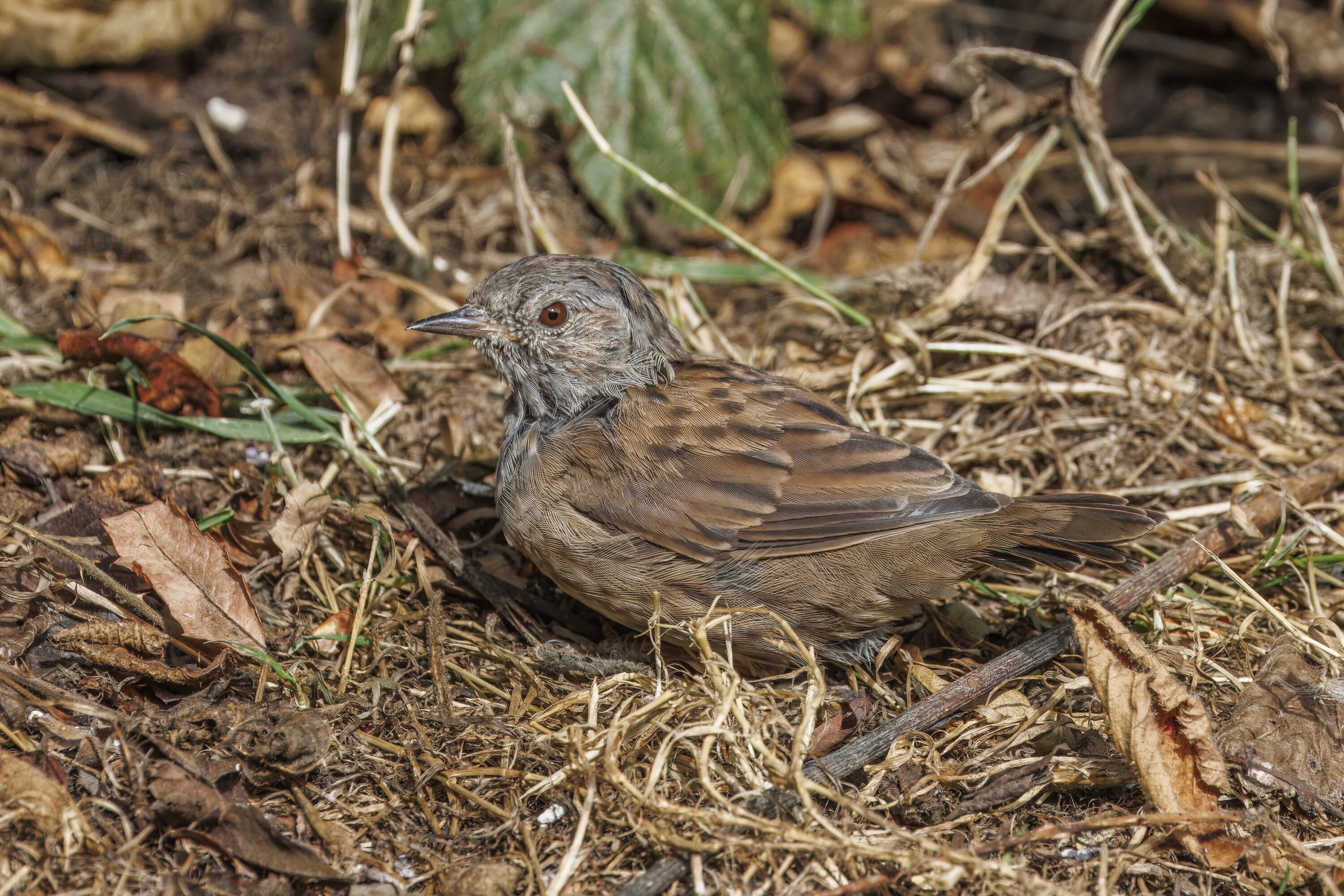
Dunnock Spring Passage Advanced by Up to 8.3 Days Over 61 Years at Hel
Standardised ringing data from northern Poland showed that the first, median and last phases of dunnock spring passage…
Read story →SPECIES IN THIS STORY
Species in this story
Independent research and conservation news archive
Did you find this information useful?
Wildlife Vagabond is independently built and maintained. Voluntary support helps cover source verification, hosting and continued work on research and conservation news.
Support Wildlife VagabondThe news archive will remain freely available.