
Analysis of Wild Boar Faeces Identified 538 Previously Unknown Microbial Species
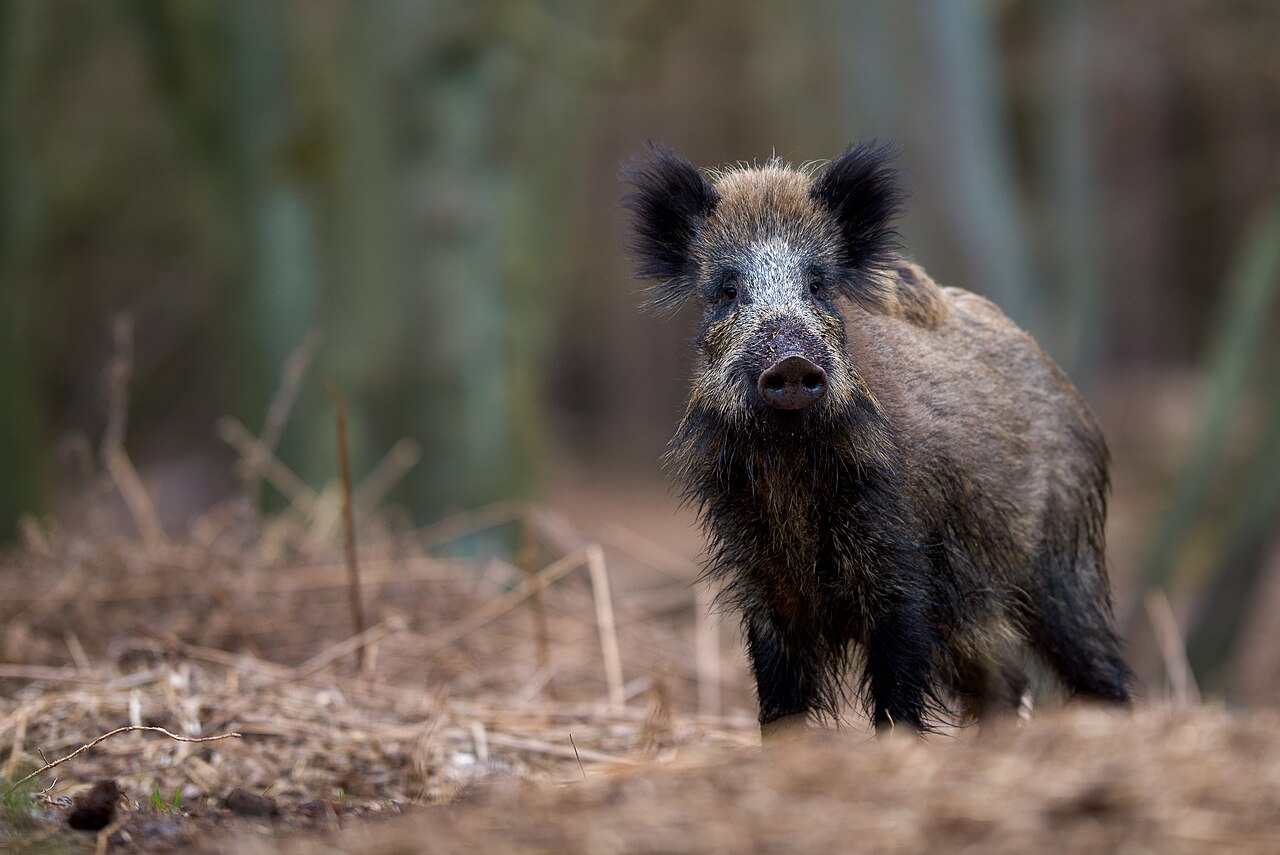
A metagenomic study of wild boar (Sus scrofa) faeces uncovered a large amount of previously unrepresented microbial diversity. Researchers analysed 89 samples collected in India, Italy, Japan and Singapore and reconstructed 3,288 high- and medium-quality metagenome-assembled genomes. These are genomes pieced together directly from the mixed DNA of all microorganisms in a sample, without first culturing each organism separately. After grouping closely related genomes at a species-level threshold, the material represented 968 distinct microbial species, 538 of which were considered previously unknown because they lacked a matching reference genome.
The new wild-boar data were then compared with 125 previously published faecal microbiomes, including samples from both wild boar and domestic pigs. Across the combined set of 214 samples, the researchers identified two major microbial community types. One contained 81% samples from free-ranging, foraging wild boar, while 93% of the other community type consisted of samples from captive, fed domestic pigs. The authors found that these community patterns were associated more strongly with diet and lifestyle than with whether the host was a wild boar or domestic pig. The wild-boar-dominated community also had lower within-sample microbial diversity, which the authors suggest may reflect highly variable food resources and environmental conditions favouring fewer resilient or adaptable taxa.
Wild boar and pig microbiomes differed in carbohydrate functions
The two community types also differed in how carbohydrate-degrading functions were distributed. The community associated mainly with captive, fed pigs had a higher relative abundance of carbohydrate-active enzyme genes linked to a broader range of carbohydrate classes. The wild-boar-dominated community, however, contained individual microbial species that were generally richer in these genes and in the range of carbohydrate classes they could potentially use.
From both community types, the researchers compiled a catalogue of carbohydrate degraders and identified 47 particularly versatile microbial species, including several of the previously unknown species. They conclude that the wild-boar faecal microbiome contains substantial microbial diversity that has been poorly represented in existing reference databases, while the broader comparison indicates that diet and lifestyle are major factors structuring the faecal microbiome across wild and domesticated Sus.
Disease, parasites & microbiology
Related news
Maps Show Where Wild Boar Could Thrive and Spread on Jeju Island
Researchers mapped potentially suitable wild-boar habitat across roughly 36% of Jeju Island and identified eight possible corridors linking…
Read story →
Roe Deer and Wild Boar Remained Key Wolf Prey as Diet Shifted Across North-western Italy
From 2021 to 2025, wolves in north-western Italy continued to feed mainly on wild prey. In the Po…
Read story →
Copper levels in wild boar differed across Slovak districts
An analysis of kidney, liver and muscle from 147 wild boar in four districts found that iron and…
Read story →SPECIES IN THIS STORY
Species in this story
Independent research and conservation news archive
Did you find this information useful?
Wildlife Vagabond is independently built and maintained. Voluntary support helps cover source verification, hosting and continued work on research and conservation news.
Support Wildlife VagabondThe news archive will remain freely available.