
Willow Tits Used Mobbing-Like Calls When Approaching Visually Obstructed Feeders
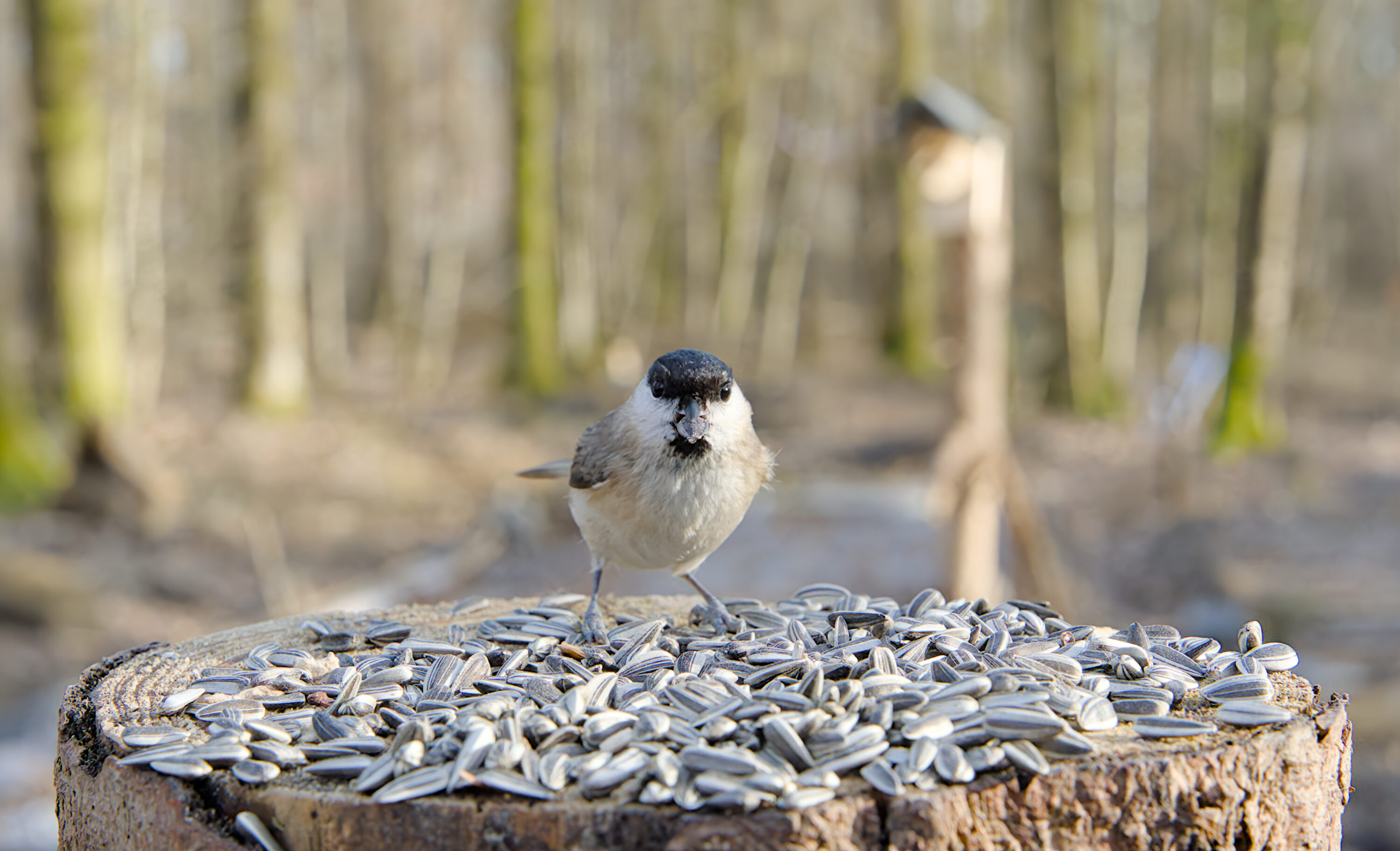
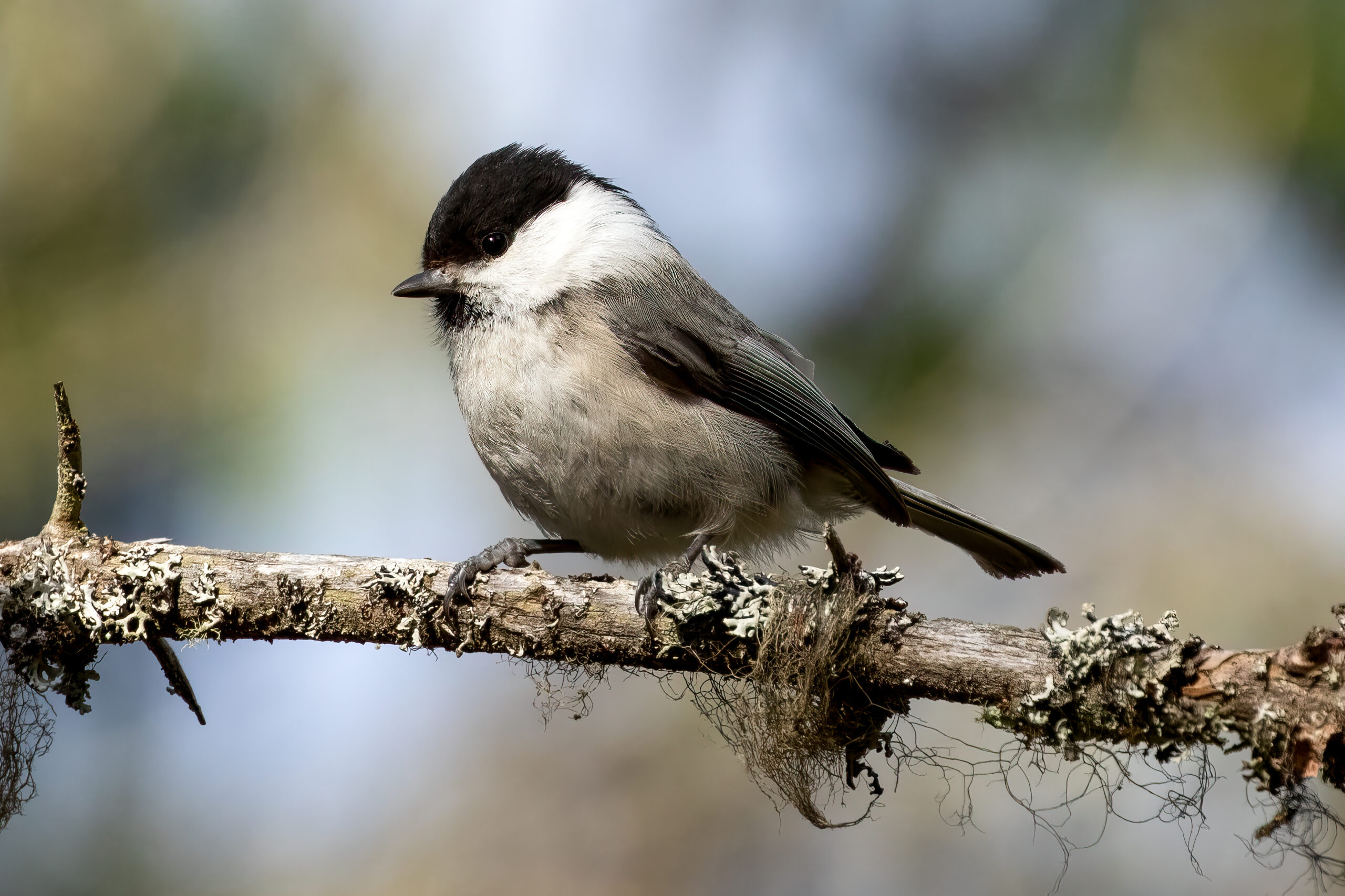
Wintering willow tits (Poecile montanus) changed their chick-a-dee calls when approaching feeding sites where visibility was restricted, producing calls with features that overlapped with those given during predator presentations. The study, published on 11 March 2026, tested 44 individually recognised birds in 11 flocks in southeastern Latvia.
The researchers compared feeder approaches in dense and open forest and also presented a tawny owl model. They analysed call structure, how long birds called and how quickly other flock members joined the first bird at the feeding site.
Dense vegetation produced longer calling
When no predator model was present, willow tits called for longer while approaching feeders in dense forest than in open forest. Dense vegetation reduces how far birds can see and can make it harder to detect an ambush predator before approaching a predictable food source.
Calls produced during these predator-absent approaches shared structural features with mobbing calls. Predator presentations increased call rate and the production of D-notes. However, the owl model did not significantly shorten the time before other flock members arrived, showing that changes in call structure and flock recruitment were not the same response.
Higher-ranking birds recruited flock members faster
The birds’ position within their winter social hierarchy was associated with recruitment. Calls from higher-ranking individuals were linked to shorter delays before flock members joined them. Recruitment patterns were especially relevant in dense habitat, where visual information around the feeding site was more limited.
The study was based on repeated observations of the same individuals, allowing the researchers to compare how a bird changed its own behaviour across different contexts rather than relying only on differences between individuals.
In a small supplementary observation, the researchers also played chick-a-dee calls near 16 feral cats resting close to feeders. Fourteen cats turned their heads toward the sound and two moved their ears. These observations were descriptive rather than a controlled experiment, but they illustrate how calling could potentially make a concealed ambush predator reveal itself through movement.
Evidence consistent with proactive signalling
The authors interpret the results as behavioural evidence consistent with mobbing-like signalling under uncertain predation risk. They explicitly stop short of concluding that the birds were actively probing for hidden predators, because the formal experiment did not directly measure whether calling improved predator detection.
Behaviour
Related news
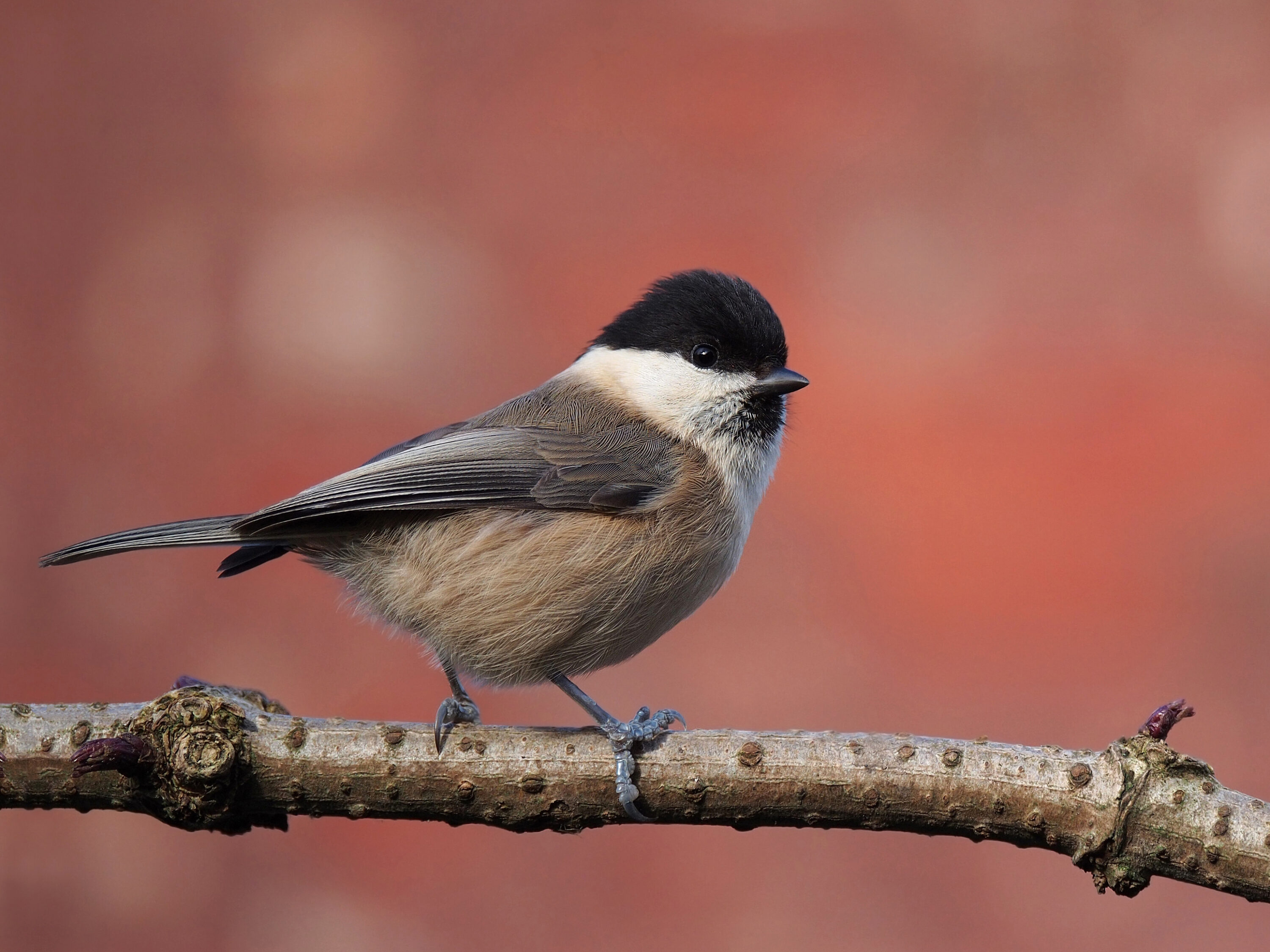
Natural England Funded Development of a National Willow Tit Recovery Strategy
Natural England funded a 2026–2029 project to build a national recovery strategy for willow tit across several English…
Read story →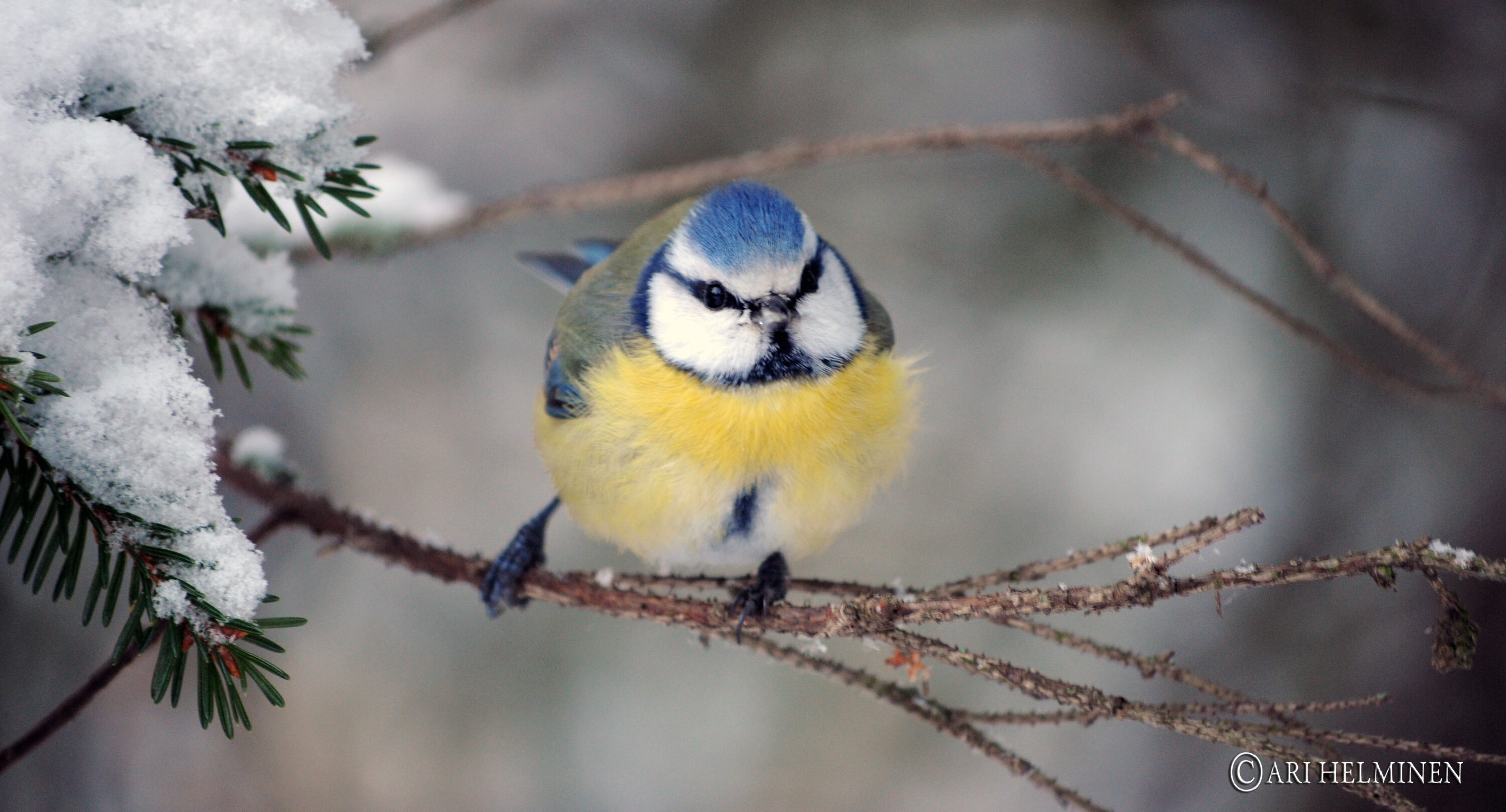
Mean Eurasian Blue Tit Winter Count Rose Fourfold in Finnish Urban Survey Plots
Across 31 Finnish settlements, mean Eurasian blue tit counts rose from 2.8 birds per standardised urban plot in…
Read story →
Wet Willow Wildlife Improved 51 Hectares of Wet Woodland and Connected 632 Hectares
The two-year Wet Willow Wildlife project in northwest England improved 51 hectares of wet woodland, increased connectivity across…
Read story →SPECIES IN THIS STORY
Species in this story
Independent research and conservation news archive
Did you find this information useful?
Wildlife Vagabond is independently built and maintained. Voluntary support helps cover source verification, hosting and continued work on research and conservation news.
Support Wildlife VagabondThe news archive will remain freely available.