
Greater Canopy Cover Was Linked to Lower Yellow-bellied Greenbul Occurrence in Degraded Tanzanian Forests
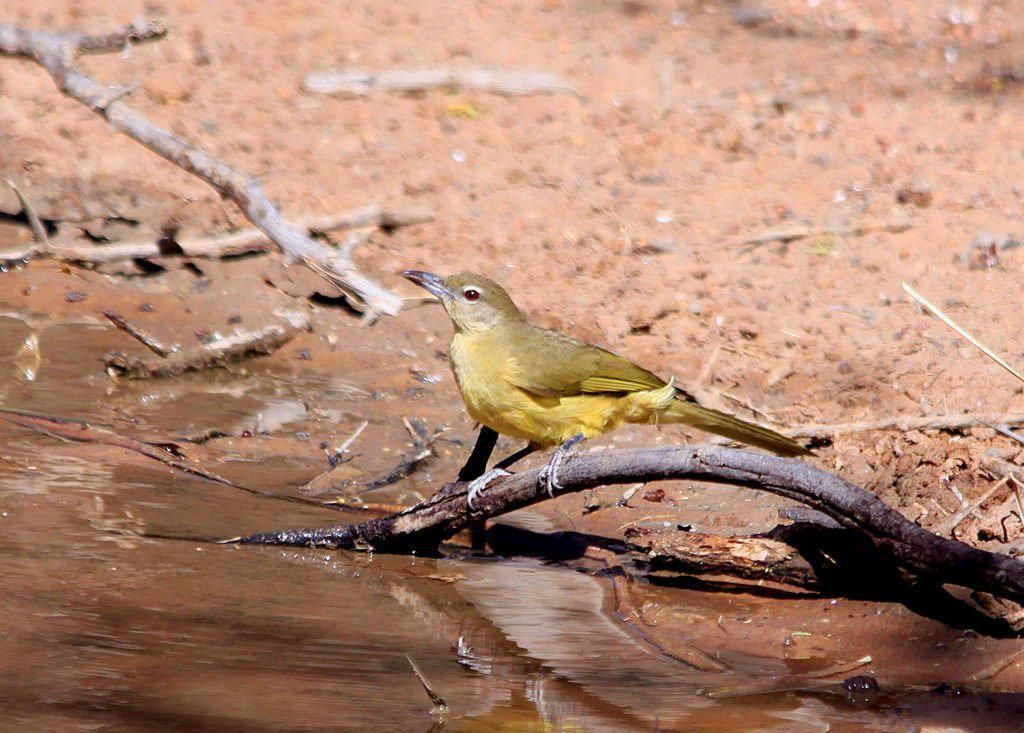
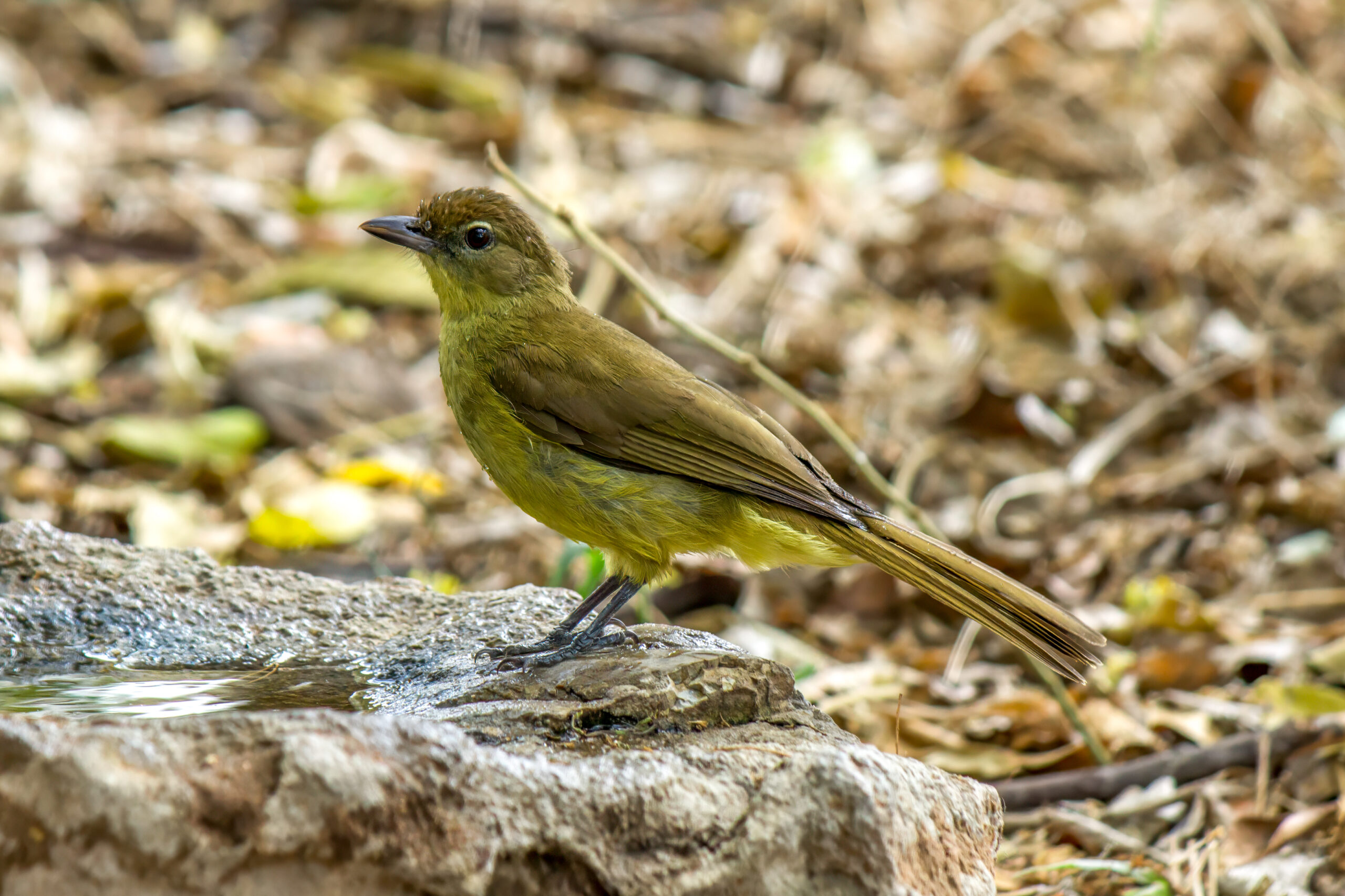
Vegetation structure was associated with the occurrence of two greenbul species in different ways in degraded coastal forest patches in northeastern Tanzania. A study published on 17 June 2026 found that yellow-bellied greenbul (Chlorocichla flaviventris), a forest generalist, was less likely to be recorded as canopy cover increased, while the forest-specialist lowland tiny greenbul (Phyllastrephus debilis) was positively associated with both greater canopy cover and more medium-sized trees.
The coastal forests of East Africa have been heavily modified in many places by tree cutting, agricultural clearing and other human pressures. The researchers examined how the two greenbuls were distributed in relation to the vertical vegetation structure within forest patches and in the surrounding matrix — the non-forest landscape between and around the remaining patches — in northeastern Tanzania.
They modelled bird presence or absence against several vegetation characteristics, including tree height, canopy cover and trunk diameter measured at breast height. Presence/absence therefore describes whether a species was recorded at a sampled location, not how many individuals lived there. The clearest supported responses involved canopy cover and, for the forest specialist, the number of medium-sized trees with trunks 21–30 centimetres in diameter.
Canopy cover was associated with the two species in opposite directions
For lowland tiny greenbul, the best-supported models showed positive relationships with both the number of medium-sized trees and increasing canopy cover. Yellow-bellied greenbul showed the opposite clearly supported response to canopy cover: it was less likely to be recorded as crown cover increased. The result therefore describes different vegetation associations within the same fragmented landscape, not a measured decline in the yellow-bellied greenbul population.
The authors describe the pattern as a directional shift in vegetation use under disturbance rather than the two species responding similarly to the remaining forest structure. The contrast is biologically relevant because yellow-bellied greenbul is treated as a forest generalist in the study, whereas lowland tiny greenbul is a forest specialist.
Researchers recommend retaining varied vertical forest structure
Selective logging remains an important pressure on the coastal forests of East Africa, particularly where trees are removed for building materials. Based on their results, the researchers recommend retaining vegetation with a varied vertical structure and different canopy layers. Such structural diversity can provide suitable conditions for forest birds with different habitat requirements.
The study was published in African Journal of Ecology and was first available online on 17 June 2026.
Ecology
Related news
African Bush Elephants Distinguished Artificial Food-Quantity Patterns at Close Range
In experiments in South Africa, four semi-tame elephants chose between visual patterns representing canopy size and leaf density.…
Read story →
Maps Show Where Wild Boar Could Thrive and Spread on Jeju Island
Researchers mapped potentially suitable wild-boar habitat across roughly 36% of Jeju Island and identified eight possible corridors linking…
Read story →
What African Bush Elephants Eat in Nigeria’s Dry Season
Three weeks of observations in Yankari Game Reserve recorded elephants feeding mainly on leaves. Of four sampled forage…
Read story →SPECIES IN THIS STORY
Species in this story
Independent research and conservation news archive
Did you find this information useful?
Wildlife Vagabond is independently built and maintained. Voluntary support helps cover source verification, hosting and continued work on research and conservation news.
Support Wildlife VagabondThe news archive will remain freely available.