
Young White Wagtails Show Stronger Escape Responses in Finnish Cities
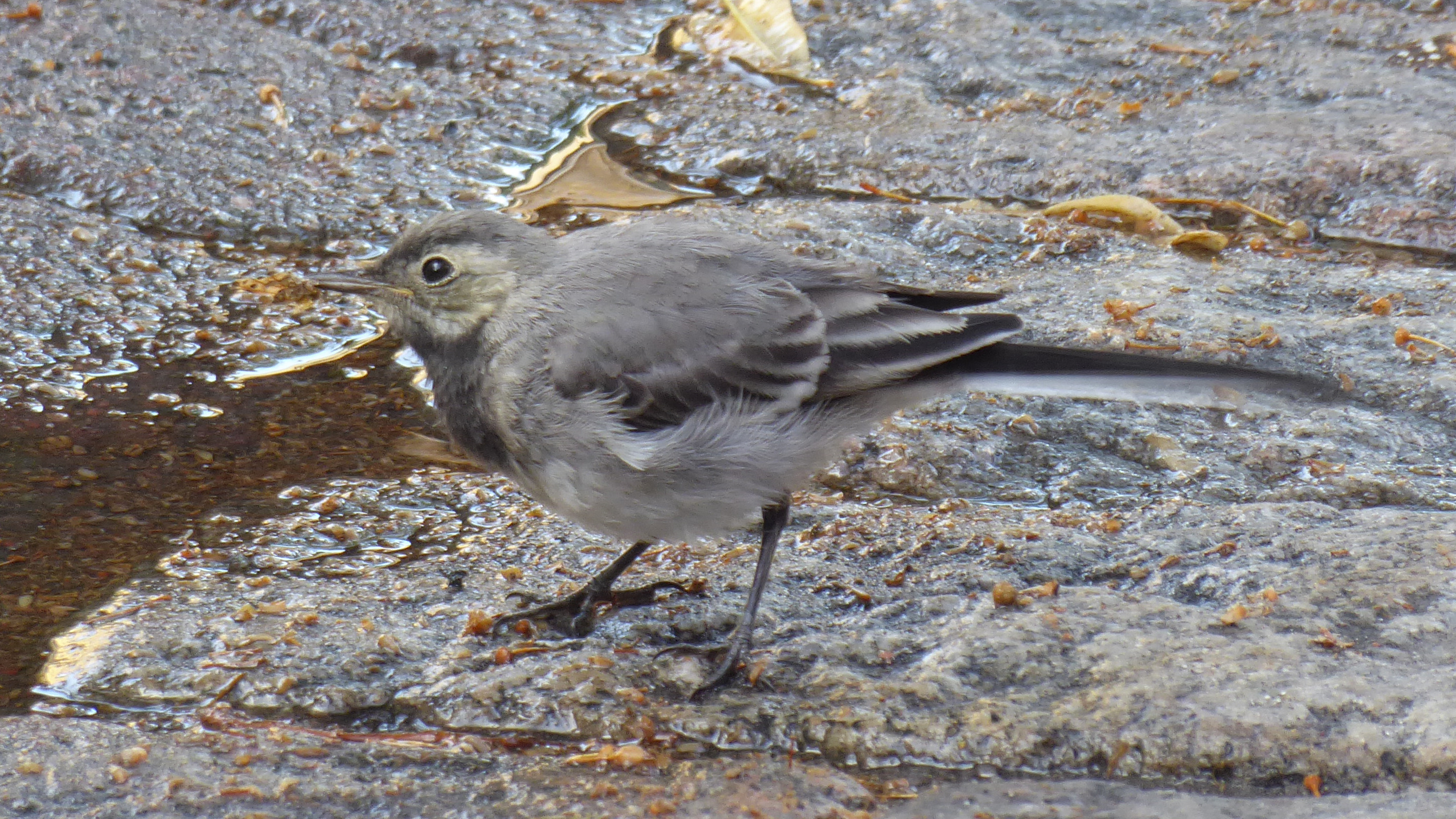
Young white wagtails (Motacilla alba) fled from an approaching person sooner and moved farther than adults in a study of 137 standardized approaches in Helsinki, Finland and Lahti. Flock size, distance to refuge, pedestrian activity and built cover were also associated with different stages of the escape response. The study was published in Ethology Ecology & Evolution on 27 March 2026.
The researchers recorded three distances for each focal bird: the point at which it first became alert, the point at which it fled and the distance it travelled after leaving. Treating these as separate responses allowed them to distinguish early detection from the final escape decision and the strength of the subsequent movement.
Larger flocks and greater refuge distance changed the early response
Alert distance increased with flock size. The authors note that positive flock-size effects in earlier studies have been linked to sociability and possibly shared warning cues. Birds farther from a possible refuge also became alert and fled while the observer was still farther away.
Juveniles fled sooner and travelled farther than adults
Age produced one of the clearest differences. Juveniles had longer flight-initiation distances and longer escape distances than adults, meaning that they allowed less approach before leaving and then put more distance between themselves and the disturbance. The study did not find a comparable clear difference associated with sex.
Urban context did not produce one simple tolerance gradient
Built cover had non-linear relationships with all three response measures, and the combinations of influential factors differed between Helsinki and Lahti. Overall escape distances were shorter in Helsinki than in Lahti. Escape method also mattered: birds that flew travelled a median distance about four times greater than birds that ran. In Helsinki, greater pedestrian activity was associated with longer alert and escape distances, while fewer comparable relationships appeared in Lahti.
The results therefore caution against using flight-initiation distance alone as a complete measure of tolerance to people. A bird can wait longer before leaving but still travel far once disturbed, and patterns measured in one city may not transfer unchanged to another.
Behaviour
Related news

Polish Maize Fields Had Fewer Breeding Bird Species and Lower Bird Density
Across 122 plots in Poland, maize fields had fewer breeding bird species and lower bird density than mosaics…
Read story →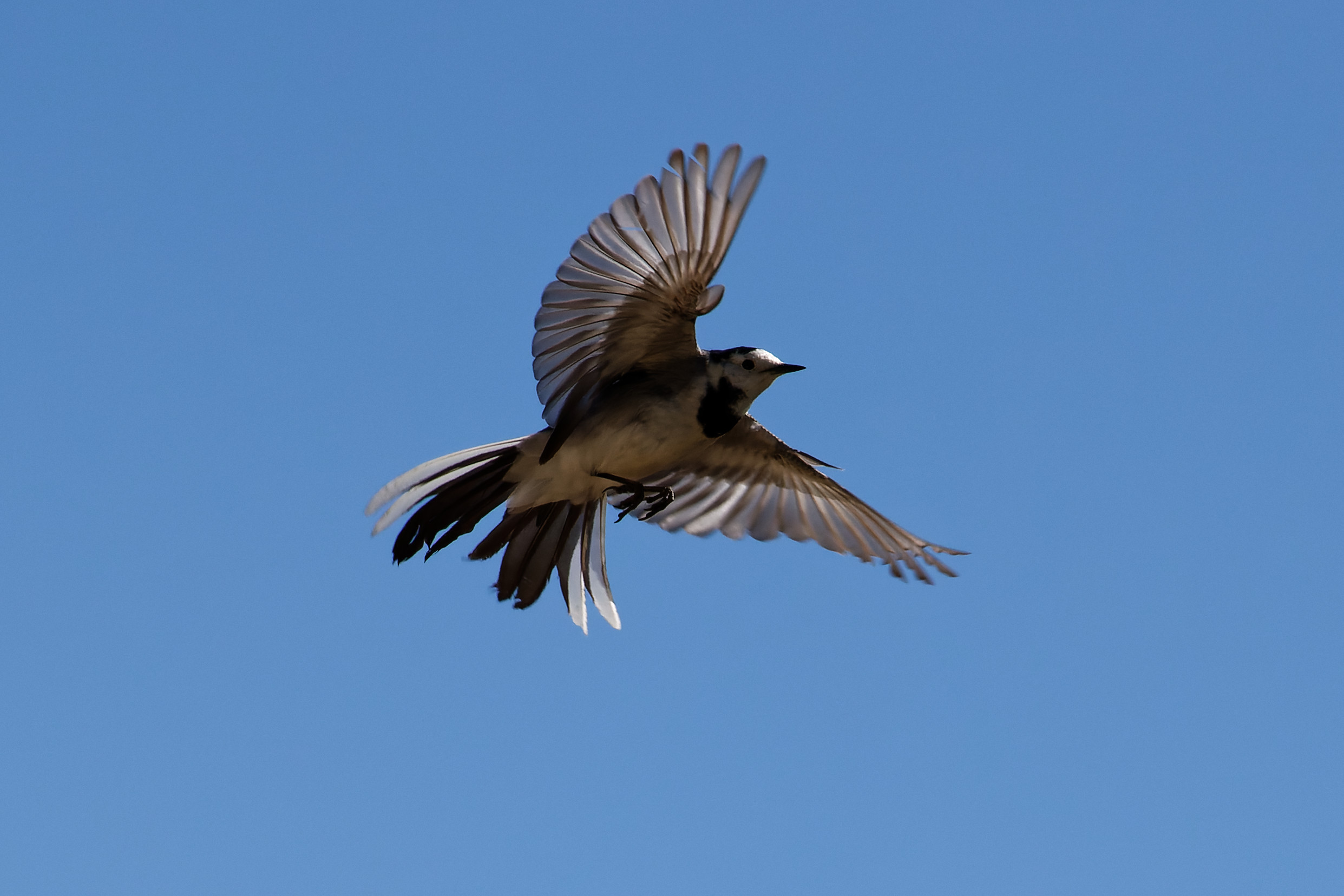
More Than 16,000 White Wagtails Counted at Three Malta Roosts
BirdLife Malta counted more than 16,000 white wagtails at three communal winter roosts on 17 January 2026, including…
Read story →
Three Ways of Analysing Elephant Calls Gave Different Results
Recordings from a semi-free herd in South Africa show how the method used to classify call timing can…
Read story →SPECIES IN THIS STORY
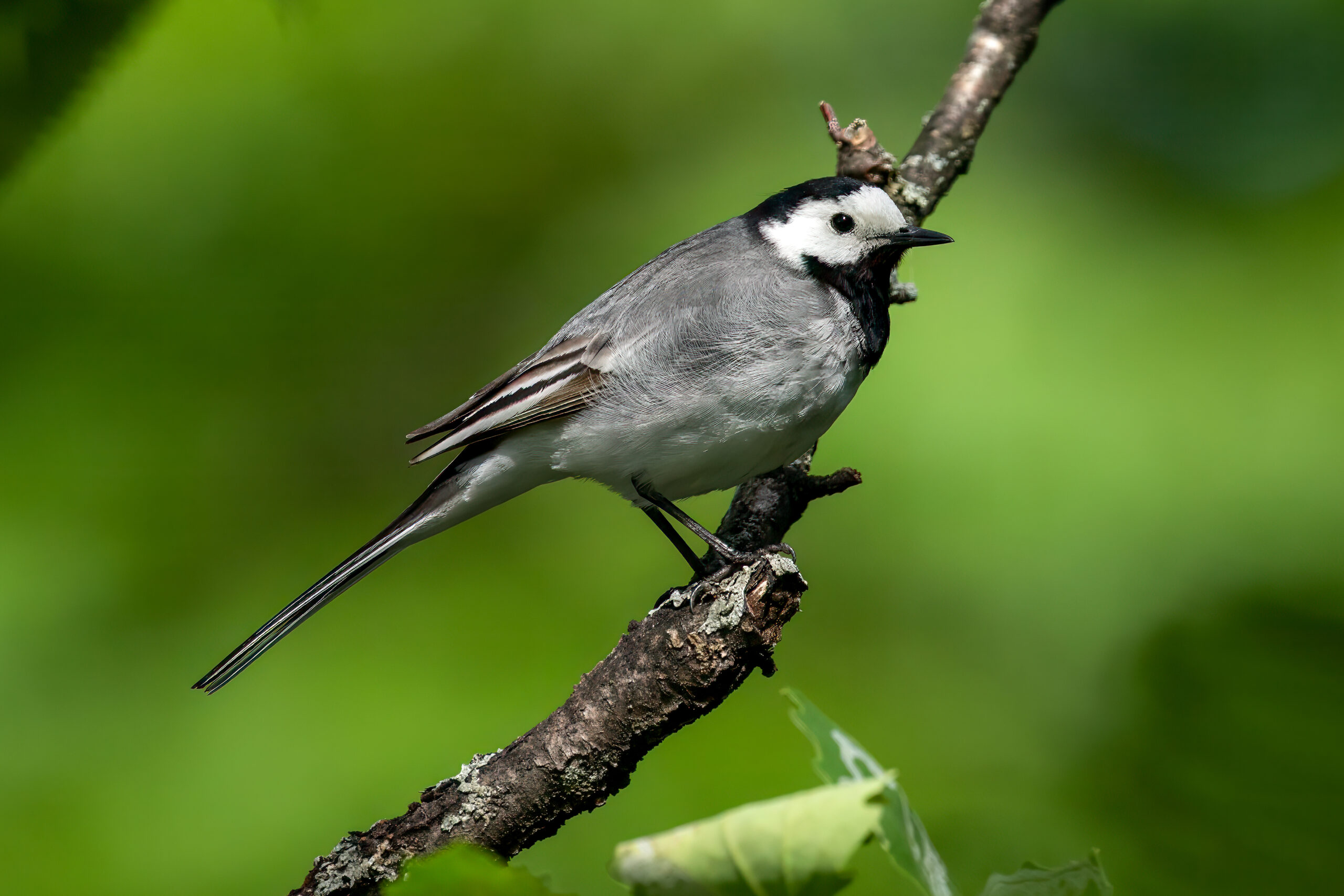
Species in this story
Independent research and conservation news archive
Did you find this information useful?
Wildlife Vagabond is independently built and maintained. Voluntary support helps cover source verification, hosting and continued work on research and conservation news.
Support Wildlife VagabondThe news archive will remain freely available.