
Elephants Were Seen More Often Where Safari Traffic Was Lower — but Were More Vigilant There
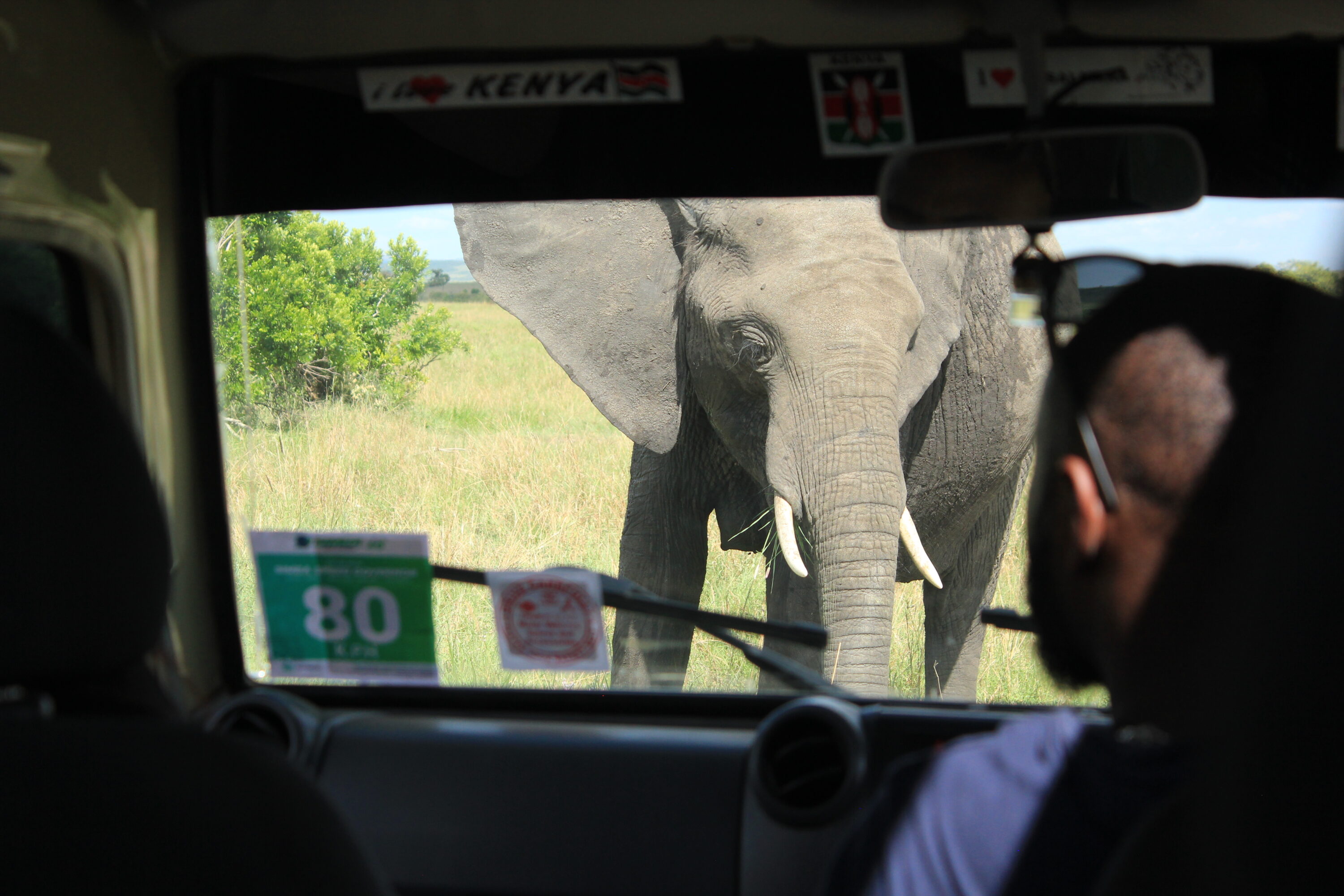
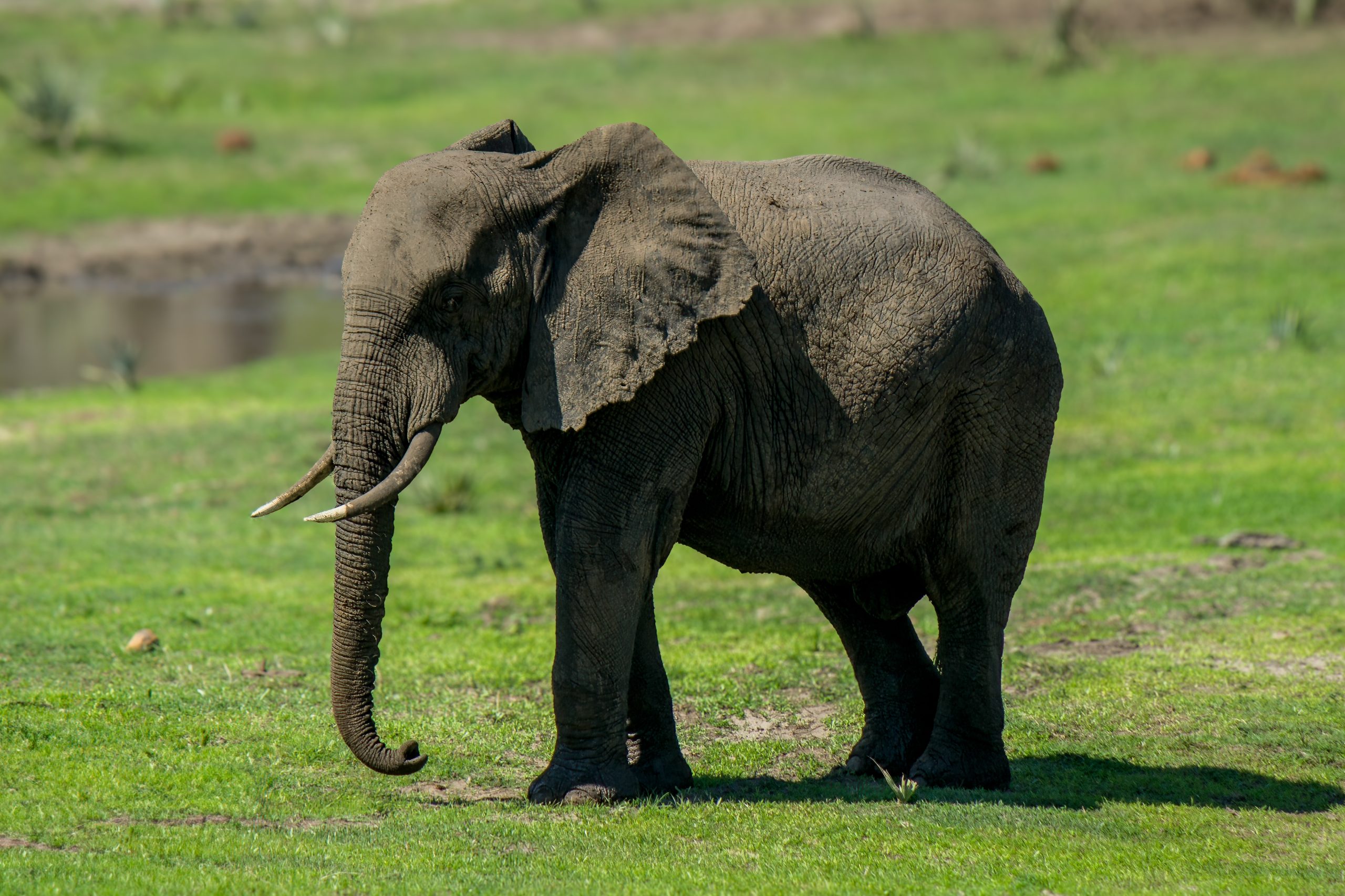
A 2026 study from Zambezi National Park in Zimbabwe examined how safari traffic relates to the behaviour and spatial use of African bush elephants (Loxodonta africana). The researchers found that elephants were seen more frequently in the part of the park with less vehicle traffic. At the same time, the animals showed higher rates of vigilance there.
The study was carried out near Victoria Falls, where wildlife tourism brings vehicles into the same landscape used by elephants. Brigit Rooney and Bruce A. Schulte recorded the location and behaviour of elephants during sightings and also recorded vehicles encountered in the area. The geographical data were mapped to compare elephant observations with the distribution of human traffic and to identify areas where sightings were concentrated.
Lower traffic coincided with more elephant sightings and greater vigilance
Elephant observations were not distributed evenly across the study area. The animals were more frequently sighted in the region with fewer vehicles, but they also showed more vigilance there than elephants observed where vehicles were more common. Vigilance includes behaviour in which an animal interrupts other activity to monitor its surroundings. The combination suggests that lower vehicle traffic did not simply correspond to elephants appearing more relaxed; spatial use and alertness changed in different ways across the tourism gradient.
The researchers place the findings in the wider question of how wildlife tourism can influence the animals that visitors come to see. For protected areas, tourism can provide important economic and conservation benefits, while the presence of people and vehicles can also affect where animals spend time and how they behave. Rooney and Schulte argue that understanding these responses can help managers decide how tourism should be distributed within a park and where elephants may have refuge from human intrusion.
The authors note that further research is needed to determine the longer-term ecosystem consequences of tourism-related behavioural changes. The study documents how elephants and safari traffic overlapped within one protected area, but did not test those longer-term effects.
Behaviour
Related news
An ancient viral gene may have been repurposed in elephant placenta
An ancient viral gene that appears to have been inherited for at least 79 million years is strongly…
Read story →
Three Ways of Analysing Elephant Calls Gave Different Results
Recordings from a semi-free herd in South Africa show how the method used to classify call timing can…
Read story →
African Bush Elephants Distinguished Artificial Food-Quantity Patterns at Close Range
In experiments in South Africa, four semi-tame elephants chose between visual patterns representing canopy size and leaf density.…
Read story →SPECIES IN THIS STORY
Species in this story
Independent research and conservation news archive
Did you find this information useful?
Wildlife Vagabond is independently built and maintained. Voluntary support helps cover source verification, hosting and continued work on research and conservation news.
Support Wildlife VagabondThe news archive will remain freely available.