
13,756 Whooper Swans and 372 Bewick’s Swans Counted Across the Fens
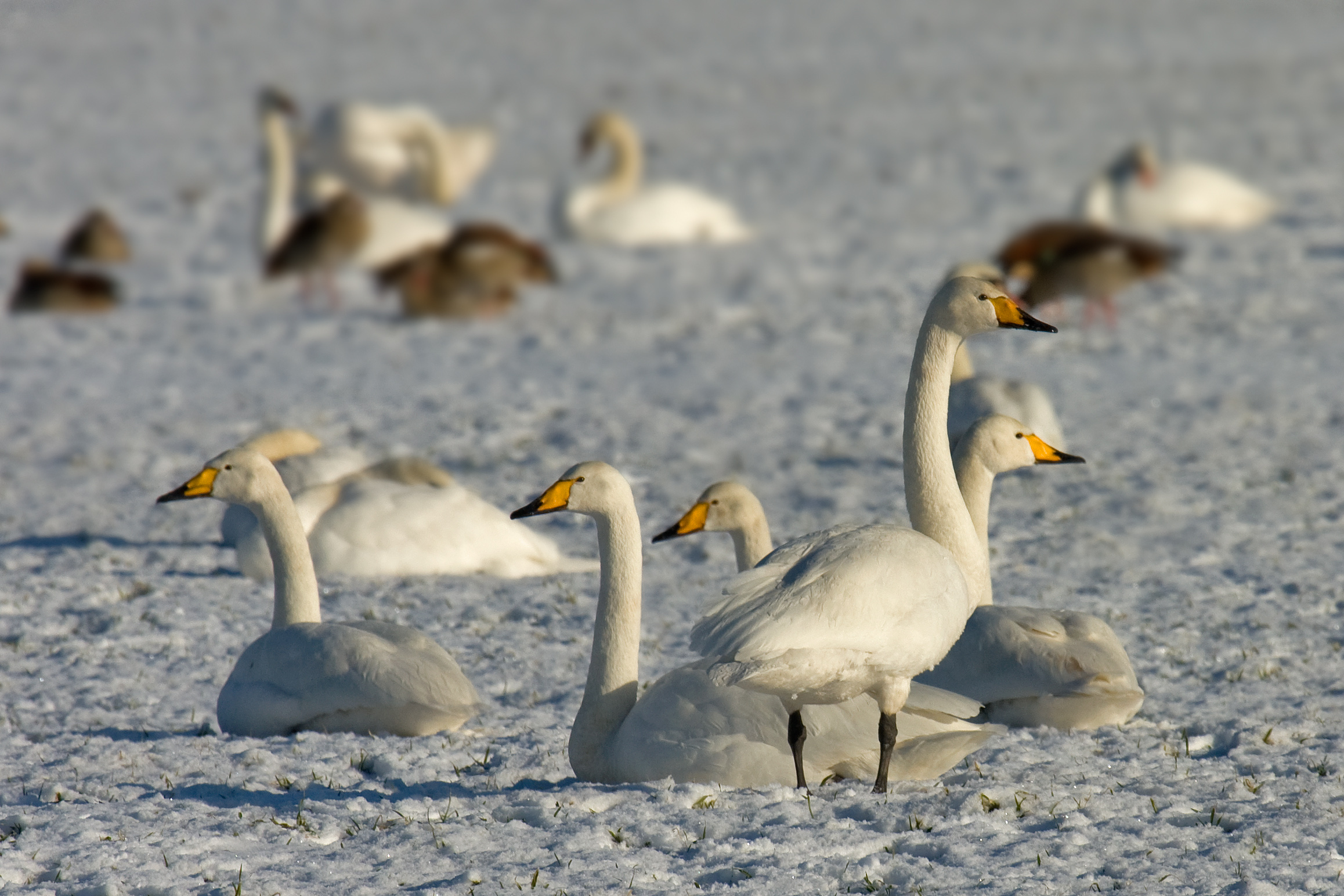
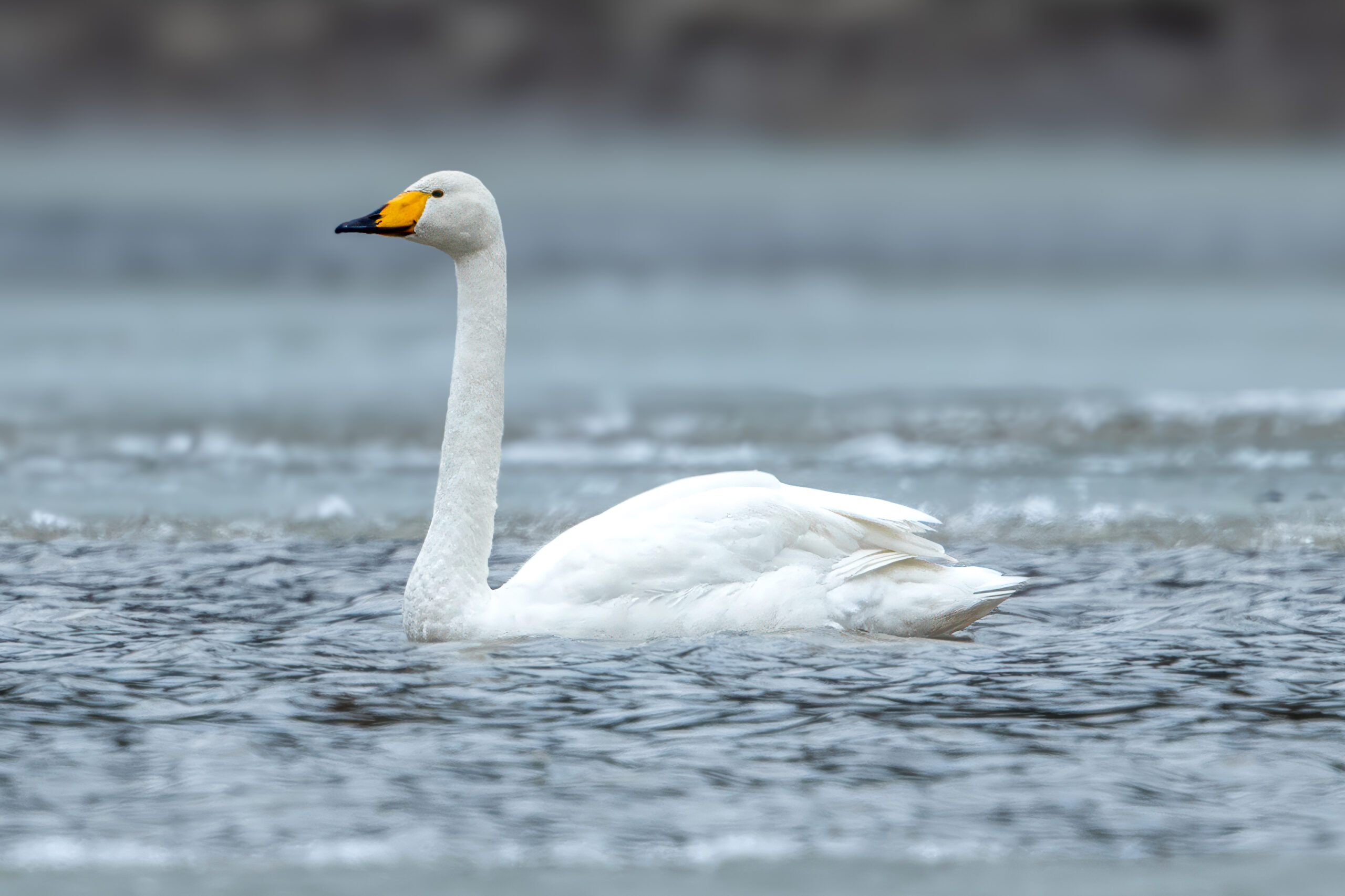
A coordinated swan count across the English Fens on 20 January 2026 recorded 13,756 whooper swans (Cygnus cygnus) and 372 Bewick’s swans (Cygnus columbianus bewickii) during the wider daytime survey. WWT Welney reported the results on 28 January as part of the 2026 International Swan Census.
The whooper-swan total consisted of 11,183 birds around the Ouse Washes and surrounding landscape and 2,573 around the neighbouring Nene Washes. The same coordinated work also included a separate dawn roost count at the Ouse Washes, where observers recorded 7,922 whooper swans and 265 Bewick’s swans.
Roost and daytime counts measured different snapshots
The dawn and daytime figures should not be added together. The dawn count measured birds using the Ouse Washes roost, whereas the broader daytime survey covered feeding areas across the Fens, including arable land. Many of the same swans move between roosting water and farmland during the day, so the two counts describe different parts of the same wintering system rather than separate populations.
The January survey formed part of the six-yearly International Swan Census, coordinated alongside the International Waterbird Count. The 2026 census covers both whooper and Bewick’s swans across several flyway populations. In addition to counting birds, observers record the numbers of adults and young and the habitats used, allowing the international census to assess breeding success, winter distribution and changes in habitat use.
A major winter concentration in the Fens
WWT said the 2026 whooper-swan total in the Fens was slightly below the corresponding 2025 figure, but described the count as encouraging after highly pathogenic avian influenza affected whooper swans in the region during autumn 2025. The organisation also noted the continuing long-term decline of Bewick’s swans.
The 13,756 whooper swans do not represent the full Iceland–UK/Ireland population, and the 372 Bewick’s swans likewise represent only the birds counted in this part of the international census. The figures instead show how large a winter concentration the Ouse and Nene Washes landscape supports and why coordinated counts must include both wetland roosts and surrounding farmland.
Population & status
Related news
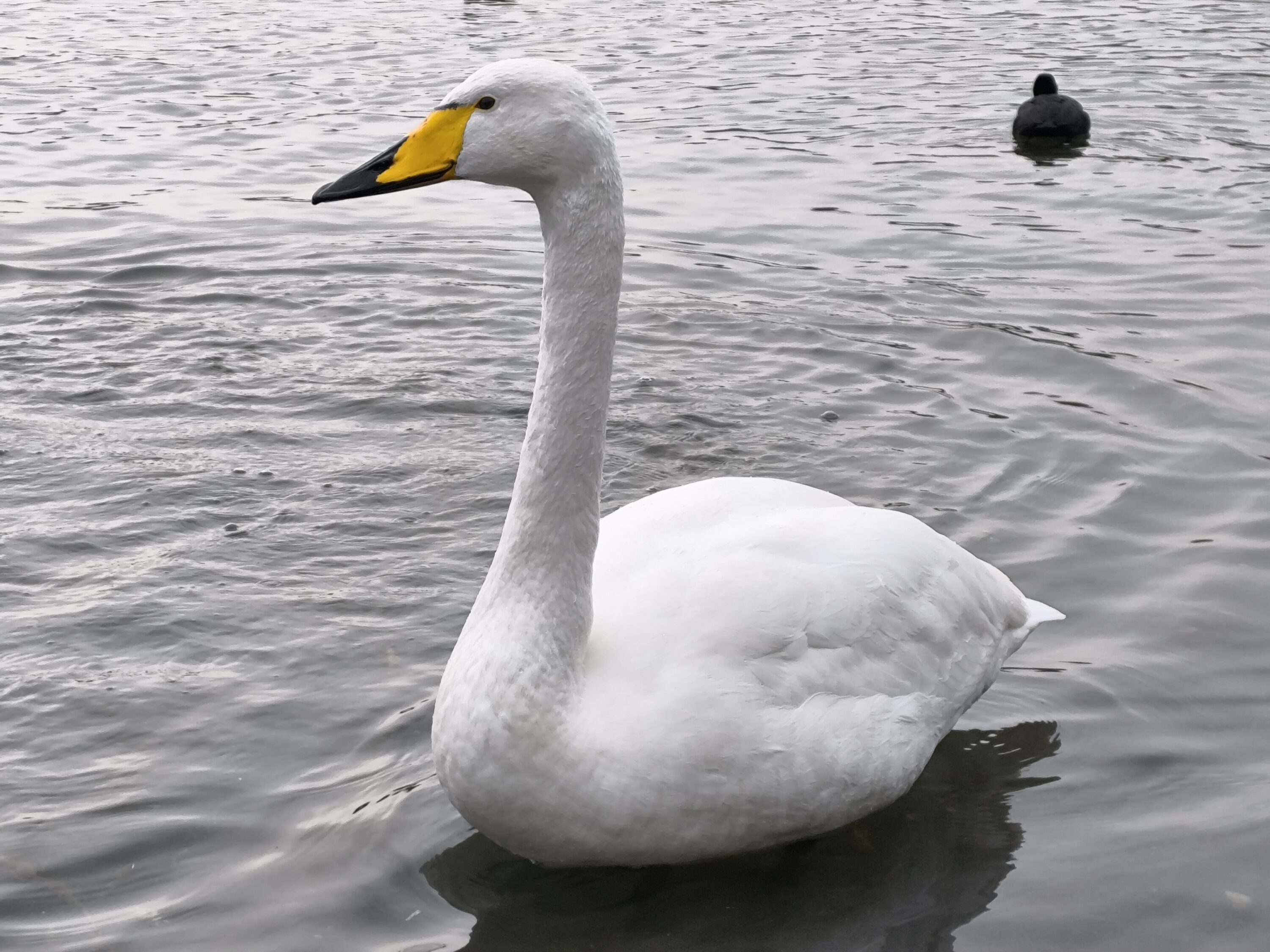
Whooper Swans in Urban and Natural Xinjiang Wetlands Had Different Gut Microbiomes
A study of 34 faecal samples found clear differences in gut bacterial communities between whooper swans wintering in…
Read story →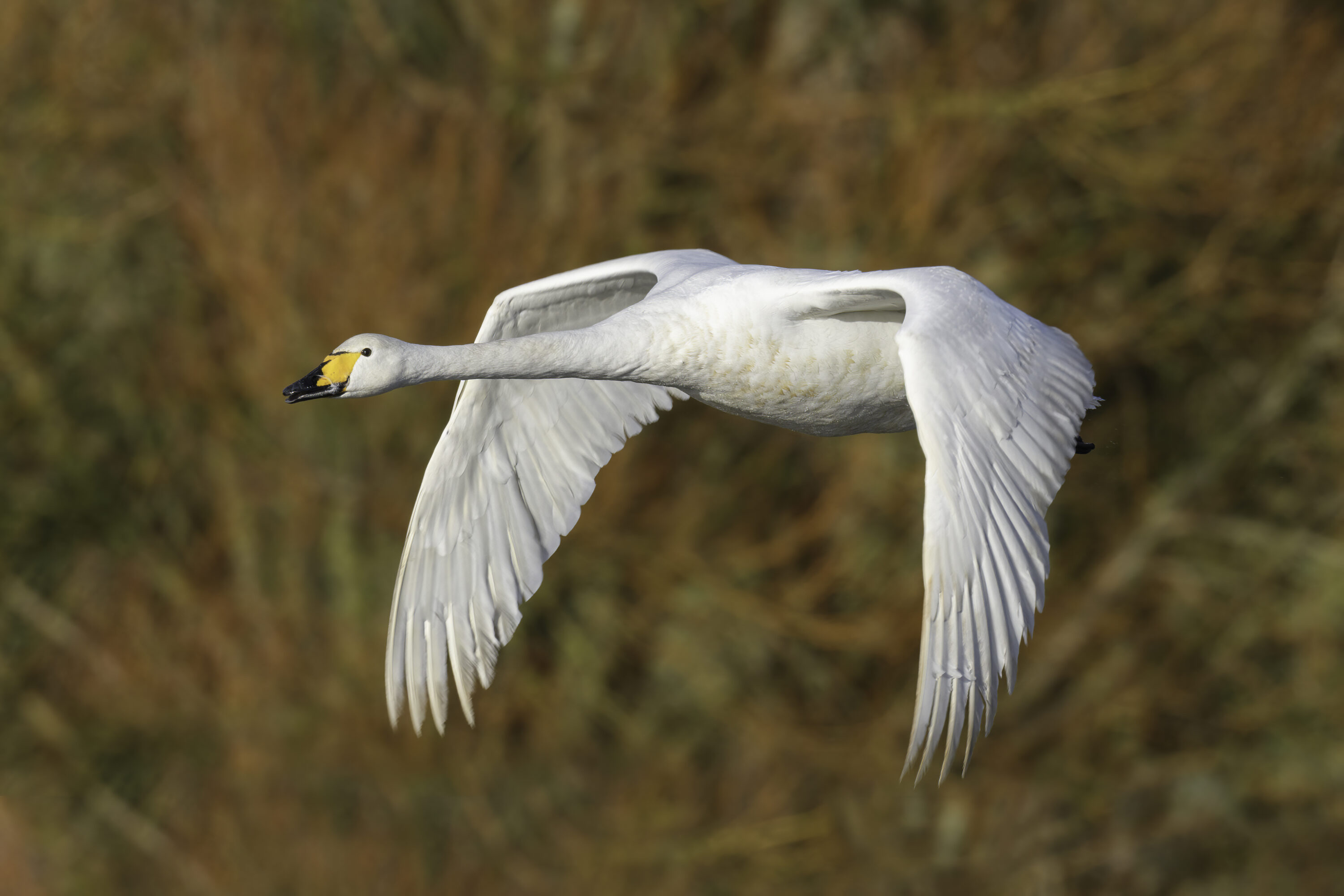
Gut Microbial Communities Differed Between Pre- and Post-migration Whooper Swan Samples in Xinjiang
Metagenomic sequencing of 24 whooper swan fecal samples from Xinjiang found similar overall microbial diversity before and after…
Read story →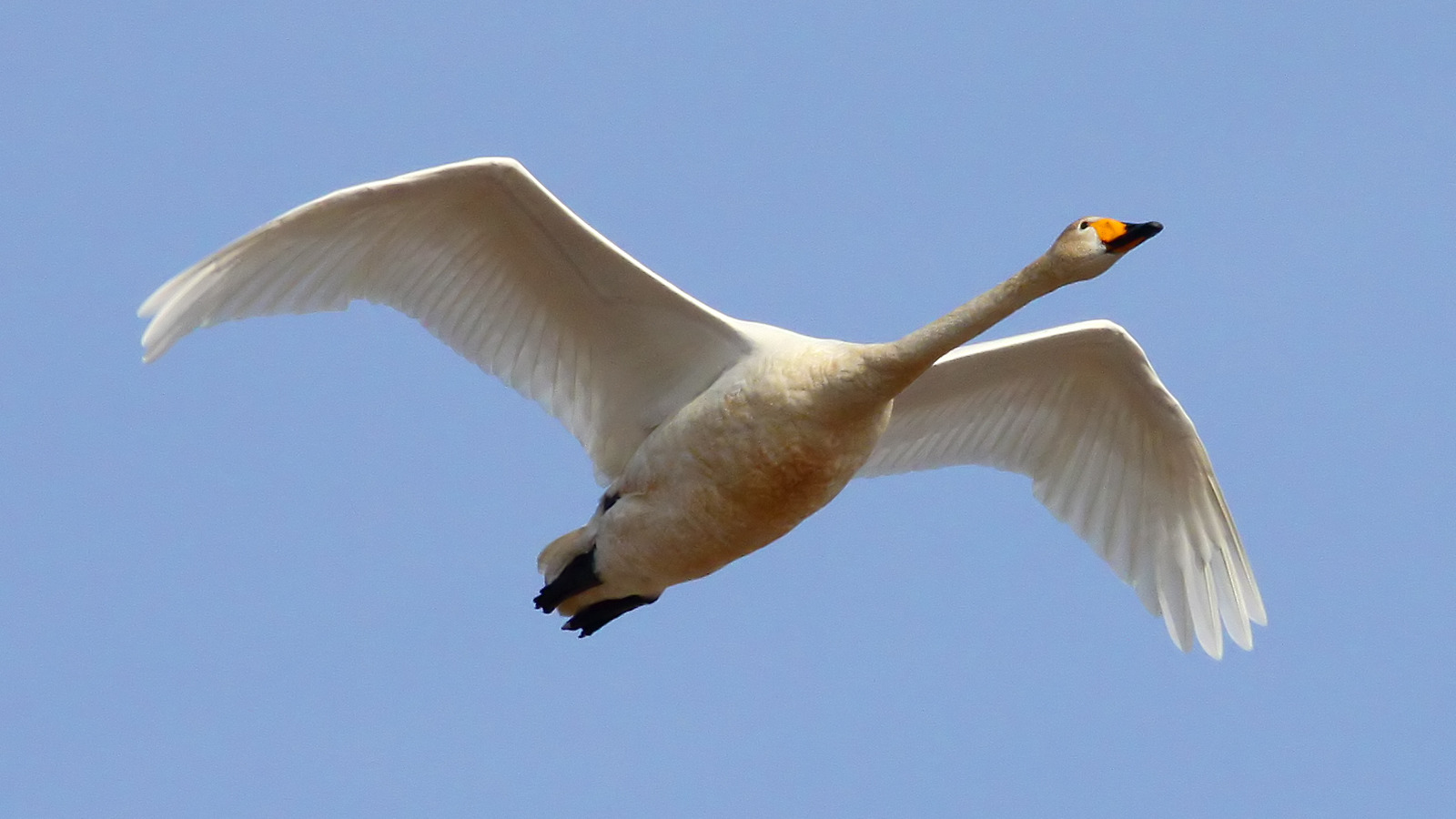
Eleven of 12 Tagged Whooper Swans Shared an Early Spring Migration Axis Before Routes Diverged
GNSS tracking of 12 whooper swans from South Korea’s Nakdong Estuary found that 11 initially used the same…
Read story →SPECIES IN THIS STORY
Species in this story
Independent research and conservation news archive
Did you find this information useful?
Wildlife Vagabond is independently built and maintained. Voluntary support helps cover source verification, hosting and continued work on research and conservation news.
Support Wildlife VagabondThe news archive will remain freely available.