
Authentic Ancient DNA Recovered From a ~50,000-Year-Old Mountain Reedbuck Tooth
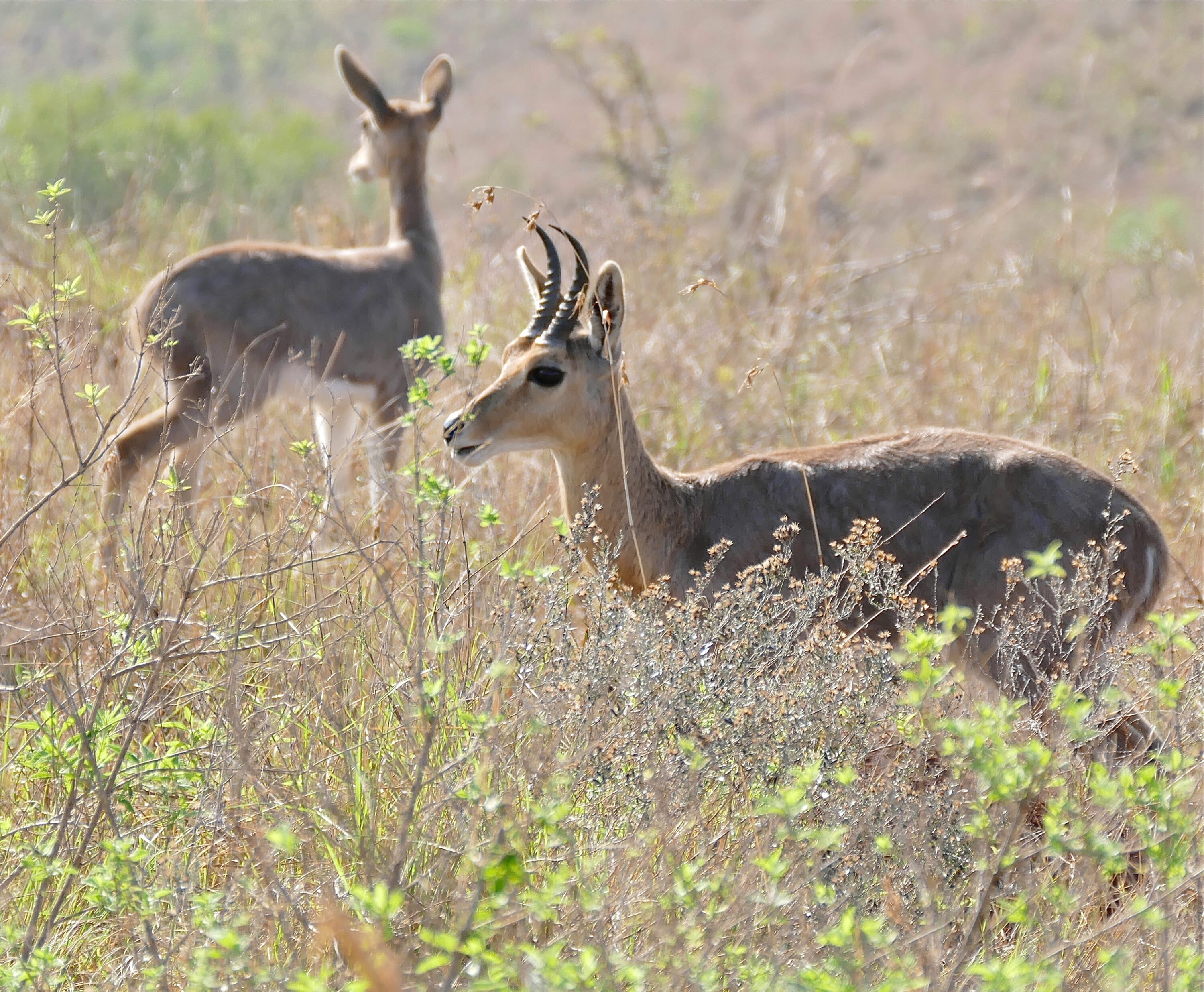
Authentic ancient DNA was recovered from a mountain reedbuck (Redunca fulvorufula) molar from Boomplaas Cave in South Africa that is stratigraphically estimated to be at least about 50,000 years old. The tooth produced the oldest DNA-bearing specimen in a broad study of biomolecular preservation in South African bovid fossils.
DNA older than the Holocene was rare, but not absent
Researchers screened 144 fossil specimens for DNA. Sixty-five yielded enough endogenous DNA for genetic identification, meaning DNA that came from the fossil animal itself rather than from microbes, people or other contamination. Of those 65 identifiable specimens, 61 were Holocene in age, younger than 11,700 years. Only four Late Pleistocene teeth, dating from roughly 12,000 to 50,000 years ago, retained authentic ancient DNA.
The oldest mountain reedbuck tooth contained only about 0.2% endogenous DNA. Its sequences were short and showed the characteristic damage pattern expected from genuinely ancient DNA. Human DNA contamination was also present, but reads matching humans were removed computationally before the fossil sequences were interpreted.
Genetic data corrected the original species identification
The partial molar had previously been identified from its morphology as southern reedbuck (Redunca arundinum). Genetic comparison instead identified it as mountain reedbuck. This illustrates a second use of ancient DNA beyond reconstructing genomes: even a small amount of authentic material can refine or correct species assignments when closely related fossils are difficult to distinguish by shape alone.
The age of the tooth was inferred from its archaeological layer at Boomplaas rather than measured directly by radiocarbon dating, so the authors treat the approximately 50,000-year estimate cautiously. The broader conclusion is stronger: authentic DNA can survive in southern African animal fossils for tens of thousands of years, although successful recovery becomes much less common beyond the Holocene.
Library preparation also mattered. Single-stranded DNA libraries recovered up to 6.7 times more endogenous DNA than double-stranded libraries and retained greater sequence complexity. Ancient DNA is often highly fragmented, and the single-stranded method is better able to capture these very short damaged molecules. The result therefore improves the prospects for palaeogenetic work on warm-region fossil collections where usable DNA may be present only in small amounts.
Molecular biology & biochemistry
Related news
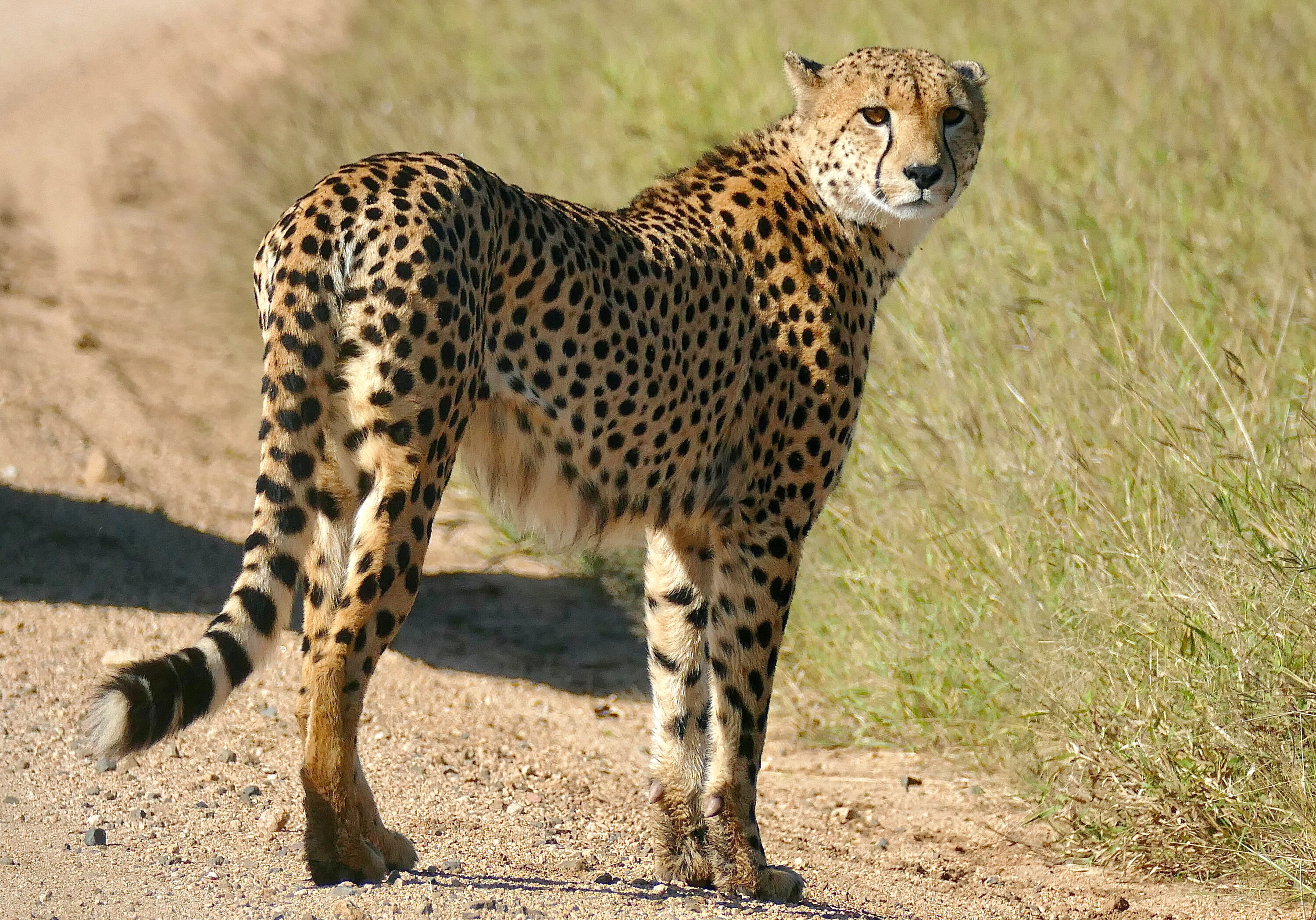
DNA Methylation Shifted as Namibian Male Cheetahs Became Territorial
Paired blood samples from ten free-ranging Namibian males revealed widespread, predominantly increased DNA methylation after the same cheetahs…
Read story →
Svalbard Ptarmigan and Golden Hamsters Shared a TSH Pathway for Seasonal Timing
A comparison of neuroendocrine tissue in summer- and winter-like states found the same core TSH seasonal-timing pathway in…
Read story →
Larger Broods and Older Social Fathers Were Linked to Shorter Telomeres in Male Barn Swallow Nestlings
A long-term study near Milan found shorter telomeres in male barn swallow nestlings from larger broods or with…
Read story →SPECIES IN THIS STORY
Species in this story

Independent research and conservation news archive
Did you find this information useful?
Wildlife Vagabond is independently built and maintained. Voluntary support helps cover source verification, hosting and continued work on research and conservation news.
Support Wildlife VagabondThe news archive will remain freely available.