
5,236 Calls Revealed 12 Call Types in Breeding Adult Kentish Plovers
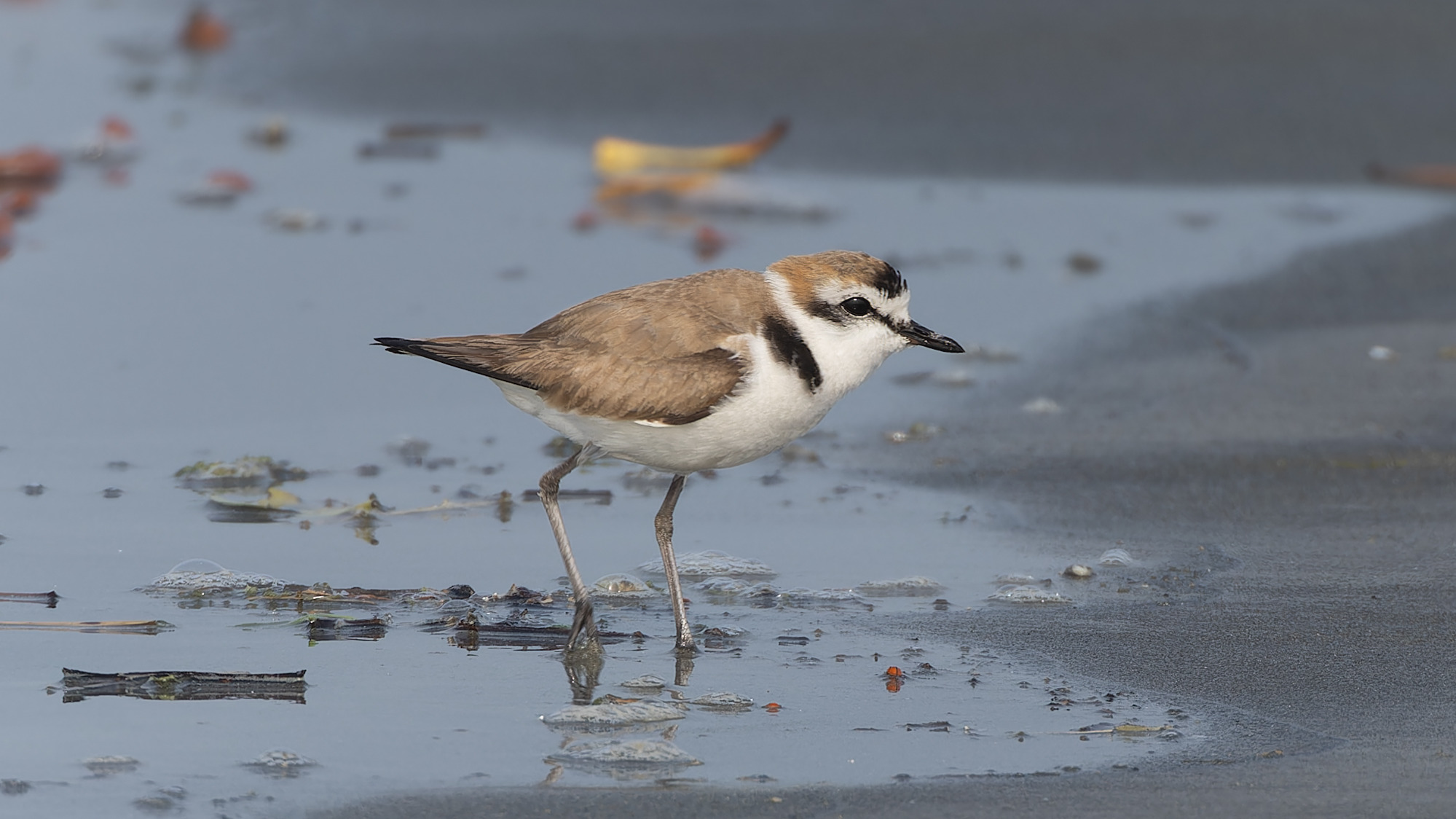
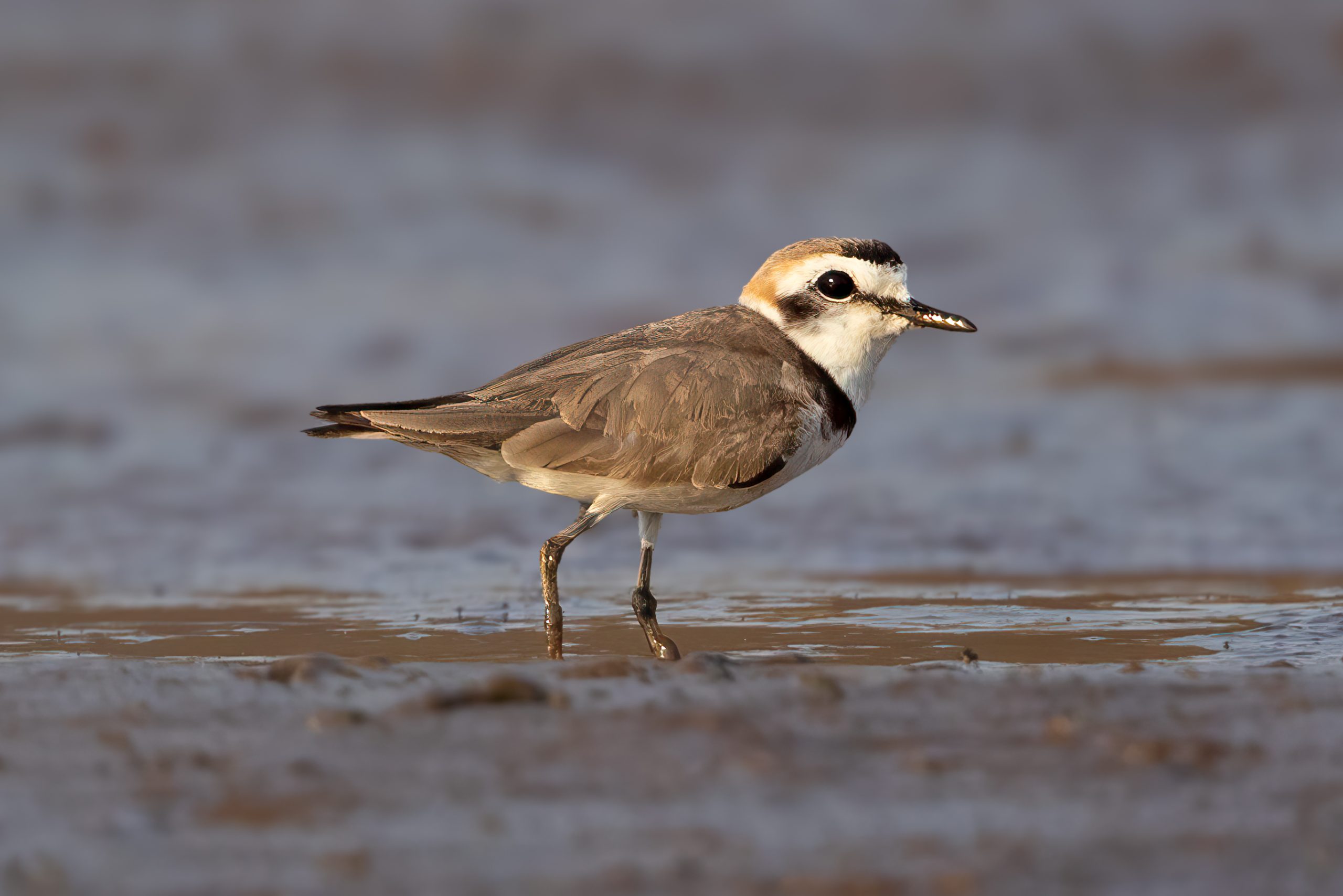
Adult Kentish plovers (Anarhynchus alexandrinus) used a diverse vocal repertoire during breeding on the west coast of South Korea, according to a study published online in February 2026. Researchers analysed 5,236 recorded calls from one breeding season and classified them using both their acoustic structure and the behaviour occurring when the birds called.
Twelve call types covered several breeding contexts
The analysis identified 12 call types used across several broad contexts: affiliative communication such as pair contact, nest relief and calls between parents and chicks; aggression and territorial encounters; vigilance and alarm; advertising; distraction displays; and escape flight.
Spectrograms — visual representations of how sound frequency changes through time — allowed the researchers to quantify differences in features such as call duration and frequency structure. Behavioural observations then showed how those acoustic types were used across different contexts, clarifying that individual call types could serve more than one behavioural context.
The study provides a more comprehensive description of the repertoire and its behavioural contexts than earlier descriptive work. The authors therefore describe adult Kentish plover vocalisations as a context-dependent communication system spanning several parts of the breeding cycle, rather than a small set of calls with one fixed function each. The study provides a standardized reference for future comparisons of vocal communication in Anarhynchus plovers.
Behaviour
Related news
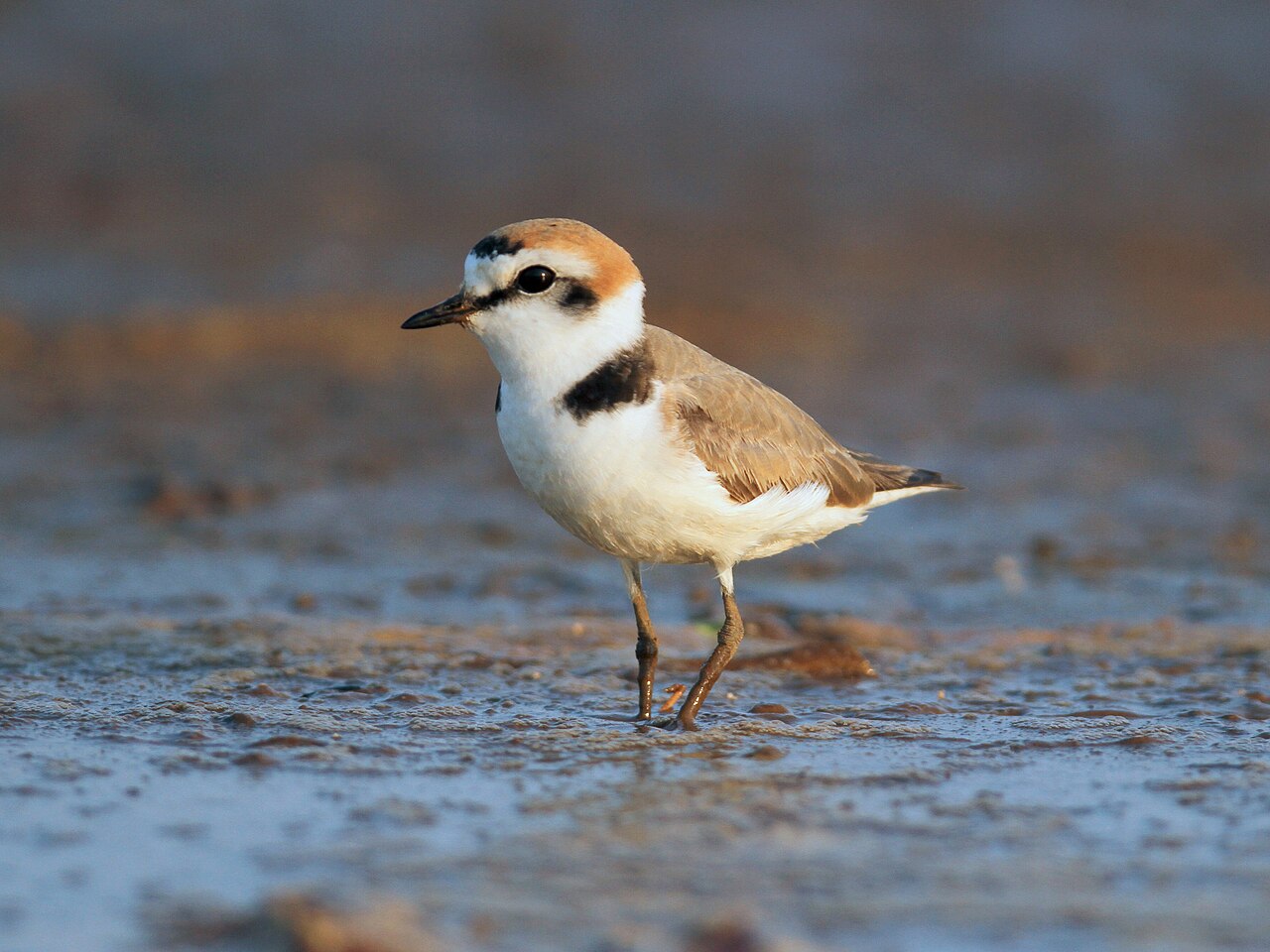
Kentish Plovers Chose More Open Nests as the Season Progressed
On Tunisia’s coast, Kentish Plovers nested increasingly in the open as the season progressed, despite expectations that they…
Read story →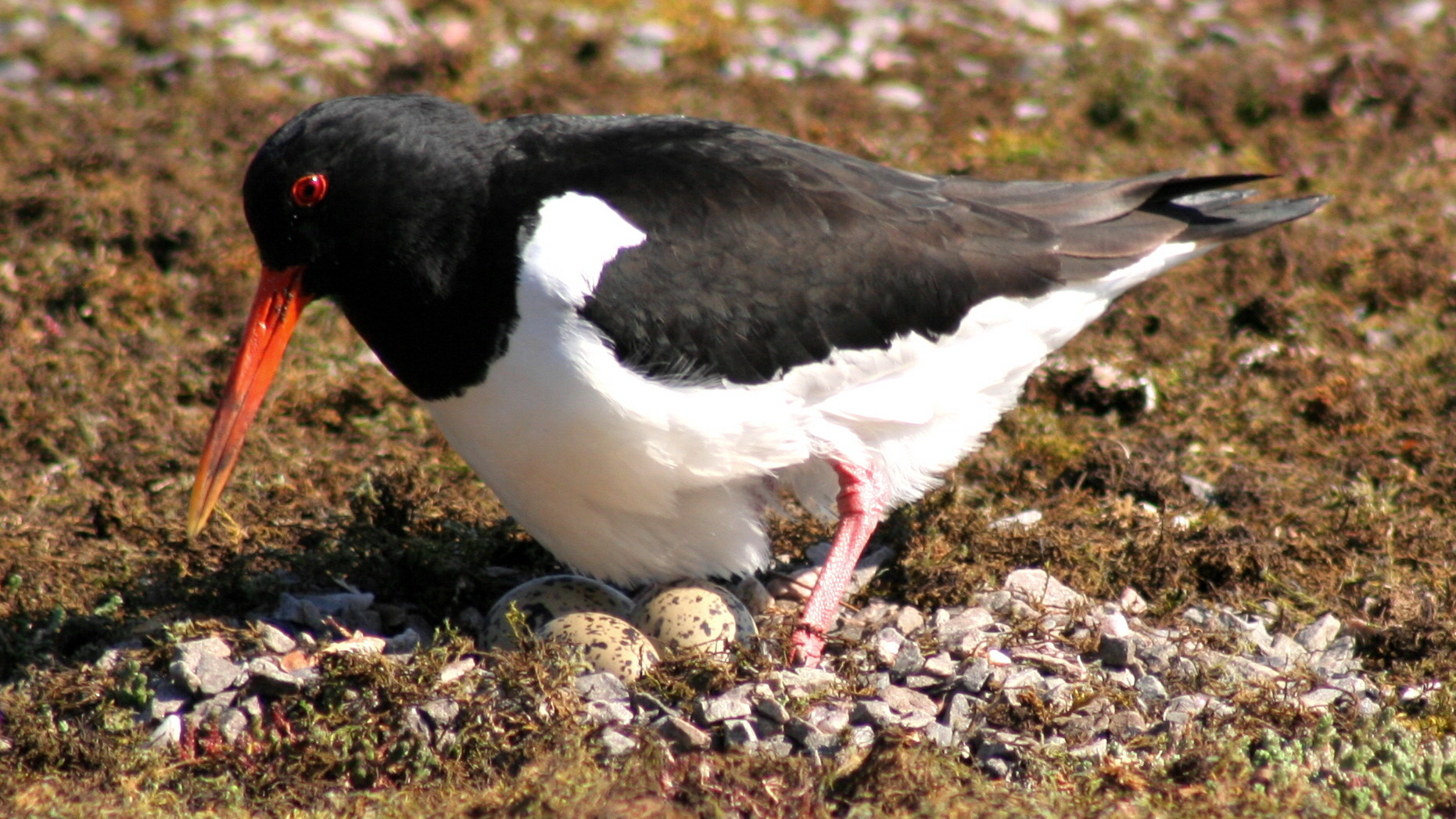
First Eurasian Oystercatcher Nest in Lazio Used an Active Kentish Plover Nest
Italy's first documented Eurasian oystercatcher nesting attempt in Lazio used an active Kentish plover nest and became the…
Read story →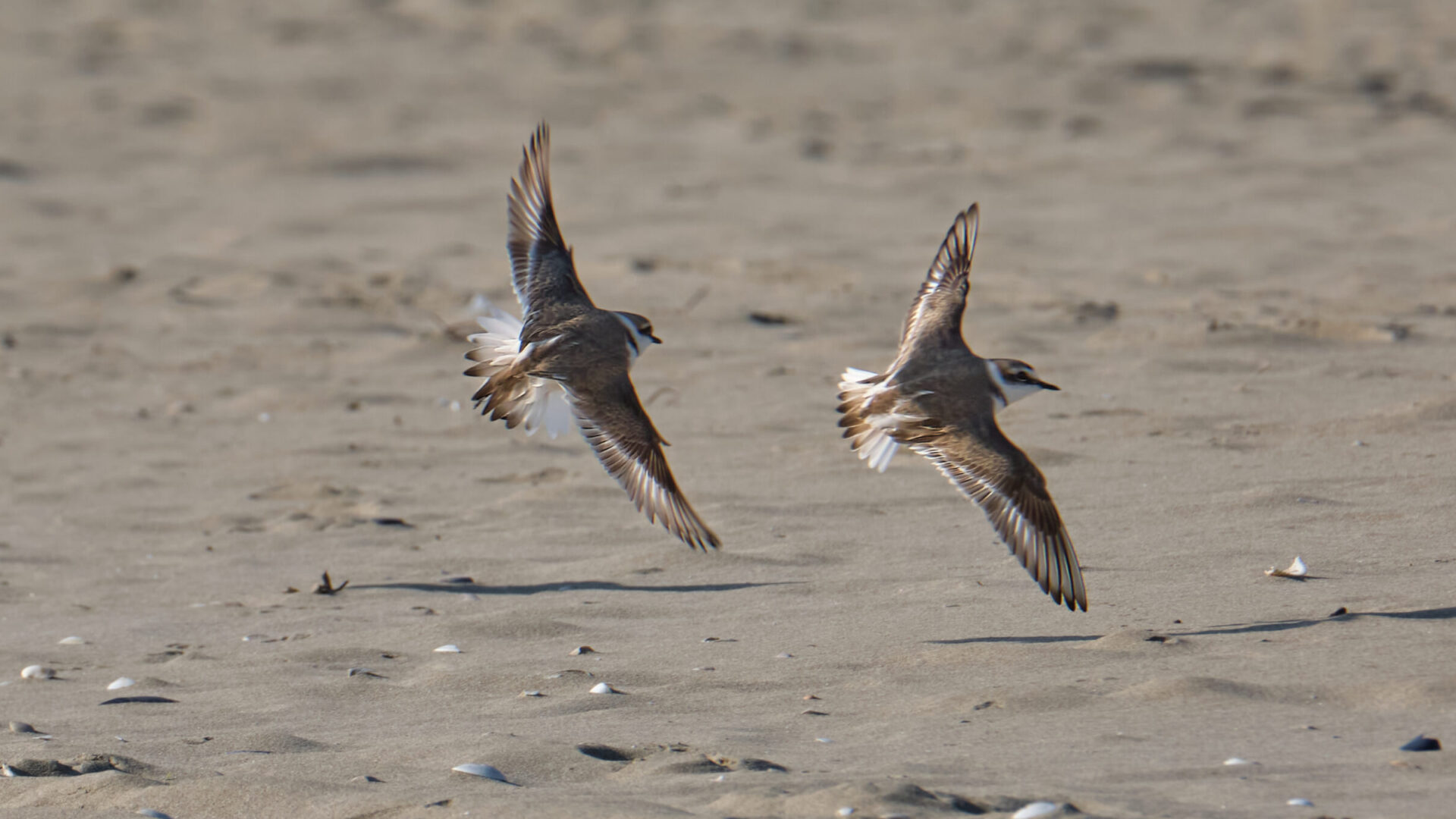
Experts Grouped 34 Stakeholders Into Six Kentish Plover Conservation Roles
A 2026 study at Torre Flavia in central Italy used assessments from 13 experts to group 34 stakeholders…
Read story →SPECIES IN THIS STORY
Species in this story
Independent research and conservation news archive
Did you find this information useful?
Wildlife Vagabond is independently built and maintained. Voluntary support helps cover source verification, hosting and continued work on research and conservation news.
Support Wildlife VagabondThe news archive will remain freely available.