
69 of 107 Domestic Pigeons in Urban El Kharga Carried Cestodes
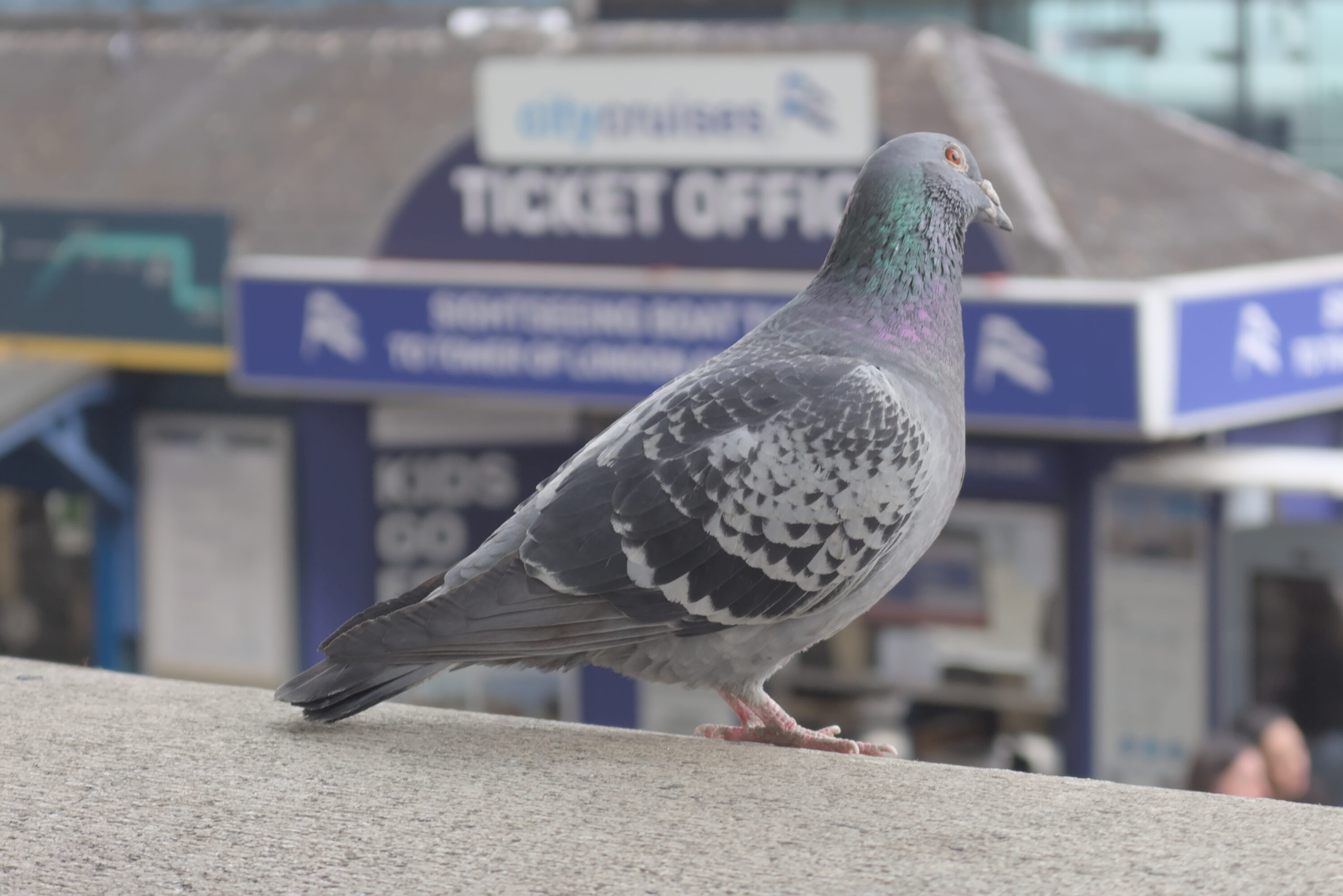
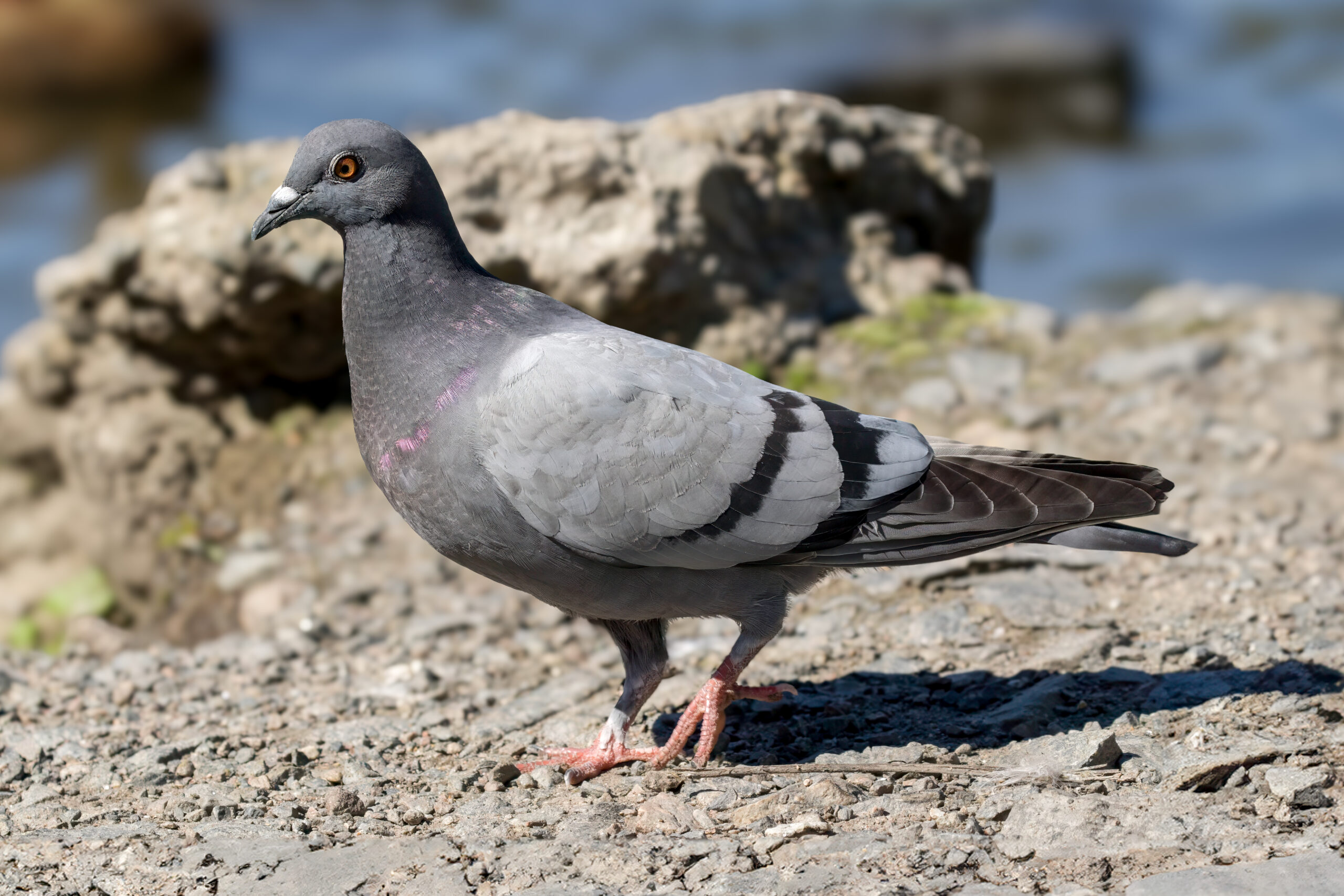
The first parasitological survey of pigeons in Egypt’s New Valley found cestode infections in 69 of 107 examined birds. The sampled birds were domestic pigeons (Columba livia domestica) obtained from local markets and household lofts in the urban area of El Kharga. The study also screened their blood for the protozoan parasite Haemoproteus columbae.
Cestodes are tapeworms, parasitic worms that typically live as adults in the intestine. The study also screened for H. columbae, a blood parasite, so it assessed two different parts of the parasite community in the same pigeon population.
The study was published online on 10 March 2026. The birds, 77 males and 30 females, had been examined between May 2023 and July 2024.
Five cestode types were recorded
Overall, 69 of 107 pigeons (64.5%) carried cestodes. This included 53 of 77 males and 16 of 30 females. Five cestode types were identified in the intestinal material: Raillietina tetragona, Raillietina echinobothrida, Cotugnia digonopora and two distinct Raillietina forms.
Two heavily infected males carried worms exceeding 19 cm in length. The two newly identified Raillietina forms differed clearly at the front end of the worm. Raillietina sp. 1 had a U-shaped scolex—the attachment organ—with two rows of rose-shaped hooks, whereas Raillietina sp. 2 had a simpler round-to-conical scolex and no distinct neck. The author notes that genetic or phylogenetic work is needed to clarify their taxonomy.
A blood parasite was also present
Haemoproteus columbae was found in nine birds—six males and three females. The parasite lives in red blood cells and is transmitted by hippoboscid flies. Histological sections showed rupture of endothelial linings in the lungs associated with merozoite invasion, while liver tissue showed congestion and irregular schizonts, a tissue stage in which the parasite multiplies. The author interprets these changes as evidence of substantial tissue damage associated with infection.
Disease, parasites & microbiology
Related news
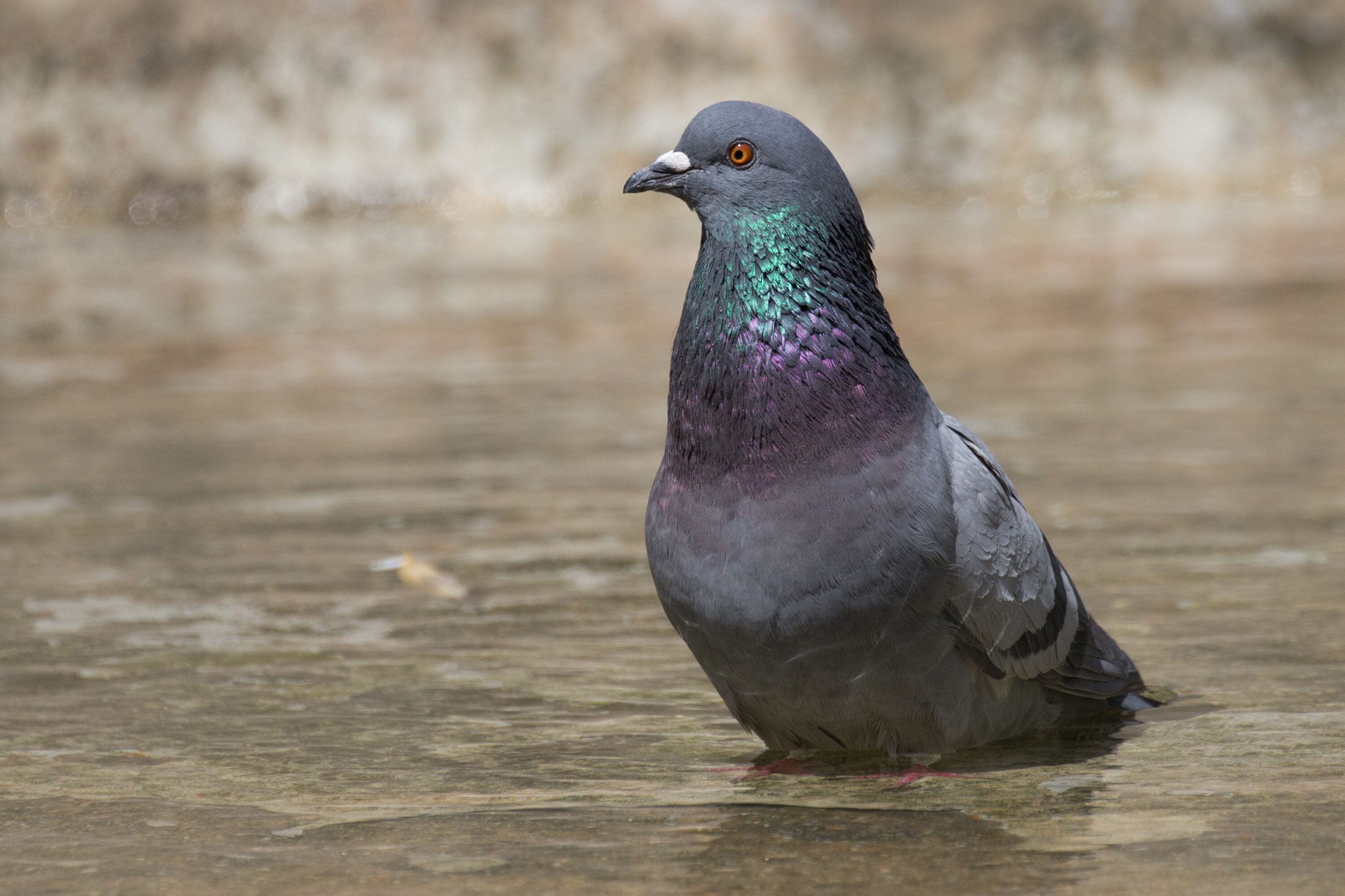
Rock Doves Preferred Predictive Information Despite a Lower Food Payoff
Seven rock doves preferred an informative option that paid on 20% of trials over a non-informative option that…
Read story →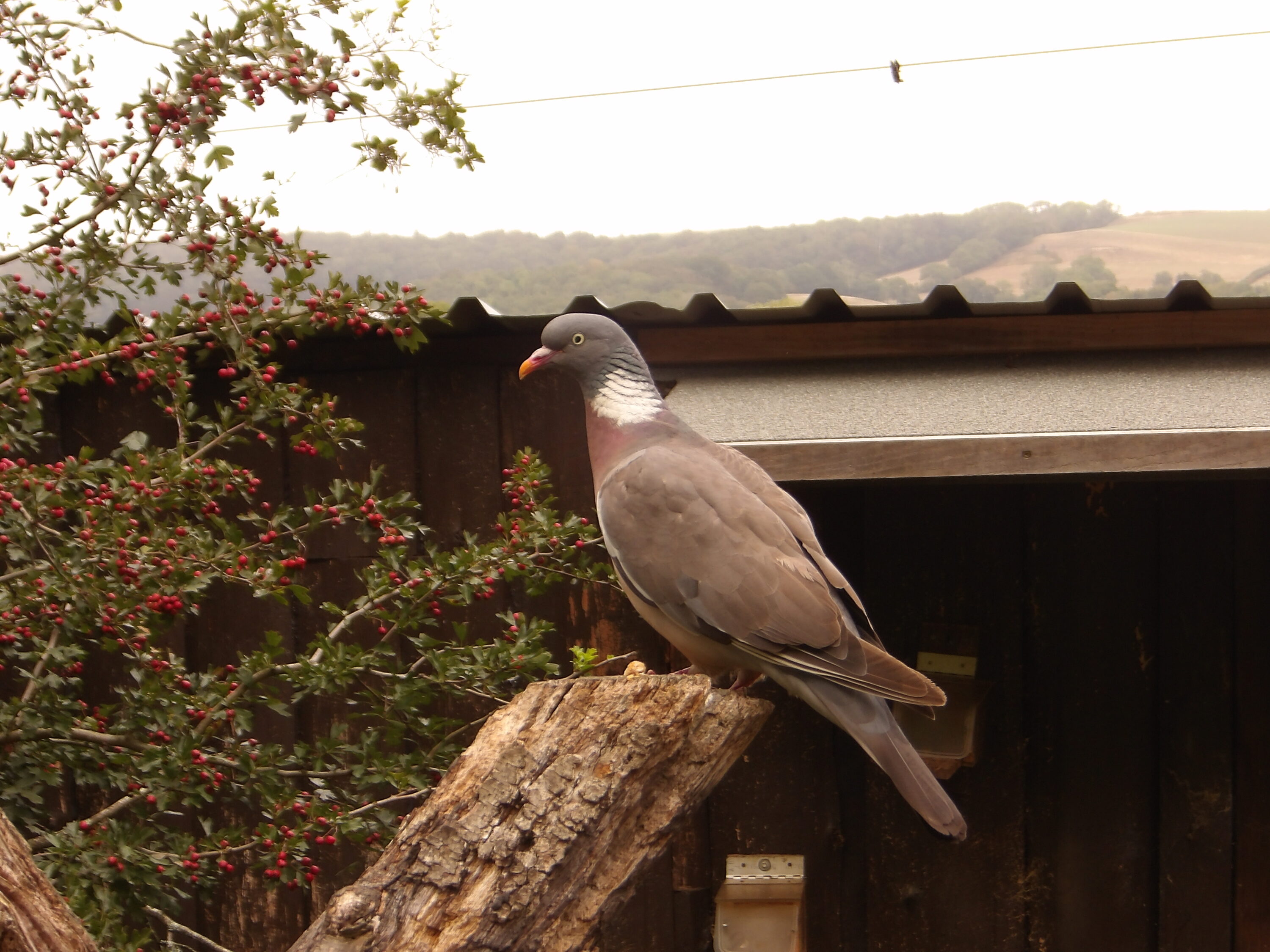
Rotavirus A Antibodies Were Common in Feral Pigeon Samples but Rare in Wood-Pigeon Samples in Germany
A German study detected rotavirus A-reactive antibodies in 79.2% of free-ranging feral pigeons and 77.0% of domestic pigeons,…
Read story →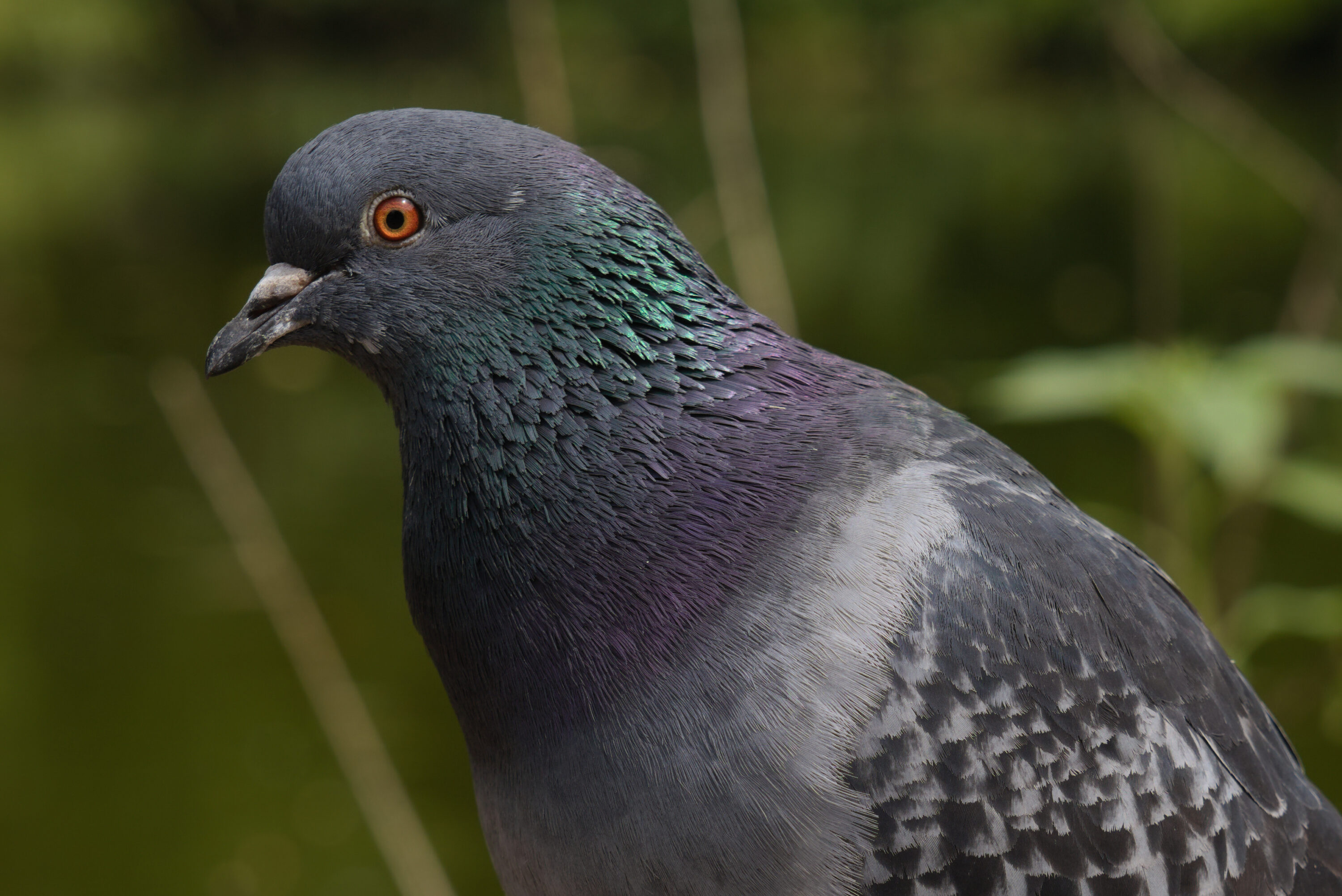
New Shiqi Pigeon Genome Placed 97.8% of Its Sequence on 41 Chromosomes
A chromosome-level genome from a female Shiqi pigeon in Zhongshan, China spans about 1.24 billion DNA bases, places…
Read story →SPECIES IN THIS STORY
Species in this story
Independent research and conservation news archive
Did you find this information useful?
Wildlife Vagabond is independently built and maintained. Voluntary support helps cover source verification, hosting and continued work on research and conservation news.
Support Wildlife VagabondThe news archive will remain freely available.