
Acorn Woodpecker Groups Were Smaller in More Urban Territories
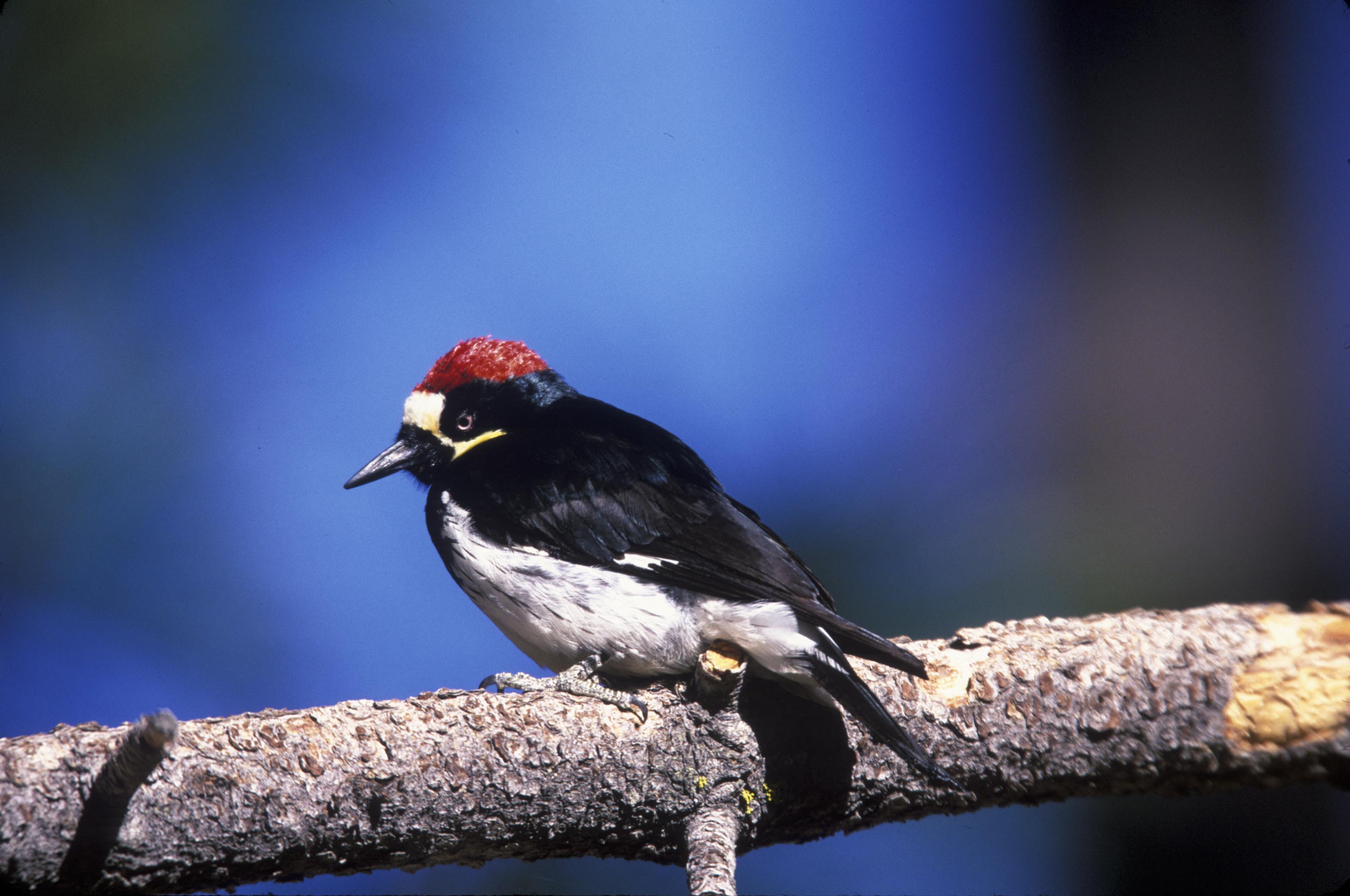
A four-year study of acorn woodpeckers along an urban gradient along California’s central coast in the USA found clear differences in both food-storage structures and social organization. More urban territories had fewer nearby mature oaks, used palms and utility poles more often for granaries, and supported smaller groups. The number of fledglings, however, did not decline directly with urbanization.
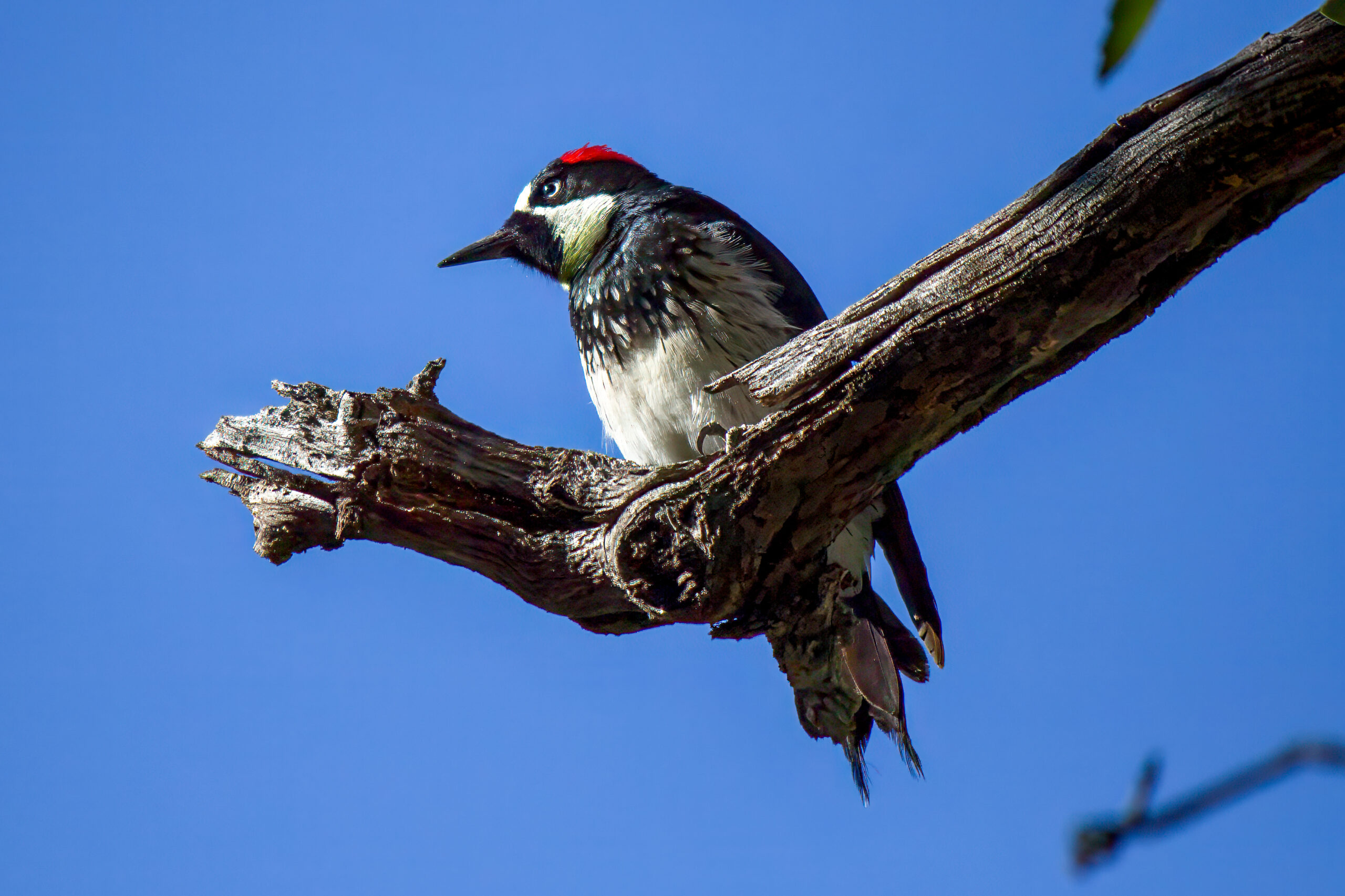
The acorn woodpecker (Melanerpes formicivorus) is a facultative cooperative breeder: some territories hold a single breeding pair, while others include additional breeders and non-breeding helpers. The study focused on the subspecies Melanerpes formicivorus bairdi. Group members also maintain communal granaries, repeatedly drilling holes in trees or human-made structures and storing acorns and other foods in them.
Fewer Oaks and Different Granaries
Researchers monitored 107 active territories in Santa Barbara, Goleta and Montecito from 2021 to 2024. Historically, the area was dominated by chaparral, oak woodland and sycamore-lined riparian habitat. Coast live oak (Quercus agrifolia) dominates the historical oak woodlands, while western sycamore (Platanus racemosa) is prominent along waterways and in neighbourhoods.
Urbanization was represented by a combined score based on artificial night light and the proportion of impervious surfaces such as asphalt and concrete. Around the primary granary in each territory, the researchers counted mature coast live oaks within 150 metres and measured the distance to the nearest one.
Oak abundance declined as urbanization increased, and the nearest mature oak was generally farther away at more urban sites. Granary use changed along the same gradient: oaks and sycamores were associated with less urbanized territories, ornamental trees with intermediate sites, and palms and utility poles with the most urbanized sites. Palms were the most commonly used granary type in the population even though they are introduced in the study area.
Utility Poles and Smaller Groups
Across all annual site observations, the researchers recorded pair-breeding groups 52 times and cooperative groups 238 times. Pair breeding became more prevalent as urbanization increased. Group size was estimated as the maximum number of adults seen together within any five-minute interval during the standardised observation periods. It ranged from two to seven adults, with a mean of 3.74, and showed a clear decline with increasing urbanization.
Granary type was most strongly related to group size. Territories with granaries in oaks or sycamores had the largest groups, while those using utility poles had the smallest. Groups using palms were also clearly larger than those using utility poles, despite palms and utility poles occurring at similarly high levels of urbanization. The authors therefore argue that the type and quality of storage structure are an important part of the social pattern.
They suggest that storage capacity may help explain the difference. Acorn woodpeckers add storage holes gradually, and the amount of excavatable surface and the age of a granary affect how much food can be stored. The authors propose that the smaller surface area and frequent replacement of utility poles may limit the development of large acorn stores. The study did not directly measure storage capacity, so this remains a proposed explanation rather than a demonstrated mechanism.
Fledgling Numbers Tracked Group Size
Researchers detected between zero and three fledglings per territory, with a mean of 0.64. Larger groups had more fledglings, but fledgling numbers did not vary directly with urbanization. When group size was taken into account, the analysis did not support clear pairwise differences in fledgling numbers among granary types. Fledgling numbers were therefore most strongly associated with group size rather than urbanization itself.
The field design places limits on how that result should be read. Sites were watched during at least three 30-minute periods at two-week intervals from May to mid-July, and the birds were not captured and banded. Nestlings or fledglings still inside cavities could also have been missed. The study therefore estimated spring productivity rather than total annual productivity; spring nests made up about 84% of nesting attempts in populations examined in earlier work.
The study separates two patterns that can easily be conflated. Palms and utility poles appeared to help acorn woodpeckers persist where historical woodland cover had been reduced, but utility-pole granaries were associated with smaller groups. The authors conclude that changes in habitat and resource use contribute to the lower group size and greater prevalence of pair breeding in the most urbanized areas, while spring fledgling numbers were more closely tied to group size than to urbanization itself.
Ecology
Related news
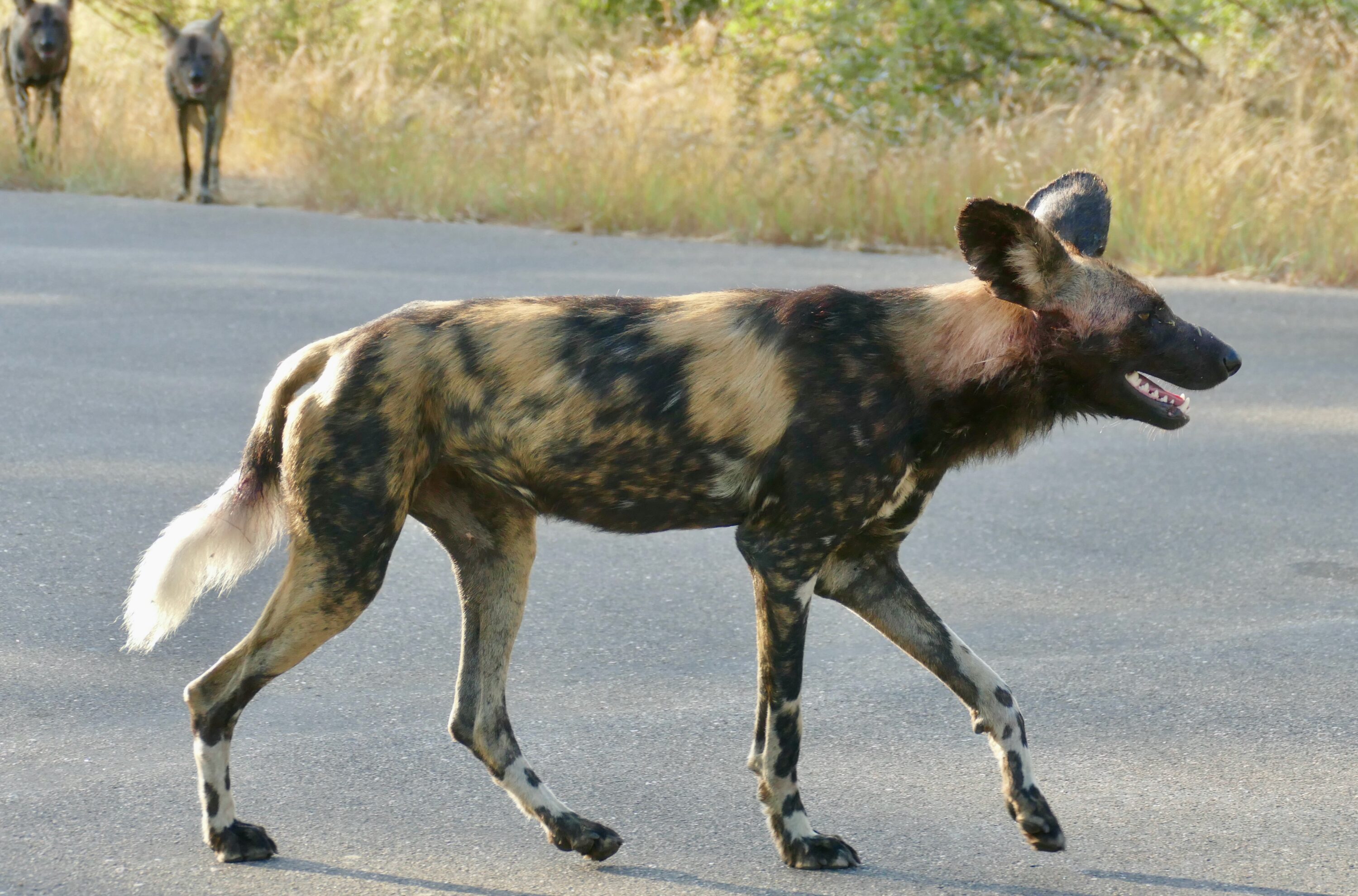
Gut Microbiomes Across Nine Kruger Mammals Clustered More Strongly by Dietary Group Than Species
A study of 89 quality-filtered faecal samples from nine wild mammals in Kruger National Park found that carnivores,…
Read story →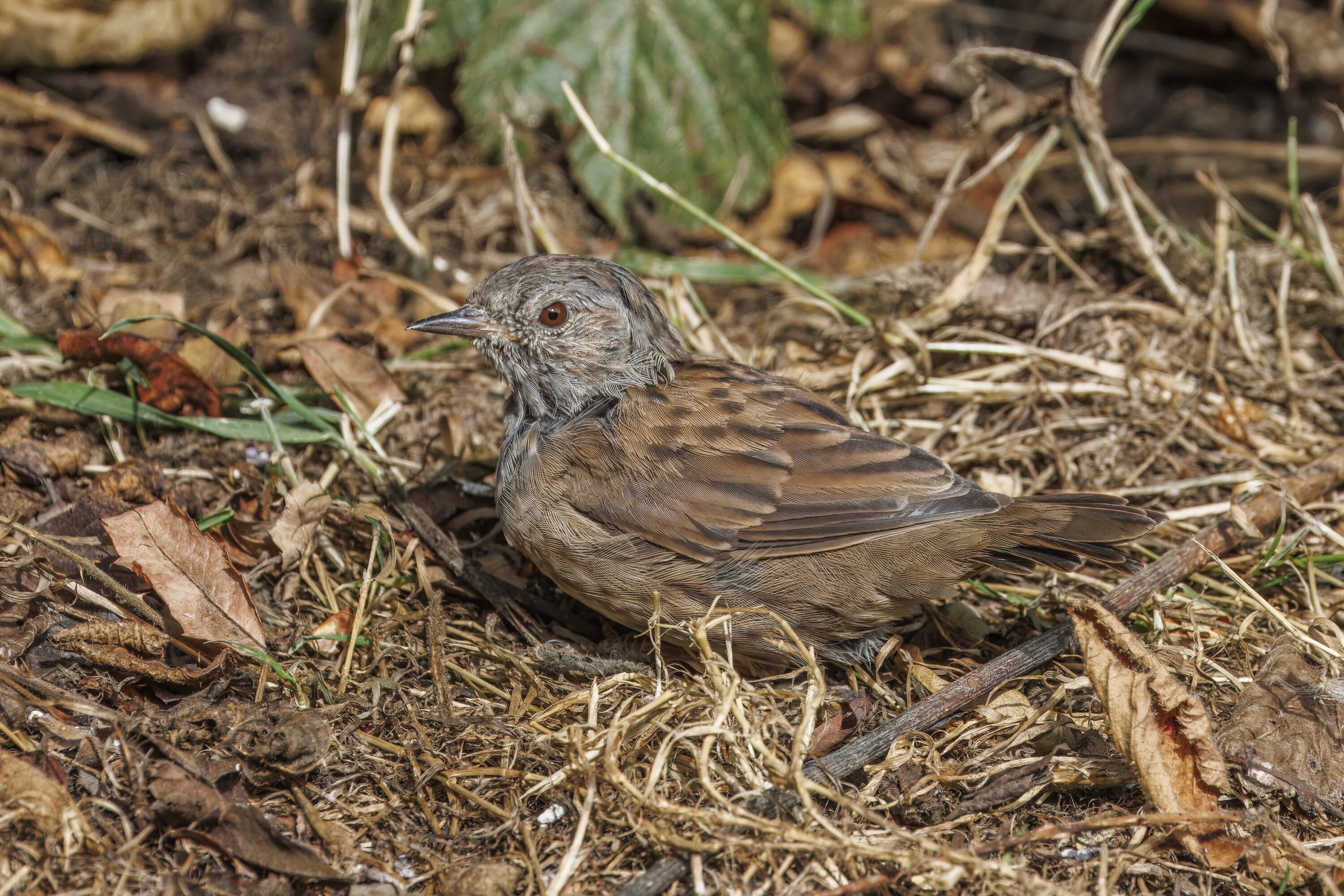
Dunnock Spring Passage Advanced by Up to 8.3 Days Over 61 Years at Hel
Standardised ringing data from northern Poland showed that the first, median and last phases of dunnock spring passage…
Read story →
Inland Mute Swans Had Higher Winter Body Condition Despite Harsher Winters and Supplemental Feeding
A study of 853 mute swans from four Polish wintering regions found higher body condition inland than on…
Read story →SPECIES IN THIS STORY
Species in this story
Independent research and conservation news archive
Did you find this information useful?
Wildlife Vagabond is independently built and maintained. Voluntary support helps cover source verification, hosting and continued work on research and conservation news.
Support Wildlife VagabondThe news archive will remain freely available.