
Internal Fence Removal Expanded Elephant Space Use and Was Followed by Lower Stress Biomarkers
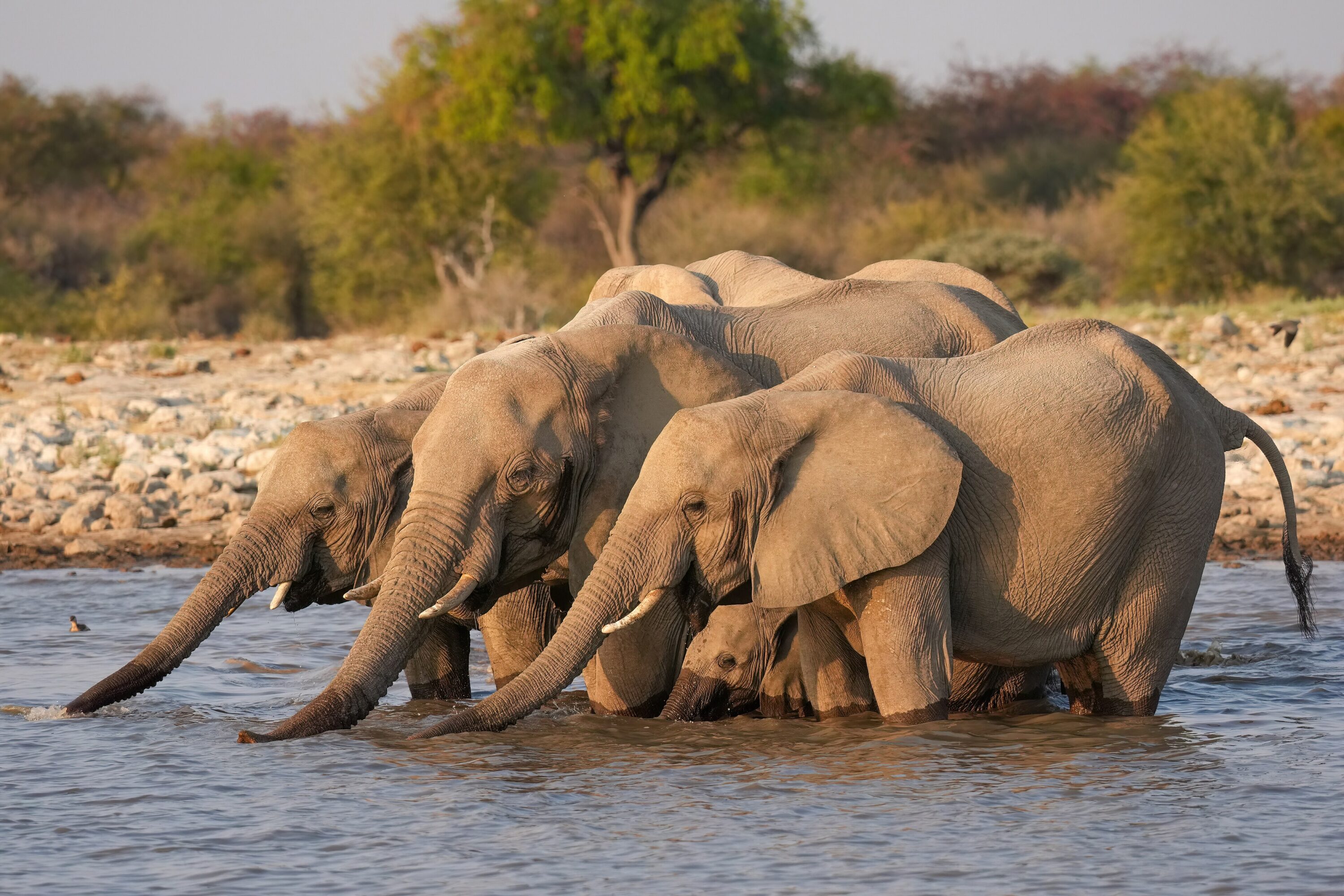
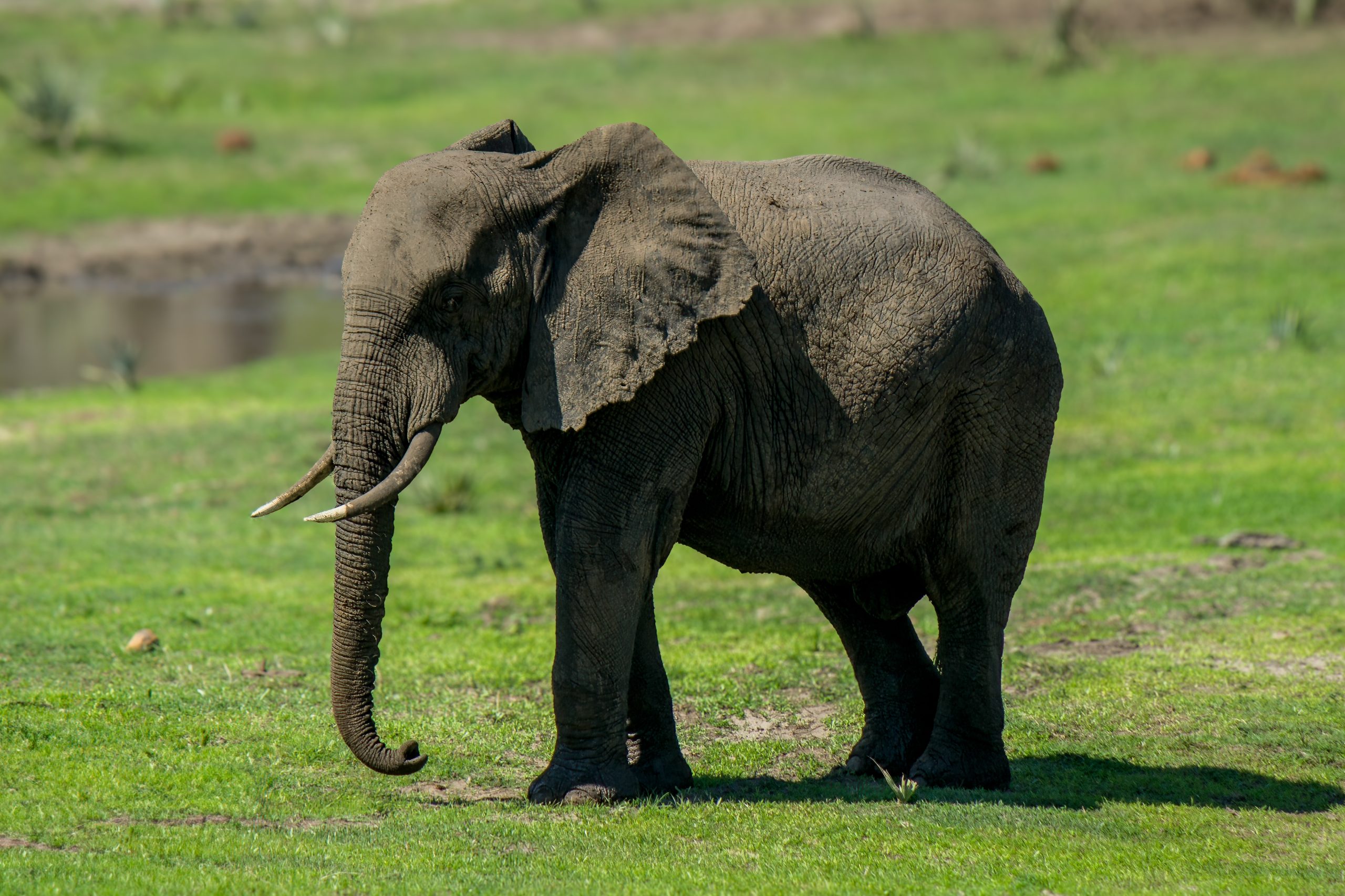
Removing internal fences in Kariega Game Reserve in South Africa gave resident African savanna elephants (Loxodonta africana) access to a larger continuous landscape and was followed by broader movement, more overlap between family groups and lower concentrations of a physiological stress-related biomarker. The study compared movement, behaviour, faecal hormones and vegetation before and after two internal barriers were removed.
At the start of the study, about 75 elephants in five matriarchal herds were divided between fenced sections of the reserve. A first fence removal in September 2022 enlarged one section, while the main barrier removed in December 2023–January 2024 allowed previously separated groups to use a shared area of about 81.9 km².
Home ranges expanded and previously separated herds overlapped more
GPS collars recorded positions every 30 minutes. The movement analyses ultimately relied mainly on three collared matriarchs, because collars on the three adult bulls had to be removed after technical problems. Across the collared elephants, annual space use increased by about 30% at the median after fence removal.
Elephants from the formerly more crowded western section expanded particularly strongly into newly accessible areas. Proximity events between matriarchal herds also increased after the barrier disappeared, including between groups that had previously lived on opposite sides of the fence. This shows that the animals did not simply gain theoretical access to more land; they actually incorporated previously unavailable space into their movements.
Exploration initially brought more aggression and vigilance
The researchers collected 607 fourteen-minute focal observations of elephant behaviour between 2022 and 2025. Immediately after the main fence removal, active aggression, vigilance and disturbance-related behaviour increased as the elephants explored new areas and encountered new social situations.
The responses then developed in different directions. Active and passive aggression declined over the following 300 days, whereas vigilance continued to rise. Affiliative behaviour — friendly social interactions such as contact and association — also increased. Elephants spent more observed time moving and less time feeding and drinking, consistent with an exploratory phase after gaining access to new space.
Faecal hormone metabolites were lower after fence removal
The physiological analysis used 164 dung samples. Researchers measured faecal glucocorticoid metabolites, breakdown products of hormones released through the adrenal stress-response system. In elephants, these faecal metabolites reflect adrenocortical activity roughly 24–48 hours before dung is deposited rather than an immediate response to a single event.
Overall concentrations were lower after fence removal, and the difference remained statistically supported after the analysis accounted for sex, age and environmental conditions. The change was clearer in males than females. Lower values are consistent with reduced physiological strain, but they do not directly reveal an animal’s emotional state, and the before–after design cannot prove that fence removal alone caused the hormonal change.
Satellite vegetation data did not show extra loss in elephant areas
To examine vegetation, the researchers used the Normalised Difference Vegetation Index (NDVI) from satellite images. NDVI measures vegetation greenness and density from reflected light; it is useful for tracking broad vegetation change but does not directly measure how much elephants browse or which plant species they eat.
Elephant movements became less concentrated after fence removal, so their potential browsing was spread across more of the reserve. However, the satellite analysis found broadly similar vegetation changes in elephant-used and elephant-free control sections. Vegetation declined across much of the reserve in 2024, and rainfall was also lower, indicating that the change was not confined to newly accessible elephant areas.
The study therefore found no evidence in the NDVI data that greater elephant access caused disproportionate vegetation loss during the short post-removal period. Longer monitoring is needed because rainfall differed between years and the vegetation response may take several years to stabilise.
A promising result from one reserve
The authors interpret the combined movement, behavioural and physiological changes as evidence that reducing internal spatial constraints can support more flexible elephant movement and social functioning. The study nevertheless followed one private reserve, sampling effort varied between years, and the post-removal period was still relatively short.
The results therefore support internal fence removal as a possible management tool in suitable fenced reserves, rather than showing that removing fences will produce the same outcome in every elephant population.
Management
Related news
Lapwing and Oystercatcher Nesting Shifted in Opposite Directions With Latitude
Fifty years of UK nest records showed that northern lapwings nested later towards the north while Eurasian oystercatchers…
Read story →
No Red Kite Deaths Were Recorded at a Retrofitted 48-Pylon Power Line Used by Reintroduced Birds
Twenty-one reintroduced red kites generated 802 GPS fixes around a 48-pylon power line retrofitted against electrocution in Jaén,…
Read story →
Researchers Recommend More Intensive Wild Boar Culling for Barcelona ASFV Variant
Barcelona’s dense peri-urban wild-boar population and an ASFV variant associated with apparently slower mortality led researchers to recommend…
Read story →SPECIES IN THIS STORY
Species in this story
Independent research and conservation news archive
Did you find this information useful?
Wildlife Vagabond is independently built and maintained. Voluntary support helps cover source verification, hosting and continued work on research and conservation news.
Support Wildlife VagabondThe news archive will remain freely available.