
Immature African Woolly-necked Storks Used About Twelve Times More Space Than Adults
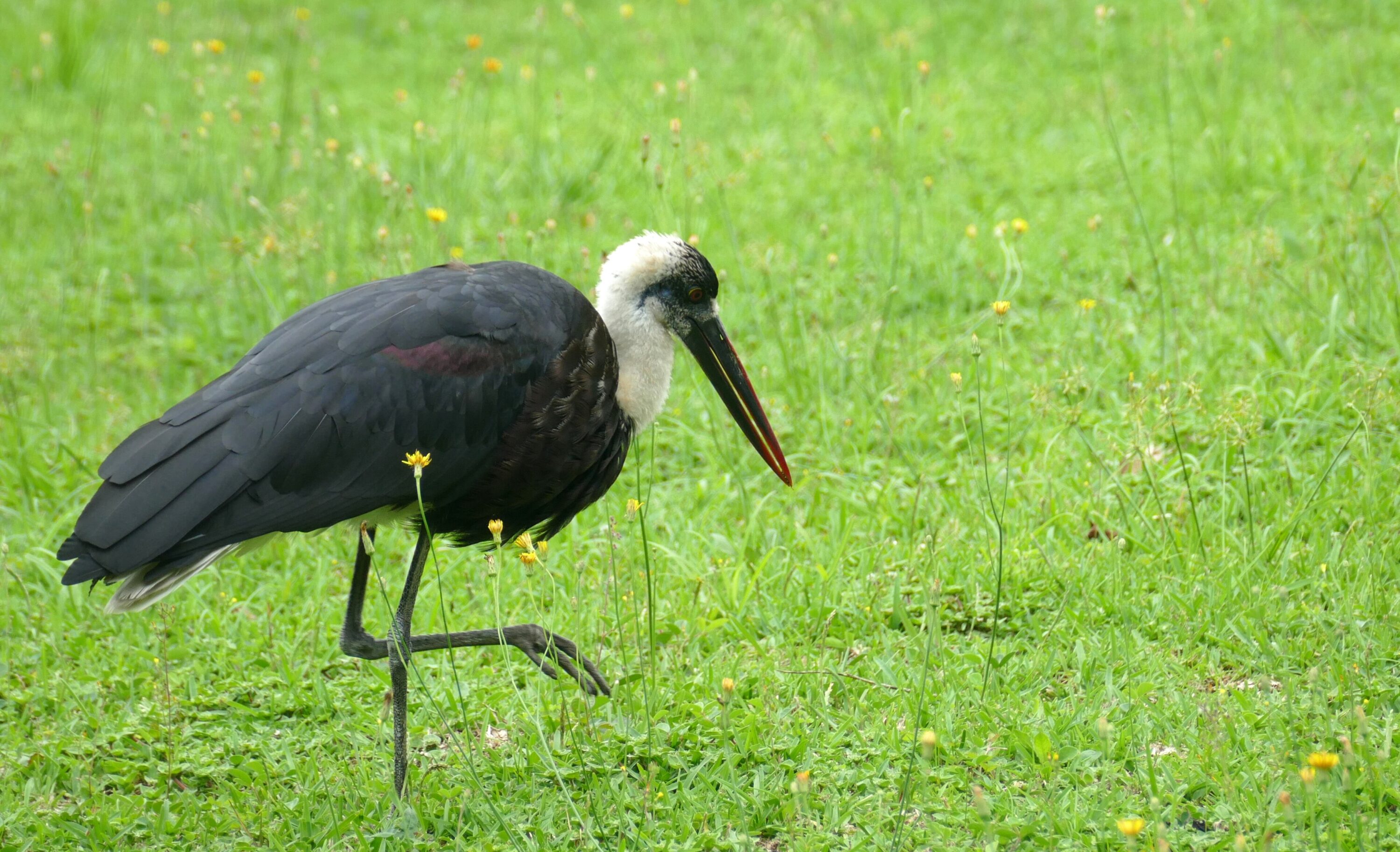
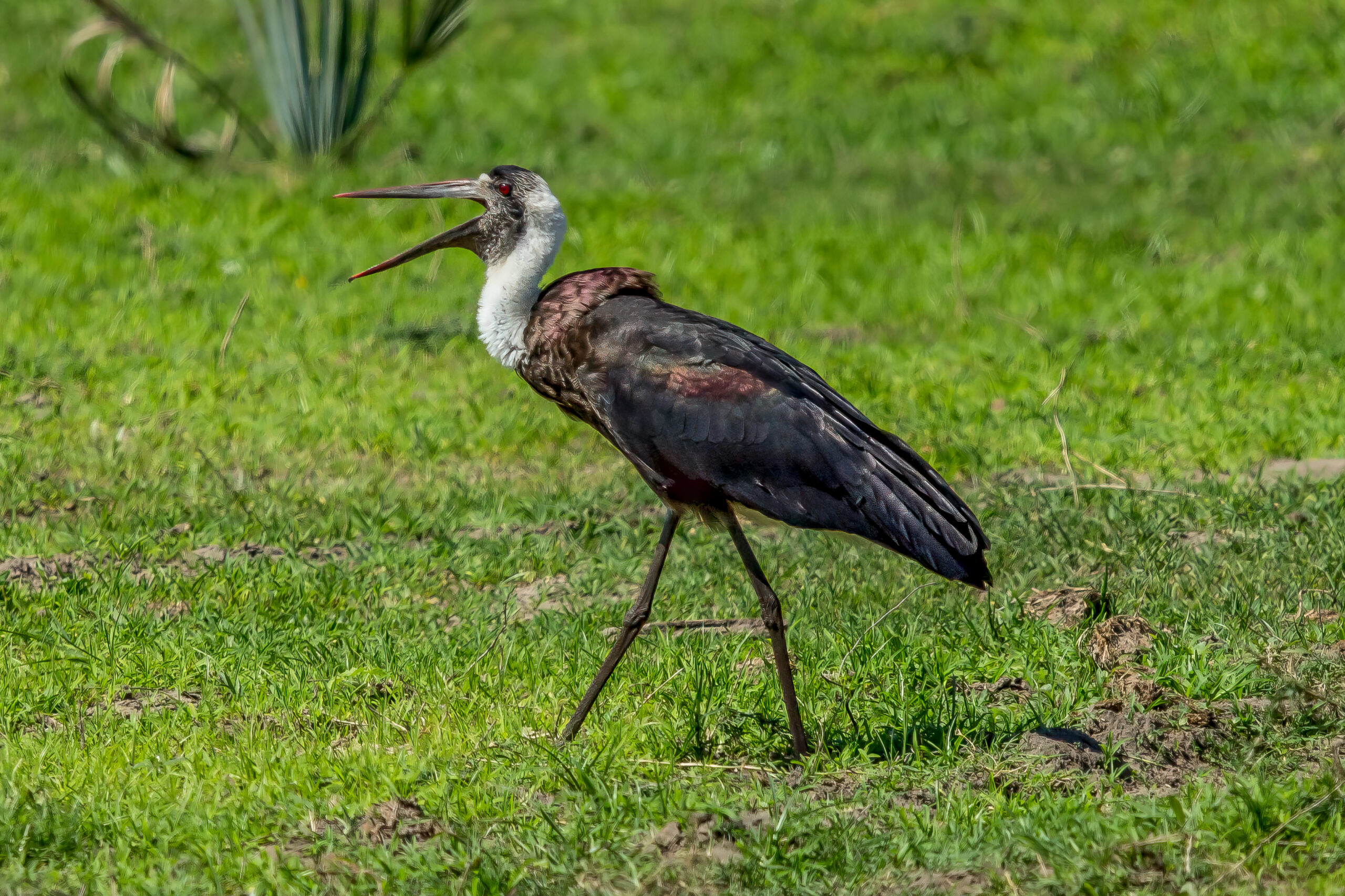
A GPS-tracking study in KwaZulu-Natal, South Africa, found striking differences in spatial use between adult and immature African woolly-necked storks (Ciconia microscelis). The study, published on 21 February 2026 in Urban Ecosystems, followed birds living in the human-modified landscape around eThekwini and Richmond, where the species has expanded strongly into urban and suburban areas since the 1990s.
Researchers fitted transmitters to seven adults and four immature storks and tracked each bird for at least one year. The birds were followed for an average of about 723 days, producing 295,976 GPS positions. The study compared the areas used by the two age groups, their daily movements, habitat selection, nesting foraging trips and use of nocturnal roost sites.
Immatures used about twelve times more space than adults
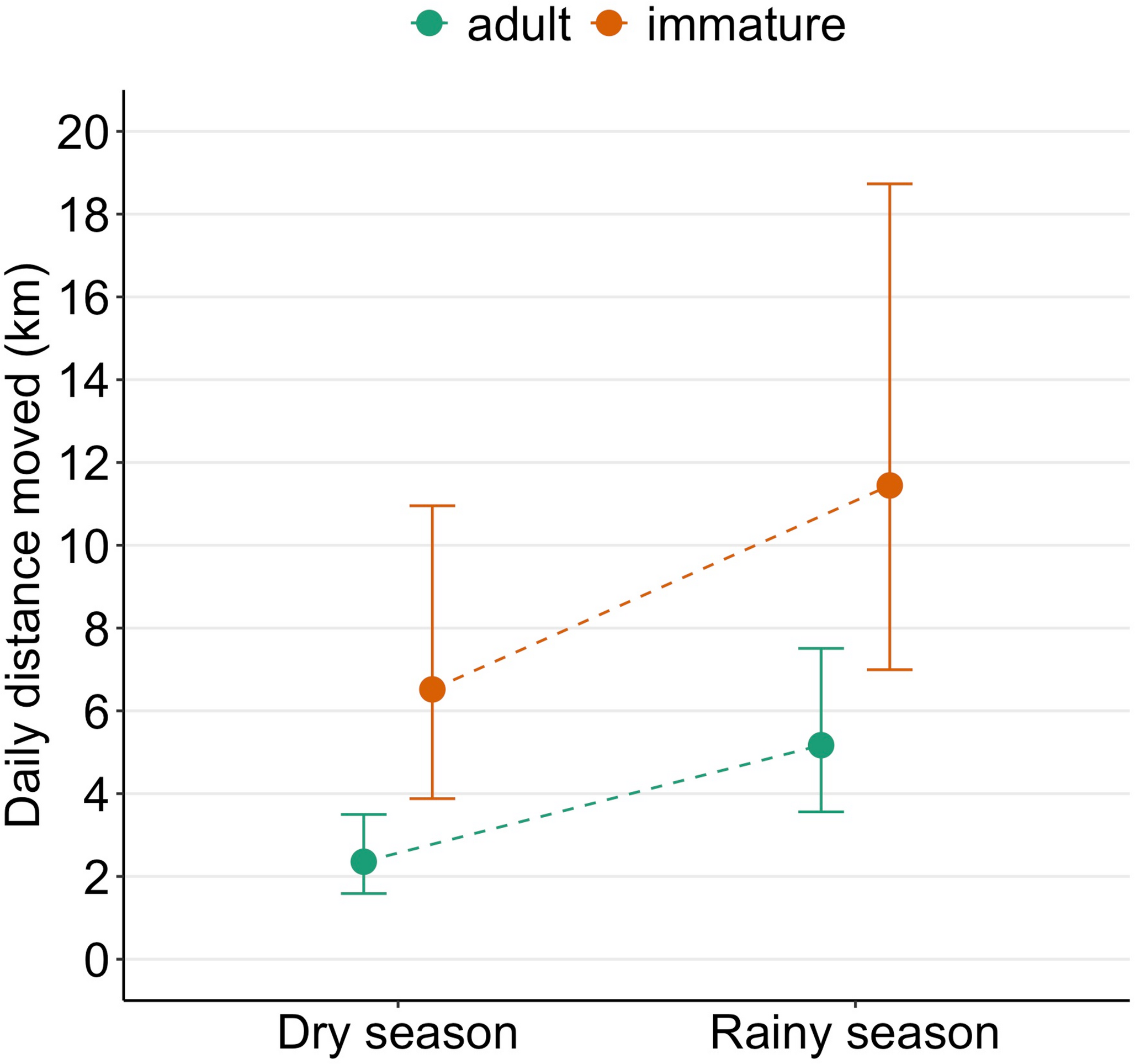
The difference in space use was substantial. The area containing 90% of each bird’s recorded movements averaged 16.5 km² for adults and 197.8 km² for immature birds — about a twelve-fold difference in the descriptive averages. Because only seven adults and four immature birds were tracked, the researchers did not make a formal statistical comparison of these utilisation-area sizes. Daily movement could be analysed more directly and differed with both age and season. Modelled movement averaged about 2.4 km per day for adults in the dry season and 5.2 km in the rainy season, compared with 6.5 and 7.3 km per day for immature birds.
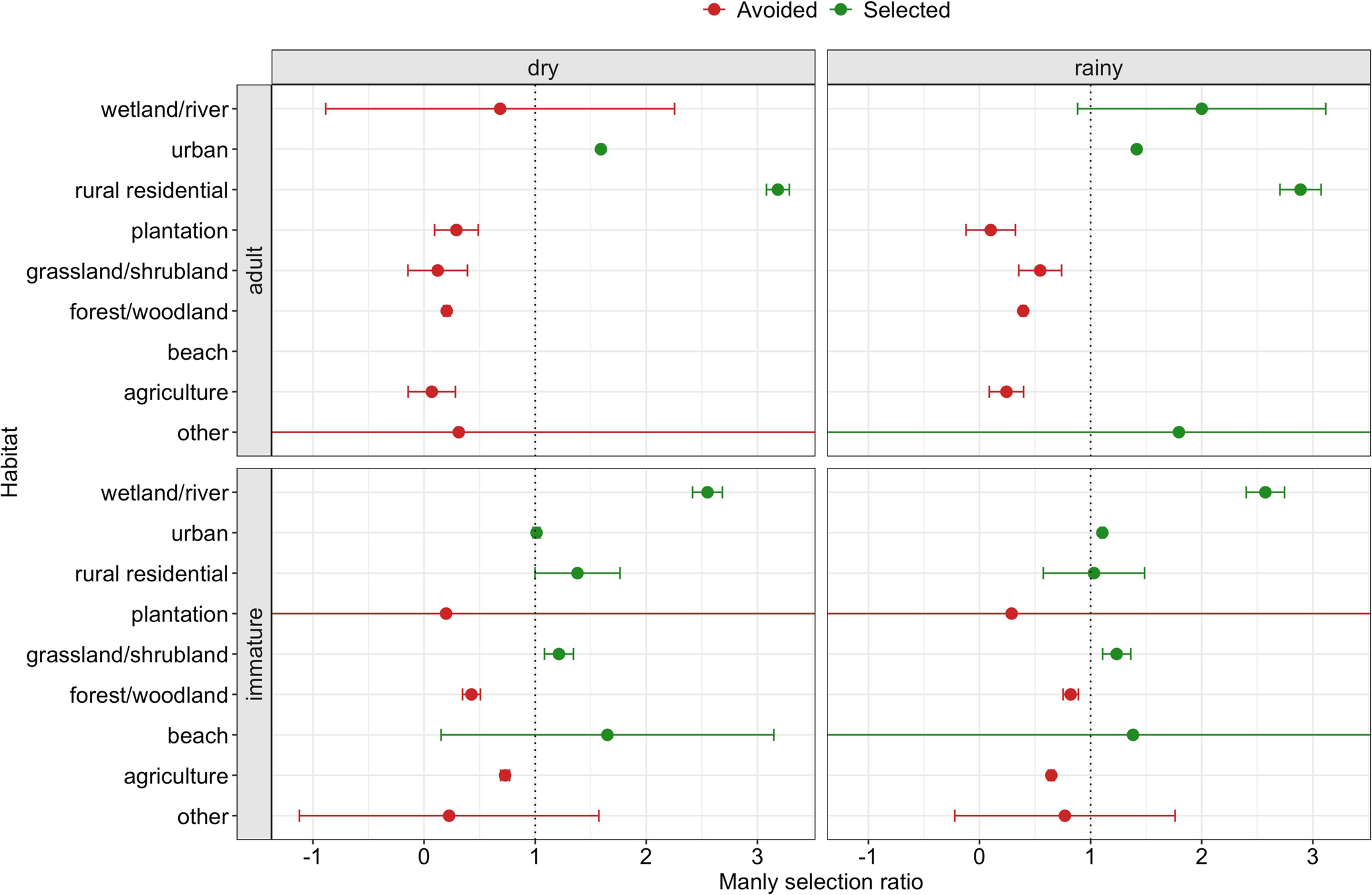
Adults selected residential areas while immatures used wetlands and grassland
Habitat selection changed with age as well. Adults strongly selected urban and rural residential areas in both seasons, while avoiding plantations, grassland and shrubland, forest and woodland, and agriculture. Immature storks used a wider range of habitats and selected wetlands and rivers as well as grassland and shrubland, while avoiding forest and woodland and agriculture. They showed clear selection of urban areas only in the rainy season. Despite these population-level patterns, most individual birds were relatively generalist in their habitat use, with substantial variation among individuals.
Adults used far fewer night-roost sites
The same pattern appeared in nocturnal roosting. Adults used an average of 9.6 roost sites, while immature birds used 55.5. The average distance between roosts on consecutive nights was only about 0.3 km for adults but 2.3 km for immature storks.
Six breeding birds were also followed during ten nesting attempts. Their foraging trips lasted from one to 27 hours and reached maximum distances from 103 metres to 15.7 km from the nest, but the longest and farthest trips were made mainly by one rural female. Across the tracked breeders, mean trip duration fell from about 3.0 hours during incubation to 2.4 hours while feeding nestlings, while mean maximum distance remained about 0.9 km from the nest in both periods. The authors therefore found that breeding adults generally did not need to travel far while incubating or provisioning chicks.
The researchers interpret the restricted movements of adults as part of the species’ successful adjustment to urban KwaZulu-Natal, where gardens, refuse sites, supplementary feeding and natural prey provide concentrated resources. Immature birds, by contrast, move more widely during the post-dispersal period before settling, and the authors suggest that social development may also influence their use of rivers, estuaries and refuse sites.
The authors note that they could not make a strong comparison with birds living in natural habitats elsewhere in Africa. Only one rural adult female was tracked, because wary rural storks proved much more difficult to capture than urban birds accustomed to people and food. The results therefore describe the unusual urban population of KwaZulu-Natal rather than African woolly-necked storks throughout their range.
Ecology
Related news

Inland Mute Swans Had Higher Winter Body Condition Despite Harsher Winters and Supplemental Feeding
A study of 853 mute swans from four Polish wintering regions found higher body condition inland than on…
Read story →
Gut Microbiomes Across Nine Kruger Mammals Clustered More Strongly by Dietary Group Than Species
A study of 89 quality-filtered faecal samples from nine wild mammals in Kruger National Park found that carnivores,…
Read story →
Dunnock Spring Passage Advanced by Up to 8.3 Days Over 61 Years at Hel
Standardised ringing data from northern Poland showed that the first, median and last phases of dunnock spring passage…
Read story →SPECIES IN THIS STORY
Species in this story
Independent research and conservation news archive
Did you find this information useful?
Wildlife Vagabond is independently built and maintained. Voluntary support helps cover source verification, hosting and continued work on research and conservation news.
Support Wildlife VagabondThe news archive will remain freely available.