
Anaplasmataceae DNA Found in 3% of 537 German Red Foxes
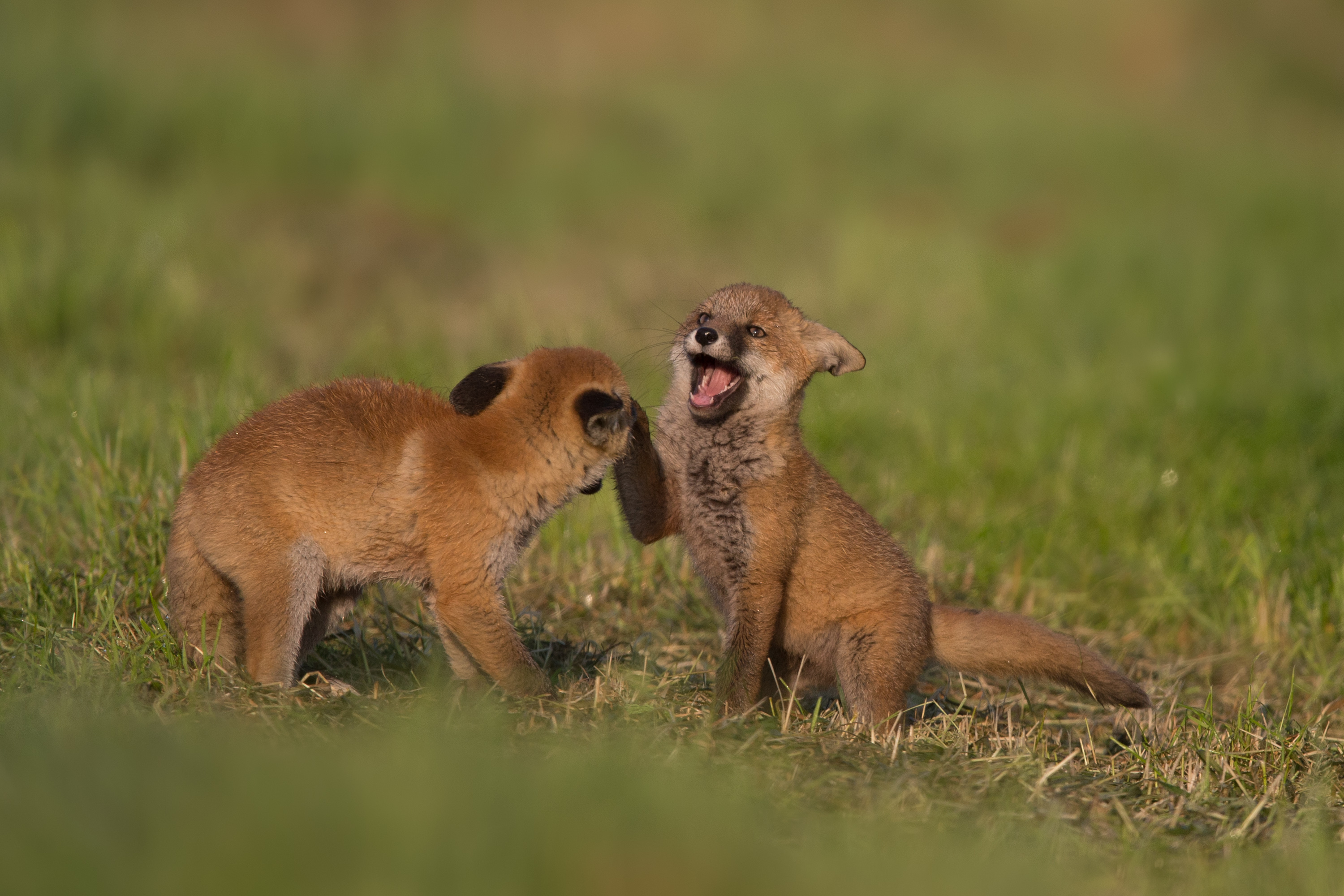
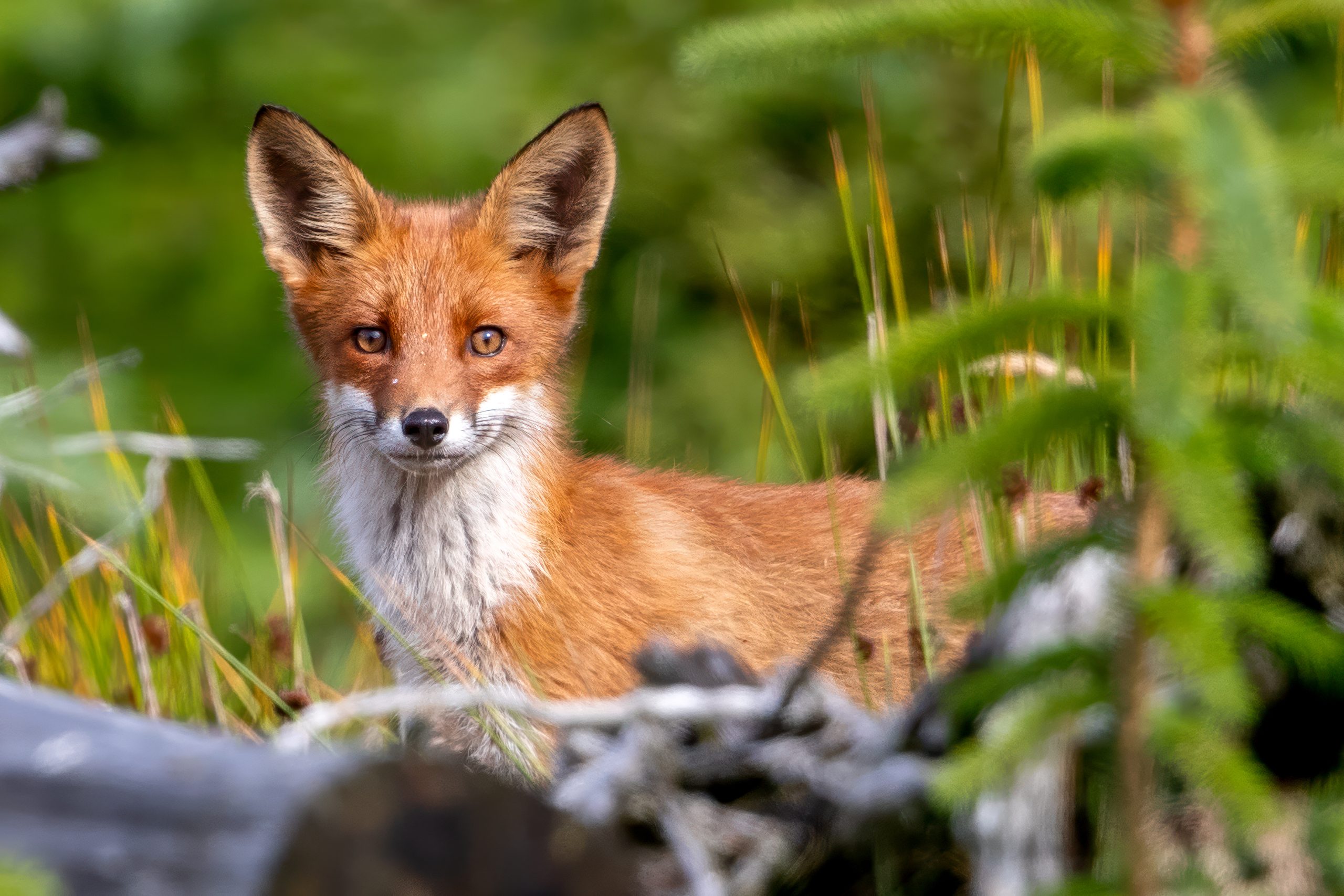
DNA from bacteria in the family Anaplasmataceae was found in 15 of 537 red fox (Vulpes vulpes) spleen samples from three regions in Germany, corresponding to about 3% of the animals tested. Several Anaplasmataceae are transmitted by arthropod vectors such as ticks. The researchers examined red foxes as potential sentinels — animals that can help indicate whether vector-borne bacteria are circulating in an area. Samples came from Berlin, Brandenburg and the Arnsberg administrative region.
The researchers used PCR to detect bacterial DNA. A positive result therefore shows that genetic material from the bacteria was present in the spleen sample; it does not by itself show whether the fox was clinically ill or whether viable bacteria could have been isolated.
Candidatus Neoehrlichia sp. FU98 was detected most frequently, in nine samples (1.7%). Anaplasma phagocytophilum was found in five samples (0.9%), while a previously undescribed Ehrlichia genotype was detected in two samples (0.4%). Rickettsia spp. were not detected. A. phagocytophilum occurred at low prevalence in all three study regions, whereas FU98 was found in Berlin and Brandenburg but not Arnsberg. The authors describe these as the first detections of FU98 in Germany.
The unknown Ehrlichia sequences came from one fox in Berlin and one in Brandenburg. The researchers say the newly detected agent still needs to be isolated and studied to clarify its phylogenetic position, geographic distribution, possible vector and host range.
Disease, parasites & microbiology
Related news
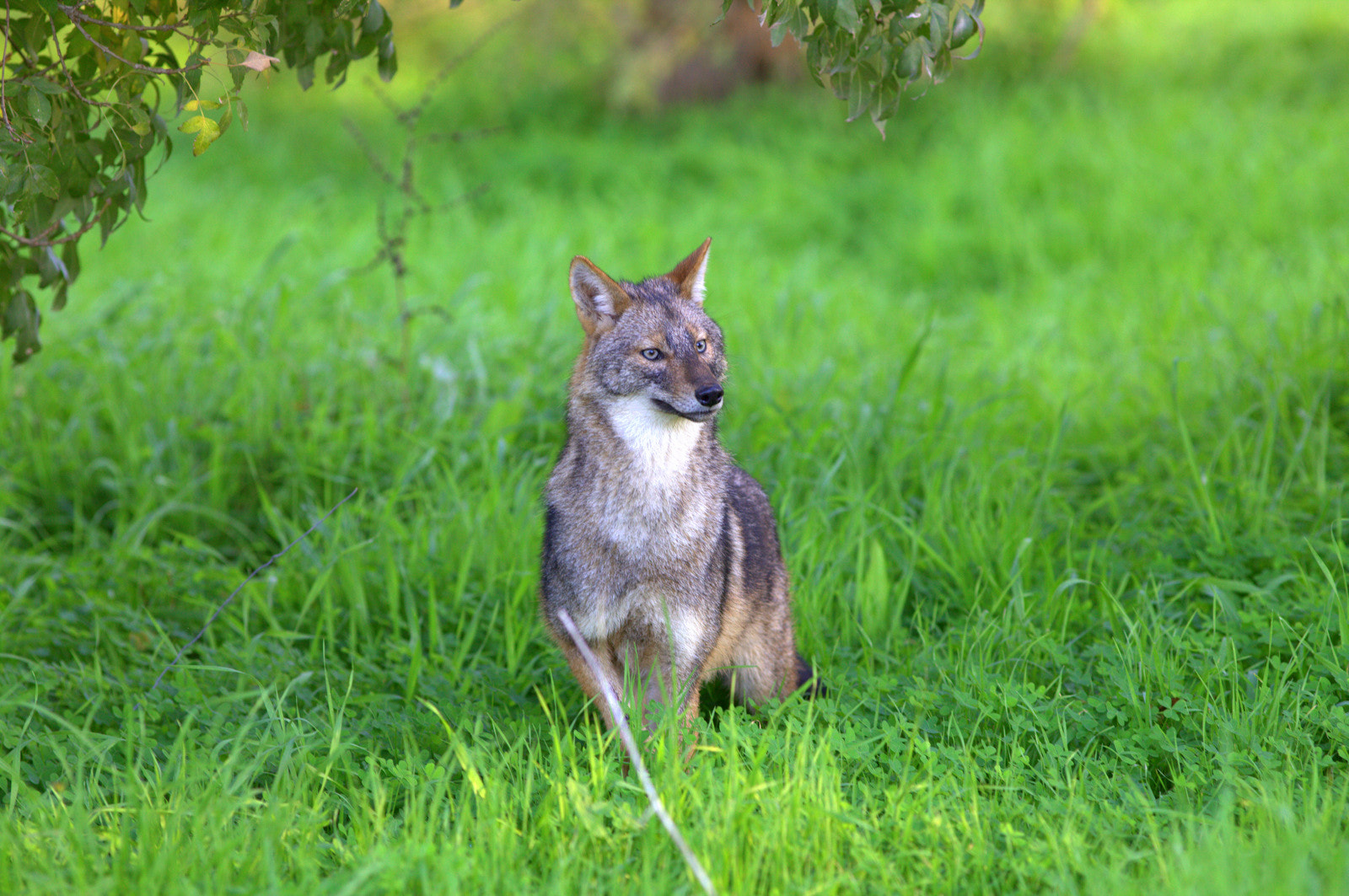
Similar Mammal Diversity, Different Activity Patterns in Grazed and Ungrazed Areas
Camera traps in four northern Israeli reserves found similar numbers of mammal species with and without livestock grazing.…
Read story →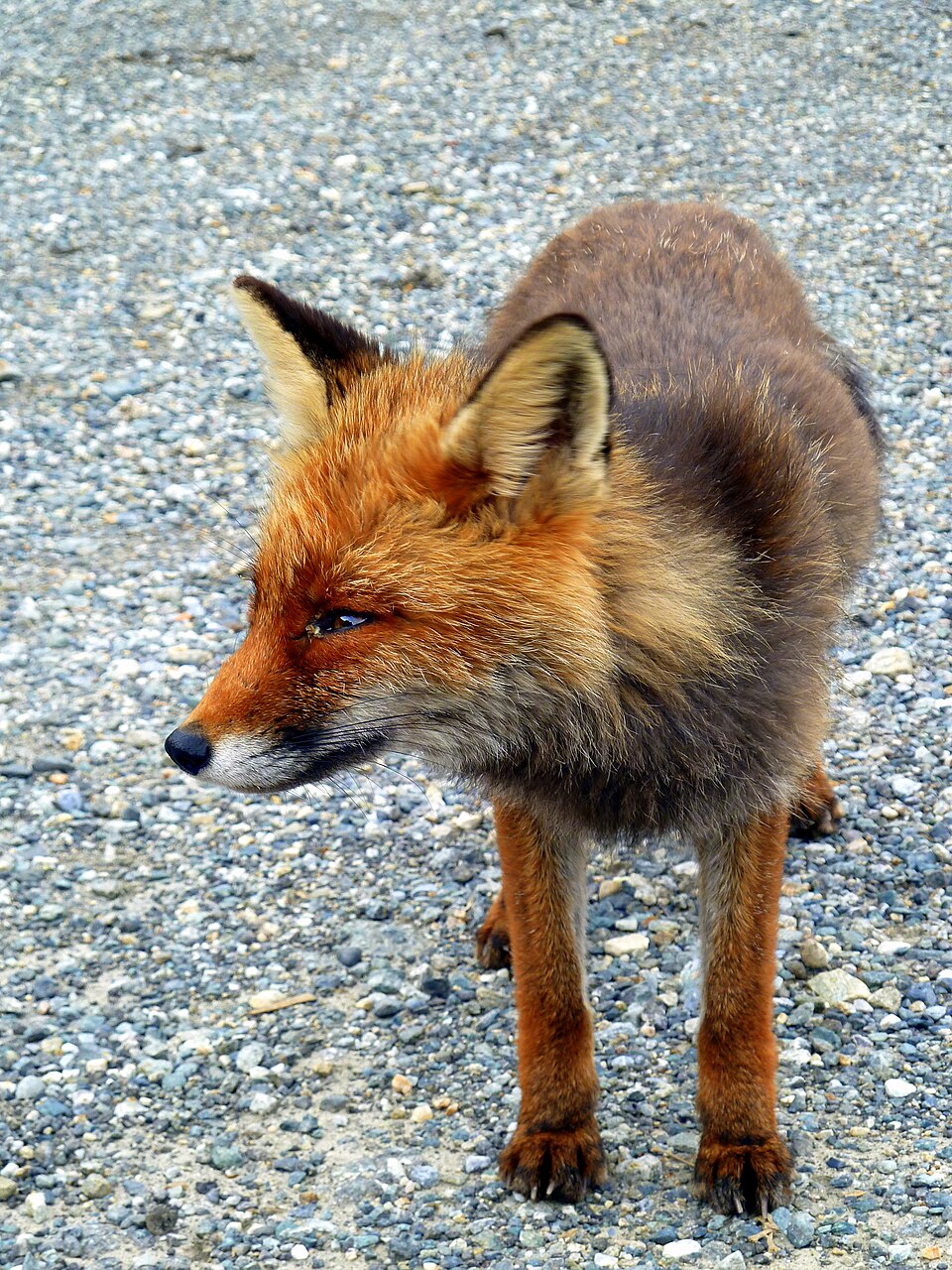
Wolf Kills Provided Plenty of Food for Red Foxes
Red foxes visited all 26 wolf-killed red deer monitored in Stelvio National Park. The amount of meat left…
Read story →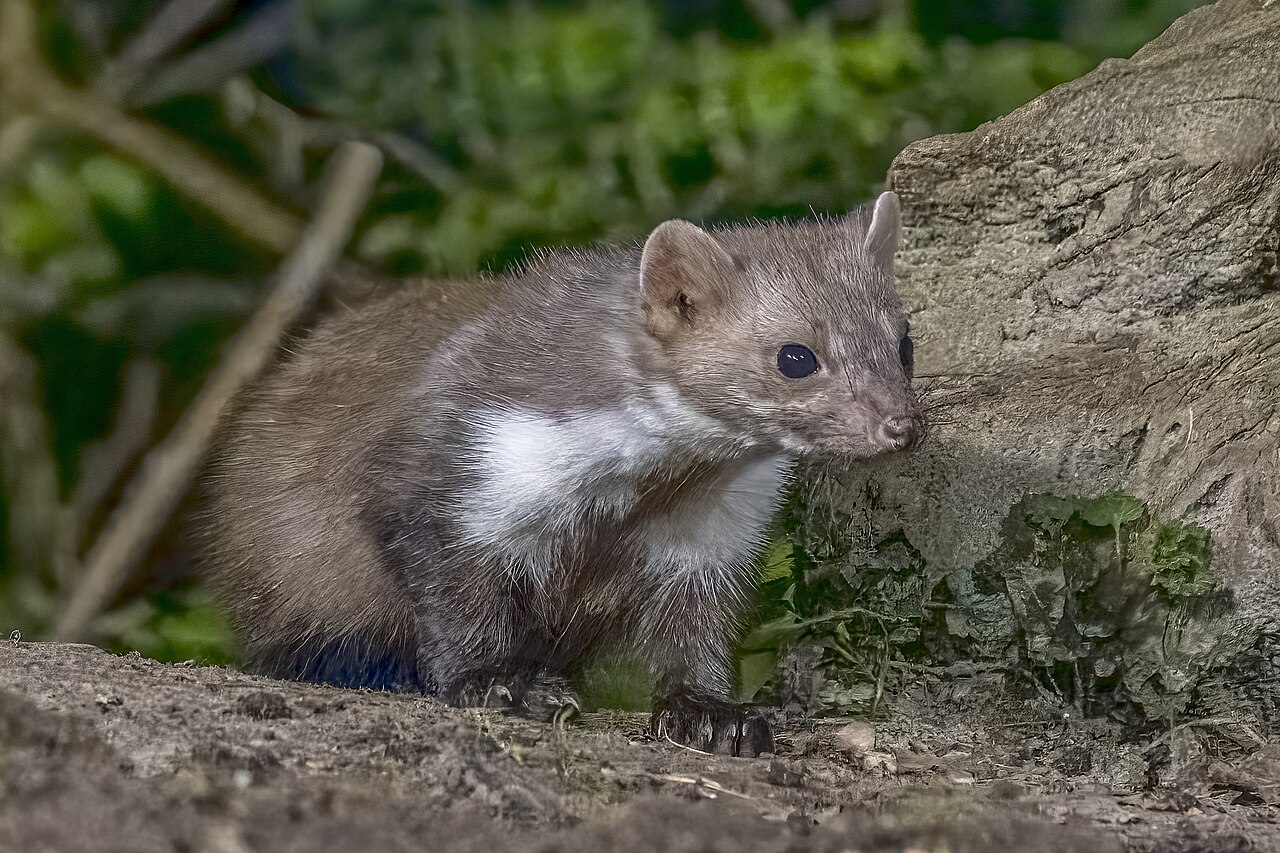
Red Foxes and Stone Martens Share Places at Different Times
Red foxes and stone martens often used the same sites in central Spain. Their daily activity differed more…
Read story →SPECIES IN THIS STORY
Species in this story
Independent research and conservation news archive
Did you find this information useful?
Wildlife Vagabond is independently built and maintained. Voluntary support helps cover source verification, hosting and continued work on research and conservation news.
Support Wildlife VagabondThe news archive will remain freely available.