
Red Foxes and Stone Martens Share Places at Different Times
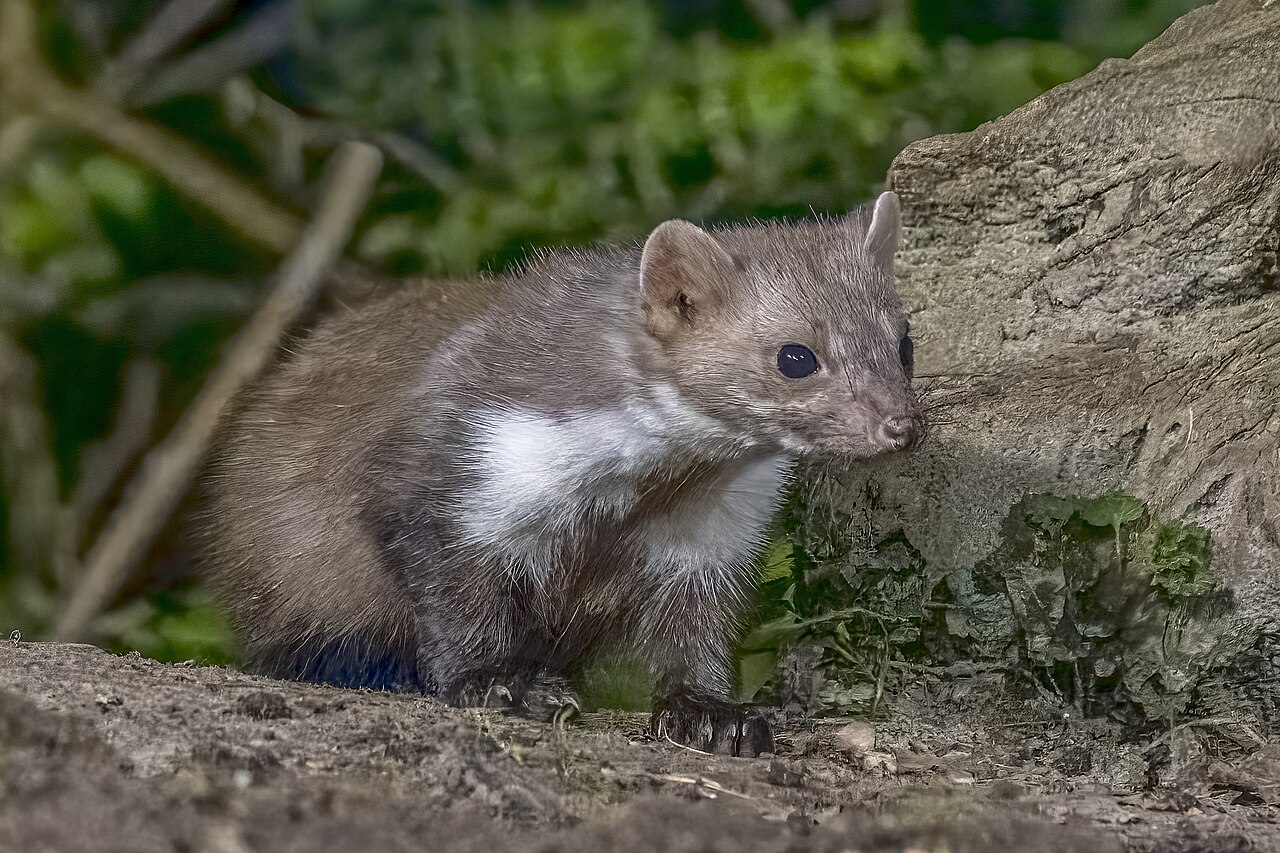
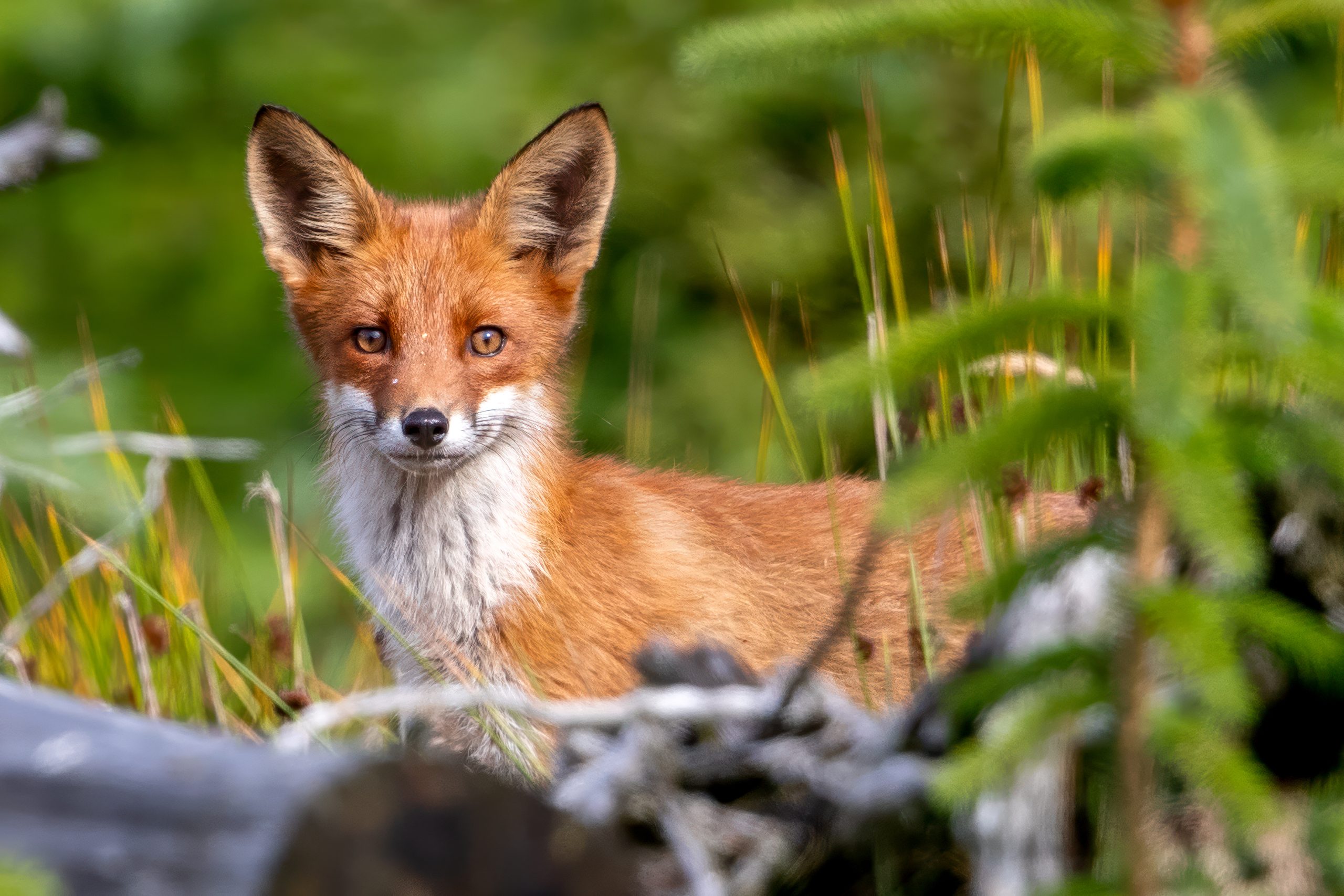
Red foxes (Vulpes vulpes) and stone martens (Martes foina) can find food in the same areas, but foxes can also pose a danger to the smaller martens. A study in central Spain suggests that martens can live alongside foxes by using shared places at somewhat different times.
The researchers used camera traps at 24 locations in Mediterranean landscapes, covering both warm and cold seasons. They also monitored small rodents and European rabbits (Oryctolagus cuniculus), important prey in this carnivore community.
Martens did not stay away from areas used by foxes. Instead, their estimated probability of using a site was about 75 percent where foxes were present, compared with 29 percent where foxes were absent.
Different daily schedules
Sharing places did not mean being equally active at every hour. The species’ daily activity patterns differed more where both were abundant. The researchers identify these differences as an important way for martens to reduce their risk of encountering foxes without giving up the places they use.
Timing also matters for finding food. Martens were usually active at much the same times as small rodents. Where fox and rodent activity matched more closely, however, martens’ activity was less closely aligned with that of the rodents.
This points to a trade-off for martens: being out when prey are active creates hunting opportunities, but can also increase the chance of meeting a fox. The researchers regard this temporal niche partitioning as an important explanation for how these two carnivores share the landscape.
Ecology
Related news
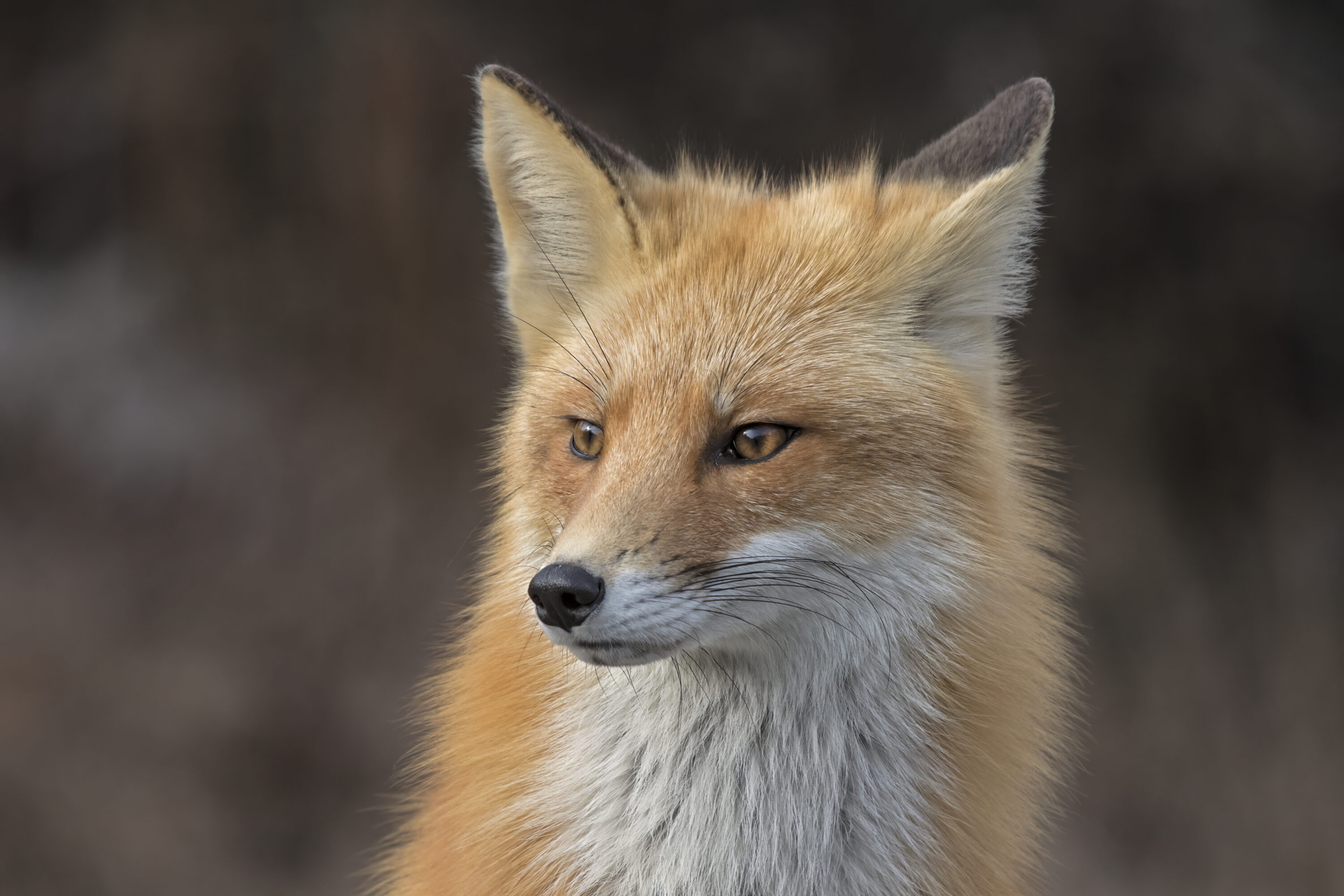
Canine distemper virus found in foxes and badgers in northern Italy
Researchers detected canine distemper virus in six red foxes and six European badgers among 43 wild carnivores examined…
Read story →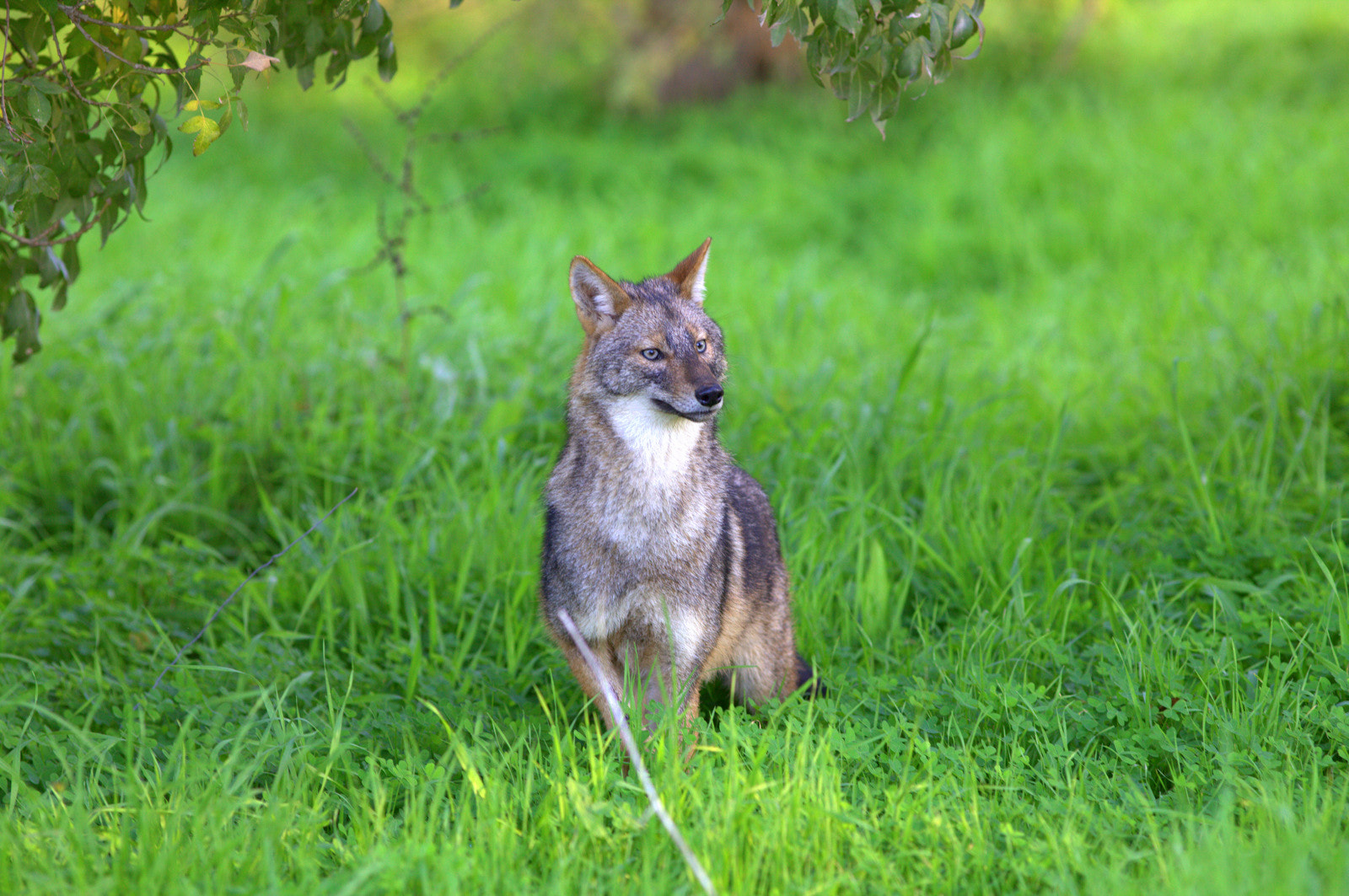
Similar Mammal Diversity, Different Activity Patterns in Grazed and Ungrazed Areas
Camera traps in four northern Israeli reserves found similar numbers of mammal species with and without livestock grazing.…
Read story →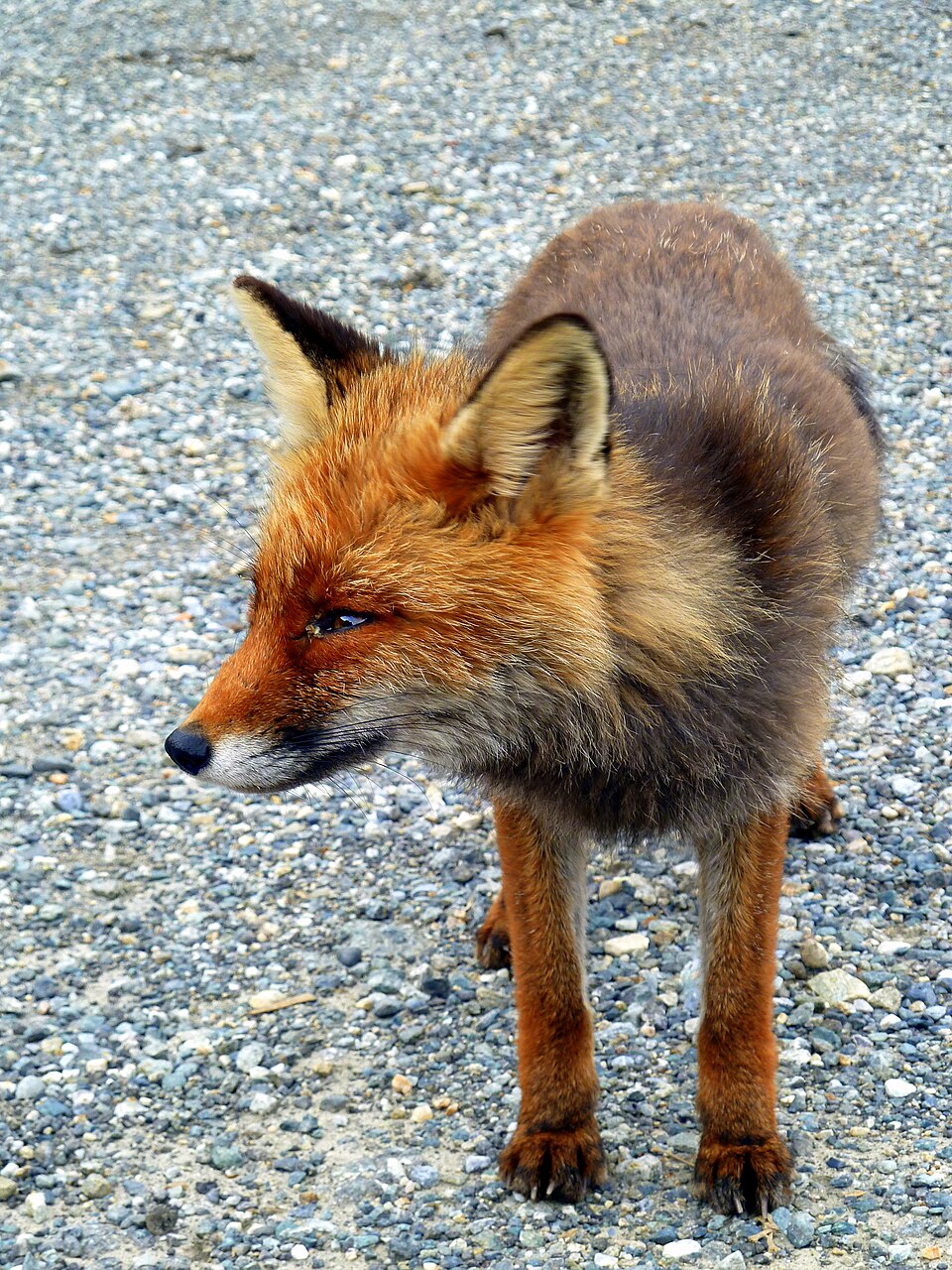
Wolf Kills Provided Plenty of Food for Red Foxes
Red foxes visited all 26 wolf-killed red deer monitored in Stelvio National Park. The amount of meat left…
Read story →SPECIES IN THIS STORY
Species in this story
Independent research and conservation news archive
Did you find this information useful?
Wildlife Vagabond is independently built and maintained. Voluntary support helps cover source verification, hosting and continued work on research and conservation news.
Support Wildlife VagabondThe news archive will remain freely available.