
Survey Estimate for Arctic Alaska Dunlins Fell 89% Over 17.5 Years
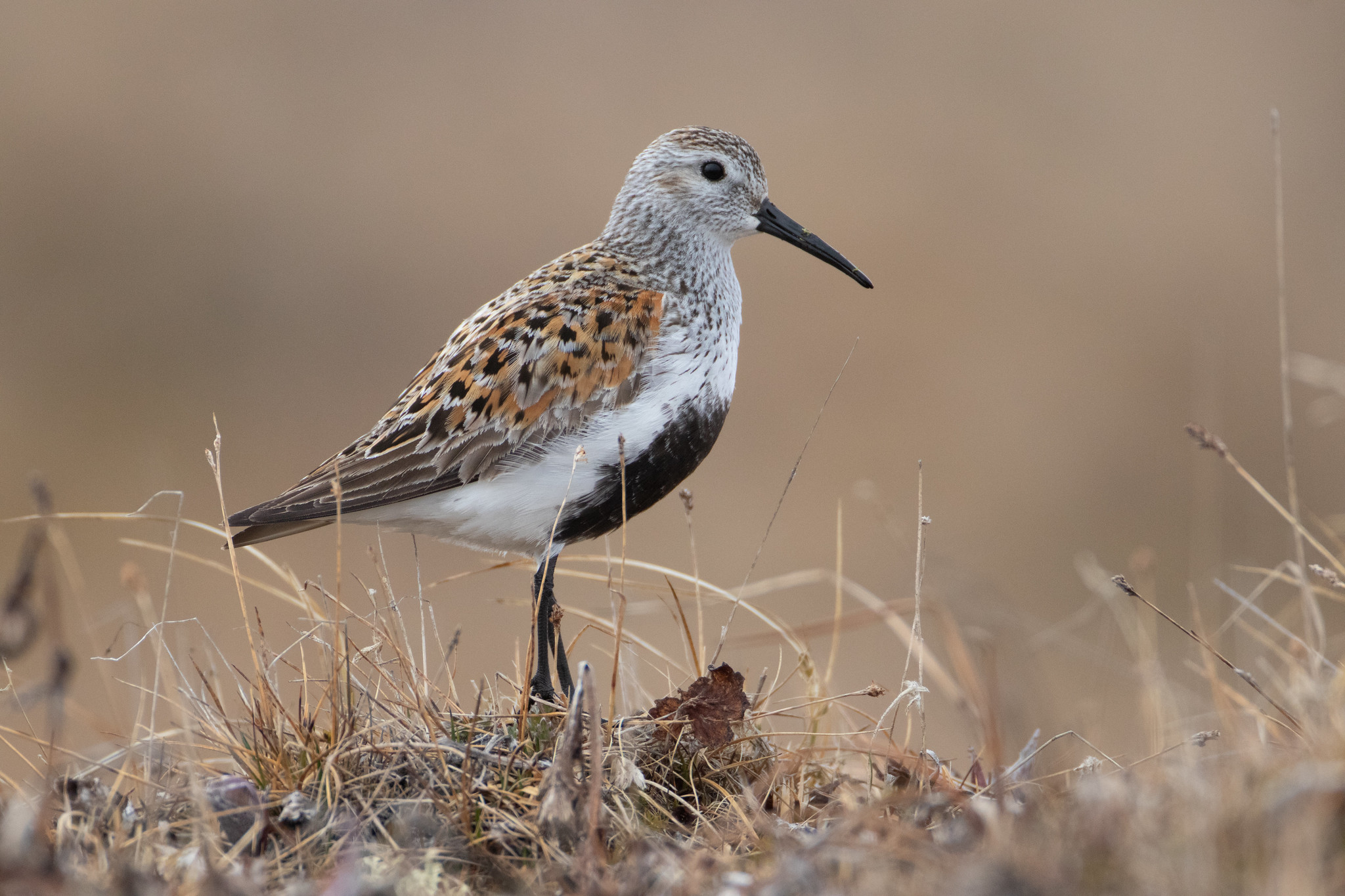
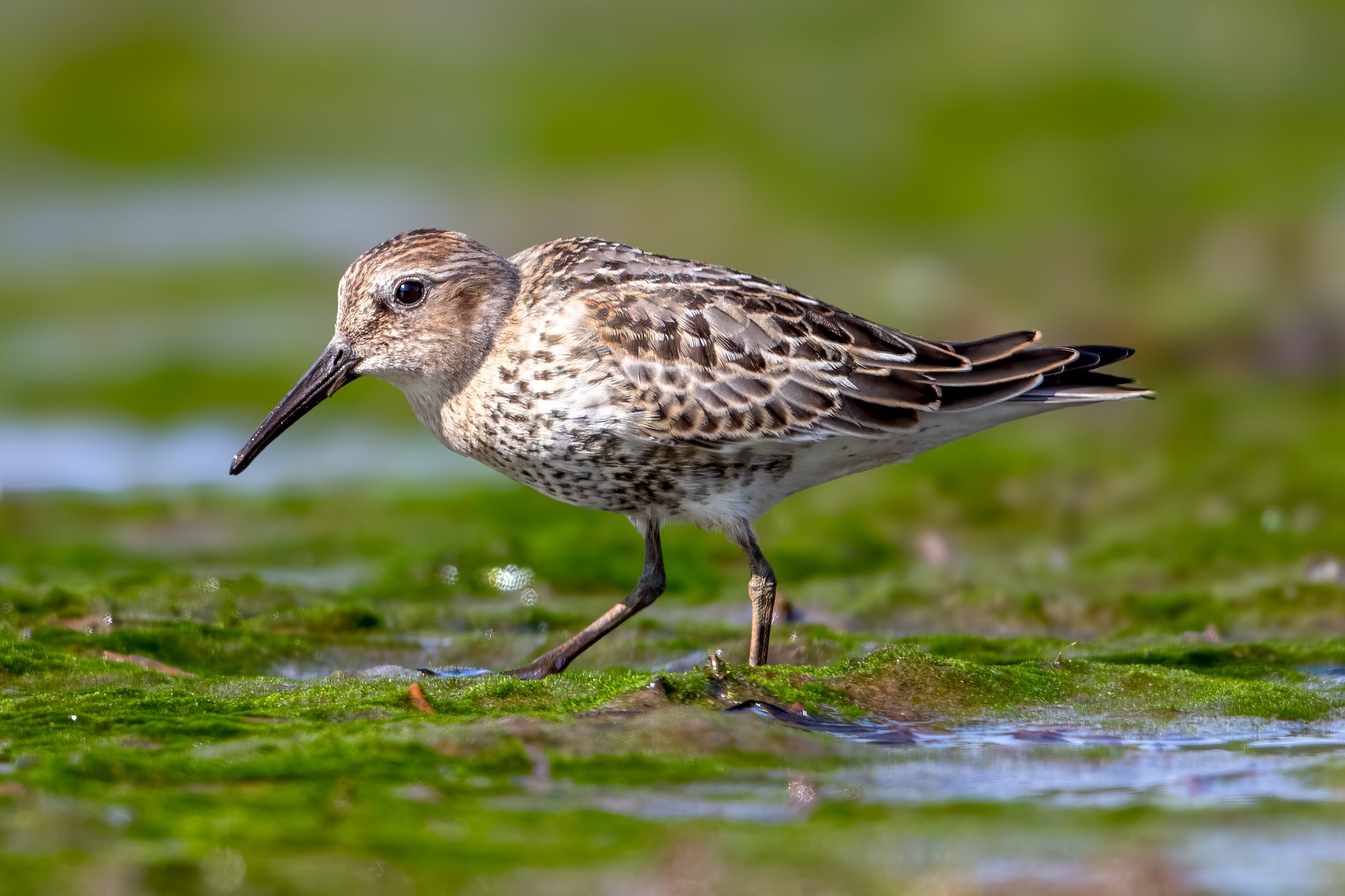
A long-term resurvey of breeding shorebirds in Arctic National Wildlife Refuge, Alaska, USA, estimated an 89% decline in the local breeding population of the dunlin subspecies Calidris alpina arcticola between survey periods separated by 17.5 years. The exact magnitude of the decline remains uncertain. The study, published in 2026, repeated standardized surveys from 2002 and 2004 in 2019 and 2022 across 6,249 km² of the refuge’s Coastal Plain.
Using the study’s updated procedure for a contemporary population benchmark, the researchers estimated about 1,090 breeding C. a. arcticola in the study area in 2019 and 2022, although the estimate was highly uncertain. The 89% decline was calculated separately with the same enumeration method used for both survey periods so that the older and newer estimates could be compared consistently.
Sixteen shorebird populations were estimated
The researchers estimated population sizes for 16 shorebird species. Using the same enumeration approach for both periods, the combined shorebird estimate in 2019 and 2022 was about 17% lower than in 2002 and 2004, but this community-wide change was too uncertain to distinguish clearly from no overall change.
Four species showed clear declines
Four species showed clear negative trends. The estimated decline was about 89% for C. a. arcticola dunlins, 78% for long-billed dowitchers (Limnodromus scolopaceus), 55% for red-necked phalaropes (Phalaropus lobatus) and 90% for red phalaropes (Phalaropus fulicarius). Dunlins were also among five species with a greater than 90% estimated probability of decline.
The authors note that the decline in Alaska-breeding C. a. arcticola is consistent with other demographic evidence for this population. They point to loss and alteration of intertidal habitat on the East Asian–Australasian Flyway, used outside the breeding season, as a likely contributor. A separate comparison restricted to 95 plots surveyed in both periods showed the same direction for dunlins but a weaker signal, illustrating uncertainty among analytical approaches while leaving the broader decline pattern intact.
Population & status
Related news
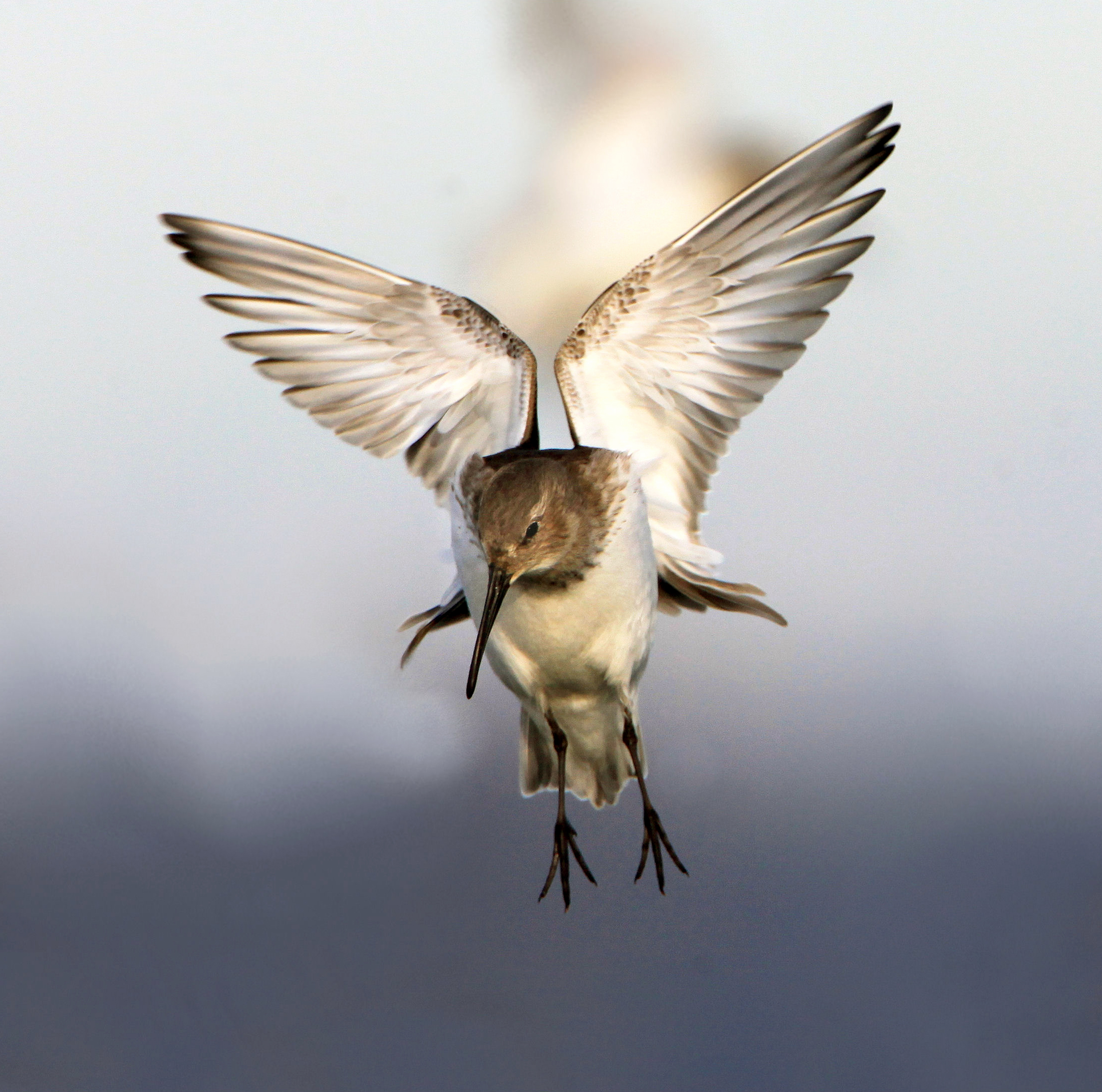
Opposite Spring Migration Strategies Were Linked to Breeding Success in Male and Female Dunlins
Tracked dunlins near Churchill showed opposite links between spring migration and breeding: shorter, more direct routes were associated…
Read story →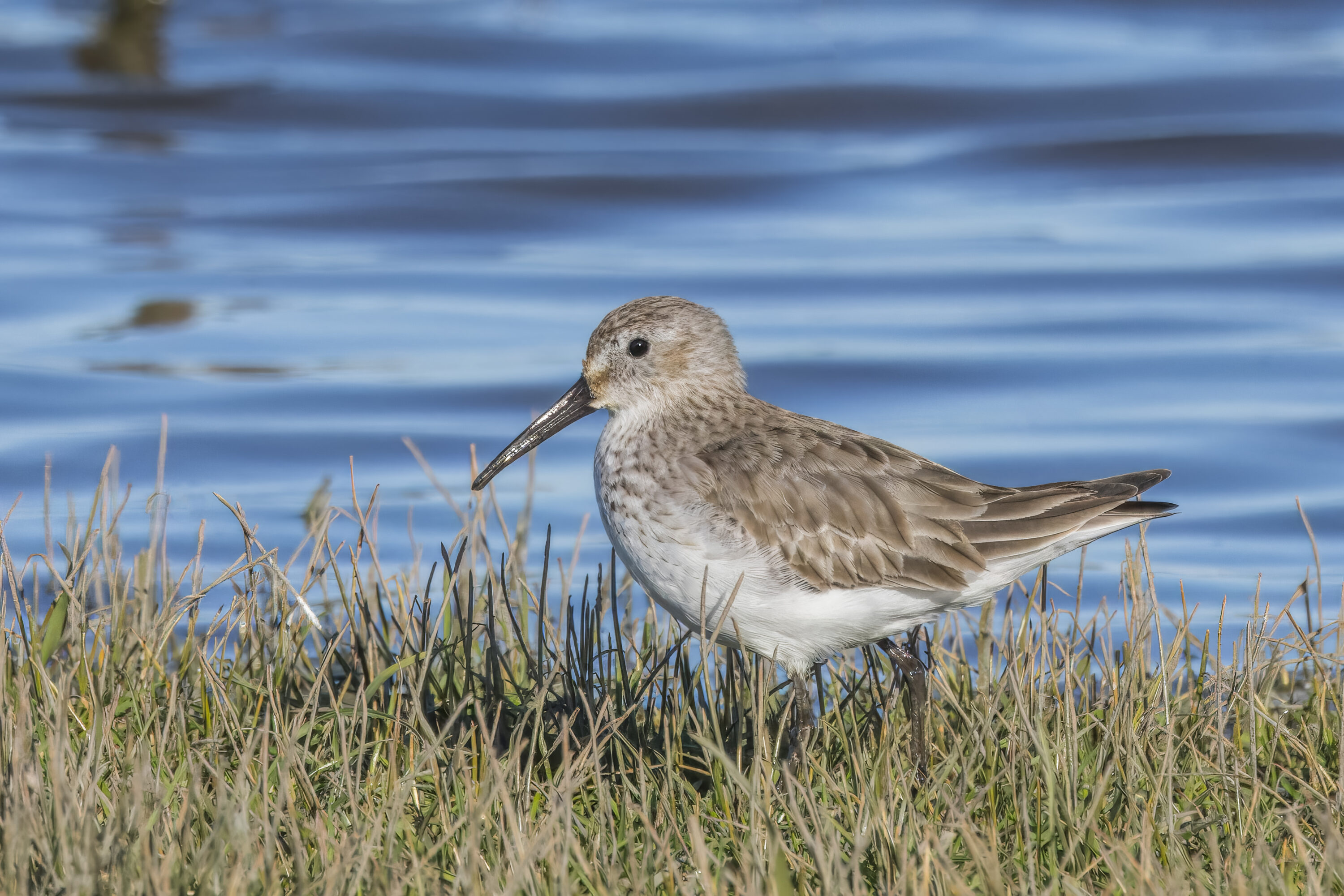
Only 14% of Dunlins That Had Started Primary Moult Suspended It During Migration
Across 39 years at the Gulf of Gdańsk, 1,895 of 13,695 Dunlins that had begun primary moult suspended…
Read story →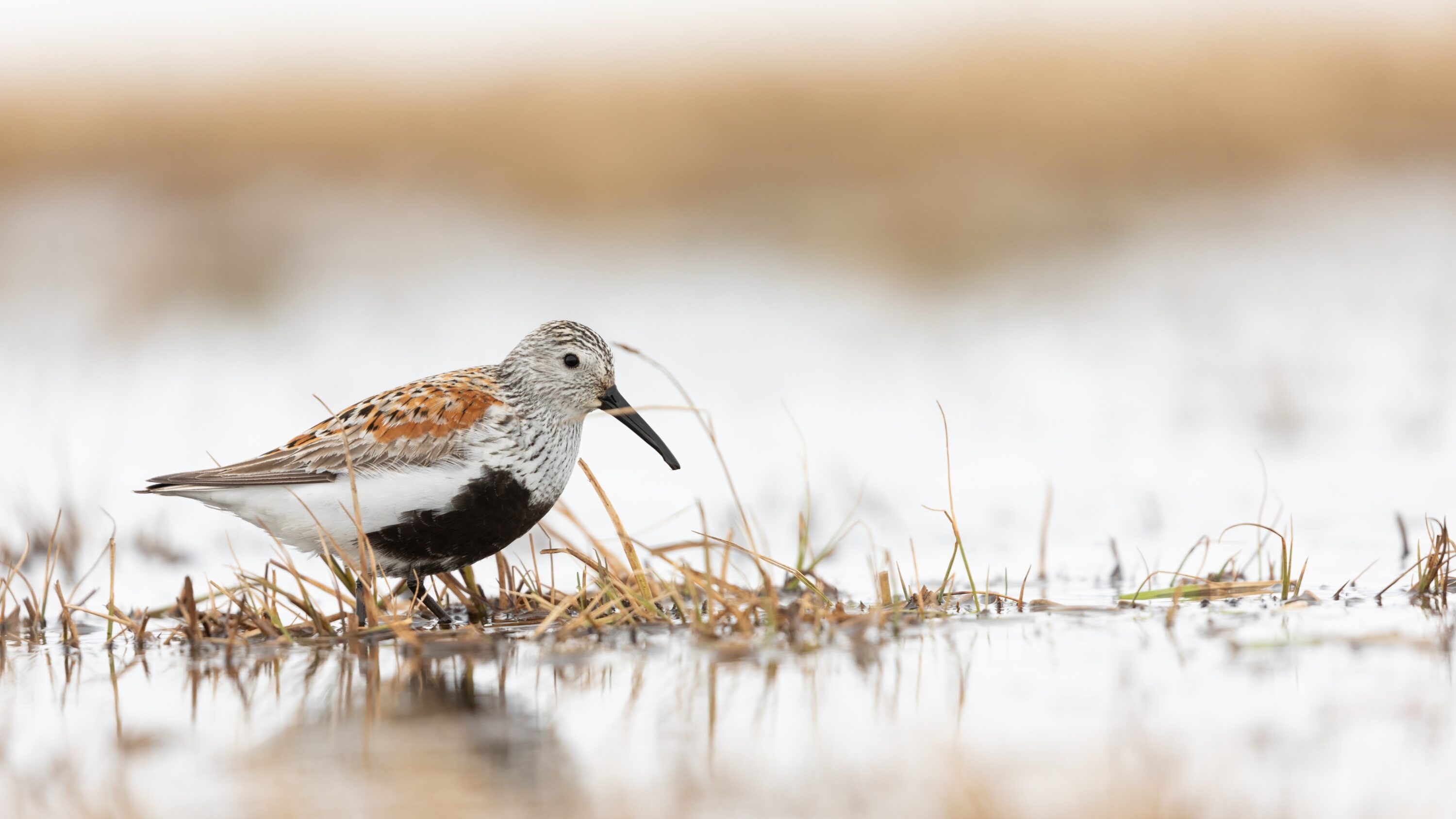
Dunlins Wintering in Japan Had 0.53 Estimated Apparent Annual Survival, Versus 0.78 in the Yellow Sea
An integrated study of arcticola dunlins linked strong differences in survival and 2010–2014 population trends to wintering region,…
Read story →SPECIES IN THIS STORY
Species in this story
Independent research and conservation news archive
Did you find this information useful?
Wildlife Vagabond is independently built and maintained. Voluntary support helps cover source verification, hosting and continued work on research and conservation news.
Support Wildlife VagabondThe news archive will remain freely available.