
Arizona Gray Squirrel Occurrence Was Marginally Better Explained by Ice-Age Habitat Configuration
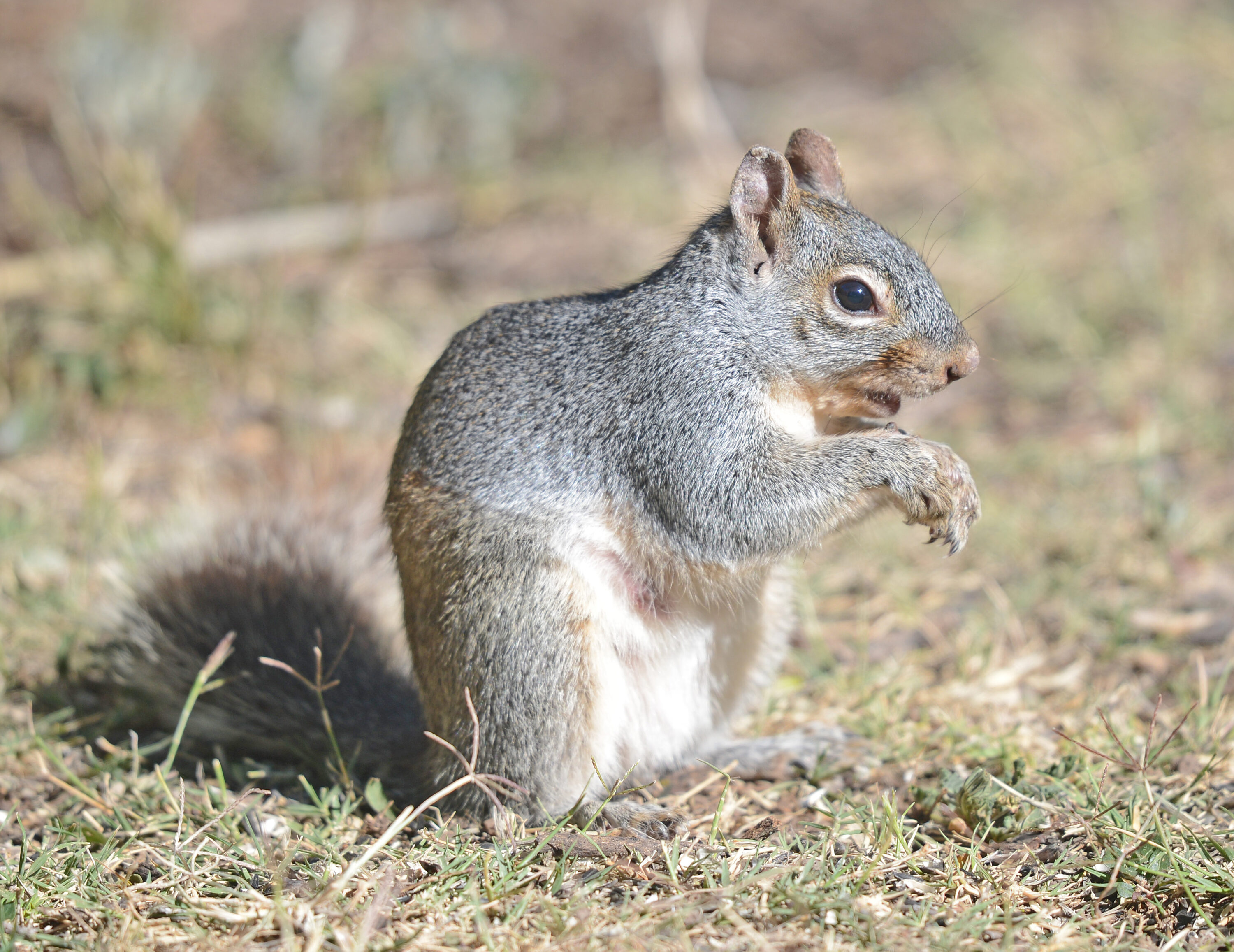
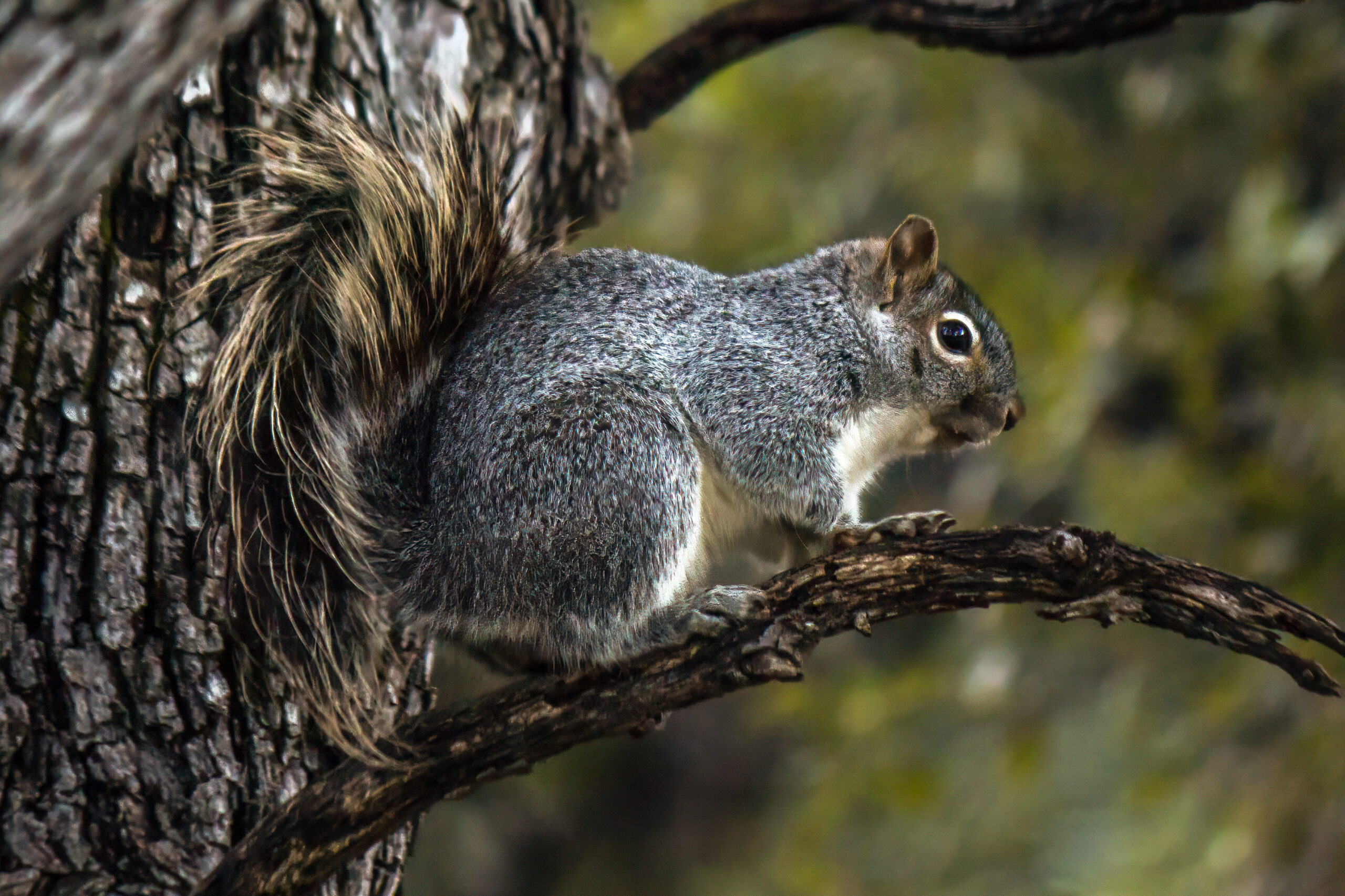
A study of the Arizona, USA gray squirrel (Sciurus arizonensis) across 29 U.S. mountain ranges in the Madrean Sky Islands found that its present-day distribution was slightly better explained by habitat area and connectivity during the Last Glacial Maximum than by current conditions. The study was published on 20 July 2026 in Journal of Mammalogy.
The Madrean Sky Islands are forested mountain ranges in southeastern Arizona, southwestern New Mexico and northern Mexico, separated from one another by warmer and drier lowlands. Arizona gray squirrels are associated particularly with riparian forests and adjacent pine-oak and mixed-conifer woodland. The 2026 analysis focused on 29 U.S. ranges in Arizona and New Mexico, where survey coverage gave the researchers greater confidence in presence–absence data.
Only five of the 29 mountain ranges had verified squirrels
The researchers used verified museum specimen records to classify those 29 mountain ranges as occupied or unoccupied; five had documented Arizona gray squirrel presence. They also modelled climatically suitable habitat through four periods: the Last Glacial Maximum about 21,000 years ago, the mid-Holocene about 6,000 years ago, the present and a late-century future scenario. For each mountain range they estimated both suitable habitat area and the potential cost of dispersal between habitat patches. Lower dispersal cost means that movement between suitable patches would require crossing less or less-resistant unsuitable landscape.
The ice-age model had only a marginal advantage
The Last Glacial Maximum model had only a marginal edge over the present-day model. Ranges with larger areas of suitable habitat or lower dispersal costs during the glacial period tended to be more likely to support Arizona gray squirrels today. When the two ice-age variables were considered separately, neither had strong enough statistical support to stand on its own, although both pointed in the expected biological direction. Some historically isolated ranges remain unoccupied despite suitable current climatic conditions.
The authors interpret this pattern as a legacy of Pleistocene habitat connectivity. During cooler and wetter glacial periods, oak and pine woodland extended farther downslope and connected mountain ranges that are now separated by desert. As the climate became warmer and drier, these woodland connections contracted upslope, leaving squirrel populations isolated on individual mountain ranges.
The modelling also showed that climatically suitable habitat for the species has shifted both geographically and in elevation through time. The authors therefore emphasize protecting historically connected refuges, restoring riparian corridors that can facilitate dispersal and tailoring management to individual mountain ranges as suitable climate continues to shift.
Ecology
Related news

Inland Mute Swans Had Higher Winter Body Condition Despite Harsher Winters and Supplemental Feeding
A study of 853 mute swans from four Polish wintering regions found higher body condition inland than on…
Read story →
Gut Microbiomes Across Nine Kruger Mammals Clustered More Strongly by Dietary Group Than Species
A study of 89 quality-filtered faecal samples from nine wild mammals in Kruger National Park found that carnivores,…
Read story →
Dunnock Spring Passage Advanced by Up to 8.3 Days Over 61 Years at Hel
Standardised ringing data from northern Poland showed that the first, median and last phases of dunnock spring passage…
Read story →SPECIES IN THIS STORY
Species in this story
Independent research and conservation news archive
Did you find this information useful?
Wildlife Vagabond is independently built and maintained. Voluntary support helps cover source verification, hosting and continued work on research and conservation news.
Support Wildlife VagabondThe news archive will remain freely available.